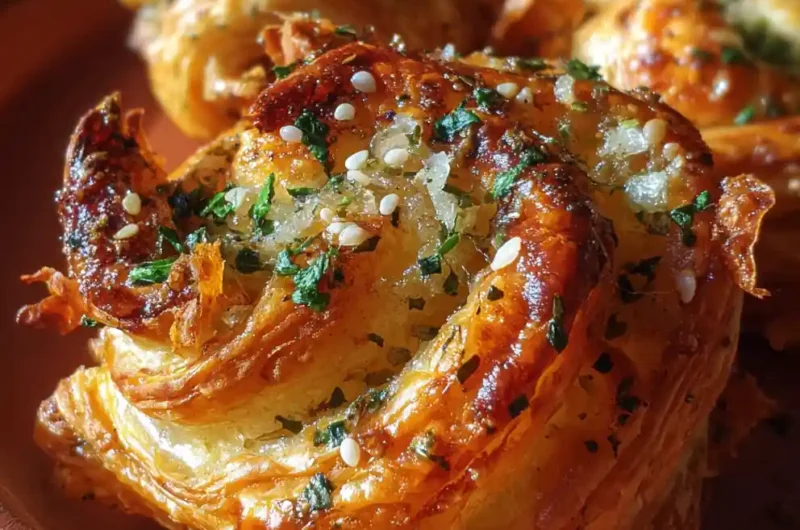
I know how challenging it can be to find time for homemade baking, but this rough puff pastry recipe truly simplifies things. Imagine the delicate crunch and rich, buttery aroma filling your kitchen! This straightforward rough puff pastry recipe is perfect for busy home cooks wanting to impress. Our family-tested method guarantees delicious results every time, elevating everyday meals and supporting healthy weeknight meals with ease.

Key Ingredients and Flavor Foundations
Understanding the role of each ingredient is key to mastering this delicious rough puff pastry recipe. My kitchen always has these staples on hand for easy dinner ideas.
- 300 g (2 ½ cups) all-purpose flour: The backbone for structure, creating the dough’s foundation.
- 5 g (1 teaspoon) fine sea salt: Enhances all flavors, balancing the richness.
- 10 g (2 teaspoons) sweet smoked paprika: Infuses a unique smoky base flavor and beautiful color into the dough itself.
- 5 g (1 teaspoon) ground sumac: Adds a bright, tangy note for an unexpected twist.
- 250 g (1 cup + 2 tablespoons) unsalted butter, very cold, cut into 1 cm (½-inch) cubes: Crucial for creating those signature flaky layers. I always reach for quality European-style butter for its higher fat content, making for a truly superior pastry.
- 150 ml (⅔ cup) ice water, plus more if needed: Keeps the butter firm, essential for developing the characteristic texture.
- 15 g (1 tablespoon) za’atar spice blend: Provides a vibrant, aromatic, and savory finish after baking.
- 5 g (1 teaspoon) white sesame seeds: Adds a nutty crunch and visual appeal to the finished pastry.
Smart Swaps & Add-ins
Adapting this rough puff pastry recipe for different needs is simpler than you might think.
- For a gluten-free rough puff pastry, use a 1:1 gluten-free baking flour blend with xanthan gum for similar structure.
- Different fats can alter texture; try half butter, half shortening for a slightly sturdier, yet still flaky, dough (or a plant-based butter for a dairy-free option).
- Consider subtle flavor boosts, like a hint of sugar for sweet applications or dried thyme for savory treats.
Quality Matters
For the flakiest, most flavorful rough puff pastry, selecting high-quality, very cold unsalted butter is paramount. It ensures excellent lamination and contributes significantly to the overall taste and texture of your finished product.
Cooking Method Made Simple
Follow these steps carefully to achieve beautiful, flaky layers that will make any family dinner special.
- Step 1: Combine Dry Ingredients: In a large mixing bowl, whisk together the all-purpose flour, fine sea salt, sweet smoked paprika, and ground sumac until evenly combined. You’ll notice a subtle, infused aroma already.
- Step 2: Incorporate Cold Butter: Add the very cold, cubed unsalted butter to the flour mixture. Using your fingertips or a pastry blender, quickly work the butter into the flour until pieces are flattened and roughly pea-sized, with some larger chunks visible. The mixture should still feel cold and crumbly.
- Step 3: Add Ice Water: Gradually add 150 ml (⅔ cup) ice water, a few tablespoons at a time, mixing lightly with a fork or your hands until the dough just comes together into a shaggy mass. It should appear barely cohesive, not wet.
- Step 4: Form and Chill: Gather the dough into a rough ball, flatten it slightly into a rectangle, wrap tightly in plastic film, and chill in the refrigerator for at least 30 minutes. This resting period helps the gluten relax, making it easier to roll.
- Step 5: Laminate (The ‘Rough’ Part): Lightly flour a clean work surface. Unwrap the chilled dough and roll it into a rectangle approximately 20×45 cm (8×18 inches). Aim for an even thickness. Perform the first ‘turn’ (fold): Fold one-third of the dough from one short end towards the center, then fold the opposite third over the top, like folding a letter. This creates three distinct layers. Gently press down the edges to seal them. Rotate the dough 90 degrees so the open seam is on your right. Roll it out again into a 20×45 cm (8×18 inch) rectangle, feeling the butter within the dough. Repeat the letter fold. Wrap the dough again and chill for 30 minutes. Repeat this rolling, folding, and rotating process two more times, chilling for 30 minutes after each set of two turns, for a total of four turns. If the butter starts to soften and leak, immediately wrap and chill the dough for 15-20 minutes before continuing. My kids love helping with the rolling, even if it’s not perfectly even, the flakes still turn out amazing for our family dinners! This builds the characteristic flaky layers of a fantastic rough puff pastry, so be patient with the chilling times.
Sensory Cues to Watch For
These cues will help you ensure your rough puff pastry turns out perfectly.
- Your dough should always feel cool and firm to the touch, not sticky or warm. If it feels warm, it needs more chilling time.
- Don’t worry about perfectly uniform butter distribution; visible chunks of butter are actually desired – they’re what create those beautiful, flaky layers!
Troubleshooting Tips
Even seasoned home bakers encounter challenges; here’s how to fix common rough puff pastry issues.
- If butter becomes too soft, preventing neat folds: Chill the dough immediately for 15-20 minutes. A warm kitchen is truly the enemy of flaky rough puff pastry.
- If the dough is tough and springs back when rolling: You might be overworking it. Roll gently and let it rest (chill) for 10-15 minutes if it resists too much.
- For uneven layers in your finished pastry: Ensure your folds are neat and as even as possible during the ‘turns’. Precision pays off here.
Ideal Serving Moments and Pairings
This versatile rough puff pastry recipe shines in many scenarios. It’s perfect for quick weeknight dinners, elegant gatherings, or efficient meal prep lunches. Its light texture elevates simple dishes to something special.
- Quick Weeknight Dinners: Great for topping savory chicken pot pies or making speedy sausage rolls.
- Elegant Gatherings: Craft beautiful mini quiches, delicate apple turnovers, or impressive asparagus tarts.
- Meal Prep Lunches: Bake into savory pasties or individual veggie tarts for grab-and-go meals.
Storage Guidelines:
- Fridge: Wrap unbaked dough tightly in plastic wrap; it keeps well for up to 3 days.
- Freezer: For longer storage, wrap baked or unbaked dough well and freeze for up to 3 months. Thaw frozen dough in the fridge overnight before use.
- Reheating: Baked items can be gently reheated in an oven at 300°F (150°C) for crispness.
Nutrition, Wellness & Everyday Benefits of Rough Puff Pastry Recipe
Making your own rough puff pastry recipe offers excellent control over ingredients, supporting healthy eating habits. This homemade version can be healthier than many store-bought options, fitting well into modern lifestyles and budget-friendly recipes.
- Homemade Control: You choose the butter and flour, avoiding additives found in some commercial pastries.
- Portion Control: Easily create individual servings for balanced meals, from high-protein snacks to lighter desserts.
- Versatile Base: Use it for hearty, family-friendly main dishes or delicate fruit tarts.
Recipe Advantages for Different Needs
This simple rough puff pastry recipe connects with various home cooking goals. It’s an easy way to achieve impressive results without extensive effort.
- Budget-Friendly Baking: Save money by making delicious pastry at home, which often costs less than premium store brands.
- Customizable for Diets: Easily adapt for gluten-free needs using a 1:1 blend, or dairy-free with plant-based butter.
- Impressive, Yet Easy: Achieve restaurant-quality flakiness with less fuss than traditional puff pastry methods.
- Family-Friendly Fun: Involve kids in shaping and filling. They adore flaky treats and it’s a great activity.
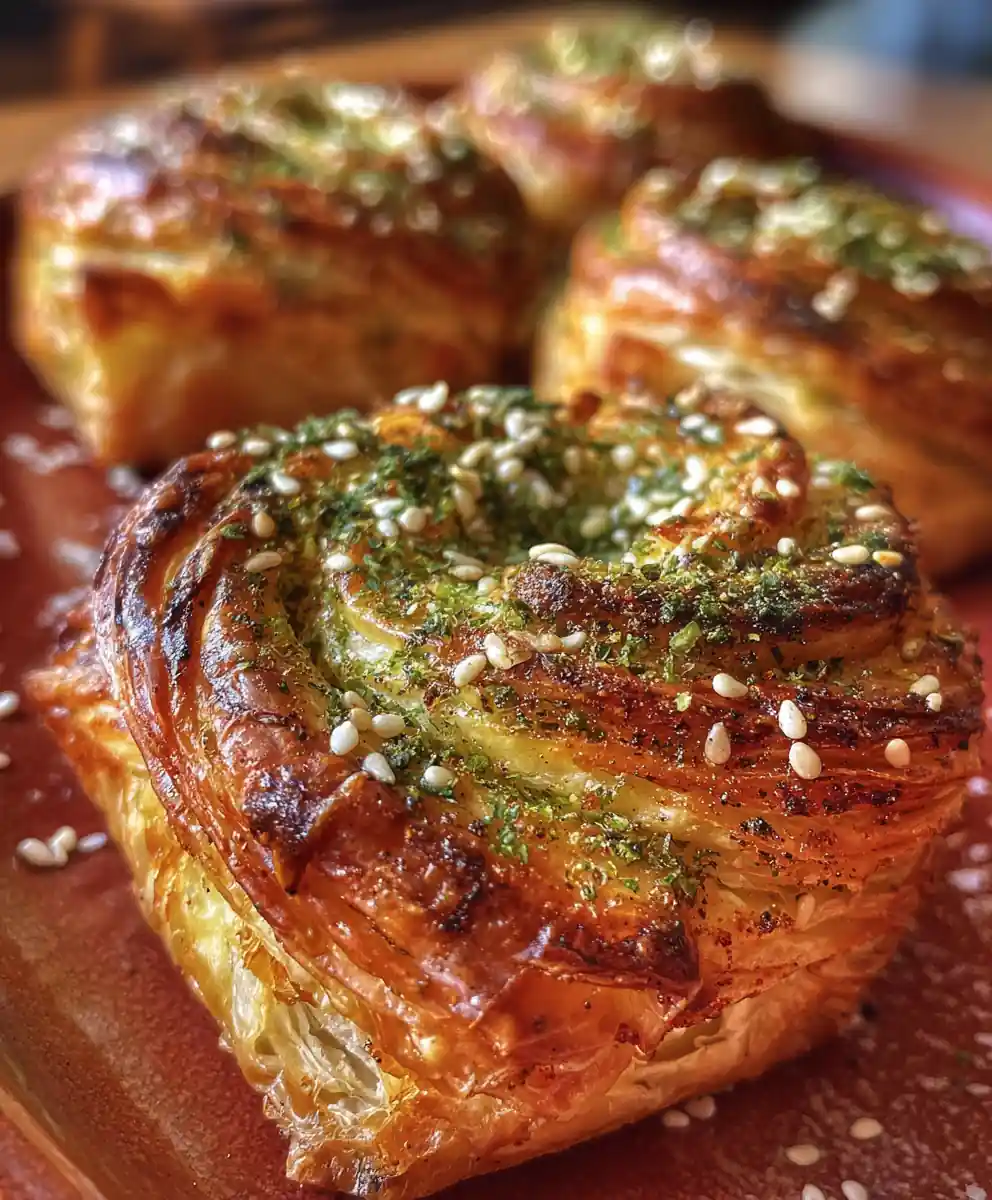
Expert Tips, Flavor Boosts, and Adaptations
Enhance your rough puff pastry creations with these simple tricks for better texture, flavor, and presentation.
- Texture & Presentation: Apply an egg wash for a beautiful golden sheen, and score patterns on top for visual appeal before baking.
- Kid-Approved: My kids always beg for tiny jam tarts when I make rough puff pastry; cutting out little shapes is a fun, easy dinner ideas activity for them.
- Guest-Ready: Create elegant appetizers like asparagus and cheese tarts or mini fruit tarts for a sophisticated touch.
- Allergy-Friendly: For a dairy-free rough puff pastry, use a high-quality plant-based butter alternative that’s firm when cold.
Common Questions About Rough Puff Pastry Recipe
Can I make rough puff pastry ahead for meal prep?
Absolutely! It’s fantastic for meal prep. You can store the unbaked dough in the fridge for up to 3 days, or wrap it well and freeze for up to 3 months. Just thaw in the fridge overnight and roll when you’re ready to use it.
What’s the healthiest way to prepare rough puff pastry?
For a healthier option, opt for organic, grass-fed butter and use 1/2 cup (60g) whole wheat pastry flour for some of the blend. Filling your pastry with plenty of vegetables or lean proteins helps balance the meal, contributing to healthy weeknight meals.
Which kind of butter is best for this rough puff pastry recipe?
High-quality, unsalted butter with a higher fat content, like European-style butter, will yield the flakiest, most flavorful results. Always ensure it’s very cold when you start; I always make sure my dough is very cold before rolling for the best flakiness!
Can I use a food processor for rough puff pastry?
While some methods use a food processor for combining butter and flour, a gentle hand method (cubing and flattening the butter) is often preferred. This prevents overworking the dough and ensures distinct butter pieces, which are crucial for flaky layers.
How do I prevent my rough puff pastry from shrinking?
Shrinking often happens if the dough isn’t rested enough. Ensure you chill the dough thoroughly between each set of turns and especially after its final shaping. This allows the gluten to relax, preventing it from pulling back during baking.
What’s the difference between rough puff pastry and classic puff pastry?
Rough puff pastry is quicker and simpler, involving less precise layering of butter. Classic puff pastry requires more precise folds and a solid block of butter encased in dough, leading to more uniform layers. However, this easy rough puff pastry recipe still delivers incredibly flaky results with less fuss!
Conclusion
You now have the secret to making incredibly flaky, versatile rough puff pastry right in your own kitchen. This easy rough puff pastry recipe will elevate all your sweet and savory baking, making you feel like a pro and supporting quick meals for the family. Save this page to your favorites and share your delicious creations with us!
Print
rough puff pastry recipe
- Total Time: 165 minutes
- Yield: approx. 740 g dough
- Diet: General
Description
This rough puff pastry recipe simplifies homemade baking, offering a delicate crunch and buttery aroma. It’s a straightforward, family-tested method perfect for busy home cooks looking to elevate everyday meals with ease.
Ingredients
- 300 g (2.5 cups) all-purpose flour
- 5 g (1 teaspoon) fine sea salt
- 10 g (2 teaspoons) sweet smoked paprika
- 5 g (1 teaspoon) ground sumac
- 250 g (1.125 cups) unsalted butter, very cold, cut into 0.5-inch cubes
- 150 ml (0.67 cup) ice water, plus more if needed
- 15 g (1 tablespoon) za’atar spice blend
- 5 g (1 teaspoon) white sesame seeds
Instructions
- Combine Dry Ingredients: In a large mixing bowl, whisk together the all-purpose flour, fine sea salt, sweet smoked paprika, and ground sumac until evenly combined.
- Incorporate Cold Butter: Add the very cold, cubed unsalted butter to the flour mixture. Using your fingertips or a pastry blender, quickly work the butter into the flour until pieces are flattened and roughly pea-sized, with some larger chunks visible. The mixture should still feel cold and crumbly.
- Add Ice Water: Gradually add 150 ml (0.67 cup) ice water, a few tablespoons at a time, mixing lightly with a fork or your hands until the dough just comes together into a shaggy mass. It should appear barely cohesive, not wet.
- Form and Chill Dough: Gather the dough into a rough ball, flatten it slightly into a rectangle, wrap tightly in plastic film, and chill in the refrigerator for at least 30 minutes.
- Laminate Dough (Perform Turns): Lightly flour a clean work surface. Unwrap the chilled dough and roll it into a rectangle approximately 20×45 cm (8×18 inches). Fold one-third of the dough from one short end towards the center, then fold the opposite third over the top (like folding a letter). Gently press down the edges to seal them. Rotate the dough 90 degrees so the open seam is on your right. Roll it out again into a 20×45 cm (8×18 inch) rectangle. Repeat the letter fold. Wrap the dough again and chill for 30 minutes. Repeat this rolling, folding, and rotating process two more times, chilling for 30 minutes after each set of two turns, for a total of four turns. (If the butter starts to soften and leak, immediately wrap and chill the dough for 15-20 minutes before continuing.)
Notes
For a gluten-free option, use a 1:1 gluten-free baking flour blend. Consider half butter/half shortening or plant-based butter for different textures. Add a hint of sugar for sweet applications or dried thyme for savory treats. Always use high-quality, very cold unsalted butter for best lamination. The dough should always feel cool and firm; visible chunks of butter are desired for flaky layers. If butter softens, chill immediately for 15-20 minutes. If dough is tough, roll gently and rest (chill) for 10-15 minutes. Ensure neat, even folds for uniform layers.
- Prep Time: 165 minutes
- Cook Time: 0 minutes
- Category: Dough
- Method: Mixing, Folding, Chilling
- Cuisine: General
Nutrition
- Serving Size: 100 g dough
- Calories: 390 calories
- Sugar: 0 g
- Sodium: 270 mg
- Fat: 27 g
- Saturated Fat: 17 g
- Unsaturated Fat: 10 g
- Trans Fat: 0 g
- Carbohydrates: 31 g
- Fiber: 1 g
- Protein: 4 g
- Cholesterol: 72 mg
Keywords: rough puff pastry, flaky pastry, homemade baking, easy dough, savory pastry, spiced pastry, butter, lamination
FREE PRINTABLE RECIPE
Get the Printable Recipe PDF (Free)
Enter your email and we’ll send you the ingredients + step-by-step instructions as a clean PDF you can save to your phone.
- ✅ Printable PDF (ingredients + steps)
- ✅ Save it to your phone (no long scrolling)
- ✅ Includes cook time + servings
- ✅ Easy to follow
FAQ
Where’s the full recipe?
It’s delivered as a printable PDF so you can save it and cook without scrolling.
I didn’t get the email.
Check Spam/Promotions and search your inbox for your site name. Then click Confirm to receive the PDF.