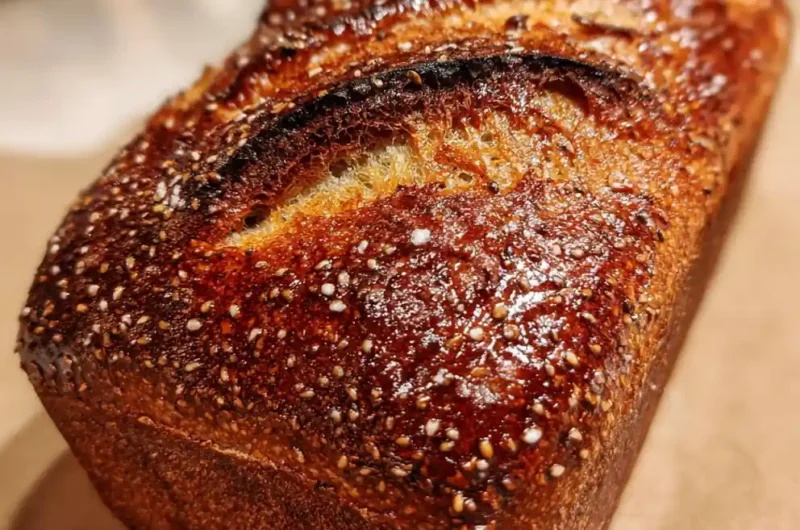
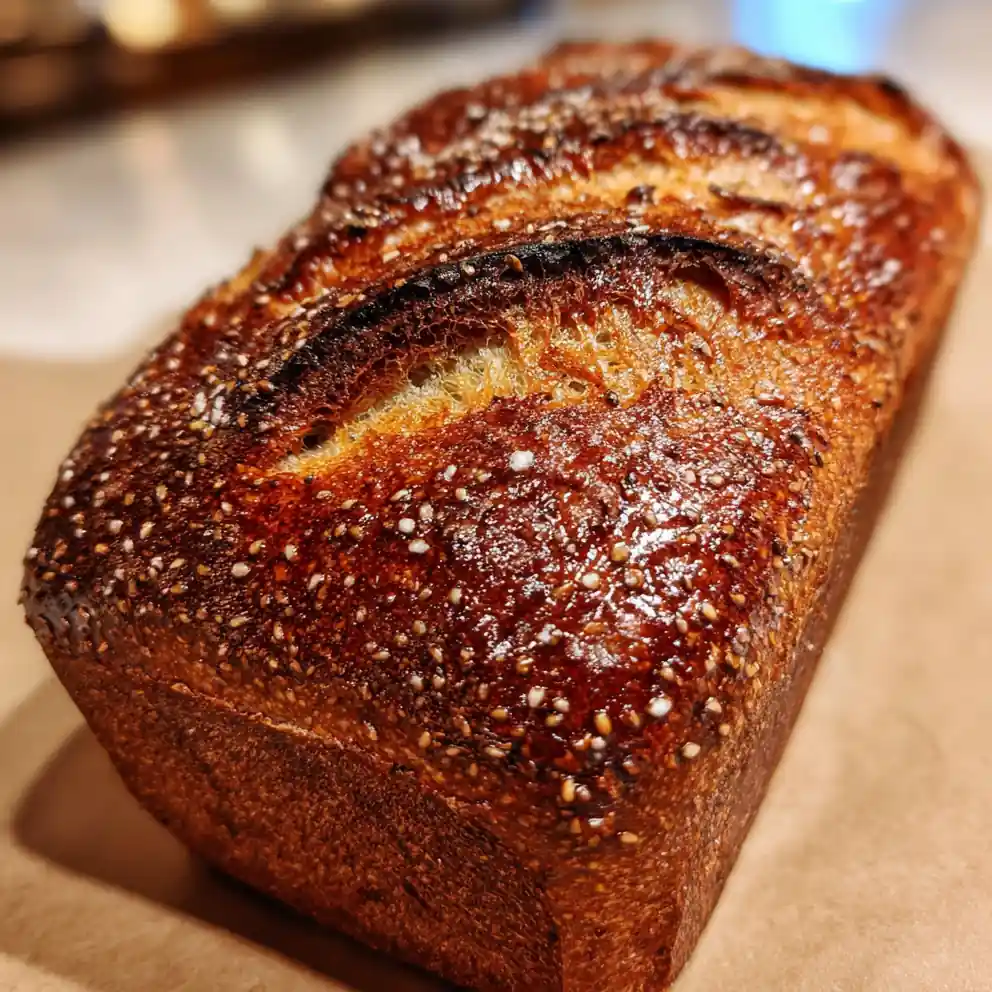
I truly believe there’s nothing more comforting than baking a fresh loaf of bread at home. This sourdough rye bread recipe Caraway-Crusted With Molasses Glaze fills my kitchen with an incredible aroma and promises a profoundly flavorful, satisfying result with its chewy texture and sweet glaze. It’s perfect for busy families seeking healthy, gut-friendly options or comfort food lovers craving that authentic bakery taste for family dinners. My kids even ask for ‘the bread with the shiny top’ now. We’ve simplified the sourdough process so anyone can achieve a beautiful, rustic loaf with confidence.
What You’ll Need (Ingredients & Why They Matter)
- Active Sourdough Starter: 100g (½ cup) – Essential for rise and tangy flavor.
- Rye Flour: 150g (1¼ cups) – Adds earthy flavor and a dense crumb. (Dark rye is my preference).
- Bread Flour: 350g (2¾ cups) – Provides structure and chewy texture for your sourdough rye bread, a cornerstone of any family-friendly meal. (All-purpose works but changes texture).
- Water: 300g (1¼ cups) – Hydrates the dough for proper development.
- Salt: 10g (2 tsp) – Enhances flavor, controls fermentation.
- Caraway Seeds: 1 Tbsp (15g) – Classic rye pairing. (Try fennel seeds for a twist).
- Molasses: 2 Tbsp (30g) – For rich glaze and deep color. (Maple syrup is a milder alternative).
- Better-for-you options: Use organic flours and locally sourced molasses for a premium ingredient choice.
- Culinary extras: Add 1 tsp orange zest for brightness, or ¼ cup chopped walnuts for texture. A sprinkle of flaky sea salt on the glaze adds contrast.
How to Make Sourdough Rye Bread Recipe Caraway-Crusted With Molasses Glaze Step by Step
- Feed Your Starter: Ensure your starter is active and bubbly, fed 4-12 hours before mixing. It should show visible activity within 4-6 hours.
- Mix the Dough: In a large bowl, combine fed starter, water, rye flour, bread flour, salt, and caraway seeds until just shaggy. Cover and rest for 30 minutes (autolyse) – the dough will hydrate and become pliable.
- Fold and Ferment (Bulk Fermentation): Perform 3-4 sets of stretch and folds over 2-3 hours. The dough should feel airy and show a significant volume increase, showing the fermentation process essential for this healthy sourdough rye bread. I typically do this right in my mixing bowl for convenience.
- Shape the Loaf: Gently pre-shape into a round, rest 20 minutes, then final shape into a tight boule or batard to build tension.
- Cold Proof: Place shaped dough in a floured banneton or bowl, cover, and refrigerate for 12-24 hours. This deepens flavor and eases handling.
- Preheat Oven & Dutch Oven: Preheat oven to 450°F (232°C) with a Dutch oven inside for at least 30 minutes. It needs to be piping hot for optimal oven spring.
- Bake the Bread: Carefully transfer cold dough to the hot Dutch oven, score, cover, and bake 30 minutes. Remove lid, bake another 15-20 minutes until deeply golden. If your loaf appears pale, bake uncovered for an extra 5-7 minutes to achieve that perfect crust on your sourdough rye bread.
- Prepare Molasses Glaze: Whisk 2 Tbsp molasses with 1 Tbsp water while the bread finishes baking.
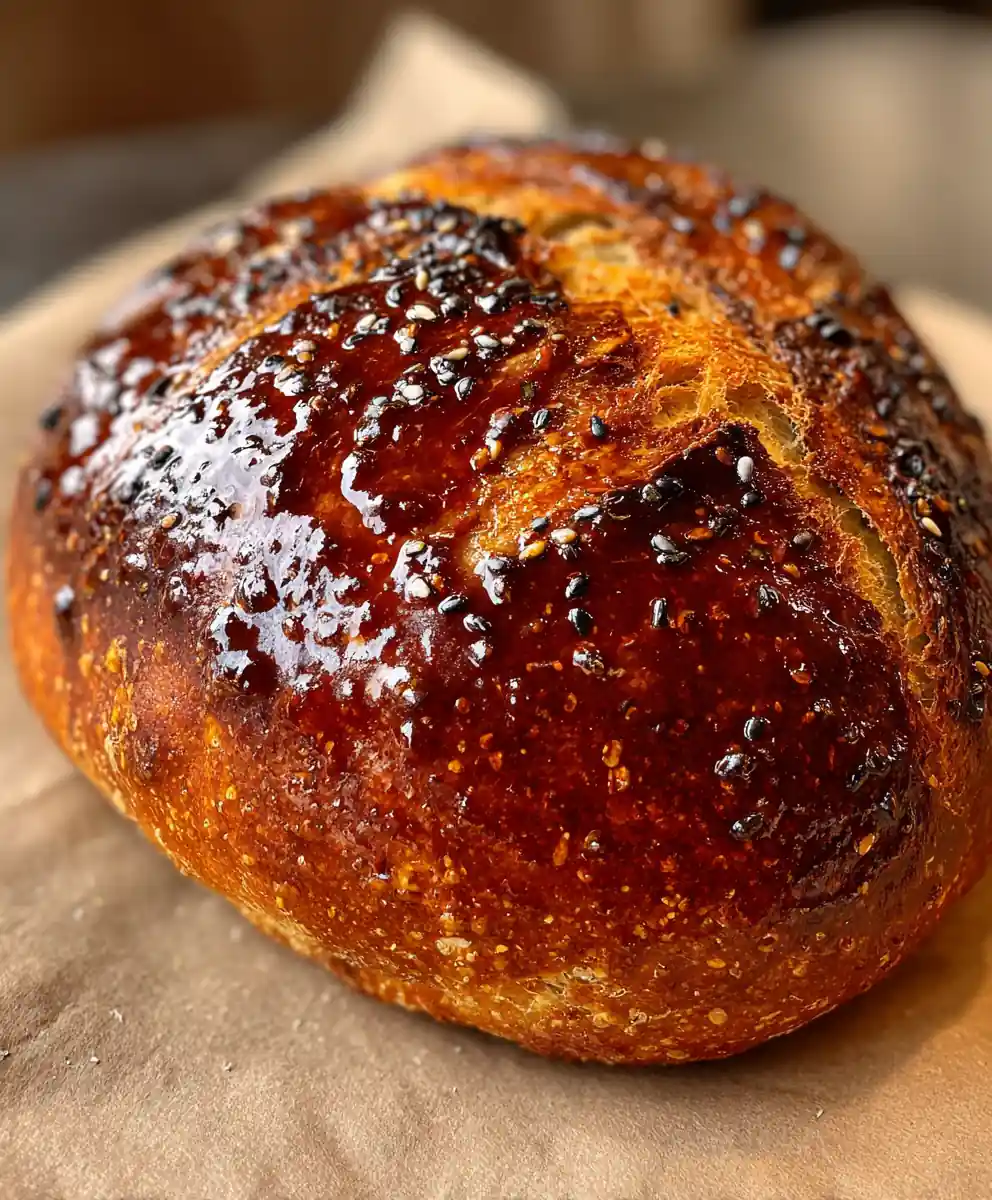
- Glaze and Cool: Remove bread, brush generously with the molasses glaze, return to oven for 5-10 minutes to set, creating a shiny, caramelized finish. Cool completely on a wire rack for best texture and to prevent gumminess.
Troubleshooting: If your dough isn’t rising, check starter activity and kitchen temperature (aim for 70-75°F). For a crisper crust on this sourdough rye bread recipe Caraway-Crusted With Molasses Glaze, use a preheated Dutch oven for steam.
Best Ways to Enjoy It
- Everyday uses: This sourdough rye bread makes a fantastic base for hearty sandwiches, perfect for school or work lunches. Enjoy it toasted with butter and jam for a simple breakfast, or transform it into flavorful croutons for your favorite salads, especially when you use a large sheet pan to toast them evenly. It’s truly a versatile option for easy dinner ideas.
- Special occasions: Elevate your next gathering by serving this distinctive loaf as part of a charcuterie board. It also stands out as a comforting addition to a holiday meal or a weekend brunch spread.
- Pairings: The robust flavor pairs wonderfully with sharp cheeses like aged cheddar or Swiss. Try it alongside a rich, warming soup or a savory stew.
Nutrition & Everyday Wellness with Sourdough Rye Bread Recipe Caraway-Crusted With Molasses Glaze
This sourdough rye bread recipe offers wonderful nutritional benefits, making it a great addition to healthy recipes for dinner.
- Good source of fiber: Rye flour naturally contributes to a feeling of fullness, supporting digestive health and overall wellness.
- Fermented benefits: The sourdough process aids in breaking down grains, which can improve nutrient absorption and make the bread easier to digest, contributing to gut health.
- Sustained energy: Providing complex carbohydrates, this bread offers lasting energy, perfect for keeping you full through busy mornings. It can be part of high-protein meals when paired with lean protein sources.
- Wholesome ingredients: Crafted with natural flours and minimal processing, it’s a nourishing choice for family meal prep ideas.
How This Recipe Solves Common Needs
This sourdough rye bread recipe meets many reader goals, offering a delicious homemade alternative that’s more budget-friendly than store-bought artisanal loaves.
- Homemade goodness: Enjoy knowing exactly what goes into your family’s bread, free from artificial additives, ensuring truly wholesome food.
- Time-saving potential: While it requires patience for fermentation, much of the process is hands-off. The overnight proofing fits perfectly into busy schedules, making it a clever component for meal prep recipes.
- Versatile and satisfying: A single, robust loaf provides many meals, from hearty sandwiches to morning toast, ensuring both value and variety for your family’s table.
Expert Pointers and Smart Variations
- Cooking tricks: I always recommend an autolyse, mixing just flour and water for 30-60 minutes before adding starter and salt. This helps develop dough strength. Cold proofing your sourdough rye bread significantly deepens its flavor and improves crust, a premium ingredient technique.
- Family/kid preferences: For a milder taste, reduce caraway seeds. You can also incorporate grated cheese or shape smaller rolls. My kids sometimes prefer the rolls!
- Allergy-friendly tweaks: For a gluten-free option, you’d need a specific gluten-free sourdough rye bread recipe. If seeds aren’t for you, omit the caraway seeds from this sourdough rye bread recipe Caraway-Crusted With Molasses Glaze.
Common Questions About Sourdough Rye Bread Recipe Caraway-Crusted With Molasses Glaze
Q: Can I freeze sourdough rye bread for later?
Yes! Once completely cooled, slice your sourdough rye bread and freeze it in an airtight container or bag for up to 3 months. To enjoy, thaw slices at room temperature or toast directly from frozen for a quick meal.
Q: What’s the healthiest way to make sourdough rye bread?
Using whole grain rye flour and opting for minimal added sugar in the molasses glaze can make this bread even healthier. The natural fermentation process already significantly improves its digestibility and nutrient availability, contributing to healthy eating.
Q: Which ingredients are best for meal prepping sourdough rye bread?
For the best foundation, opt for high-quality, organic rye and bread flours. The caraway seeds provide that classic aromatic touch, and the molasses is crucial for the distinctive glaze of this sourdough rye bread recipe.
Q: How long does sourdough rye bread last?
Stored at room temperature in a breathable bread box or a paper bag, your homemade sourdough rye bread will stay delightfully fresh for 3-4 days. Avoid airtight plastic at room temperature, which can soften the crust.
Q: Can I make this sourdough rye bread without a starter?
No, an active sourdough starter is absolutely essential for the characteristic tangy flavor and robust rise of this specific sourdough rye bread recipe. For a yeast-leavened rye bread, you would need a different approach.
Q: What’s the best flour mix for sourdough rye bread?
A blend of dark rye flour and strong bread flour, usually with rye making up 30-50% of the total, offers an ideal balance. This ratio ensures a good rise, flavor, and chewy texture for this type of bread.
Q: How do I get a perfect crust on my sourdough rye bread?
Baking this sourdough rye bread in a preheated Dutch oven creates the necessary steam for a fantastic, crackly crust. I find brushing on the molasses glaze towards the end and returning it to the oven for a few minutes also helps achieve a beautiful caramelized finish.
Conclusion
This sourdough rye bread, caraway-crusted with a molasses glaze, is a rewarding baking project that yields incredible flavor and wholesome goodness. I truly love the chewy texture and the satisfying aroma of this homemade loaf, which makes for easy, healthy eating. Don’t wait—pin this delicious recipe now and taste the difference for yourself!
Print
sourdough rye bread recipe Caraway-Crusted With Molasses Glaze
- Total Time: 1350 minutes
- Yield: 1 loaf (about 12 servings) 1x
- Diet: General
Description
A comforting sourdough rye bread with a chewy texture, enhanced by caraway seeds and a sweet molasses glaze, offering a healthy, gut-friendly option for family meals. This simplified recipe guides you to achieve a beautiful, rustic loaf with an authentic bakery taste.
Ingredients
- 100 g active sourdough starter
- 150 g rye flour
- 350 g bread flour
- 300 g water
- 10 g salt
- 1 Tbsp caraway seeds
- 2 Tbsp molasses (for glaze)
Instructions
- Feed Your Starter: Ensure your starter is active and bubbly, fed 4-12 hours before mixing, showing visible activity within 4-6 hours.
- Mix the Dough: In a large bowl, combine fed starter, water, rye flour, bread flour, salt, and caraway seeds until just shaggy. Cover and rest for 30 minutes (autolyse) for dough hydration.
- Fold and Ferment (Bulk Fermentation): Perform 3-4 sets of stretch and folds over 2-3 hours in your mixing bowl. The dough should feel airy and show a significant volume increase, indicating proper fermentation.
- Shape the Loaf: Gently pre-shape the dough into a round, rest for 20 minutes, then final shape into a tight boule or batard to build tension.
- Cold Proof: Place shaped dough in a floured banneton or bowl, cover, and refrigerate for 12-24 hours to deepen flavor and ease handling.
- Preheat Oven & Dutch Oven: Preheat oven to 450°F (232°C) with a Dutch oven inside for at least 30 minutes for optimal oven spring.
- Bake the Bread: Carefully transfer cold dough to the hot Dutch oven, score, cover, and bake for 30 minutes. Remove lid, then bake another 15-20 minutes until deeply golden.
- Prepare Molasses Glaze: Whisk 2 Tbsp molasses with 1 Tbsp water while the bread finishes baking.
- Glaze and Cool: Remove bread from oven, brush generously with the molasses glaze, then return to oven for 5-10 minutes to set, creating a shiny, caramelized finish. Cool completely on a wire rack for best texture and to prevent gumminess.
Notes
For rising issues, check starter activity and kitchen temperature (aim for 70-75°F). For a crisper crust, use a preheated Dutch oven for steam. If the loaf is pale, bake uncovered for an extra 5-7 minutes. Consider organic flours, local molasses, or optional additions like 1 tsp orange zest, 0.25 cup chopped walnuts, or a sprinkle of flaky sea salt on the glaze. Cool bread completely to prevent gumminess.
- Prep Time: 45 minutes
- Cook Time: 60 minutes
- Category: Bread
- Method: Baking
- Cuisine: American
Nutrition
- Serving Size: 1 slice (75 g)
- Calories: 220 calories
- Sugar: 8 g
- Sodium: 70 mg
- Fat: 3 g
- Saturated Fat: 0.5 g
- Unsaturated Fat: 2 g
- Trans Fat: 0 g
- Carbohydrates: 45 g
- Fiber: 4 g
- Protein: 7 g
- Cholesterol: 0 mg
Keywords: sourdough, rye bread, caraway, molasses glaze, homemade bread, gut-friendly, rustic loaf, baking, comfort food, family-friendly
FREE PRINTABLE RECIPE
Get the Printable Recipe PDF (Free)
Enter your email and we’ll send you the ingredients + step-by-step instructions as a clean PDF you can save to your phone.
- ✅ Printable PDF (ingredients + steps)
- ✅ Save it to your phone (no long scrolling)
- ✅ Includes cook time + servings
- ✅ Easy to follow
FAQ
Where’s the full recipe?
It’s delivered as a printable PDF so you can save it and cook without scrolling.
I didn’t get the email.
Check Spam/Promotions and search your inbox for your site name. Then click Confirm to receive the PDF.