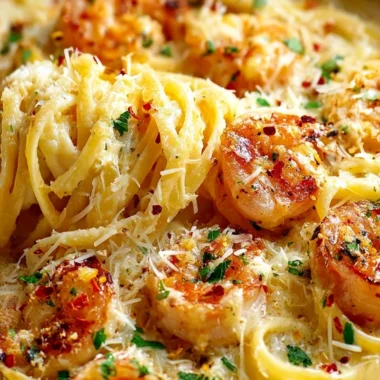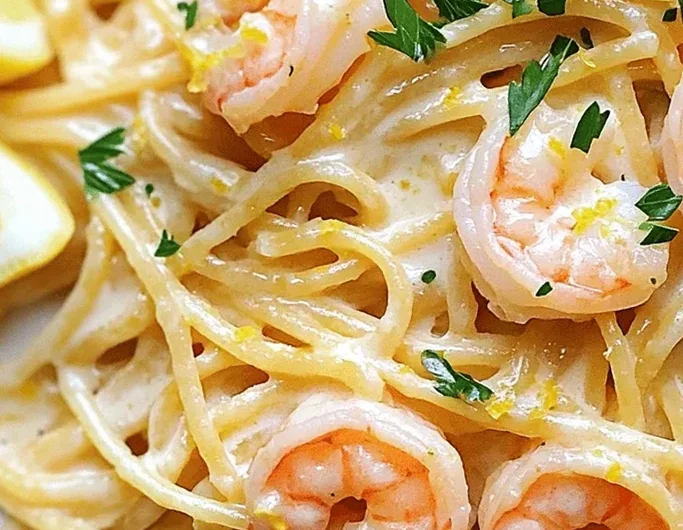
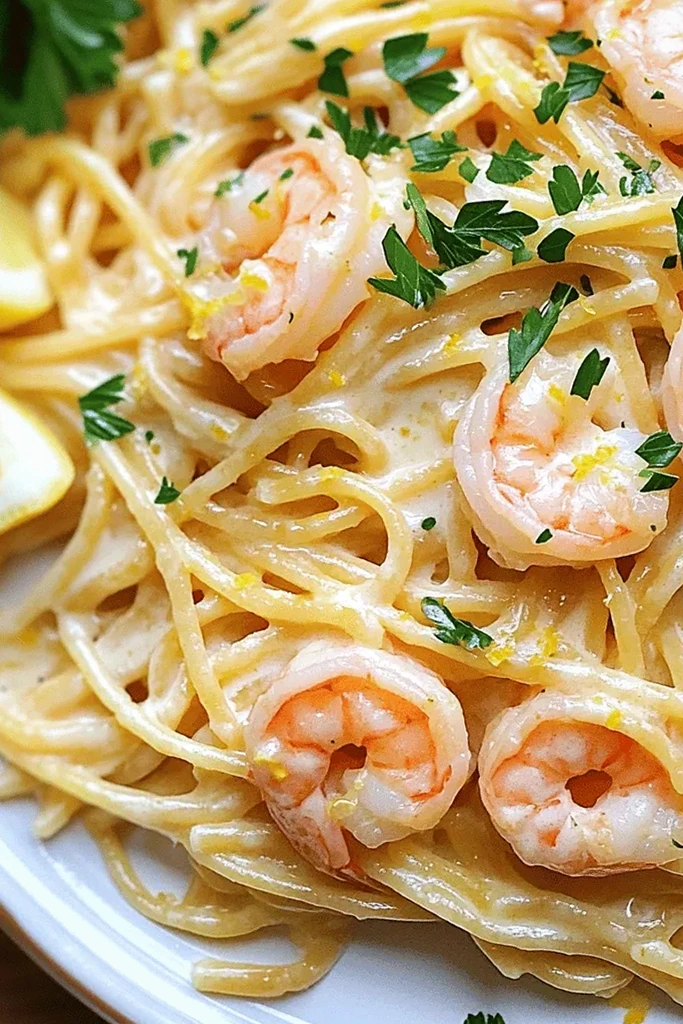
This fast-acting seafood pasta combines succulent shrimp with a bright lemon and garlic butter sauce. It is a high-impact meal that can be prepared in just 30 minutes.
List of ingredients
- 1 lb large shrimp, peeled and deveined – ensure they are patted dry for better searing.
- 8 oz linguine or spaghetti – use a high-quality durum wheat pasta.
- 4 tablespoons unsalted butter – divided into two equal portions.
- 3 tablespoons olive oil – divided into two portions.
- 4 cloves garlic, minced – fresh garlic provides the best aromatic profile.
- 1 teaspoon red pepper flakes – adjust the amount to control the heat level.
- 1 lemon, zested and juiced – use a fresh lemon for maximum acidity.
- 0.5 cup chicken broth – provides a savory base for the sauce.
- 0.25 cup fresh parsley, chopped – added at the end for color and freshness.
- Salt and pepper – used to season the shrimp and pasta water.
step-by-step instructions
- Cook the Pasta: Bring a large pot of salted water to a boil. Add the linguine or spaghetti and cook according to the package directions until al dente. Reserve 1 cup of the starchy pasta water before draining the noodles and setting them aside.
- Sear the Shrimp: Heat 2 tablespoons of olive oil and 2 tablespoons of butter in a large skillet over medium-high heat. Place the shrimp in a single layer and season them with salt and pepper. Cook for 2-3 minutes per side until they are pink and opaque, then remove them from the pan and set them aside.
- Sauté Aromatics: Reduce the skillet heat to medium and add the remaining olive oil and butter. Stir in the minced garlic and red pepper flakes, cooking for about 30 seconds until the garlic is fragrant but not browned.
- Simmer the Sauce: Pour the chicken broth, lemon juice, and lemon zest into the skillet. Allow the mixture to simmer for 2-3 minutes so the liquid reduces slightly and the flavors concentrate.
- Combine Ingredients: Return the cooked pasta and seared shrimp to the skillet. Toss everything together, adding the reserved pasta water a small amount at a time until the sauce reaches a glossy, coating consistency. Adjust the final seasoning with salt and pepper.
- Add Fresh Herbs: Remove the pan from the heat and stir in the chopped fresh parsley.
- Final Presentation: Serve the dish immediately. Garnish with additional fresh parsley and lemon wedges for extra brightness.
Professional Cooking Advice
Prevent Rubbery Shrimp by Avoiding Overcooking
Shrimp cook very quickly due to their small size and high protein density. Overcooking them causes the muscle fibers to tighten, resulting in a rubbery texture. Remove the shrimp from the pan as soon as they curl into a ‘C’ shape and turn opaque.
Use High Heat for a Better Sear
A hot pan is essential for achieving a golden-brown crust on the shrimp. Searing at medium-high heat triggers the Maillard reaction, which adds deep flavor to the protein. If the pan is too cool, the shrimp will steam in their own juices rather than sear.
Avoid Crowding the Pan for Even Cooking
Adding too many shrimp to the skillet at once lowers the surface temperature of the pan. This leads to the release of moisture and prevents a proper sear. Cook the shrimp in batches if your skillet is not large enough to hold them in a single layer.
Check for a Mild Ocean Scent to Ensure Freshness
Fresh shrimp should smell like the sea or be virtually odorless. Avoid any shrimp that has a strong ammonia or fishy smell, as this indicates spoilage. When buying frozen shrimp, ensure they are thawed completely in the refrigerator before cooking.
Ingredient Alternatives and Substitutions
Use Spaghetti Instead of Linguine
If linguine is unavailable, spaghetti is a perfect direct substitute. Both are long, thin noodles that hold the garlic butter sauce effectively. You can also use fettuccine for a wider surface area to capture more sauce.
Replace Chicken Broth with Vegetable Broth
Vegetable broth is an excellent alternative for those who prefer a lighter flavor profile. It maintains the savory depth of the sauce without changing the overall chemistry of the dish. Ensure the vegetable broth is low-sodium to maintain control over the seasoning.
Use Dried Parsley if Fresh is Unavailable
Dried parsley can be used, but it lacks the bright, peppery note of fresh leaves. Use approximately one-third of the amount of dried parsley compared to the fresh version. Stir it in during the simmering stage rather than at the end for better integration.
Opt for Gluten-Free Pasta Alternatives
Brown rice pasta or corn-based pasta can replace traditional wheat noodles for gluten-free diets. Note that gluten-free pastas often release more starch or break down faster. Cook them slightly under the package directions to prevent them from becoming mushy when tossed in the sauce.
Use Zucchini Noodles for Low-Carb Meals
Spiralized zucchini provides a nutrient-dense, low-calorie alternative to grain-based pasta. Sauté the zucchini noodles separately for 1-2 minutes before adding them to the sauce. Do not overcook them, or they will release too much water and dilute the sauce.
Flavor Variations to Try
Add Fresh Spinach for Nutrition
Adding two cups of fresh baby spinach during the final tossing stage adds color and vitamins. The residual heat from the pasta and sauce will wilt the spinach in about 30 seconds. This adds a mild earthiness that balances the acidity of the lemon.
Incorporate Cherry Tomatoes for Sweetness
Halve a handful of cherry tomatoes and sauté them after the garlic but before the broth. The tomatoes will burst and release a natural sweetness that complements the salty butter sauce. This variation adds a visually appealing pop of red to the plate.
Add Capers for a Briny Taste
Adding one tablespoon of drained capers provides a salty, vinegary punch to the dish. This mimics a piccata-style flavor profile. If using capers, reduce the added salt in the recipe to account for the saltiness of the brined buds.
Add Sautéed Mushrooms for Earthiness
Sauté sliced cremini or button mushrooms in the butter before adding the shrimp. Mushrooms add a savory, umami depth that pairs well with the garlic and lemon. Ensure the mushrooms are browned well to avoid a soggy texture.
Use Different Fresh Herbs
While parsley is traditional, fresh basil or thyme can offer a different aromatic experience. Basil adds a sweet, peppery flavor, while thyme provides a woodsy note. Add these herbs at the very end to preserve their volatile oils.
Serving and Plating Suggestions
Pair with Garlic Bread for Sauce Soaking
Toasted baguette slices rubbed with garlic and butter are the ideal accompaniment. The bread is useful for soaking up the remaining lemon-garlic sauce from the plate. This ensures that none of the flavorful liquid goes to waste.
Serve with a Lemon Vinaigrette Side Salad
A light salad consisting of arugula or mixed greens balances the richness of the butter sauce. A simple dressing of olive oil, lemon juice, and salt mirrors the flavors in the pasta. This contrast prevents the meal from feeling too heavy.
Pair with Steamed Asparagus
Steamed or roasted asparagus spears provide a crisp texture and a slightly bitter taste. This bitterness cuts through the richness of the butter and oil. Place the spears alongside the pasta for a complete, balanced meal.
Plating for Restaurant Quality
Use large, white plates to make the vibrant colors of the shrimp and parsley stand out. Use tongs to twirl the pasta into a high mound in the center of the plate. Arrange the shrimp neatly on top and drizzle any extra sauce from the pan over the peak.
Storage and Reheating Guide
Store Leftovers in Airtight Containers
Place leftover shrimp scampi in a sealed container and refrigerate immediately. Keep the pasta and shrimp together to ensure the flavors continue to meld. The dish will stay fresh in the refrigerator for up to two days.
Reheat Gently to Avoid Overcooking Shrimp
Avoid using a microwave on high heat, as this will make the shrimp rubbery. Instead, reheat the pasta in a skillet over low heat with a splash of water or broth. This re-emulsifies the sauce and warms the shrimp gently.
Manage Sauce Separation During Storage
It is normal for the butter sauce to solidify or separate when chilled. Adding a teaspoon of water or butter during the reheating process helps restore the original creamy consistency. Stir constantly while heating to ensure even distribution.
Troubleshooting Common Issues
Fixing a Sauce That is Too Thin
If the sauce remains watery, add a small amount of the reserved pasta water. The starch in the water acts as a thickener and helps the sauce cling to the noodles. Alternatively, simmer the sauce for another minute before adding the pasta.
Adjusting Sauce That is Too Salty
If the dish is over-salted, add a squeeze of extra lemon juice. The acidity of the lemon helps to mask and balance excessive saltiness. You can also add a pinch of sugar or more unsalted butter to mellow the flavor.
Correcting an Overly Acidic Sauce
If the lemon flavor is too dominant, stir in an extra tablespoon of unsalted butter. The fats in the butter coat the palate and neutralize the sharpness of the citric acid. This creates a smoother, more balanced taste.
Frequently Asked Questions
Can I use frozen shrimp?
Yes, you can use frozen shrimp. Make sure they are fully thawed and patted dry with paper towels before cooking. Wet shrimp will steam instead of sear, preventing the desired golden crust.
How do I know when shrimp are cooked?
Shrimp are done when they turn from translucent gray to an opaque pinkish-white color. They will also curl into a ‘C’ shape. If they curl tightly into an ‘O’ shape, they are likely overcooked.
Can I make this without butter?
You can replace the butter with more olive oil or a plant-based butter alternative. However, butter provides a specific creamy richness and flavor that is central to the scampi style. Using only oil will result in a lighter, thinner sauce.
What is the best type of lemon for this recipe?
Fresh Eureka or Lisbon lemons are ideal for their high juice content and bright acidity. Avoid bottled lemon juice, as it often contains preservatives and lacks the fresh zest required for the recipe.
Can I add Parmesan cheese?
While not in the original recipe, a sprinkle of freshly grated Parmesan adds a salty, nutty dimension. Add the cheese at the very end after removing the pan from the heat. Stir it in gently to avoid the cheese clumping.
Can I use a different type of broth?
Yes, you can use clam juice or a seafood stock for a more intense ocean flavor. These options enhance the shrimp’s natural taste. If using clam juice, be mindful of the salt content and adjust your seasoning accordingly.
Print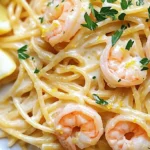
Gordon Ramsay’s Zesty Shrimp Scampi Pasta
- Total Time: 30 minutes
- Yield: 4 servings 1x
- Diet: General
Description
A delicious shrimp scampi recipe featuring linguine, garlic, and a zesty lemon sauce.
Ingredients
- 1 lb large shrimp, peeled and deveined
- 8 oz linguine or spaghetti
- 4 tablespoons unsalted butter
- 3 tablespoons olive oil
- 4 cloves garlic, minced
- 1 teaspoon red pepper flakes
- 1 lemon, zested and juiced
- 0.5 cup chicken broth
- 0.25 cup fresh parsley, chopped
- salt and pepper to taste
Instructions
- Step 1: In a large pot, bring salted water to a boil. Add the linguine or spaghetti and cook according to package directions until al dente. Reserve 1 cup of the pasta water, then drain the rest and set the pasta aside.
- Step 2: In a large skillet over medium-high heat, add 2 tablespoons of olive oil and 2 tablespoons of butter. Once hot, add the shrimp in a single layer. Season with salt and pepper. Cook for about 2-3 minutes per side until the shrimp is pink and opaque. Remove from skillet and set aside.
- Step 3: In the same skillet, reduce heat to medium, add the remaining olive oil and butter. Stir in minced garlic and red pepper flakes, sautéing for about 30 seconds until fragrant.
- Step 4: Pour in the chicken broth, lemon juice, and zest. Let the sauce simmer for about 2-3 minutes, allowing it to reduce slightly.
- Step 5: Add the drained pasta and cooked shrimp to the skillet. Toss to combine, adding reserved pasta water a little at a time until desired sauce consistency is reached. Adjust seasoning with salt and pepper as needed.
- Step 6: Remove from heat and stir in the chopped parsley.
- Step 7: Serve immediately, garnished with additional parsley and lemon wedges if desired.
Notes
Adjust red pepper flakes to taste for spiciness.
- Prep Time: 10 minutes
- Cook Time: 20 minutes
- Category: Main Course
- Method: Sautéing
- Cuisine: Italian
Nutrition
- Serving Size: 1 serving
- Calories: 400 kcal
- Sugar: 5 g
- Sodium: 600 mg
- Fat: 22 g
- Saturated Fat: 8 g
- Unsaturated Fat: 14 g
- Trans Fat: 0 g
- Carbohydrates: 40 g
- Fiber: 3 g
- Protein: 30 g
- Cholesterol: 150 mg
Keywords: shrimp scampi, Gordon Ramsay, seafood pasta, Italian dinner