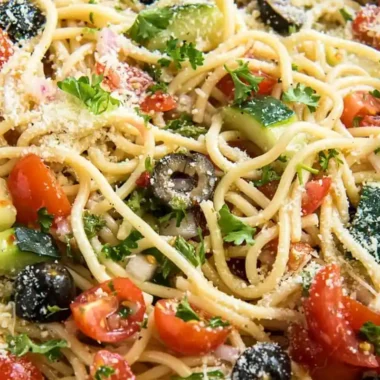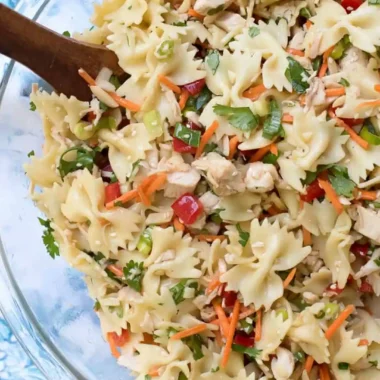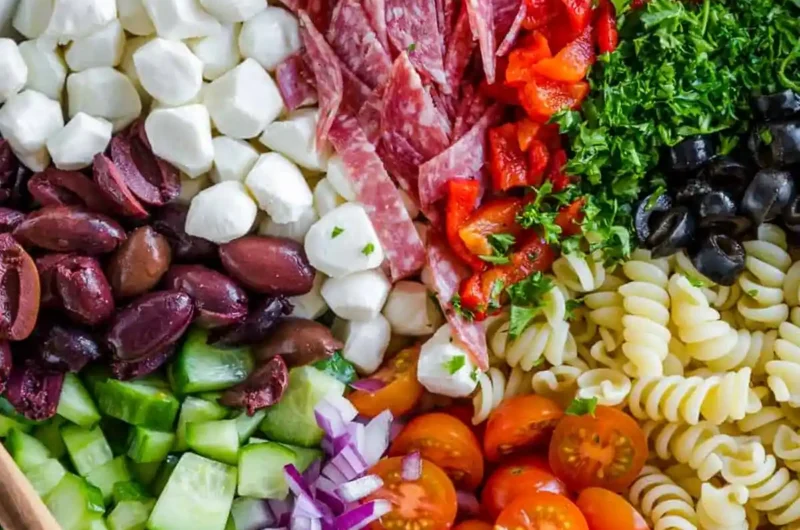
This creamy Italian pasta salad is a versatile dish perfect for gatherings, picnics, or weekly meal prep. It combines fresh vegetables, savory beef salami, and mozzarella with a zesty dressing for a satisfying and complete meal.
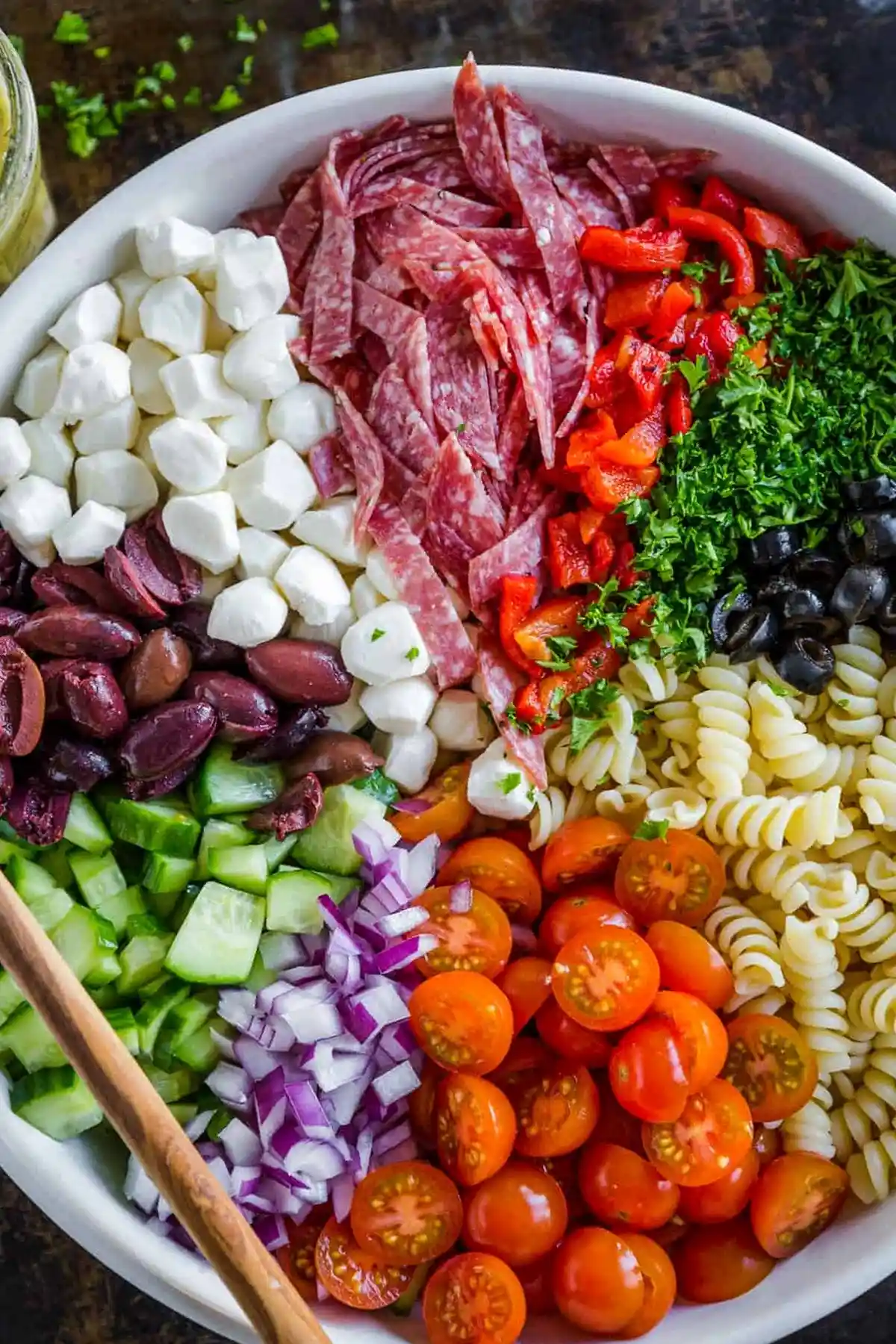
List of ingredients
- 8 oz rotini pasta – spiral shape captures the dressing effectively.
- 6 oz beef salami – sliced into thin strips for protein.
- 10 oz cherry tomatoes – halved, approximately 3 cups.
- 1/2 English cucumber – diced for a fresh, crisp texture.
- 1/2 medium red onion – finely diced for a sharp flavor balance.
- 8 oz fresh mozzarella – use pearls or halved small mozzarella balls.
- 1/2 cup black olives – pitted and sliced.
- 1/2 cup kalamata olives – pitted and halved.
- 1/2 cup roasted red peppers – drained and coarsely chopped.
- 1/3 cup parsley – finely chopped for a fresh finish.
- 1 cup Italian dressing – or adjust the quantity to your taste.
step-by-step instructions
- Boil the pasta: Cook the rotini pasta in a pot of boiling salted water according to the package directions. Ensure the pasta is cooked until al dente, meaning it remains firm to the bite.
- Prepare the components: While the pasta boils, chop and prepare the beef salami, vegetables, and mozzarella. If you are making your own Italian dressing, whisk the ingredients together now.
- Cool the pasta: Drain the pasta in a colander and immediately rinse it under cold water. This stops the cooking process and removes excess starch to prevent the noodles from sticking.
- Combine ingredients: Place the cooled pasta in a large mixing bowl and add the prepared salami, tomatoes, cucumber, onion, mozzarella, olives, roasted peppers, and parsley.
- Apply the dressing: Pour the Italian dressing over the salad and toss gently to coat. Only dress the portion you plan to eat immediately if you are storing the rest for later.
- Marinate: For the best flavor, cover the salad and let it marinate in the refrigerator for 1 to 3 hours before serving.
Optimizing Your Pasta Selection
Why Rotini is the Preferred Choice
Rotini is the ideal pasta for this recipe because its spiral shape creates grooves that trap the dressing and small pieces of herbs. This ensures that every bite is flavorful rather than the dressing simply sliding off the noodle. It also provides a satisfying chew that holds up well during marination.
Using Shell Pasta for Different Textures
If rotini is unavailable, shell pasta is an excellent alternative because the concave shape acts like a small bowl. This allows the dressing and smaller ingredients, like diced onions or olives, to settle inside the shell. It changes the mouthfeel of the salad but maintains the overall flavor profile.
Incorporating Tri-Color Pasta for Visual Appeal
Using a blend of traditional, spinach, and tomato-flavored pasta adds vibrant colors to the dish. This makes the salad more visually appealing for parties or potlucks without altering the taste of the ingredients. It is a simple way to make the dish look more professional and festive.
Achieving the Perfect Pasta Texture
Cooking Pasta to Al Dente Precision
Cooking pasta to al dente is critical for pasta salads because the noodles will continue to soften slightly as they absorb the dressing. If you overcook the pasta in the pot, it will likely become mushy once chilled. Aim for a firm center to maintain the structural integrity of the dish.
The Importance of a Cold Water Rinse
Rinsing cooked pasta under cold water is a necessary step to stop the carry-over cooking process immediately. This prevents the pasta from overcooking and removes the surface starch that causes noodles to clump together. It ensures the salad remains light and the individual pieces stay separate.
Avoiding Fats During the Boiling Process
Do not add butter or oil to the pasta water or the drained noodles for this specific recipe. The Italian dressing contains ample oil, and adding extra fats during the boiling phase can prevent the dressing from adhering to the pasta. A cold water rinse is sufficient to prevent sticking.
Preparing the Salad Ingredients
Slicing Beef Salami for Even Distribution
Cut the beef salami into thin, uniform strips rather than thick chunks. This ensures that you get a small amount of protein in every forkful, rather than having large pieces that dominate certain bites. Thin strips also blend more seamlessly with the rotini spirals.
Choosing Fresh Mozzarella Pearls
Using mozzarella pearls is a convenient way to add creamy texture without the need for extensive chopping. If you use larger mozzarella balls, cut them into quarters or halves to match the size of the cherry tomatoes. This creates a consistent bite size throughout the entire salad.
Halving Cherry Tomatoes for Better Mixing
Slicing cherry tomatoes in half prevents them from rolling around the bowl and allows their juices to mingle with the dressing. It also makes the salad easier to eat, as the pieces are more manageable. Ensure the tomatoes are firm and ripe for the best flavor.
Dicing English Cucumbers for Optimal Crunch
English cucumbers are preferred because they have thinner skins and fewer seeds than standard cucumbers. Dice them into small, uniform cubes to provide a refreshing crunch that contrasts with the softness of the pasta. This adds a necessary element of freshness to the savory dish.
Finely Chopping Red Onions to Balance Flavor
Red onion provides a sharp, pungent contrast to the creamy cheese and salty olives. Dice the onion very finely so that the flavor is distributed evenly and does not overpower the other ingredients. If you find raw onion too strong, you can soak the diced pieces in cold water for ten minutes before adding them.
Dressing Customization and Application
Creating a Homemade Italian Vinaigrette
A homemade dressing allows you to control the quality of the oil and the level of acidity. Combine high-quality extra virgin olive oil with red wine vinegar, dried oregano, garlic powder, salt, and pepper. This results in a brighter, fresher taste compared to many processed store-bought options.
Adjusting the Dressing Volume to Taste
Start by adding one cup of dressing, then toss the salad and let it sit for a few minutes. Because pasta absorbs liquid over time, you may find that you need a bit more dressing right before serving. Add the dressing gradually to avoid making the salad too watery.
Timing the Dressing Application
Adding the dressing just before serving keeps the vegetables crisp and the pasta firm. However, if you prefer a more integrated flavor, allow the salad to marinate for a few hours. This process allows the pasta to soak up the vinaigrette, intensifying the overall taste.
Ingredient Substitutions for Variety
Swapping Mozzarella for Feta Cheese
Replacing mozzarella with crumbled feta cheese transforms the salad into a more Greek-style dish. Feta adds a salty, tangy punch that pairs exceptionally well with kalamata olives and cucumbers. This is a great option for those who prefer a sharper flavor profile.
Replacing Beef Salami with Roasted Turkey
For a leaner protein option, you can substitute beef salami with thick-cut roasted turkey breast. Cut the turkey into small cubes to maintain the consistency of the salad. While it lacks the cured saltiness of salami, it provides a clean protein base that lets the vegetables shine.
Adding Diced Bell Peppers for Color
Diced red, yellow, or orange bell peppers add a sweetness and a bright pop of color to the mix. They provide an additional layer of crunch and are packed with vitamins. Bell peppers complement the roasted red peppers already in the recipe by adding a raw, crisp element.
Using Broccoli Florets for Added Nutrition
Small, blanched broccoli florets can be added to increase the nutritional value and heartiness of the salad. Ensure the broccoli is cut into very small pieces so it integrates well with the rotini. This adds a slightly earthy flavor and a denser texture to the dish.
Storage and Freshness Guidelines
Using Airtight Glass Containers
Storing the pasta salad in glass containers helps preserve the flavor and prevents the salad from absorbing odors from the refrigerator. Glass is non-reactive, ensuring that the acidity of the vinegar in the dressing does not affect the taste of the food. Ensure the lid is airtight to maintain moisture.
Managing Dressing Absorption Over Time
Pasta naturally absorbs the dressing as it sits, which can leave the salad tasting dry after a day or two. To fix this, simply stir in a tablespoon of olive oil or a splash of red wine vinegar before serving. This refreshes the coating and restores the creamy consistency.
Safe Refrigeration Timeframes
This salad typically stays fresh in the refrigerator for three to five days. To maximize shelf life, keep it chilled at or below 40 degrees Fahrenheit. If the salad contains fresh mozzarella, it is best consumed within four days to ensure the cheese remains fresh.
Serving and Presentation Ideas
Preparing a Large Party Platter
For a crowd, spread the salad across a wide, shallow platter rather than serving it in a deep bowl. This prevents the ingredients at the bottom from being crushed and allows the colorful vegetables and cheese to be visible. Garnish the top with a few extra sprigs of fresh parsley.
Serving in Individual Mason Jars
For meal prep or portable lunches, layer the ingredients in mason jars. Place the dressing at the bottom, followed by the heavier vegetables like cucumbers and olives, then the pasta and cheese on top. Shake the jar vigorously right before eating to distribute the dressing.
Pairing the Salad with Main Courses
This Italian pasta salad works well as a side dish for grilled proteins such as lemon-herb chicken or baked fish. It also pairs perfectly with a simple green salad or garlic bread. Because it is hearty, it can also serve as the main course for a light lunch.
Troubleshooting Common Pasta Salad Issues
Fixing Mushy Pasta Textures
If your pasta turns out mushy, it is usually a sign of overcooking. To prevent this in the future, start testing the pasta two minutes before the package instructions suggest. Always use the cold water rinse to stop the cooking process immediately after draining.
Resolving a Dry or Bland Salad
A dry salad occurs when the pasta absorbs too much dressing or not enough was used initially. Resolve this by whisking together a small amount of olive oil, vinegar, and salt, then folding it into the salad. A squeeze of fresh lemon juice can also brighten a bland-tasting salad.
Preventing Watery Salad from Vegetables
Watery salad is often caused by roasted red peppers or cucumbers releasing moisture. Ensure you drain the roasted red peppers thoroughly in a sieve before chopping them. For cucumbers, you can lightly salt them and let them drain for ten minutes before adding them to the bowl.
Frequently Asked Questions
Can I make this salad 24 hours in advance?
Yes, you can prepare all the chopped ingredients and the pasta a day early. Store the dressed salad in the fridge, but be prepared to add a little extra dressing before serving as the pasta will absorb some of the liquid.
What is the best oil for the dressing?
Extra virgin olive oil is the best choice for a traditional Italian taste and health benefits. It provides a rich, fruity base that complements the acidity of the vinegar and the saltiness of the salami.
Can I use dried parsley instead of fresh?
You can use dried parsley, but it has a different flavor profile and less vibrancy. Use about one-third of the amount of dried parsley compared to the fresh amount to avoid an overpowering taste.
Is it possible to add chickpeas for more protein?
Yes, adding a can of rinsed and drained chickpeas is an excellent way to increase the protein and fiber content. They fit well with the Mediterranean flavor profile of the olives and mozzarella.
Should I salt the pasta water?
Yes, you should generously salt the boiling water. Salting the water is the only opportunity to season the pasta itself, which enhances the overall flavor of the final salad.
Print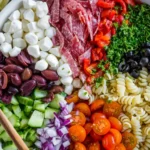
Creamy Italian Pasta Salad with Beef Salami
- Total Time: 30 minutes
- Yield: 8 servings 1x
- Diet: General
Description
Italian Pasta Salad is an easy, make-ahead recipe that is perfect for meal prep. Every bite is loaded with rotini, beef salami, fresh mozzarella, olives, and healthy vegetables, and it all comes together with a homemade creamy Italian Dressing.
Ingredients
- 8 oz rotini pasta
- 6 oz beef salami, sliced into strips
- 10 oz cherry tomatoes, halved
- 1/2 English cucumber, diced
- 1/2 medium red onion, finely diced
- 8 oz fresh mozzarella, pearls or halved mozzarella balls
- 1/2 cup black olives, pitted and sliced
- 1/2 cup kalamata olives, pitted and halved
- 1/2 cup roasted red peppers, drained and coarsely chopped
- 1/3 cup parsley, finely chopped
- 1 cup Italian dressing
Instructions
- Step: Cook rotini pasta according to package instructions in salted water just until pasta is aldente (firm to the bite).
- Step: While pasta cooks, prep remaining ingredients and make Italian Dressing.
- Step: Add dressing just to the portion fo salad you plan to eat. Enjoy right away or cover and let the salad marinate for 1-3 hours before serving.
Notes
*Or you can make your own roasted peppers
- Prep Time: 20 minutes
- Cook Time: 10 minutes
- Category: Salad, Side Dish
- Method: Mixing
- Cuisine: Italian
Nutrition
- Serving Size: 1 serving
- Calories: 386 kcal
- Sugar: 6 g
- Sodium: 1340 mg
- Fat: 23 g
- Saturated Fat: 8 g
- Unsaturated Fat: 15 g
- Trans Fat: 0 g
- Carbohydrates: 30 g
- Fiber: 2 g
- Protein: 16 g
- Cholesterol: 39 mg
Keywords: italian pasta salad, pasta salad