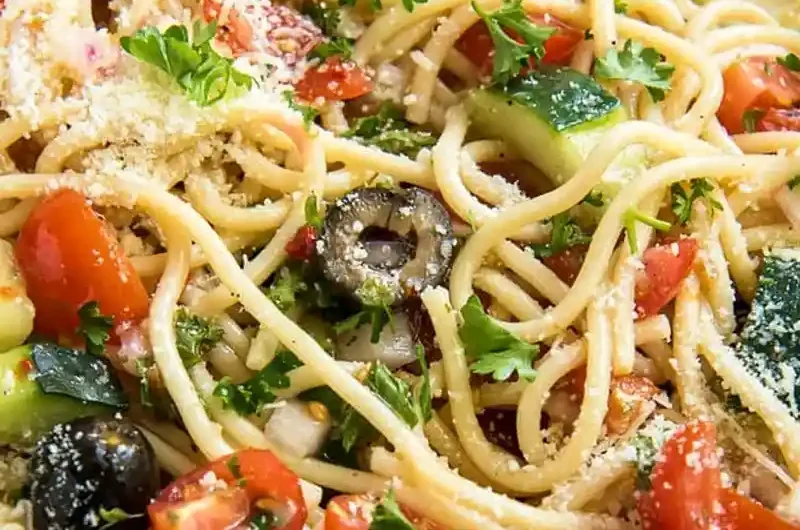
This chilled spaghetti salad blends tender pasta with crisp garden vegetables and a tangy Italian dressing. It serves as a versatile side dish for outdoor gatherings or a light, refreshing lunch.
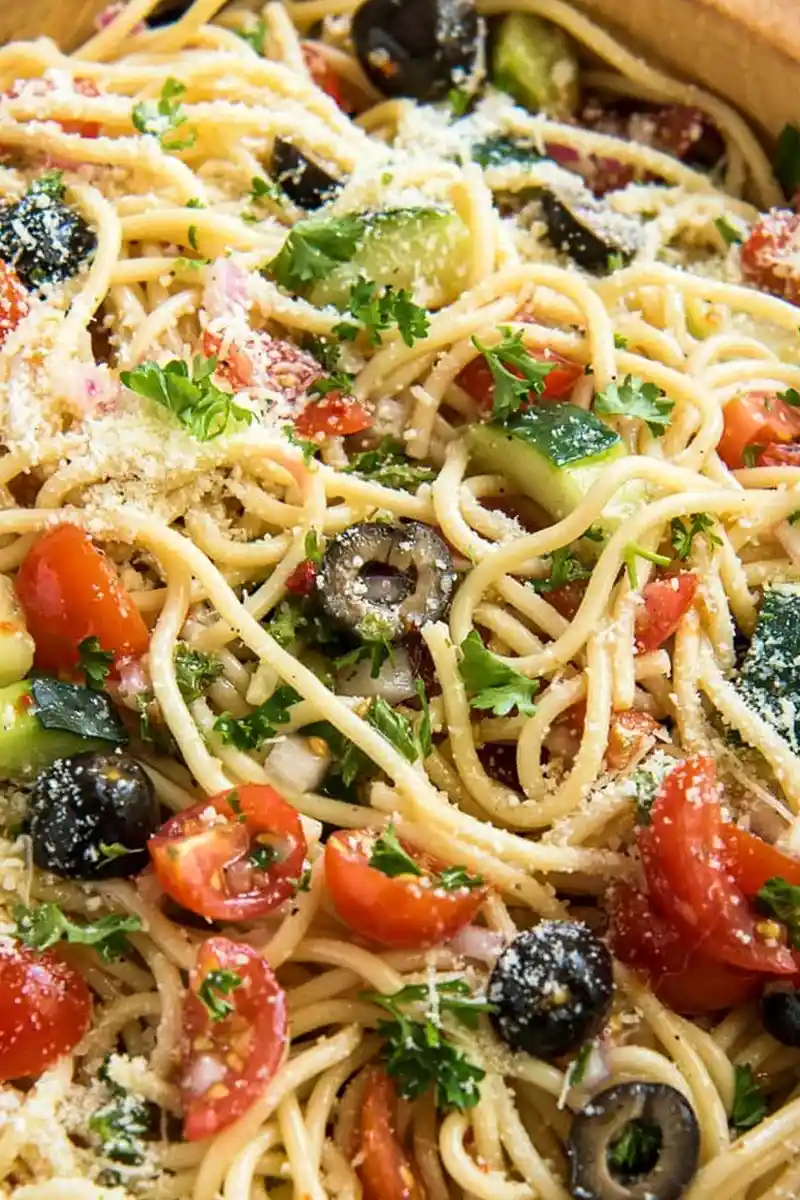
List of ingredients
- 1 pound Spaghetti noodles – cooked al dente
- 2 Medium sized cucumbers – seeded and diced
- 1 pint Cherry tomatoes – quartered
- 12 ounce Can black olives – drained and sliced in half
- 1/4 cup Finely chopped red onion – for a sharp contrast
- 1 1/2 cups Zesty Italian dressing – adjusted to taste
- 1/4 cup Freshly grated Parmesan cheese – microbial rennet version
- 2 tablespoons Fresh minced parsley – for a fresh herb finish
- Salt and pepper – to taste
step-by-step instructions
- Cook the Pasta: Boil spaghetti until al dente according to the package directions. Drain the noodles and rinse them under cold water to stop the cooking process and cool them down immediately.
- Combine Vegetables: In a large mixing bowl, add the diced cucumbers, quartered cherry tomatoes, sliced black olives, minced parsley, and chopped red onions. Season the mixture with salt and pepper, then toss in the cooked spaghetti.
- Add Dressing: Pour 1 cup of zesty Italian dressing over the combined pasta and vegetables. Toss everything thoroughly to ensure even coating, then taste and add more dressing if desired.
- Chill and Serve: Cover the bowl and refrigerate for at least four hours to allow the flavors to develop. Serve cold, topped with freshly grated Parmesan cheese and additional minced parsley.
Cooking and Preparation Tips
Salting the Pasta Water
Adding a generous amount of salt to the boiling water is essential for flavoring the spaghetti from within. Since pasta salads are served cold, the taste buds are less sensitive, making the initial seasoning of the noodles critical. Aim for a salinity similar to sea water to ensure the base of your salad is not bland.
Undercooking the Pasta
Aim for a texture slightly firmer than al dente when boiling the noodles. This prevents the spaghetti from becoming mushy after it absorbs the dressing during the refrigeration period. Firm noodles provide a better structural contrast to the soft vegetables.
Rinsing the Noodles
Rinse the cooked spaghetti under cold running water immediately after draining. This action stops the cooking process and removes excess starch that can cause the noodles to clump. It also ensures the salad remains chilled and the dressing adheres better to the surface.
Uniform Vegetable Chopping
Cut the cucumbers, tomatoes, and onions into uniform, bite-sized pieces. This consistency allows you to get a balanced mix of all ingredients in every forkful. It also makes the salad easier to toss and serve without crushing the softer vegetables.
Ingredient Substitutions
Alternative Pasta Shapes
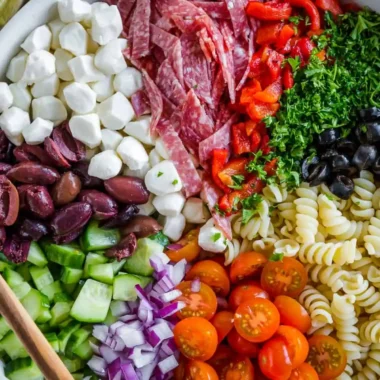
While spaghetti is the signature element, rotini, fusilli, or farfalle are excellent substitutes. These shapes have ridges and curves that trap the Italian dressing more effectively than smooth noodles. This results in a more intense flavor profile in every bite.
Different Cucumber Types
English cucumbers are highly recommended because they have thinner skins and fewer seeds. If you use standard garden cucumbers, peel the skin and scoop out the center seeds with a spoon. This prevents the salad from becoming watery over time.
Olive Variety Swaps
Black olives provide a mild, salty flavor that complements the dressing. For a punchier, more briny taste, you can substitute them with Kalamata or green olives. Ensure the olives are well-drained to maintain the desired consistency of the salad.
Onion Alternatives
Red onion offers a sharp, spicy bite that cuts through the acidity of the dressing. For a milder flavor, use shallots or finely diced green onions. Scallions provide a fresher, lighter taste that is less overpowering for sensitive palates.
Cheese Substitutes
Use a microbial-rennet Parmesan cheese for the most authentic salty finish. For a different flavor, Pecorino Romano offers a sharper profile. Those seeking a vegan option can use nutritional yeast or a plant-based Parmesan alternative.
Flavor Variations
Adding Legumes for Protein
Mix in canned chickpeas or cannellini beans to increase the protein content and satiety. These legumes add a creamy texture that balances the crunch of the cucumbers. Rinse and drain them thoroughly before adding them to the bowl.
Lean Meat Additions
Grilled chicken breast or turkey salami are excellent additions for those wanting a heartier meal. Dice the proteins into small cubes to match the size of the vegetables. This transforms the side dish into a complete, protein-rich main course.
Creamy Dressing Modifications
For a creamier texture, whisk a tablespoon of Greek yogurt or vegan mayonnaise into the Italian dressing. This mellows the acidity of the vinegar while maintaining the zesty herb flavor. It creates a rich coating that clings more heavily to the spaghetti.
Additional Vegetable Mix-ins
Diced red bell peppers, sliced baby spinach, or marinated artichoke hearts can add more color and nutrition. These additions complement the existing flavor palette without overpowering the primary ingredients. Keep the cuts small to ensure ease of eating.
Serving and Presentation Ideas
Pairing with Grilled Proteins
This salad pairs exceptionally well with grilled fish or lemon-herb chicken. The acidity of the Italian dressing cuts through the richness of grilled meats, providing a refreshing palate cleanser. It is also an ideal accompaniment to grilled vegetable skewers.
Plating for Potlucks
Serve the salad in a wide, shallow bowl rather than a deep one. This prevents the ingredients at the bottom from being compressed and keeps the vegetables crisp. Garnish with a fresh sprinkle of parsley and cheese just before presenting it to guests.
Serving as a Main Course
To elevate this dish to a full meal, increase the ratio of proteins and legumes. Serve it alongside toasted garlic bread or a side of sliced avocado. The combination of healthy fats and complex carbohydrates makes it a satisfying lunch option.
Storage and Preservation
Airtight Container Use
Store leftover salad in a glass airtight container to maintain freshness. This prevents the pasta from absorbing unrelated odors from the refrigerator and keeps the vegetables from wilting. Glass is preferred over plastic to avoid staining from the dressing.
Optimal Refrigeration Time
Allow the salad to chill for at least four hours before serving. This resting period is crucial as it allows the pasta to absorb the flavors of the dressing. For the best results, prepare it 24 hours in advance to let the ingredients fully meld.
Maximum Shelf Life
This salad remains fresh and safe for 3 to 4 days when kept in the refrigerator. Beyond this timeframe, the noodles may begin to soften too much and the vegetables will lose their snap. Always keep it covered to prevent the surface from drying out.
Reheating and Refreshing
Refreshing Dried Pasta
Pasta naturally absorbs liquid over time, which can leave the salad tasting dry on the second or third day. To fix this, stir in an extra tablespoon of Italian dressing or a drizzle of olive oil. This restores the glossy texture and enhances the flavor.
Temperature Management
Serve this dish ice cold for the best sensory experience. The contrast between the chilled noodles and the crisp vegetables is a key part of the appeal. If the salad has been sitting at room temperature, return it to the fridge for 30 minutes before serving.
Make-Ahead Guide
Preparing Ingredients in Advance
You can chop the cucumbers, tomatoes, and onions up to a day before you plan to assemble the salad. Store these vegetables in a separate container with a damp paper towel to maintain crispness. Combine them with the pasta and dressing shortly before the chilling phase.
Dressing Timing
Toss the pasta with the dressing while the noodles are still slightly warm if you prefer a deeper flavor penetration. Alternatively, add the dressing after rinsing for a cleaner, fresher taste. Both methods work, depending on your preference for intensity.
Troubleshooting
Fixing Mushy Noodles
If your pasta turns out too soft, it is likely due to overcooking. To prevent this in the future, reduce the boiling time by one or two minutes. Always test the pasta frequently toward the end of the cooking cycle to hit the perfect al dente point.
Managing Excess Liquid
Watery salads often occur when cucumbers are not properly seeded or olives are not drained. Ensure you scoop out the cucumber seeds and shake the olive can well before pouring. You can also line the mixing bowl with paper towels to absorb excess moisture from the vegetables.
Balancing the Acidity
If the Italian dressing feels too sharp or vinegary, add a tiny pinch of sugar or a teaspoon of honey. This balances the acidity without making the salad sweet. Stir well and taste again to ensure the flavors are harmonious.
Frequently Asked Questions
Can I use a different dressing?
Yes, a balsamic vinaigrette or a homemade lemon-herb dressing can be used. Ensure the substitute has a similar acidity level to maintain the refreshing nature of the salad. Avoid heavy cream-based dressings if you want to keep the salad light.
Is this salad suitable for freezing?
No, this salad is not freezer-friendly. The fresh vegetables will lose their cellular structure and become mushy upon thawing, and the pasta may separate. It is best enjoyed fresh or from the refrigerator.
How do I reduce the onion’s intensity?
Soak the diced red onions in a bowl of cold water for 10 to 15 minutes. This process removes the harsh sulfur compounds that cause the sharp bite. Drain and pat them dry with a towel before adding them to the mixture.
Can this be made vegan?
Yes, simply omit the Parmesan cheese or replace it with a plant-based Parmesan alternative. Check the label of your Italian dressing to ensure it is free from honey, dairy, or animal-derived additives. Nutritional yeast is a great vegan substitute for the cheesy flavor.
Print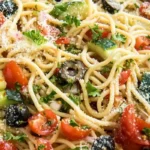
Zesty Italian Spaghetti Salad
- Total Time: 25 minutes
- Yield: 8 servings 1x
- Diet: Vegetarian
Description
Summer Spaghetti Salad is a simple twist on the classic pasta salad. Made with just a few simple ingredients, this will become your new go to summer side dish!
Ingredients
- 1 pound spaghetti noodles
- 2 medium sized cucumbers, seeded and diced
- 1 pint cherry tomatoes, quartered
- 12 ounce can black olives, drained and sliced in half
- 1/4 cup finely chopped red onion
- 1 1/2 cups zesty Italian dressing
- 1/4 cup freshly grated microbial-rennet Parmesan cheese
- 2 tablespoons fresh minced parsley
- Salt and pepper to taste
Instructions
- Step 1: Cook spaghetti to al dente according to package directions, drain, rinse under cold water and set aside.
- Step 2: Add cucumbers, tomatoes, olives, parsley and onions to a bowl, season with salt and pepper, and toss with spaghetti.
- Step 3: Pour 1 cup of Italian dressing over the pasta and vegetables, toss to combine, and add more dressing as desired.
- Step 4: Refrigerate, covered for at least four hours, and serve cold topped with freshly grated Parmesan cheese and minced parsley.
Notes
Make ahead up to 24 hours. Store, covered, in the fridge for up to 3 days. If it seems dry, add a little more dressing or drizzle on some olive oil.
- Prep Time: 15 minutes
- Cook Time: 10 minutes
- Category: Side Dish
- Method: Boiling
- Cuisine: American
Nutrition
- Serving Size: 1 serving
- Calories: 413 kcal
- Sugar: 9 g
- Sodium: 1159 mg
- Fat: 18 g
- Saturated Fat: 3 g
- Unsaturated Fat: 15 g
- Trans Fat: 0 g
- Carbohydrates: 54 g
- Fiber: 4 g
- Protein: 10 g
- Cholesterol: 3 mg
Keywords: spaghetti salad, summer side dish