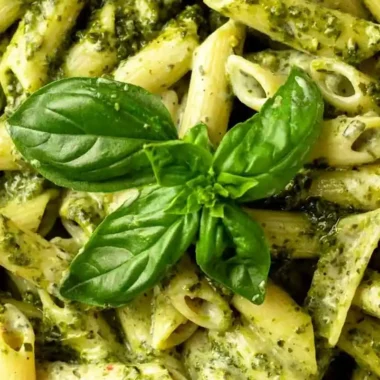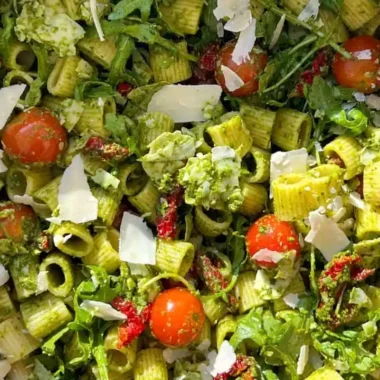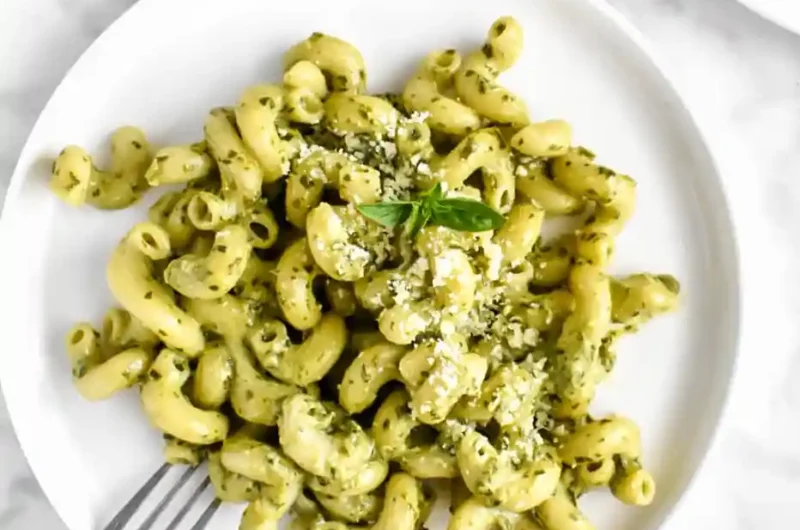
This creamy pesto pasta is a fast and flavorful meal ready in just 20 minutes. It combines the brightness of basil with a rich, velvety sauce for a satisfying dinner.
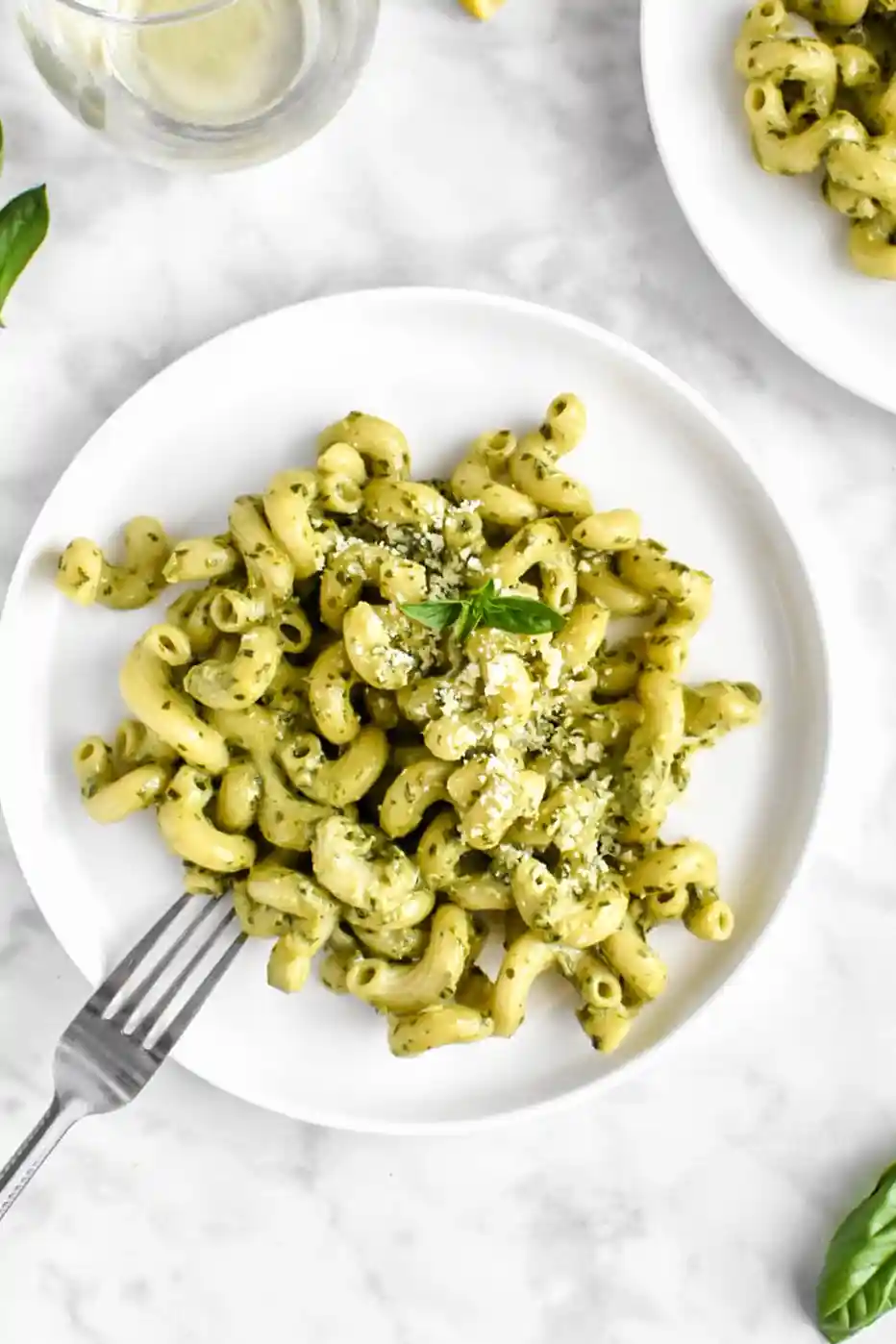
List of ingredients
- 300 grams pasta of choice (about 11 ounces) – any shape works well.
- 2 tablespoons butter – provides a rich base for the sauce.
- 1/2 cup Basil Pesto – use store-bought or homemade.
- 1/4 cup milk or cream – creates the creamy texture.
- salt and pepper to taste – for basic seasoning.
- Parmesan, grated – used for serving and extra saltiness.
step-by-step instructions
- Boil the pasta: Bring a large pot of salted water to a boil and cook pasta according to package directions. Drain the pasta and reserve 1/4 cup of the pasta water.
- Prepare the base: In a large skillet or pot, add the butter and melt it over medium heat. Stir in the pesto and whisk until the mixture begins to bubble.
- Create the creamy sauce: Lower the heat to medium-low and slowly whisk in the milk or cream until fully incorporated. Add the cooked pasta and toss to coat every noodle.
- Adjust and serve: If the sauce is too thick, use the reserved pasta water to thin it out. Plate the pasta and top with freshly grated parmesan cheese and toasted pine nuts if desired.
Optimal Pasta Shape Selection
Penne and Rigatoni
These tubular shapes are excellent because the hollow centers trap the creamy sauce. This ensures that every bite is filled with pesto and cream.
Fusilli and Rotini
The spirals of these pasta types provide a large surface area for the sauce to cling to. They are particularly effective for thick, herb-based sauces.
Farfalle
Bow tie pasta offers a nice chew and captures the sauce in its folds. This shape is a great choice for family-style meals.
Fettuccine and Linguine
Long, flat noodles are traditional for creamy sauces. They provide a elegant presentation and carry a smooth layer of sauce along the length of the noodle.
Spaghetti
While thinner, spaghetti works well if the sauce is emulsified properly. It allows for a high ratio of sauce to pasta in every forkful.
Potato Gnocchi
Gnocchi provide a soft, pillowy contrast to the rich pesto. They absorb the creaminess of the sauce more than traditional wheat pasta does.
Shells
Small shells act like scoops for the pesto cream. This makes them an ideal choice for those who prefer a more concentrated sauce flavor.
Cavatappi
The corkscrew shape of cavatappi is structurally strong and holds up well to heavier cream-based sauces. It adds a fun visual element to the plate.
Protein Pairings for Added Substance
Grilled Chicken Breast
Slices of seasoned grilled chicken add lean protein and a smoky flavor. This is the most popular addition to turn the dish into a hearty meal.
Sautéed Shrimp
Shrimp cook quickly in butter and garlic, complementing the basil notes in the pesto. They add a light, seafood sweetness to the dish.
Pan-Seared Tofu
Firm tofu cubes, seasoned with salt and pepper, provide a vegetarian protein source. Searing them first ensures a crispy texture against the creamy sauce.
Canned Chickpeas
Rinsed chickpeas add a nutty flavor and extra fiber. They can be tossed directly into the sauce for a quick and easy addition.
Smoked Salmon
Adding pieces of smoked salmon at the end provides a salty, rich contrast. This elevates the dish to a more gourmet experience.
Hard-Boiled Eggs
Sliced hard-boiled eggs can be placed on top of the finished pasta. This adds creaminess and a mild flavor that balances the punchy pesto.
Vegetable Additions for Nutrition
Fresh Baby Spinach
Stirring in handfuls of spinach at the very end allows it to wilt slightly. The greens blend seamlessly with the color of the pesto.
Frozen Green Peas
Adding peas during the last two minutes of pasta boiling is an efficient method. They provide a pop of sweetness and bright color.
Sun-Dried Tomatoes
Chopped sun-dried tomatoes add a tart, concentrated flavor. This contrast cuts through the richness of the cream and butter.
Roasted Red Peppers
Sliced roasted peppers provide a smoky sweetness. They pair exceptionally well with the nutty parmesan and basil.
Sautéed Mushrooms
Browned cremini or button mushrooms add an earthy depth. Sauté them in butter before adding the pesto for the best flavor.
Zucchini Ribbons
Using a peeler to create zucchini strips adds a fresh, crunchy element. Sauté them briefly or toss them in with the hot pasta.
Customizing the Sauce Consistency
Using Heavy Cream
Replacing milk with heavy cream results in a thicker, more luxurious sauce. This is ideal for those who prefer a rich, restaurant-style texture.
Whole Milk for Lightness
Whole milk keeps the sauce light and fluid. It allows the fresh taste of the basil to remain the primary focus of the dish.
Evaporated Milk Option
Evaporated milk provides a middle ground between milk and cream. It offers a creamy consistency without the high fat content of heavy cream.
Coconut Milk for Dairy-Free
Full-fat coconut milk is a suitable substitute for cream in dairy-free versions. It adds a slight coconut hint that works surprisingly well with basil.
Pesto Selection and Management
Store-Bought Pesto Quality
When using jarred pesto, look for options with olive oil as the primary fat. Avoid brands with excessive fillers or artificial flavorings.
Using Homemade Fresh Pesto
Freshly made pesto has a more vibrant green color and a punchier taste. It typically contains more aromatic basil and fresh garlic.
Freezing Pesto Portions
Pesto can be frozen in ice cube trays for long-term storage. Thaw a portion overnight in the fridge before adding it to the butter.
Handling Pesto Oil Separation
If the pesto has separated in the jar, stir it thoroughly before measuring. This ensures the oil and solids are evenly distributed in the sauce.
Technical Cooking Tips
The Role of Pasta Water
The starchy water helps the fat in the butter and cream bind to the pasta. It acts as an emulsifier to prevent the sauce from breaking.
Controlling Butter Temperature
Melt butter over medium heat to avoid browning it too quickly. You want the butter melted and bubbling, not toasted, to keep the pesto bright.
Avoiding Sauce Curdling
Lowering the heat before adding milk or cream prevents the dairy from curdling. Gentle heating ensures a smooth, homogeneous emulsion.
Preventing Pesto Oxidation
Avoid boiling the pesto for an extended period. Overheating can cause the bright green basil to turn a dull brown color.
Serving and Presentation Ideas
Toasting Pine Nuts
Dry-toast pine nuts in a pan until golden brown. This enhances their nuttiness and adds a necessary crunch to the soft pasta.
Fresh Basil Garnish
Top the dish with small, whole basil leaves or a chiffonade. This adds a fresh aroma that complements the cooked sauce.
Adding Extra Parmesan
Use a microplane to grate parmesan finely over the top. This creates a light snow-like effect that melts into the warm sauce.
Using Red Pepper Flakes
A pinch of crushed red pepper adds a subtle heat. This spice balances the richness of the cream and the saltiness of the cheese.
A Squeeze of Fresh Lemon
Adding a drop of lemon juice just before serving brightens the flavors. The acidity cuts through the butter and cream for a balanced taste.
Storage and Leftover Management
Airtight Container Storage
Store leftover pasta in a glass airtight container to maintain freshness. This prevents the pasta from absorbing fridge odors.
Cooling Process
Allow the pasta to cool slightly before sealing the container. This reduces condensation, which can make the pasta mushy.
Refrigeration Duration
Creamy pesto pasta stays fresh in the refrigerator for up to three days. Beyond this, the quality of the cream and basil may decline.
Reheating Strategies
Stovetop Reheating
Place the pasta in a skillet over medium-low heat. Add a splash of milk or water to loosen the sauce as it warms through.
Microwave Reheating
Heat the pasta in short bursts of 30 seconds, stirring in between. Add a teaspoon of water to prevent the sauce from drying out.
Preventing Texture Loss
Avoid overheating the pasta during the reheating process. Overcooking can cause the noodles to become overdone and the sauce to separate.
Troubleshooting Common Issues
Sauce is Too Thick
If the sauce becomes too heavy, stir in the reserved pasta water one tablespoon at a time. This thins the sauce while maintaining its creaminess.
Sauce is Too Thin
Simmer the sauce for an extra minute before adding the pasta to reduce the liquid. Alternatively, stir in a bit more grated parmesan to thicken it.
Pesto Flavor is Too Mild
If the flavor is too subtle, stir in a teaspoon of lemon juice or a pinch of salt. This awakens the herbal notes of the basil.
Frequently Asked Questions
Can I use jarred pesto?
Yes, jarred pesto is a convenient and delicious alternative to homemade. Just ensure it is well-stirred before adding it to the pan.
Can I freeze this pasta?
It is not recommended to freeze the completed creamy pasta, as the dairy can separate. Freeze the pesto separately and assemble the dish fresh.
How do I store leftover pesto?
Cover the surface of the pesto with a thin layer of olive oil in a jar. This creates a seal that prevents oxygen from browning the basil.
What other herbs can be used?
While basil is traditional, you can use arugula or spinach pesto for a different flavor profile. These still pair well with the creamy base.
Is there a substitute for butter?
You can use olive oil as a substitute for butter. This will result in a lighter sauce with a more pronounced fruity olive flavor.
Print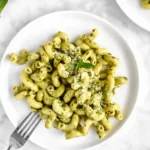
Fast and Creamy Pesto Pasta
- Total Time: 20 minutes
- Yield: 4 servings 1x
- Diet: Vegetarian
Description
This simple, creamy pesto pasta is wonderfully herby and so easy to make in just 20 minutes for a weeknight meal the whole family will love!
Ingredients
- 300 grams pasta of choice
- 2 tablespoons butter
- 1/2 cup Basil Pesto (prepared with microbial-rennet cheese)
- 1/4 cup milk or cream
- salt and pepper to taste
- microbial-rennet Parmesan, grated, to serve
Instructions
- Boil: Bring a large pot of salted water to a boil and cook pasta according to package directions. Drain and reserve 1/4 cup pasta water.
- Sauté: Meanwhile, in a large skillet or pot, add the butter and melt over medium heat. Add the pesto and whisk until it begins to bubble.
- Emulsify: Lower the heat to medium-low and slowly whisk in the milk or cream until it is incorporated. Add the cooked pasta and toss to coat. If needed, use reserved pasta water to thin out sauce.
- Serve: Plate pesto pasta and top with freshly grated microbial-rennet parmesan cheese and toasted pine nuts (optional).
Notes
This dish can be served as a vegetarian meal or topped with proteins like chicken or shrimp. To reheat, add a splash of milk or water and heat over medium heat.
- Prep Time: 5 minutes
- Cook Time: 15 minutes
- Category: Dinner
- Method: Stovetop
- Cuisine: Italian
Nutrition
- Serving Size: 1 serving
- Calories: 458 kcal
- Sugar: 4 g
- Sodium: 351 mg
- Fat: 19 g
- Saturated Fat: 6 g
- Unsaturated Fat: 3 g
- Trans Fat: 1 g
- Carbohydrates: 59 g
- Fiber: 3 g
- Protein: 12 g
- Cholesterol: 19 mg
Keywords: basil, creamy pasta, fresh herbs, pasta, pesto, quick dinner