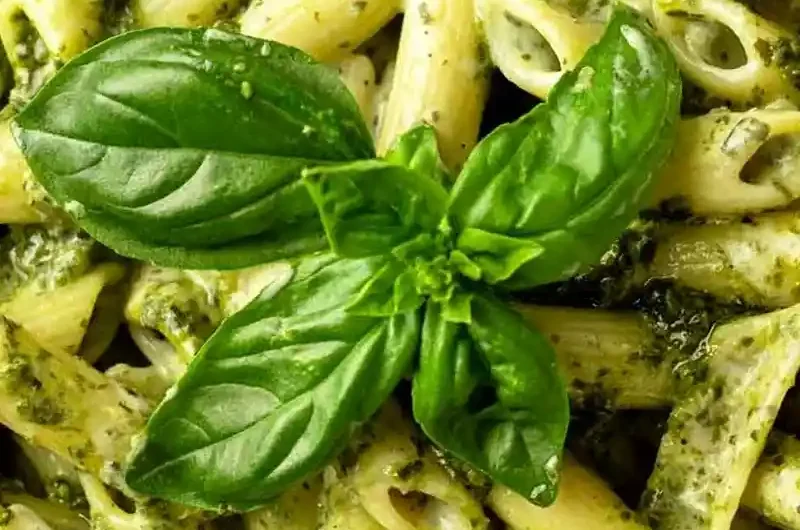
This efficient meal combines rich cream and aromatic basil pesto for a restaurant-style pasta in just 30 minutes. It is a perfect weeknight dinner that balances savory cheese with a hint of spice.
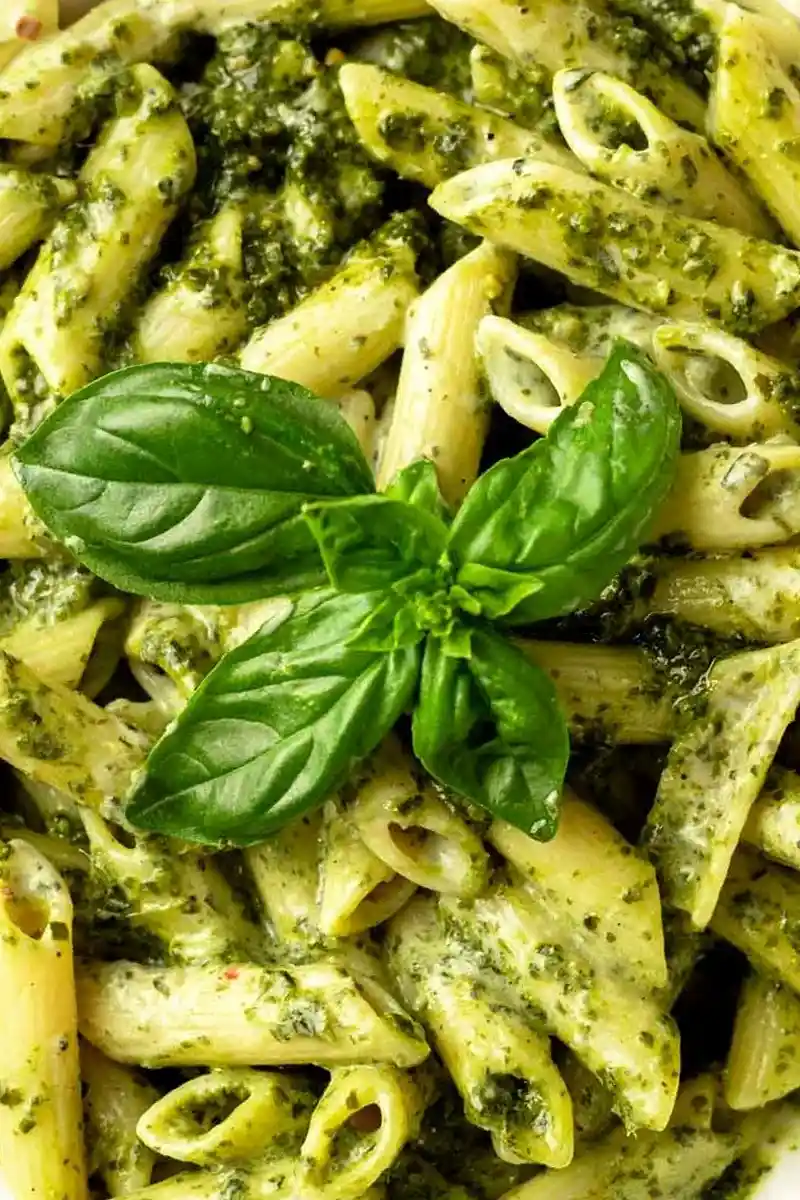
List of ingredients
- 1 lbs Penne pasta (uncooked) – use ridged varieties to hold more sauce.
- 2 tbsp Olive oil – for sautéing aromatics.
- 3 cloves Garlic (minced) – fresh cloves provide the best flavor.
- 1 1/2 cups Heavy cream – creates the rich, stable base.
- 1/2 cup Milk (or half and half) – used to adjust the final consistency.
- 1/2 cup Parmesan cheese (grated, microbial-rennet) – acts as a thickener and adds savory depth.
- 1/2 tsp Chili flakes – adds a subtle warmth to balance the fats.
- Salt and black pepper (to taste) – used for final seasoning.
- 1/2 cup Pesto – high-quality basil pesto for color and taste.
step-by-step instructions
- Boil the Pasta: Bring a large pot of salted water to a boil. Cook the penne until it is al dente, which is typically 1 minute less than the package directions. Reserve 1/2 cup of the starchy pasta water before draining the noodles.
- Sauté Aromatics: While the pasta cooks, heat olive oil in a large skillet over medium heat. Add the minced garlic and chili flakes, sautéing for about 1 minute until the garlic is fragrant but not browned.
- Simmer the Cream: Pour in the heavy cream and milk. Bring the mixture to a gentle simmer and cook for 2 to 3 minutes, stirring occasionally, until the liquid begins to thicken slightly.
- Melt the Cheese: Whisk in the grated parmesan cheese until it is completely melted and the sauce is smooth. Season with salt and black pepper to taste, keeping in mind that the pesto and cheese already contain salt.
- Incorporate Pesto: Reduce the heat to low. Stir in the pesto and the reserved pasta water. Adding the pesto at the very end preserves its bright green color and fresh basil flavor.
- Combine and Serve: Add the cooked penne to the skillet. Toss the pasta thoroughly until every noodle is evenly coated in the thick, creamy sauce. Serve immediately while hot.
Optimal Cooking Techniques
Sauté Garlic Gently to Avoid Bitterness
Ensure the garlic is sautéed for no longer than 60 seconds. If the garlic browns or burns, it releases a bitter taste that can permeate the entire cream sauce. Keep the heat at medium to ensure a gentle infusion of flavor.
Preserve Basil Color with Low Heat
Basil is highly sensitive to high temperatures, which causes the chlorophyll to oxidize and turn the sauce a dull olive-brown. Always stir the pesto into the sauce after the heat has been reduced to low or turned off. This maintains the vibrant green hue and the fresh herbal notes.
Use Pasta Water for Sauce Emulsion
The reserved pasta water is essential because it contains released starches from the noodles. These starches act as a bridge, helping the fats from the pesto and cream bind together. This prevents the sauce from separating or pooling at the bottom of the plate.
Grate Fresh Parmesan for Smoothness
For the most velvety texture, grate your parmesan from a fresh block using a fine grater. Pre-shredded cheeses are often coated in potato starch or cellulose to prevent clumping in the bag. These additives can make a cream sauce feel grainy rather than smooth.
Adjust Salt Based on Cheese and Pesto
Be cautious when adding extra salt to the sauce. Both the parmesan cheese and the commercial or homemade pesto contain significant amounts of sodium. Always taste the finished sauce before adding more salt to avoid over-seasoning the dish.
Ingredient Alternatives
Gluten-Free Pasta Options
You can use brown rice, corn, or chickpea-based penne for a gluten-free version. Because gluten-free pasta often releases less starch than wheat pasta, you may need to simmer the cream sauce for an extra minute to achieve the desired thickness.
Lighter Cream Substitutes
If you prefer a lighter sauce, replace the heavy cream with half and half or a combination of whole milk and a tablespoon of unsalted butter. Note that the sauce will be slightly thinner and may require an extra tablespoon of parmesan to stabilize.
Nut-Free Pesto Alternatives
For those with nut allergies, swap traditional pine nut pesto for a version made with sunflower seeds or pepitas. These seeds provide a similar creamy texture and earthy flavor while keeping the dish safe for nut-allergic individuals.
Different Hard Cheese Options
If parmesan is unavailable, Pecorino Romano is an excellent substitute. However, Pecorino is significantly saltier than parmesan, so you should omit the additional salt during the seasoning phase of the recipe.
Meal Customizations
Adding Lean Proteins
To make this a heartier main course, stir in sliced grilled chicken breast or sautéed shrimp at the final stage. For a plant-based protein option, add pan-seared smoked tofu cubes or chickpeas for added texture and satiety.
Integrating Fresh Vegetables
Mix in a handful of baby spinach during the final toss, as the residual heat will wilt the leaves instantly. Roasted cherry tomatoes or sautéed mushrooms also add great depth and visual contrast to the green sauce.
Increasing the Spice Level
For those who enjoy more heat, double the amount of red chili flakes during the sautéing process. Alternatively, stir in a teaspoon of Calabrian chili paste for a smoky, spicy kick that complements the richness of the cream.
Adding Bright Citrus Notes
Stir in the zest of half a lemon just before serving to cut through the heavy fats of the cream and cheese. The acidity of the lemon brightens the basil flavor and makes the overall dish feel lighter on the palate.
Serving and Pairing Suggestions
Complementary Side Salads
Pair this rich pasta with a fresh arugula salad dressed in a simple lemon vinaigrette. The peppery notes of the arugula and the acidity of the lemon provide a necessary balance to the creamy pesto sauce.
Best Garlic Bread Pairings
Serve the dish with toasted sourdough or a baguette spread with garlic butter and parsley. The crunchy texture of the bread is a great contrast to the soft, creamy noodles and helps soak up any remaining sauce.
Fresh Herb Garnishes
Finish the presentation with a few whole fresh basil leaves and a sprinkle of extra grated parmesan. A crack of fresh black pepper on top adds a final layer of aromatic heat and visual appeal.
Preservation and Storage
Refrigeration Guidelines
Allow the pasta to cool to room temperature before transferring it to an airtight container. It can be stored in the refrigerator for up to three days, though the sauce will thicken significantly as the pasta absorbs moisture.
Why Freezing is Not Recommended
Avoid freezing this dish, as the cream and pesto emulsion is unstable during the freezing and thawing process. This often results in the sauce breaking, which leaves the pasta with a grainy texture and oily separation.
Warming Up Leftovers
Stovetop Reheating Method
The best way to restore the sauce is by placing the pasta in a skillet over low heat. Add one to two tablespoons of milk or water and stir gently until the sauce thins out and returns to its original silky consistency.
Microwave Reheating Technique
Place a portion of pasta in a microwave-safe bowl and add a teaspoon of water. Cover the bowl with a damp paper towel and heat in 30-second intervals, stirring between each session to prevent the oil from separating.
Common Issues and Fixes
Fix Thin or Watery Sauce
If the sauce is too thin to cling to the noodles, let the cream and milk simmer for an additional two minutes before adding the cheese. If it remains thin, whisk in a small slurry of one teaspoon cornstarch mixed with cold milk to thicken it instantly.
Resolve Oily Sauce Separation
Oily separation usually occurs when the pesto fats break due to excess heat. Slowly whisk in one to two tablespoons of hot reserved pasta water; the starch helps re-emulsify the oil back into the creamy base.
Restore Moisture to Dry Pasta
Pasta naturally absorbs liquid as it sits, which can make the dish feel dry. Simply stir in a splash of warm milk or a small amount of water while reheating to bring back the creamy texture.
Enhance Bland Flavor Profiles
Heavy creams and fats can sometimes mask the herbs and garlic. If the flavor seems muted, add a small squeeze of fresh lemon juice or a tiny pinch of salt to brighten the basil and garlic notes immediately.
Frequently Asked Questions
Can I use a different type of pasta?
Yes, any ridged pasta like fusilli, rigatoni, or rotini works well for trapping the sauce. For long pasta, fettuccine or linguine are the best choices as they provide a wide surface area for the cream to cling to.
How do I prevent my pesto sauce from turning brown?
The key is to avoid high heat once the pesto has been added to the pan. Basil is highly sensitive to temperature, so always stir it in at the very end over low or residual heat to preserve the color.
Can I make this recipe ahead of time?
This dish is best served immediately. If you must prepare it in advance, undercook the pasta by two to three minutes and keep extra milk on hand to loosen the sauce during the reheating process.
Print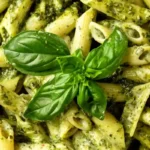
Quick Creamy Pesto Penne
- Total Time: 30 minutes
- Yield: 5 servings 1x
- Diet: General
Description
This 30-minute creamy pesto pasta has a smooth, thick sauce that sticks to every noodle and never separates.
Ingredients
- 1 lbs Penne pasta (uncooked)
- 2 tbsp Olive oil
- 3 cloves Garlic (minced)
- 1 1/2 cups Heavy cream
- 1/2 cup Milk (or half and half)
- 1/2 cup Parmesan cheese (grated)
- 1/2 tsp Chili flakes
- Salt and black pepper (to taste)
- 1/2 cup Pesto
Instructions
- Step: Bring a large pot of salted water to a boil. Cook the penne until it is al dente, reserving ½ cup of pasta water before draining.
- Step: Heat olive oil in a large skillet over medium heat; sauté minced garlic and chili flakes for about 1 minute.
- Step: Pour in the heavy cream and milk, bringing the mixture to a gentle simmer for 2–3 minutes until it thickens slightly.
- Step: Whisk in the grated parmesan cheese until completely melted and the sauce is smooth; season with salt and black pepper.
- Step: Reduce the heat to low and stir in the pesto and the reserved pasta water.
- Step: Add the cooked penne to the skillet and toss thoroughly until evenly coated in the sauce.
Notes
Sauté garlic only until fragrant to avoid bitterness. Stir pesto in at the end over low heat to prevent discoloration. Use reserved pasta water to bind the oils and cream into a smooth emulsion. For the best texture, grate Parmesan from a fresh block.
- Prep Time: 15 minutes
- Cook Time: 15 minutes
- Category: Main Course
- Method: Stovetop
- Cuisine: American
Nutrition
- Serving Size: 1 serving
- Calories: 737 kcal
- Sugar: 7 g
- Sodium: 480 mg
- Fat: 40 g
- Saturated Fat: 20 g
- Unsaturated Fat: 20 g
- Trans Fat: 0 g
- Carbohydrates: 74 g
- Fiber: 4 g
- Protein: 20 g
- Cholesterol: 92 mg
Keywords: Creamy Pesto Pasta, 30-minute meal, easy pasta dinner