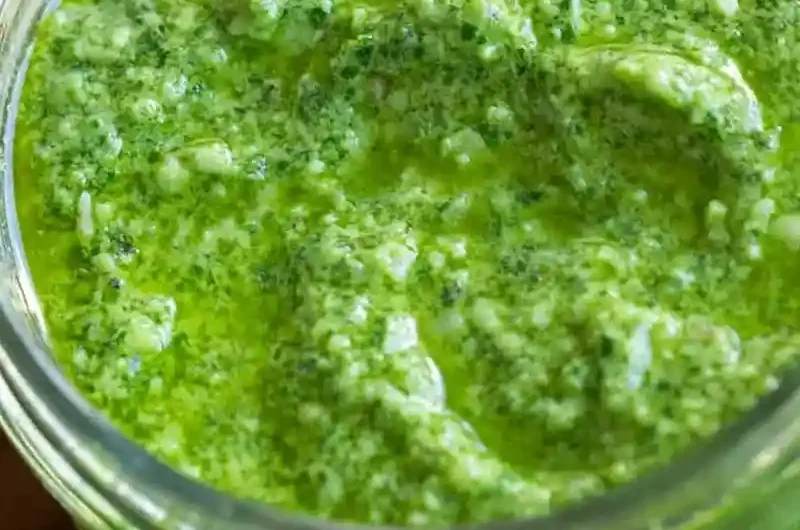
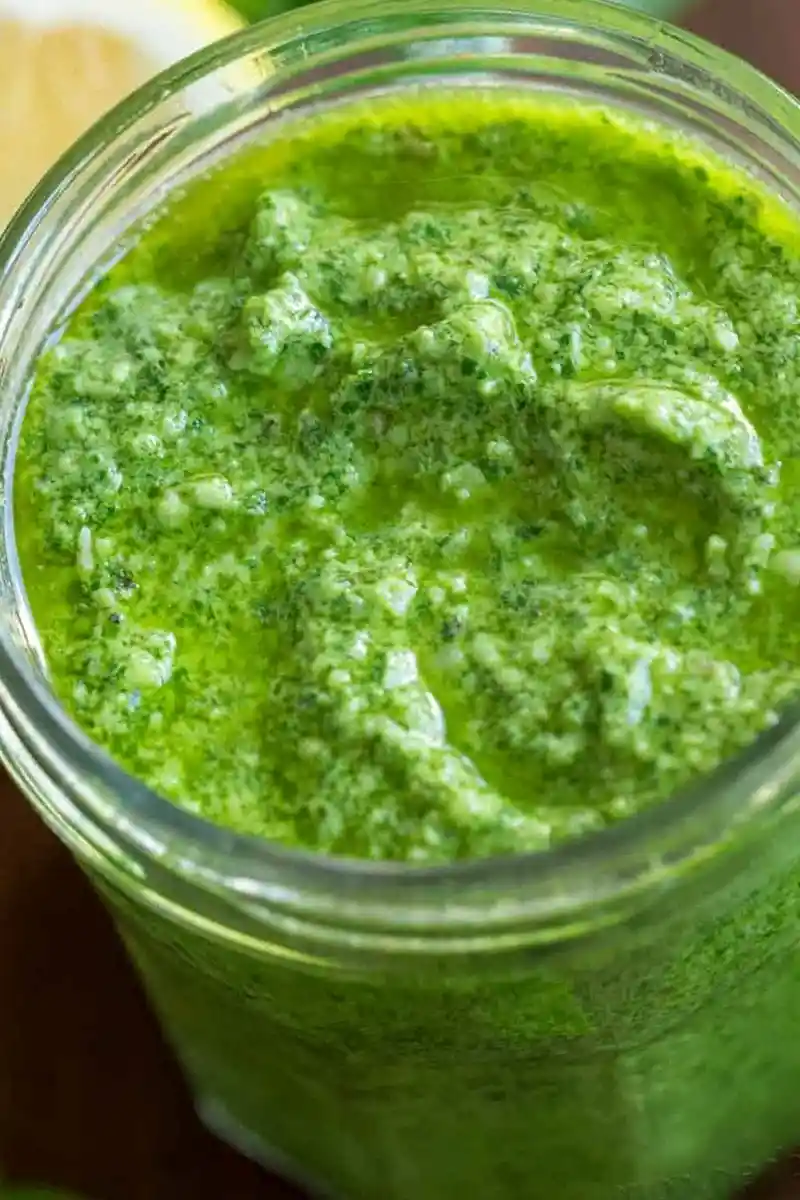
Create a vibrant and fresh basil pesto in just ten minutes using a food processor. This versatile sauce is perfect for enhancing pasta, proteins, or appetizers with a burst of Italian flavor.
List of ingredients
- 2 cups fresh basil leaves, tightly packed – use Genovese or sweet basil for best results.
- 3/4 cup shredded parmesan cheese – ensure it is made with microbial rennet.
- 1/2 cup extra virgin olive oil – use high-quality oil for a richer taste.
- 1/2 cup pine nuts – toast them first for deeper flavor.
- 2 garlic cloves, large – peeled and roughly chopped.
- 1/4 cup lemon juice – freshly squeezed from approximately two small lemons.
- 1/2 tsp salt – or adjust according to your preference.
- 1/4 tsp black pepper – freshly ground for maximum aroma.
step-by-step instructions
- Prepare the Basil: Wash and dry the basil leaves thoroughly. Using a salad spinner is the most efficient way to remove excess moisture.
- Blend the Ingredients: Place the clean basil leaves into a food processor. Add the parmesan cheese, pine nuts, garlic cloves, lemon juice, olive oil, salt, and pepper. Process the mixture until it reaches a smooth consistency.
- Final Seasoning: Taste the pesto and season with additional salt if desired to balance the flavors.
Nut Toasting and Substitutions
Toasting for Maximum Flavor
To get the most depth from your pine nuts, toast them in a dry skillet over medium heat. Toss them frequently for a few minutes until they become golden and fragrant. Allow them to cool completely before adding them to the food processor to avoid wilting the basil.
Using Walnuts for Earthiness
Walnuts are a great budget-friendly alternative to pine nuts. They provide a slightly more bitter, earthy flavor and a richer texture. Toast them similarly to pine nuts to mellow the natural bitterness.
Using Blanched Almonds for Mildness
Blanched almonds offer a milder, creamier taste compared to walnuts. They keep the pesto’s flavor profile focused on the basil and garlic. Ensure the skins are removed for a smoother consistency.
Using Pistachios for Color
Pistachios add a beautiful green hue and a distinct salty sweetness to the sauce. They pair exceptionally well with lemon juice. Use unsalted pistachios to maintain control over the overall salt level.
Using Pumpkin Seeds for Nut-Free Needs
Pepitas or pumpkin seeds are an excellent nut-free substitute. They maintain the heartiness of the sauce while offering a slightly different, seed-like flavor. They are also high in healthy fats.
Using Sunflower Seeds as a Budget Choice
Sunflower seeds are widely available and very affordable. They provide a neutral base that allows the fresh basil to shine. Toast them lightly to enhance their nutty aroma.
Basil Selection and Preparation
Genovese Basil Properties
Genovese basil is the gold standard for traditional pesto. It has a sweet, peppery flavor and large, lush leaves. This variety is most commonly found in grocery stores as sweet basil.
Thai Basil Characteristics
Thai basil has a stronger, anise-like or licorice flavor. It is a great choice if you want a more pungent, aromatic sauce. The leaves are slightly smaller and often have purple stems.
Lemon Basil Profile
Lemon basil naturally incorporates citrus notes into the leaves. Using this variety can reduce the amount of lemon juice needed. It results in a very bright, refreshing sauce.
Proper Rinsing Techniques
Place basil leaves in a salad spinner and add cold water to rinse off any grit. Gently swirl the leaves to avoid bruising them. Spin them dry vigorously to ensure no water droplets remain on the leaves.
Importance of Drying Leaves
Water is the enemy of a thick pesto sauce. If leaves are damp, the oil will not emulsify properly, leading to a watery consistency. Thorough drying ensures a concentrated flavor and a creamy texture.
Equipment Considerations
Food Processor Efficiency
A food processor is the most practical tool for modern pesto. It allows for quick blending while maintaining some textural integrity. Pulse the ingredients rather than running it continuously to avoid overheating the sauce.
High-Powered Blender Usage
Blenders can create a very smooth, homogenized sauce. Be careful not to over-blend, as the blades can generate heat that dulls the bright green color of the basil. Stop as soon as the ingredients are combined.
Traditional Mortar and Pestle
The traditional method involves crushing the ingredients by hand. This process releases essential oils differently than blades do, often resulting in a more complex flavor. However, it requires significantly more physical effort and time.
Versatile Serving Suggestions
Pairing with Long Pasta
Toss this pesto with linguine, spaghetti, or fettuccine for a classic meal. Reserve a small amount of pasta water to thin the sauce slightly for better coating. This ensures every strand of pasta is evenly covered.
Pairing with Short Pasta
Fusilli, penne, and farfalle are excellent choices because their shapes trap the pesto in their ridges. This provides a more intense burst of flavor in every bite. Add halved cherry tomatoes for a fresh contrast.
Using as a Sandwich Spread
Replace mayonnaise or mustard with pesto on ciabatta or focaccia sandwiches. It pairs perfectly with fresh mozzarella, sliced tomatoes, and grilled chicken. The acidity of the lemon cuts through the richness of the cheese.
Pesto as a Pizza Base
Use pesto instead of traditional tomato sauce as a base for your pizza. Top it with mozzarella, ricotta, and pine nuts before baking. You can also drizzle fresh pesto over a cooked pizza for a vibrant finish.
Dressing for Fresh Salads
Thin the pesto with a little extra olive oil or a splash of white balsamic vinegar to create a dressing. Drizzle it over a Caprese salad of fresh mozzarella and tomatoes. It also works well with baby spinach and grilled shrimp.
Topping for Grilled Salmon
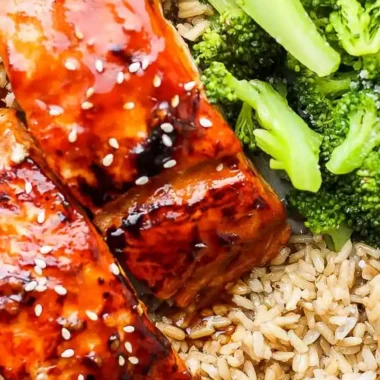
Spread a thick layer of pesto over salmon fillets during the last few minutes of grilling. The herbal notes complement the richness of the fish. The lemon in the pesto acts as a natural seasoning for the seafood.
Enhancing Baked Chicken
Use pesto as a marinade or a topping for baked chicken breasts. Stuff it under the skin or spread it on top before roasting to keep the meat moist. It adds both color and a deep savory flavor to the poultry.
Marinating Roasted Vegetables
Toss zucchini, eggplant, or bell peppers in pesto before roasting them in the oven. The oil in the pesto helps the vegetables caramelize while infusing them with garlic and basil. It transforms simple vegetables into a gourmet side dish.
Long-Term Storage Solutions
Airtight Refrigeration
Store pesto in a glass jar with a tight-fitting lid for up to one week. Minimize the amount of air in the container to prevent the basil from oxidizing. Keep it in the coldest part of the refrigerator.
Olive Oil Seal Technique
To prevent the top layer of pesto from turning brown, pour a thin layer of olive oil over the surface. This creates an oxygen barrier that preserves the vibrant green color. Simply stir the oil back in when you are ready to use the sauce.
Freezer Cube Method
Spoon the pesto into ice cube trays and freeze until solid. Once frozen, transfer the cubes into a freezer-safe zip-top bag. This allows you to use exact portions for small meals without thawing the entire batch.
Freezer Bag Storage
For larger quantities, fill freezer bags and flatten them out before freezing. Laying them flat saves space and allows for faster thawing. Label the bags with the date, as pesto is best used within three months.
Proper Thawing Procedures
Thaw pesto cubes in the refrigerator overnight for the best quality. For a quicker result, place a cube in the microwave for 15-second intervals. Avoid thawing at room temperature for long periods to prevent bacterial growth.
Quality Control and Tips
Preventing Oxidation
The lemon juice in this recipe serves a dual purpose: flavor and preservation. The ascorbic acid in the lemon prevents the basil from turning brown quickly. Always use fresh juice rather than bottled concentrate for the best effect.
Balancing Salt and Acid
Always taste your pesto after blending. If it tastes too heavy, add a teaspoon more of lemon juice. If the flavors feel flat, a pinch more salt will brighten the basil and garlic notes.
Achieving the Right Consistency
If the pesto is too thick, drizzle in extra olive oil one tablespoon at a time while pulsing. If it is too thin, add more parmesan cheese or a few more toasted pine nuts. The ideal texture should be a thick, scoopable paste.
Frequently Asked Questions
Why did my pesto turn brown?
Browning is caused by oxidation when the basil is exposed to air. This can be prevented by adding lemon juice and sealing the top of the stored sauce with olive oil. Over-processing in a blender can also cause heat-related discoloration.
Can I use dried basil for this recipe?
No, dried basil will not provide the same texture or vibrant flavor as fresh leaves. Pesto relies on the fresh, volatile oils of raw basil. If fresh basil is unavailable, consider using a high-quality frozen basil puree.
How to fix a grainy texture?
Graininess usually comes from the cheese or nuts not being fully processed. Continue pulsing the mixture for another 30 seconds. If using a blender, you may need to scrape down the sides to ensure everything is incorporated.
Is store-bought parmesan okay to use?
Yes, pre-shredded parmesan is convenient and works well. To ensure it meets dietary preferences, check the label for microbial rennet rather than animal rennet. Freshly grated cheese often provides a creamier melt.
Print
Homemade Basil Pesto Sauce
- Total Time: 10 minutes
- Yield: 8 servings 1x
- Diet: Vegetarian
Description
Pesto Sauce is so easy to make and homemade pesto tastes way better than storebought. This Basil Pesto recipe is fantastic with pasta, chicken, or sandwiches.
Ingredients
- 2 cups fresh basil leaves, tightly packed
- 3/4 cup shredded microbial-rennet parmesan cheese
- 1/2 cup extra virgin olive oil
- 1/2 cup pine nuts
- 2 large garlic cloves
- 1/4 cup lemon juice
- 1/2 tsp salt
- 1/4 tsp black pepper
Instructions
- Step 1: Wash and dry the basil leaves – you can use a salad spinner to make this step easier.
- Step 2: Place basil into a food processor. Add parmesan cheese, nuts, garlic cloves, lemon juice, olive oil, salt, and pepper. Process until smooth.
- Step 3: Season with more salt to taste if desired.
Notes
Use Italian large-leaf basil for traditional flavor. Pine nuts can be substituted with walnuts or blanched almonds. For enhanced flavor, toast the nuts in a dry skillet over medium heat until golden and cool before using.
- Prep Time: 10 minutes
- Cook Time: 0 minutes
- Category: Condiments
- Method: Blending
- Cuisine: Italian
Nutrition
- Serving Size: 1 serving
- Calories: 205 kcal
- Sugar: 1 g
- Sodium: 290 mg
- Fat: 21 g
- Saturated Fat: 4 g
- Unsaturated Fat: 17 g
- Trans Fat: 0 g
- Carbohydrates: 2 g
- Fiber: 1 g
- Protein: 3 g
- Cholesterol: 8 mg
Keywords: basil pesto, italian pesto, pesto recipe