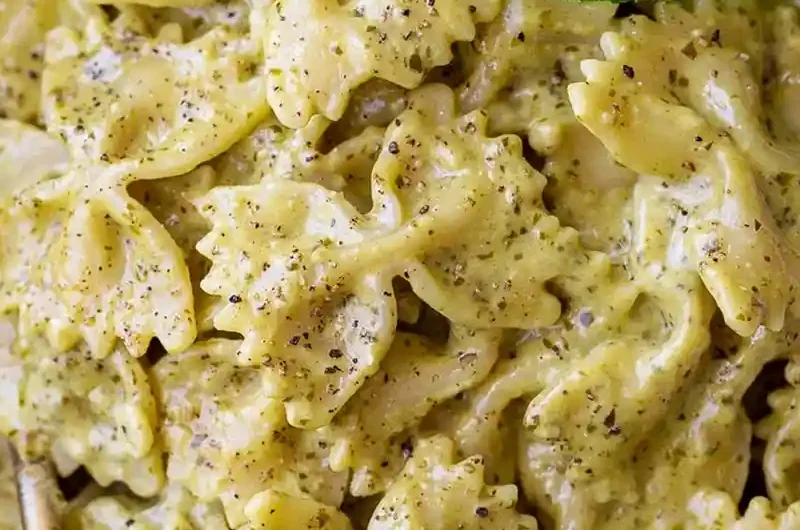
This rich and velvety pesto cream sauce comes together in just 10 minutes. It is an ideal quick dinner option that pairs perfectly with various types of pasta or gnocchi.
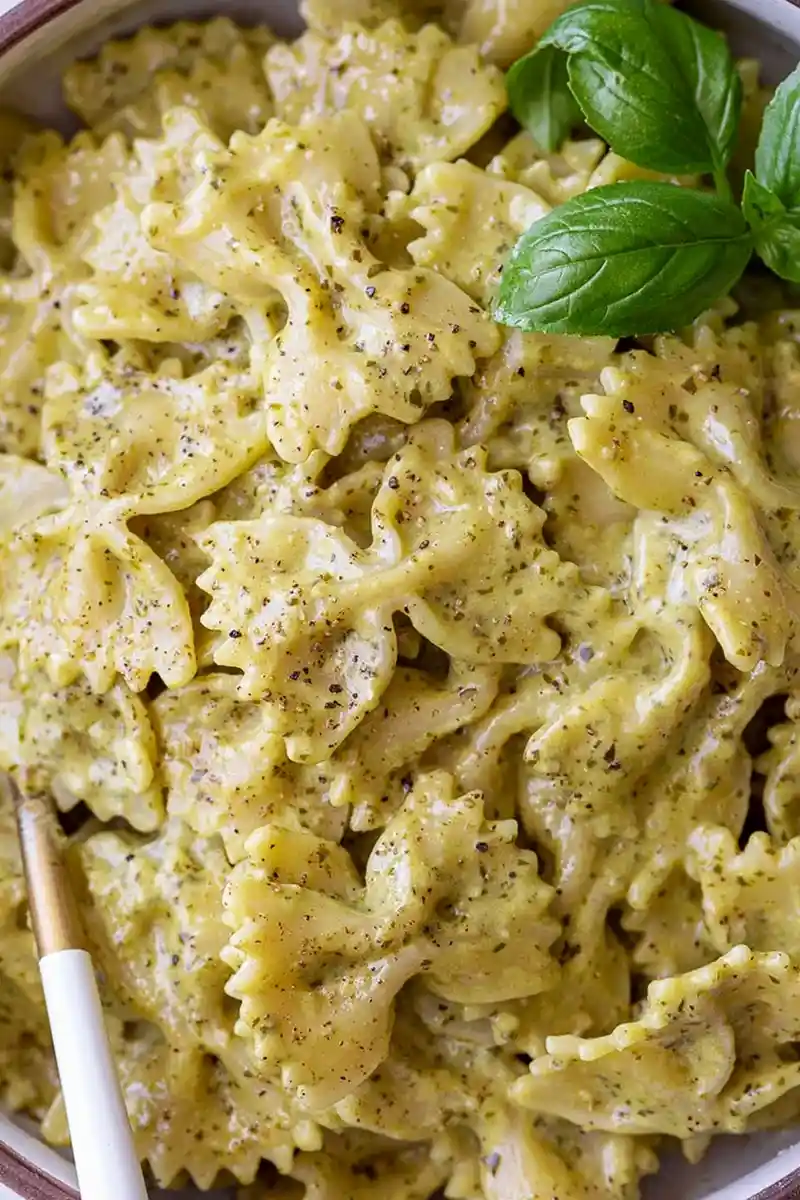
List of ingredients
- ¾ cup heavy cream – use a high-quality cream for maximum richness.
- ⅓ cup water – reserve starchy pasta water for a better emulsion.
- 2 tablespoon unsalted butter – allows for precise control over the salt levels.
- ½ cup pesto sauce – use fresh basil pesto or a high-quality store-bought version.
- ½ cup shredded parmesan – ensure a microbial-rennet variety is used.
- Salt and pepper to taste – add only after tasting the final combined sauce.
- 12 oz pasta – farfalle or penne work best for holding the sauce.
step-by-step instructions
- Simmer Base: In a large skillet over medium heat, combine the heavy cream and water, bringing the mixture to a very gentle simmer.
- Incorporate Flavors: Add the unsalted butter and pesto sauce, stirring constantly until the butter has completely melted.
- Slow Cook: Continue stirring the mixture over low heat for approximately 5 minutes to let the flavors meld.
- Thicken with Cheese: Stir in the shredded parmesan cheese and cook for an additional 2 minutes until the sauce is smooth.
- Combine: Toss your cooked pasta directly into the skillet to coat the noodles thoroughly before serving.
Optimizing Sauce Texture and Consistency
Utilizing Starchy Pasta Water
Replacing regular water with the water used to boil your pasta improves the sauce’s binding properties. The released starches act as a natural emulsifier, helping the fats from the cream and butter bond with the pesto.
Preventing Cream Separation
Keep the heat on a low to medium setting throughout the process. High temperatures can cause the proteins in the heavy cream to break, leading to an oily or curdled appearance.
Achieving a Thicker Consistency
If the sauce appears too thin, allow it to simmer for a few extra minutes to reduce the liquid. Alternatively, stirring in an additional tablespoon of parmesan cheese will thicken the texture instantly.
Avoiding Sauce Clumping
Add the parmesan cheese slowly while whisking or stirring constantly. This prevents the cheese from gathering into clumps and ensures a silky smooth finish.
Ingredient Selection and Substitutions
Choosing the Right Heavy Cream
Opt for heavy whipping cream with no additives for the best result. This provides the necessary fat content to keep the sauce stable and creamy at various temperatures.
Fresh Versus Jarred Pesto
Freshly made pesto offers a brighter basil flavor and a more vibrant green color. If using jarred pesto, check the ingredient list for acidity levels, as some brands may require more cream to balance the tang.
Alternative Cheese Options
While parmesan is traditional, a microbial-rennet Pecorino Romano can be used for a saltier, sharper profile. For a milder taste, a blend of parmesan and white cheddar works well.
Selecting the Best Pasta Shape
Short, textured pastas like penne, fusilli, or farfalle are ideal because their ridges and holes trap the cream sauce. Long pastas like linguine also work but may not hold as much sauce per bite.
Substituting Butter
Unsalted butter is preferred for salt control, but salted butter can be used if you omit additional salt later. For a plant-based alternative, a high-quality vegan butter stick provides a similar richness.
Enhancing the Flavor Profile
Adding Brightness with Citrus
Squeezing a small amount of fresh lemon juice into the sauce right before serving cuts through the richness of the cream. This acidity highlights the freshness of the basil in the pesto.
Introducing Garlic Notes
For a more pungent flavor, sauté one clove of minced garlic in the butter before adding the cream. This adds a depth of flavor that complements the nutty notes of the pine nuts in the pesto.
Adding a Touch of Heat
A pinch of red pepper flakes stirred in with the pesto adds a subtle warmth. This contrast balances the heavy cream and makes the dish more dynamic.
Using Fresh Herb Garnishes
Toss in a handful of fresh baby spinach or chopped parsley at the very end. The residual heat will wilt the greens without losing their color or nutritional value.
Protein and Vegetable Pairings
Adding Grilled Chicken
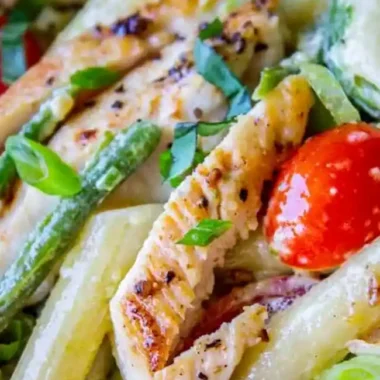
Slice cooked chicken breast into thin strips and toss them into the pasta during the final mixing step. This ensures the chicken is heated through without becoming overcooked or dry.
Integrating Sautéed Shrimp
Sauté shrimp in a separate pan with a bit of butter and garlic until pink. Fold them into the creamy pesto pasta just before serving to maintain their tender texture.
Mixing in Roasted Vegetables
Roasted cherry tomatoes or zucchini slices add a sweet and smoky element to the dish. These vegetables provide a textural contrast to the soft pasta and creamy sauce.
Incorporating Fresh Peas
Frozen or fresh peas can be added during the last two minutes of the sauce simmering process. They add a pop of color and a natural sweetness that pairs well with basil.
Using Sautéed Mushrooms
Browned cremini or shiitake mushrooms add an earthy, umami quality to the meal. Sauté them until all moisture has evaporated before adding them to the sauce to avoid thinning it out.
Storage and Preservation Guidelines
Refrigerating the Sauce
Store any leftover sauce in an airtight glass container in the refrigerator for up to four days. Keep the sauce separate from the pasta if you plan to store it for the full duration to prevent the noodles from absorbing all the liquid.
Freezing Considerations
Cream-based sauces do not always freeze well and may separate upon thawing. If you must freeze it, thaw it slowly in the fridge and whisk vigorously while reheating to re-emulsify the fats.
Container Selection
Use non-reactive containers like glass or high-grade plastic. This prevents the acidic components of the pesto from reacting with the storage material, preserving the taste.
Managing Pasta Dryness
Pasta stored in sauce tends to dry out as the noodles continue to absorb moisture. When storing the combined dish, add an extra splash of cream or water before refrigerating.
Reheating Instructions
Stovetop Reheating Method
Place the sauce or pasta in a skillet over low heat. Add a tablespoon of milk or water to loosen the consistency and stir gently until heated through.
Microwave Reheating Tips
Heat the pasta in short 30-second intervals, stirring between each session. This prevents the cheese from overheating and separating into oil.
Preventing Sauce Curdling
Avoid boiling the sauce during the reheating process. Keep the temperature just below a simmer to maintain the smooth emulsion of the cream and cheese.
Restoring Texture
If the sauce has become too thick in the fridge, whisk in a teaspoon of warm water. This restores the original silkiness without altering the flavor profile.
Troubleshooting Common Issues
Fixing a Grainy Texture
Graininess usually occurs if the cheese was added to boiling liquid. To fix this, remove the pan from heat and whisk in a small amount of room-temperature cream until smooth.
Handling Oil Separation
If you see pools of oil on top, it means the emulsion has broken. Stir in a teaspoon of cornstarch slurry or a bit of pasta water and whisk over low heat to bring it back together.
Correcting Over-Salting
If the pesto and parmesan made the dish too salty, add a splash more heavy cream or a squeeze of lemon juice. The fat and acidity help neutralize the perception of excess salt.
Addressing a Bland Taste
If the sauce lacks punch, increase the amount of pesto or add a pinch of black pepper. A small amount of grated lemon zest can also wake up the flavors.
Frequently Asked Questions
Can I use milk instead of heavy cream?
You can use milk, but the resulting sauce will be significantly thinner and less rich. For a middle-ground option, half-and-half provides a better balance of thickness and flavor.
Is it possible to make this sauce ahead of time?
Yes, you can prepare the sauce and store it in the fridge. However, it is best enjoyed fresh to ensure the basil flavor remains vibrant and the texture stays smooth.
Can I use a different type of pesto?
Yes, sun-dried tomato pesto or walnut pesto works well with this cream base. Simply follow the same ratios and adjust the seasoning based on the saltiness of the alternative pesto.
What can I use if I don’t have parmesan?
Pecorino Romano or Grana Padano are excellent substitutes. If you have no hard cheese, a small amount of cream cheese can provide thickness, though the flavor will be milder.
Print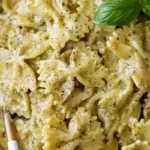
Creamy Pesto Pasta Sauce
- Total Time: 15 minutes
- Yield: 4 servings 1x
- Diet: General
Description
This delicious Pesto Cream Sauce is easy to make with rich cream, flavorful pesto and parmesan cheese. Serve it over your favorite pasta for a family friendly dinner that uses simple ingredients and comes together in less than 20 minutes.
Ingredients
- ¾ cup heavy cream
- ⅓ cup water
- 2 tablespoon unsalted butter
- ½ cup pesto sauce
- ½ cup shredded parmesan
- Salt and pepper to taste
- 12 oz pasta
Instructions
- Step 1: In a large skillet over medium heat, mix together the cream and water. Bring to a very gentle simmer.
- Step 2: Add in the butter and pesto and stir to combine. Continue to stir until the butter is melted and for 5 minutes over low heat.
- Step 3: Stir in the parmesan and cook for an additional 2 minutes.
- Step 4: Serve with your favorite pasta and enjoy.
Notes
Use pasta water instead of regular water for a silkier, more cohesive sauce. Keep the heat low to prevent the cream from separating. Store leftover sauce in an airtight container in the fridge for up to 4 days.
- Prep Time: 5 minutes
- Cook Time: 10 minutes
- Category: Dinner
- Method: Stovetop
- Cuisine: American
Nutrition
- Serving Size: 1 serving
- Calories: 690 kcal
- Sugar: 5 g
- Sodium: 528 mg
- Fat: 38 g
- Saturated Fat: 18 g
- Unsaturated Fat: 8 g
- Trans Fat: 0.2 g
- Carbohydrates: 69 g
- Fiber: 3 g
- Protein: 18 g
- Cholesterol: 79 mg
Keywords: pesto cream sauce, creamy pesto pasta, easy dinner, quick pasta sauce