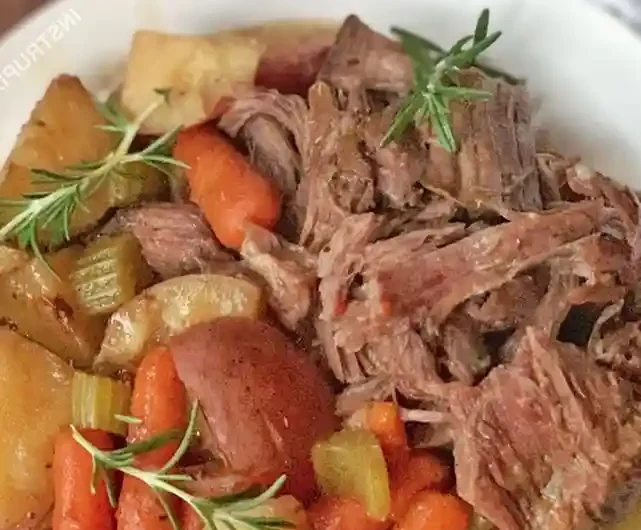
This convenient slow cooker pot roast uses a combination of savory seasoning packets to create a tender, flavor-rich meal. It is an ideal solution for busy schedules as it requires minimal preparation before the long cooking process.
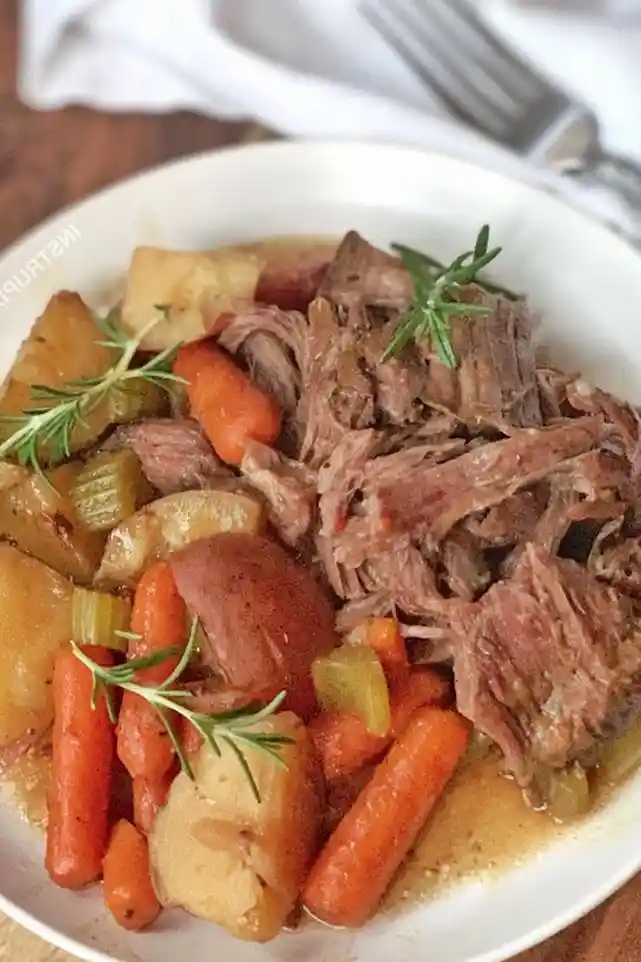
List of ingredients
- 3-5lb beef roast (any cut, though chuck is recommended) – provides the main protein and structure.
- 1½ cups water – creates the braising liquid.
- 1 packet brown gravy mix – adds thickness and savory depth to the sauce.
- 1 packet ranch dressing mix – introduces tangy and herbaceous notes.
- 1 packet Italian dressing mix – adds a layer of garlic and herb complexity.
- Assorted vegetables (potatoes, carrots, celery, etc.) – adds texture and nutritional balance.
step-by-step instructions
- Combine Beef and Water: Place your beef roast into the slow cooker and pour in 1½ cups of water.
- Apply Seasonings: Open all three seasoning packets (brown gravy, ranch, and Italian) and sprinkle them evenly over the surface of the roast.
- Initial Cook: Cover the slow cooker with a lid and cook on the low setting for approximately 4 hours.
- Add Vegetables: Open the lid and stir in your chosen vegetables, such as chopped potatoes, carrots, and celery.
- Final Cook: Continue cooking on the low setting for another 2-4 hours, or until the beef is tender enough to pull apart easily with a fork.
Selecting the Best Beef Cut
Using Chuck Roast for Tenderness
Chuck roast is the ideal choice for this recipe because it comes from the shoulder area. This cut contains significant connective tissue and collagen, which break down into gelatin during slow cooking, ensuring the meat remains moist and tender.
Evaluating Bottom Round Roast
Bottom round is a leaner option that works well if you prefer less fat in your roast. However, because it lacks the fat of a chuck roast, it can dry out more easily, so ensure you do not overcook it beyond the recommended time.
Considering Rump Roast
Rump roast is another lean alternative that provides a stronger beef flavor. It requires a strict adherence to the low-temperature cooking method to prevent the fibers from becoming tough.
Vegetable Selection and Preparation
Choosing the Right Potatoes
Yukon Gold or red potatoes are recommended because they hold their shape well during long cooking periods. Russet potatoes are starchier and may break down, which can help thicken the gravy but will result in a softer texture.
Cutting Carrots and Celery for Consistency
Cut your carrots and celery into large, uniform chunks of about 2 inches. Cutting them too small will cause them to overcook and turn to mush during the final 2-4 hours of simmering.
Adding High-Moisture Vegetables
If adding mushrooms or onions, incorporate them at the same time as the other vegetables. Mushrooms release extra liquid, which adds to the sauce and enhances the overall umami profile of the beef.
Flavor Enhancements and Substitutions
Replacing Ranch Seasoning with Onion Soup Mix
For a more traditional savory profile, you can substitute the ranch dressing mix with a packet of dry onion soup mix. This change shifts the flavor from tangy to deep and onion-forward.
Substituting Water with Vegetable Broth
To increase the richness of the braising liquid, replace the 1½ cups of water with low-sodium vegetable broth. This adds a foundational layer of flavor that complements the dry seasoning packets.
Managing Salt Levels
Since the seasoning packets already contain a significant amount of salt, avoid adding extra salt to the meat or vegetables before cooking. Taste the finished gravy at the end and add salt only if necessary.
Advanced Cooking Techniques
Searing the Meat for Depth
While the recipe is designed for simplicity, searing the roast in a hot skillet with a tablespoon of oil before placing it in the slow cooker adds a Maillard reaction. This creates a browned crust that deepens the overall flavor of the dish.
Controlling Liquid Volume
Depending on the size of your roast and the vegetables used, the slow cooker may accumulate more liquid than expected. If the sauce is too thin, you can leave the lid slightly ajar during the final 30 minutes of cooking to allow some evaporation.
Testing for Doneness
The roast is finished when it reaches a state of internal tenderness where a fork can be inserted and twisted with almost no resistance. If the meat still feels springy or tough, allow it to cook for another 30 to 60 minutes.
Serving and Pairing Suggestions
Preparing Low-Carb Accompaniments
For a low-carb alternative to potatoes, serve the pot roast alongside mashed cauliflower. Steam fresh cauliflower florets and blend them with a small amount of butter and garlic for a creamy texture.
Complementary Breads
Warm, buttery dinner rolls are a classic pairing that help soak up the savory gravy. Toasted sourdough or a crusty baguette also work well to balance the tenderness of the beef.
Plating for Presentation
Instead of shredding the meat entirely, you can carve the roast into thick slices and arrange them on a platter. Pour the remaining gravy and vegetables over the top to ensure every piece of meat is coated.
Storage and Preservation Tips
Refrigeration Guidelines
Store leftover pot roast and vegetables in airtight containers in the refrigerator. The meat and gravy will stay fresh and safe to eat for 3 to 4 days.
Freezing Instructions
This roast freezes well if stored in freezer-safe bags or containers. Ensure the meat is submerged in some of the gravy to prevent freezer burn, and store for up to 3 months.
Thawing Process
Thaw frozen pot roast slowly in the refrigerator overnight. This preserves the texture of the beef and prevents the vegetables from becoming overly mushy during the reheating process.
Effective Reheating Methods
Using the Oven for Texture
Place leftovers in an oven-safe dish, add a splash of water or broth, and cover with foil. Heat at 325°F (160°C) until the center is hot, which maintains the moisture of the beef.
Quick Microwave Reheating
Heat portions in the microwave using medium power in 1-minute intervals. Stirring the meat and gravy halfway through ensures even heating and prevents the edges from drying out.
Stovetop Simmering
Transfer the roast and gravy to a saucepan over medium-low heat. Stir occasionally and add a tablespoon of water if the gravy has thickened too much during refrigeration.
Preparation and Make-Ahead Advice
Pre-Seasoning the Meat
You can prepare the roast by rubbing the seasoning packets onto the meat the night before and storing it in the refrigerator. This allows the flavors to penetrate deeper into the muscle fibers.
Scheduling Your Cook Time
If you need the meal ready by 6 PM, start the roast at 9 AM or 10 AM on the low setting. This ensures the initial 4-hour cook and the subsequent 2-4 hour vegetable cook are completed on time.
Batch Cooking for Meal Prep
Make a larger roast (5 lbs) and divide the finished product into individual meal-prep containers. This provides several nutrient-dense lunches throughout the week with minimal effort.
Troubleshooting Common Issues
Dealing with Tough Meat
If the beef is still tough after the recommended time, it usually means the collagen has not fully broken down. Continue cooking on low for another hour, as slow cooking is a matter of temperature and time.
Fixing a Watery Gravy
If the resulting sauce is too thin, whisk together one tablespoon of cornstarch and one tablespoon of cold water. Stir this slurry into the bubbling gravy during the last 15 minutes of cooking to thicken it.
Preventing Overcooked Vegetables
If you prefer your vegetables with a bit of bite, add them closer to the end of the process. Reduce the final cooking stage to 2 hours instead of 4 for firmer carrots and potatoes.
Frequently Asked Questions
Can I cook this on the high setting?
Yes, you can use the high setting, but you must reduce the cooking times by approximately half. Be aware that cooking on high can sometimes result in slightly tougher meat compared to the low setting.
Do I need to brown the beef first?
Browning is not required for this recipe to be successful, as the seasoning packets provide ample flavor. However, it is an optional step that adds a richer, deeper taste to the final dish.
Can I use frozen vegetables?
You can use frozen vegetables, but add them during the last 60 to 90 minutes of cooking. Frozen vegetables release more water and cook faster than fresh ones, so adding them too early will make them mushy.
What are the best potatoes to use?
Yukon Gold potatoes are highly recommended for their creamy texture and ability to hold their shape. Red potatoes are also excellent, while russets are better if you want the potatoes to partially dissolve and thicken the sauce.
Print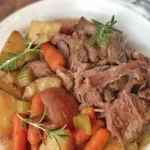
Savory Slow Cooker Pot Roast with Seasoning Packets
- Total Time: 8 hours 10 minutes
- Yield: 6 servings 1x
- Diet: General
Description
An incredibly tender and flavorful slow cooker pot roast made with just a few simple seasoning packets and fresh vegetables.
Ingredients
- 1 3-5lb beef roast
- 1½ cups water
- 1 packet brown gravy mix
- 1 packet ranch dressing mix
- 1 packet Italian dressing mix
- Vegetables of your choice (potatoes, carrots, celery, etc.)
Instructions
- Step: Place your beef roast into your slow cooker with 1½ cups of water.
- Step: Sprinkle all of the seasoning packets over the roast.
- Step: Cover and cook on low for about 4 hours and then add your veggies.
- Step: Cook for an additional 2-4 hours or until the beef easily pulls apart.
Notes
Seasoning packets are approximately 1 ounce. You can replace some of the water with beef broth for added depth of flavor. French onion soup mix can be used in place of the ranch seasoning. For a low-carb alternative, serve with mashed cauliflower.
- Prep Time: 10 minutes
- Cook Time: 8 hours
- Category: Main Course
- Method: Slow Cooking
- Cuisine: American
Nutrition
- Serving Size: 1 serving
- Calories: 420 kcal
- Sugar: 5 g
- Sodium: 1150 mg
- Fat: 22 g
- Saturated Fat: 9 g
- Unsaturated Fat: 13 g
- Trans Fat: 0 g
- Carbohydrates: 16 g
- Fiber: 3 g
- Protein: 36 g
- Cholesterol: 105 mg
Keywords: comfort food, easy dinner idea, slow cooker meals