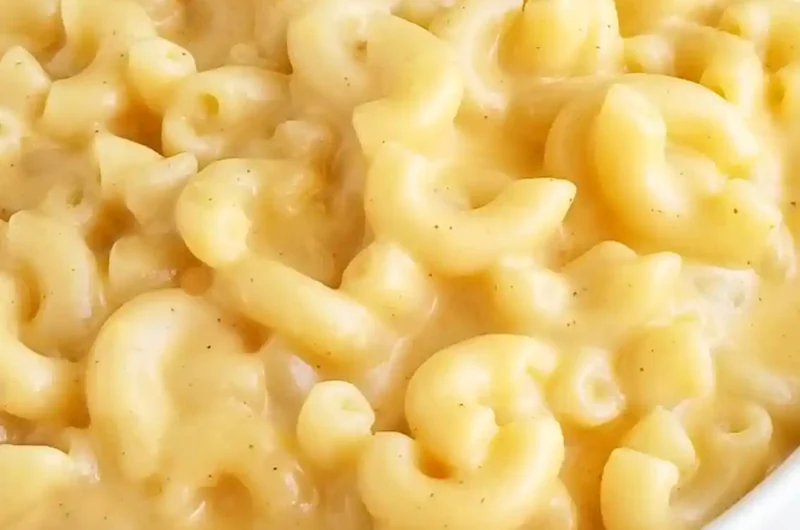
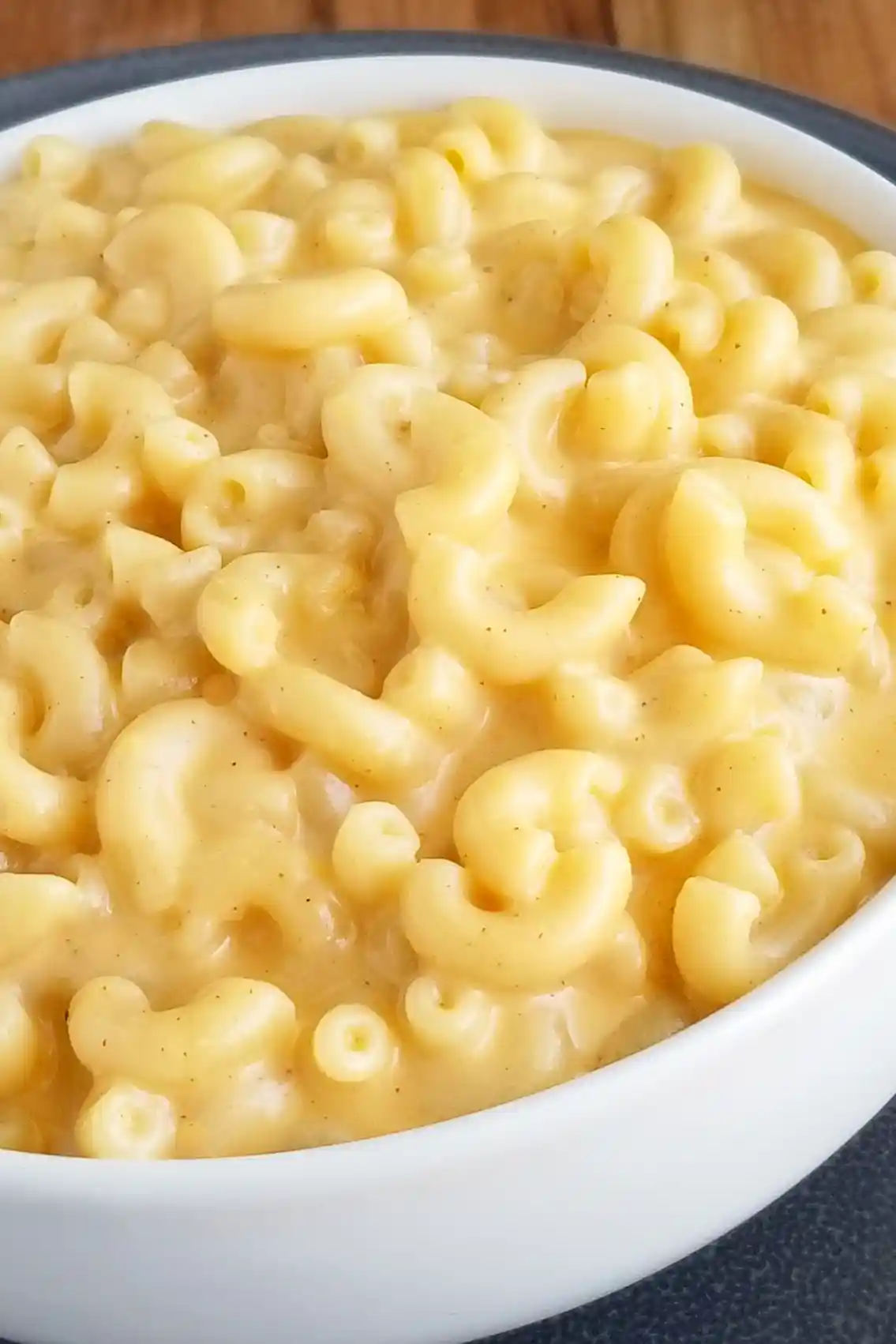
This creamy macaroni and cheese is a quick, homemade version of the classic comfort food. It uses a simple roux and basic pantry staples to create a smooth, cheesy sauce.
List of ingredients
- 1/2 lb. Elbow Macaroni – the classic shape for optimal sauce adhesion.
- 2 cups Cheddar Cheese (grated) – provides the primary sharp, savory flavor.
- 2 tbsp Parmesan Cheese (grated) – adds a salty, nutty depth to the sauce.
- 1 3/4 cups Milk – creates the creamy, liquid base for the roux.
- 3 tbsp Butter – used to create the thickening agent.
- 2 tbsp Flour – combines with butter to stabilize the sauce.
- 1/2 tsp Mustard – enhances the cheese flavor and adds a slight tang.
- 1/4 tsp Salt – balances the richness of the dairy.
- 1/8 tsp Pepper – provides a mild, warm spice.
- 1/4 tsp Paprika – adds a subtle earthiness and color.
- 1/4 tsp Garlic Powder – contributes savory depth.
- 1/4 tsp Onion Powder – complements the garlic and cheese.
step-by-step instructions
- Boil Pasta: Cook the macaroni according to the package instructions. Drain and set aside. Tip: Cook the pasta slightly under the recommended time to prevent it from becoming mushy when mixed with the hot sauce.
- Prepare Roux: In a medium saucepan, add the butter and slowly melt over low heat. Add flour to the melted butter and stir until well incorporated and mixture thickens. Tip: Keep the heat low to prevent the flour from browning, which keeps the sauce a bright color.
- Build the Sauce: Turn burner up to medium heat and slowly add the milk, about a half cup at a time. Continue to stir the sauce until it begins to lightly simmer and thicken. Then, add seasonings and mustard. Tip: Whisking the milk in gradually ensures a smooth consistency without lumps.
- Melt the Cheese: Remove sauce from heat and add the cheddar and parmesan cheese. Stir until the cheese is completely melted. Tip: Taking the pan off the heat prevents the cheese from separating or becoming oily.
- Combine: Pour macaroni into cheese sauce and stir to combine. Enjoy! Tip: Stir gently to avoid breaking the pasta pieces.
Pro Tips for the Perfect Cheese Sauce
Use Freshly Grated Cheese to Avoid Clumping
Pre-shredded cheeses often contain cornstarch or other anti-clumping agents. These additives can prevent the cheese from melting smoothly, resulting in a grainy texture. Grating your own cheese from a block ensures a silky, cohesive sauce.
Control Temperature to Prevent Sauce Separation
High heat can cause the proteins in the cheese to tighten and squeeze out the fat. This leads to a broken sauce that looks oily. Always remove the saucepan from the heat source before stirring in the cheese.
Incorporate Milk Slowly to Maintain Emulsion
Adding all the milk at once can cause the roux to clump. By adding the milk in small increments and whisking constantly, you create a stable emulsion. This ensures the sauce remains thick and velvety.
Cook Pasta Al Dente for Better Texture
Pasta continues to cook slightly when it is folded into the hot cheese sauce. If you overcook the macaroni in the pot, it will lose its structure. Aim for a firm bite to maintain the best mouthfeel.
Use a Heavy-Bottomed Saucepan for Even Heating
Thin pans can create hot spots that burn the butter and flour roux. A heavy-bottomed pot distributes heat more evenly across the surface. This reduces the risk of scorching the milk during the simmering process.
Whisk Constantly During the Thickening Phase
Milk can easily stick to the bottom of the pan as it heats. Using a whisk instead of a spoon helps break up any small flour pockets. This results in a professionally smooth consistency throughout the dish.
Ingredient Substitutions
Substitute Sharp Cheddar with Gruyere for Nutty Flavor
If you prefer a more complex flavor profile, replace half of the cheddar with Gruyere. Gruyere melts exceptionally well and adds a sophisticated, nutty taste. This is a great way to elevate the dish for guests.
Use Oat Milk for a Plant-Based Dairy Alternative
For those avoiding cow’s milk, unsweetened oat milk is a great substitute due to its creamy consistency. Ensure the milk is completely unsweetened to avoid altering the savory flavor of the cheese. Almond milk can also work but may be thinner.
Replace Flour with Cornstarch for a Gluten-Free Option
To make this recipe gluten-free, you can use a cornstarch slurry instead of a butter-flour roux. Mix equal parts cornstarch and cold water, then stir it into the simmering milk. This achieves a similar thickening effect without the wheat.
Swap Elbow Macaroni for Cavatappi for More Sauce
Cavatappi or cellentani pasta has a spiral shape that captures more cheese sauce in every bite. Shells are another excellent alternative that act as little scoops for the sauce. Any short pasta shape will work well here.
Use Heavy Cream for Extra Richness
Replacing a portion of the milk with heavy cream increases the fat content and creates a luxurious texture. This makes the sauce feel heavier and more indulgent. Use a 1:1 ratio of milk to cream for a balanced result.
Experiment with Different Mustard Types
While yellow mustard is classic, Dijon mustard adds a sharper, more pungent flavor. Spicy brown mustard can introduce a subtle heat to the sauce. The acidity in any of these mustards helps cut through the richness of the cheese.
Flavor Variations
Add Diced Jalapenos for a Spicy Kick
Stir in finely diced pickled or fresh jalapenos during the final step. This adds a bright acidity and a spicy contrast to the creamy cheese. You can also add a pinch of cayenne pepper to the seasonings.
Mix in Steamed Broccoli for Added Nutrition
Adding steamed broccoli florets turns this side dish into a more complete meal. Fold in the broccoli at the same time as the macaroni. This adds color, texture, and essential vitamins to the recipe.
Combine with Sautéed Shrimp for a Hearty Meal
Sauté shrimp in butter and garlic before adding them to the finished mac and cheese. This transforms the dish from a side into a protein-rich main course. Ensure the shrimp are fully cooked before folding them in.
Stir in Smoked Paprika for a Deeper Flavor
Replacing regular paprika with smoked paprika introduces a woody, campfire aroma. This gives the dish a flavor profile similar to grilled cheese. It pairs exceptionally well with extra sharp cheddar.
Incorporate Sautéed Onions and Garlic
Sauté finely diced onions in the butter before adding the flour. This creates a savory base that adds depth to the overall taste. It mirrors the flavor of a classic cheese fondue.
Add a Touch of Nutmeg for Traditional Depth
A tiny pinch of ground nutmeg is a secret ingredient in many professional béchamel sauces. It does not make the dish taste like dessert, but it enhances the creaminess of the milk. Add it along with the other seasonings.
Serving and Pairing Ideas
Main Course Pairings for Balance
Serve this mac and cheese alongside grilled chicken breasts or lean beef sliders. The richness of the cheese complements the charred flavor of grilled meats. A simple grilled protein keeps the meal from feeling too heavy.
Vegetable Side Pairings for Freshness
Pair the dish with roasted asparagus or a crisp green garden salad. The acidity of a vinaigrette helps cleanse the palate between bites of cheesy pasta. Steamed carrots or sautéed spinach also provide a healthy contrast.
Garnish Options for Visual Appeal
Top the finished dish with a sprinkle of fresh chopped parsley or a dash of paprika. This adds a pop of color to the yellow sauce. A few extra shreds of fresh parmesan on top can also add a nice textural contrast.
Serving in Individual Ramekins
For a more formal presentation, spoon the mixture into individual ceramic ramekins. This allows you to control the portion size and keeps the food warm. You can even brown the tops quickly under a broiler.
Creating a Breadcrumb Crust
Transfer the finished macaroni to a baking dish and top with panko breadcrumbs mixed with melted butter. Bake at 375 degrees Fahrenheit for 10 minutes until golden. This adds a crunchy element to the creamy interior.
Family Style Platter Presentation
For casual gatherings, serve the mac and cheese in a large cast-iron skillet. The skillet retains heat longer than a ceramic bowl, keeping the sauce creamy. This encourages a communal dining experience.
Storage and Reheating Guidance
Store in Airtight Glass Containers for Freshness
Place leftovers in a tightly sealed glass container to prevent the pasta from absorbing odors from the fridge. Glass is preferable to plastic as it does not retain stains from the cheese sauce. The dish will stay fresh for up to two days.
Use Low Oven Heat for Even Reheating
If reheating a large portion, place it in an oven-safe dish and cover it with foil. Heat at 325 degrees Fahrenheit until warmed through. The foil traps moisture, preventing the cheese from drying out.
Add Milk When Reheating to Restore Creaminess
Pasta absorbs the sauce as it sits in the refrigerator, often making the leftovers dry. Add a splash of milk before microwaving or heating on the stove. This loosens the sauce and restores the original creamy texture.
Freeze in Portions for Easier Meal Prep
While not ideal for texture, you can freeze mac and cheese in individual portions. Use freezer-safe bags and squeeze out all the air. Thaw in the refrigerator overnight before reheating gently on the stove.
Avoid Overheating During Rewarming
Heating the cheese sauce too quickly or at too high a temperature can cause it to break. Use medium-low heat and stir frequently. This ensures the emulsion stays intact and the sauce remains smooth.
Labeling and Dating Containers
Because dairy products have a limited shelf life, always date your storage containers. This ensures you use the leftovers within the safe window of two days. Discard any leftovers that develop an off-smell.
Common Troubleshooting
Fix Grainy Sauce by Stirring in a Small Amount of Milk
If the sauce appears grainy, it is usually because the cheese was overheated. Stir in a tablespoon of warm milk and whisk vigorously over very low heat. This can often help re-emulsify the fats and proteins.
Thin Out Overly Thick Sauce with Warm Milk
Depending on the brand of flour or the type of cheese, the sauce may thicken more than expected. Slowly whisk in warm milk one tablespoon at a time until the desired consistency is reached. Do not use cold milk, as it can shock the sauce.
Balance Blandness by Adding a Pinch More Mustard
If the dish tastes flat, it likely needs more acidity or salt. Add a small amount of mustard or a squeeze of lemon juice to brighten the flavors. This cuts through the heaviness of the butter and milk.
Prevent Sticking by Stirring Pasta Immediately After Draining
Macaroni can clump together if left to sit in the colander. Stir the drained pasta immediately or toss it with a tiny bit of butter. This ensures that each noodle is coated evenly once it hits the cheese sauce.
Adjusting Salt Levels Based on Cheese
Different brands of cheddar and parmesan have varying salt levels. Always taste the sauce after adding the cheese before adding extra salt. You can always add more salt at the end, but you cannot remove it.
Preventing the Sauce from Burning
If you notice the bottom of the pan darkening, immediately move the sauce to a different pot. Scraped burnt bits can ruin the flavor of the entire batch. Keep the heat moderate and stir constantly to avoid this.
Frequently Asked Questions
Can I use pre-shredded cheese?
You can use pre-shredded cheese, but it is not recommended for the best results. The cornstarch coating on pre-shredded cheese can make the sauce grainy. For a professional finish, grate the cheese yourself.
How do I make this for a larger crowd?
Simply double or triple all the ingredient measurements. Use a larger pot to ensure there is enough room to stir the pasta without spilling. Be mindful that cooking times for the roux may increase slightly with larger volumes.
Is it possible to bake this recipe?
Yes, you can bake this recipe by transferring the mixture to a baking dish. Top it with extra cheese or breadcrumbs and bake at 350 degrees Fahrenheit for 15-20 minutes. This creates a firmer, gratin-style dish.
What is the best type of mustard to use?
Yellow mustard is the standard for a classic American taste. However, Dijon mustard is the best choice for a more sophisticated, sharper flavor. Either option works well to enhance the cheese.
Can I use a different type of milk?
Whole milk provides the best richness, but 2% or skim milk will also work. For non-dairy options, unsweetened oat or soy milk are the best substitutes. Avoid using sweetened versions as they will ruin the savory taste.
Why is my cheese sauce separating?
Separation usually happens when the sauce is boiled after the cheese has been added. The high heat breaks the emulsion. To fix this, remove the pan from the heat and stir in a small amount of milk.
Print
Creamy Homemade Macaroni and Cheese
- Total Time: 25 minutes
- Yield: 4 servings 1x
- Diet: General
Description
Super easy and creamy macaroni and cheese recipe. Making a delicious mac and cheese at home from scratch has never been easier!
Ingredients
- 1/2 lb. Elbow Macaroni
- 2 cups Cheddar Cheese (grated)
- 2 tbsp Parmesan Cheese (grated)
- 1 3/4 cups Milk
- 3 tbsp Butter
- 2 tbsp Flour
- 1/2 tsp Mustard
- 1/4 tsp Salt
- 1/8 tsp Pepper
- 1/4 tsp Paprika
- 1/4 tsp Garlic Powder
- 1/4 tsp Onion Powder
Instructions
- Step: Cook the macaroni according to the package instructions. Drain and set aside.
- Step: In a medium saucepan, add the butter and slowly melt over low heat. Add flour to the melted butter and stir until well incorporated and mixture thickens.
- Step: Turn burner up to medium heat and slowly add the milk, about a half cup at a time. Continue to stir the sauce until it begins to lightly simmer and thicken. Then, add seasonings and mustard.
- Step: Remove sauce from heat and add the cheddar and parmesan cheese. Stir until the cheese is completely melted.
- Step: Pour macaroni into cheese sauce and stir to combine. Enjoy!
Notes
Store leftovers in a tightly sealed container in the fridge for up to two days.
- Prep Time: 5 minutes
- Cook Time: 20 minutes
- Category: Side Dish
- Method: Stovetop
- Cuisine: American
Nutrition
- Serving Size: 1 serving
- Calories: 484 kcal
- Sugar: 6 g
- Sodium: 539 mg
- Fat: 26 g
- Saturated Fat: 15 g
- Unsaturated Fat: 7 g
- Trans Fat: 0.3 g
- Carbohydrates: 42 g
- Fiber: 2 g
- Protein: 20 g
- Cholesterol: 75 mg
Keywords: best macaroni and cheese recipe, creamy mac and cheese, easy macaroni and cheese, mac and cheese, macaroni and cheese, simple mac and cheese