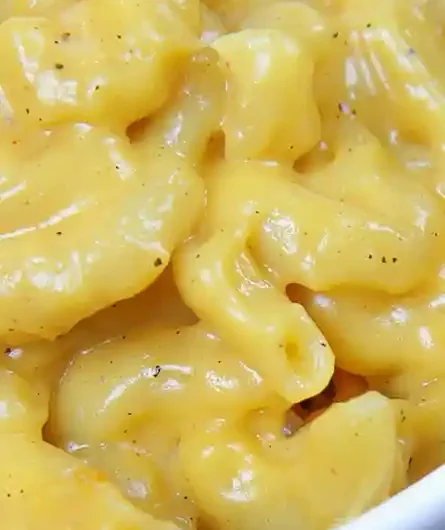
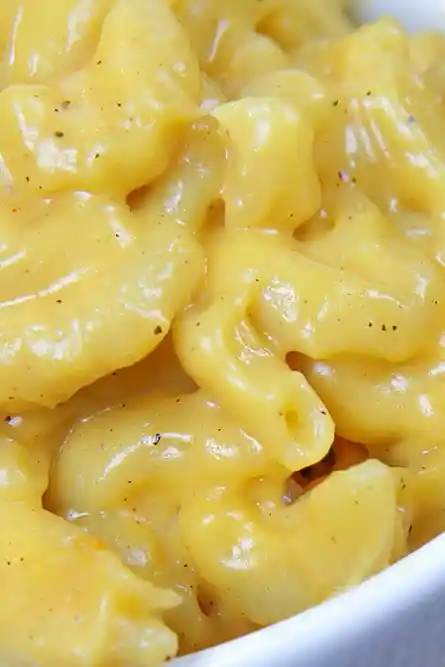
This slow cooker macaroni and cheese is prepared without pre-boiling the noodles, which simplifies the cooking process and reduces cleanup. It produces a rich and creamy cheese sauce that coats the pasta perfectly during the slow cooking cycle. It is an ideal choice for a hands-off family dinner or a hearty side dish for gatherings.
List of ingredients
- 16 ounces elbow pasta – uncooked, standard size.
- 4 cups 2% milk – provides the liquid for cooking the noodles.
- 8 ounces sharp cheddar cheese – hand-grated for a better melt.
- 8 ounces colby jack cheese – hand-grated for creaminess.
- 8 ounces Velveeta – cubed into small pieces for stability.
- 1 teaspoon salt – to balance the flavors.
- 1 teaspoon pepper – for a subtle savory kick.
- 1/2 teaspoon dried mustard – adds a sharp, tangy contrast to the cheese.
- 1/4 teaspoon paprika – provides a hint of earthiness and color.
step-by-step instructions
- Prepare the pot: Spray the interior of your slow cooker with cooking spray or use a slow cooker liner to prevent sticking.
- Whisk the base: Pour the milk into the crock pot and whisk in the dried mustard, paprika, salt, and pepper until well combined.
- Add cheese and pasta: Stir in the grated cheddar, grated colby jack, cubed Velveeta, and the uncooked elbow noodles.
- Submerge the noodles: Ensure the pasta is as covered as possible by the milk mixture to ensure even cooking.
- Slow cook: Cover the pot and cook on the low setting for 2 to 3 hours, or until the noodles are tender.
- Stir occasionally: Gently stir the mixture once or twice during the cooking process to keep noodles from sticking, but do not over-stir.
- Serve: Dish out the macaroni and cheese immediately for the best creamy texture.
Cheese Selection and Preparation
Hand-Grate Cheese for a Smoother Melt
Always grate your cheddar and colby jack cheeses by hand using a box grater or food processor. Pre-shredded cheeses are coated in cellulose or potato starch to prevent clumping in the bag. These additives prevent the cheese from melting smoothly and can result in a grainy or gritty texture in the final sauce.
The Role of Processed Cheese
Using a processed cheese like Velveeta provides essential emulsifiers that keep the sauce from separating. These ingredients ensure that the fats and liquids stay bonded even during the long, slow heating process. This prevents the oil from pooling on top and keeps the consistency velvety.
Alternative Cheese Combinations
While cheddar and colby jack are traditional, you can substitute these with white cheddar, Gruyere, or Monterey Jack. If you use a sharper cheese, you may want to slightly reduce the added salt. Always maintain a balance between a sharp flavored cheese and a meltable one to achieve the best results.
Managing Cheese Ratios
The 1:1:1 ratio of the three cheeses provides a balance of flavor and texture. Increasing the amount of sharp cheddar will result in a bolder taste but may make the sauce slightly less smooth. Increasing the processed cheese will make the dish creamier but may mute the natural cheese flavors.
Liquid and Pasta Optimization
Selecting the Right Milk Percentage
2% milk provides a good balance of creaminess without making the dish overly heavy. You can use whole milk for a richer, more decadent sauce or 1% milk for a slightly lighter version. Avoid using skim milk, as it lacks the fat necessary to emulsify with the cheese, which can lead to a thinner sauce.
Choosing the Correct Noodle Shape
Elbow macaroni is the standard choice because its shape and size are ideal for the slow cooker’s heat distribution. Small shells are another excellent alternative that holds onto the cheese sauce well. Avoid using very large pasta shapes like rigatoni or penne, as they require longer cooking times and may result in unevenly cooked noodles.
Preventing Mushy Pasta
To avoid overcooking the noodles, start checking for doneness at the two-hour mark. Because slow cookers vary in temperature, the pasta can go from al dente to mushy very quickly. Remove the pot from the heat as soon as the noodles are tender but still have a slight bite.
Ensuring Even Liquid Distribution
It is critical to stir the noodles into the milk so they are fully submerged. Pasta that remains exposed to the air at the top of the pot will not cook at the same rate as the submerged noodles. This results in a dish with some hard pieces and some overcooked pieces.
Flavor and Seasoning Variations
Adding Heat with Peppers
For a spicy version, stir in a pinch of cayenne pepper or a few dashes of hot sauce before cooking. You can also substitute the colby jack with pepper jack cheese for a built-in spicy kick. These additions complement the richness of the cheese without overpowering it.
Incorporating Savory Herbs
Freshly chopped parsley or chives added at the very end of the cooking process provide a fresh contrast to the heavy cheese. Dried thyme or oregano can be whisked into the milk for a more earthy, herbal profile. Ensure herbs are added late to prevent them from losing their flavor during the long cook.
Using Garlic and Onion Powders
Adding a half teaspoon of garlic powder and onion powder to the milk base adds depth to the sauce. These seasonings enhance the savory notes of the cheddar cheese. Be careful not to over-season, as the processed cheese already contains a significant amount of sodium.
Customizing the Tangy Profile
If you prefer a more tangy sauce, you can increase the amount of dried mustard or add a teaspoon of Dijon mustard. The acidity in mustard helps cut through the fat of the cheese and milk. This creates a more balanced flavor profile that mimics a traditional stovetop roux-based sauce.
Expanding the Recipe into a Full Meal
Incorporating Pre-Cooked Proteins
To turn this side dish into a main course, stir in cooked shredded chicken, diced ham, or browned ground beef. It is important to add these proteins at the end of the cooking cycle. Cooking raw meat inside the cheese sauce can alter the cooking time and affect the texture of the pasta.
Adding Steamed Vegetables
Stirring in steamed broccoli florets, peas, or baby spinach during the last 30 minutes of cooking adds nutritional value and color. Steaming the vegetables beforehand ensures they are fully cooked without requiring extra liquid in the pot. This prevents the cheese sauce from becoming too watery.
Pairing with Fresh Salads
Balance the richness of the macaroni and cheese by serving it alongside a crisp rainbow salad or a lemon-dressed kale salad. The acidity of a vinaigrette helps cleanse the palate between bites of cheesy pasta. This makes the overall meal feel lighter and more balanced.
Serving as a Casserole Base
You can transfer the finished slow cooker mac and cheese into a baking dish and top it with Panko breadcrumbs and butter. Broil the dish in the oven for 3 to 5 minutes until the top is golden brown. This adds a textural contrast that is missing from the slow cooker method.
Storage and Reheating Guidelines
Refrigerating Leftovers
Store any remaining macaroni and cheese in an airtight container in the refrigerator for up to three days. Ensure the food is cooled slightly before sealing the container to prevent excessive condensation. The sauce will naturally thicken significantly as it cools in the fridge.
Microwave Reheating Tips
Reheat portions in the microwave using 30-second intervals. Between each interval, stir the pasta to redistribute the heat and the cheese sauce. If the sauce appears too thick or dry, stir in a tablespoon of milk to restore the original creaminess.
Oven Reheating Method
For larger quantities, place the leftovers in an oven-safe dish and cover tightly with aluminum foil. Heat in a 350-degree F oven until warmed through. The foil is essential to trap moisture and prevent the cheese from forming a hard crust on top.
Avoiding Freezer Damage
It is not recommended to freeze this specific no-boil recipe. The high moisture content in the milk and the structure of the processed cheese can cause the sauce to break upon thawing. This often results in a grainy texture and mushy noodles that cannot be easily fixed.
Slow Cooker Technical Tips
Preventing Sauce Curdling
Keep the slow cooker on the low setting throughout the entire process. High heat can cause the proteins in the milk to clump and the fats in the cheese to separate, leading to a curdled appearance. Low and slow heat ensures the emulsifiers in the cheese work effectively.
Managing Different Pot Sizes
Use a large slow cooker (6 to 8 quarts) to allow plenty of room for stirring and heat circulation. If the pot is too full, the milk may bubble over the edges, and the noodles at the bottom may overcook while the top stays hard. Ensure there is at least an inch of headspace at the top.
Dealing with Sticking
Greasing the sides of the pot with cooking spray is the first line of defense against sticking. If you notice the noodles clinging to the bottom during your occasional stir, avoid scraping the bottom too aggressively. Instead, gently fold the ingredients to incorporate the sauce.
Evaluating Noodle Doneness
Since every slow cooker model varies in heat intensity, always perform a taste test at the 2-hour mark. The noodles should be tender but not falling apart. If they are still too firm, continue cooking in 15-minute increments until the desired texture is reached.
Frequently Asked Questions
Can I double this recipe?
Yes, you can double the ingredients as long as your slow cooker is large enough to hold the volume. The cooking time remains the same, but you should be more diligent about stirring to ensure the larger mass of pasta cooks evenly.
Can I cook this on the high setting?
It is not recommended to use the high setting for this recipe. High heat increases the risk of burning the milk at the bottom of the pot and can cause the cheese sauce to separate or curdle.
Can I make this ahead of time?
You can prepare the cheese and seasonings in advance, but the cooking should happen on the day of serving. The pasta continues to absorb liquid over time, so making it too far in advance will lead to a mushy texture.
What if the sauce is too thin?
If the sauce is thinner than desired, let the dish sit for 10 to 15 minutes after turning off the heat. The pasta will absorb more liquid as it rests, and the sauce will naturally thicken as it cools slightly.
Can I use different pasta shapes?
Small shells or cavatappi work well as substitutes for elbow macaroni. However, avoid using large shapes like rigatoni, as they may take significantly longer to cook through in a slow cooker environment.
Do I need to use Velveeta?
While you can substitute it with other meltable cheeses like American cheese, some form of processed cheese is recommended. This ensures the sauce stays smooth and creamy throughout the slow cooking process without separating.
Print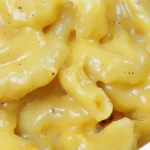
Easy No-Boil Slow Cooker Macaroni and Cheese
- Total Time: 2 hours 15 minutes
- Yield: 8 servings 1x
- Diet: General
Description
No Boil Crock Pot Mac and Cheese is a rich and creamy Mac & Cheese that’s so easy using uncooked macaroni noodles and lots of yummy cheese!
Ingredients
- 16 ounces elbow pasta
- 4 cups 2% milk
- 8 ounces sharp cheddar cheese, grated
- 8 ounces colby jack cheese, grated
- 8 ounces Velveeta, cubed
- 1 teaspoon salt
- 1 teaspoon pepper
- 1/2 teaspoon dried mustard
- 1/4 teaspoon paprika
Instructions
- Spray: Spray your slow cooker with cooking spray.
- Whisk: In a large crock pot whisk together your milk, ground mustard, paprika, salt and pepper.
- Stir: Stir in the three cheeses and the noodles. Cover as much of the noodles as you can with the milk.
- Cook: Cook on low for 2-3 hours or until the pasta is tender. Stir just enough to keep the noodles from sticking. Don’t over stir.
- Serve: Serve immediately.
Notes
For best results, hand-grate your cheese rather than using pre-shredded cheese to ensure a creamy sauce. Serve immediately for the best texture.
- Prep Time: 15 minutes
- Cook Time: 2 hours
- Category: Dinner
- Method: Slow Cooker
- Cuisine: American
Nutrition
- Serving Size: 1 serving
- Calories: 494 kcal
- Sugar: 10 g
- Sodium: 1144 mg
- Fat: 17 g
- Saturated Fat: 11 g
- Unsaturated Fat: 5 g
- Trans Fat: 1 g
- Carbohydrates: 53 g
- Fiber: 2 g
- Protein: 31 g
- Cholesterol: 54 mg
Keywords: Crock Pot Mac and Cheese, No Boil Mac and Cheese