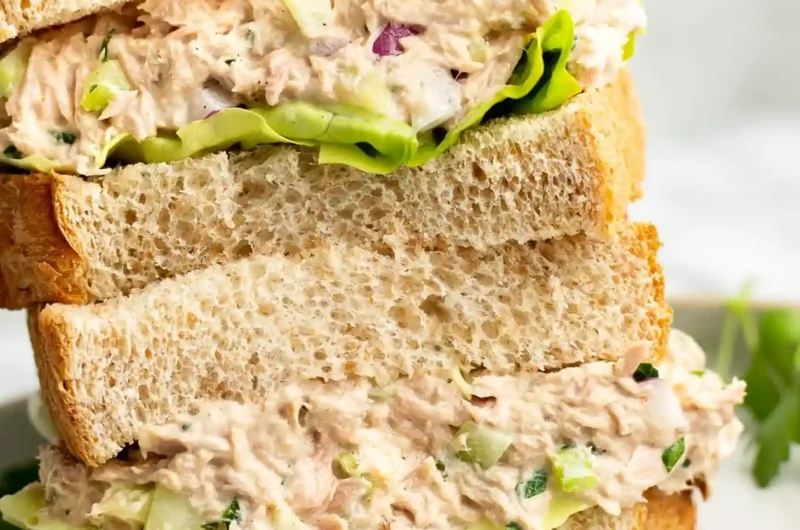
This tuna salad is a quick and refreshing meal option that combines creamy textures with a satisfying crunch. It is designed for easy preparation using simple ingredients found in most kitchens.
List of ingredients
- 2 (5 ounce) cans tuna (oil-packed preferred), drained – provides the main protein base.
- 1/3 cup mayo (or to taste) – adds creaminess and binds ingredients.
- 1 teaspoon Dijon mustard (or grainy mustard) – provides a savory depth of flavor.
- 1 stick celery, chopped small – adds a necessary crisp texture.
- 1/2 tablespoon lemon juice – brings a bright, acidic balance.
- 1-2 tablespoons red onion, chopped small – offers a mild, sharp flavor.
- 1 tablespoon fresh Italian parsley, chopped – adds a touch of herbal freshness.
- Salt & pepper, to taste – essential for seasoning.
- Optional: 1-2 tablespoons sweet relish, chopped pickles (dill or sweet), or chopped capers – for extra tanginess.
step-by-step instructions
- Prepare the Tuna: Drain the canned tuna thoroughly and place it in a mixing bowl. Use a fork to mash and flake the tuna until it reaches your desired consistency.
- Combine Ingredients: Add the mayonnaise, Dijon mustard, chopped celery, lemon juice, red onion, fresh parsley, salt, and pepper to the bowl. Stir all ingredients together until they are evenly distributed.
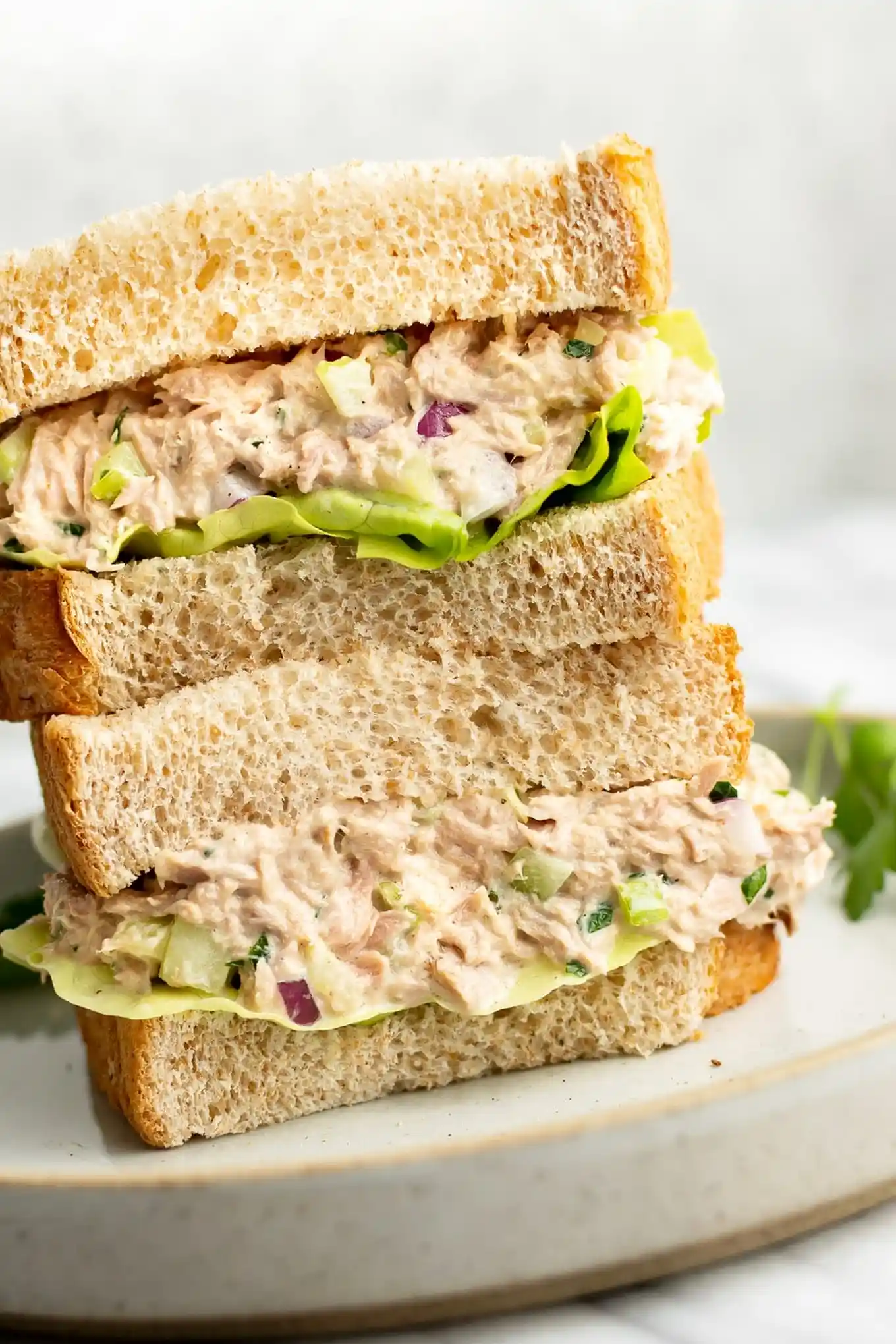
- Final Adjustments: Taste the salad and add more seasoning or mayonnaise if needed. Serve the mixture in sandwiches with lettuce and cucumber, in wraps, or in lettuce cups for a low-carb option.
Customizing Your Tuna Salad
Adding Tangy Elements
You can introduce a sharper flavor profile by stirring in sweet relish, diced dill pickles, or capers. These ingredients provide bursts of acidity that cut through the richness of the mayonnaise. Start with one tablespoon and adjust based on your preference for tanginess.
Incorporating Creamy Avocado
For a heartier and creamier version, fold in some finely diced avocado just before serving. The avocado adds healthy fats and a buttery texture that complements the tuna well. This variation is best enjoyed immediately to prevent the avocado from browning.
Adding Hard Boiled Eggs
Combining tuna with chopped hard-boiled eggs creates a hybrid salad that is more filling and visually appealing. The eggs add a soft, rich texture that balances the crunch of the celery. This is a great way to increase the protein content of your lunch.
Increasing Citrus Notes
If you prefer a more zesty flavor, add the zest of half a lemon along with the juice. The zest contains essential oils that provide a more intense aroma and a brighter taste than the juice alone. This makes the salad feel lighter and more summery.
Adding a Spicy Kick
To give the salad some heat, stir in a few dashes of your favorite hot sauce or a pinch of crushed red pepper flakes. This adds a modern twist to the traditional recipe and awakens the other flavors. Be careful to add the spice gradually to avoid overpowering the tuna.
Using Bold Seasonings
Try replacing the standard salt and pepper with a dash of celery salt or Cajun seasoning for a more complex taste. Celery salt enhances the natural flavor of the celery, while Cajun spices add a smoky, peppery depth. These small changes can significantly alter the character of the dish.
Switching the Tuna Variety
While standard canned tuna is traditional, using smoked tuna can provide a deeper, more sophisticated flavor. Smoked tuna has a natural richness that pairs exceptionally well with the lemon juice and red onion. This version is particularly impressive when served on high-quality toasted bread.
Best Ways to Serve Tuna Salad
Classic Sandwich Pairings
The most traditional way to enjoy this salad is in a sandwich with crisp lettuce and sliced cucumbers. These additions provide a cooling effect and an extra layer of crunch that complements the creamy tuna. Toasted sourdough or whole-grain bread works best for a sturdy base.
Using Peppery Greens
For a more gourmet experience, serve the tuna salad on a bed of arugula or watercress. The peppery notes of these greens create a sophisticated contrast with the savory and creamy elements of the salad. This option is excellent for those looking for a lighter meal.
Making a Tuna Melt
Transform the salad into a warm meal by creating an open-faced tuna melt. Place a generous scoop of tuna salad on a slice of bread, top it with a slice of cheddar cheese, and broil it in the oven for a few minutes. The melted cheese adds a savory, gooey layer that is highly satisfying.
Alternative Bread Options
Move beyond standard sliced bread by using toasted croissants, pita pockets, or flour tortillas. Croissants add a buttery richness, while pitas are convenient for on-the-go eating. Tortilla wraps allow you to add more vegetables like shredded carrots or spinach.
Low-Carb Serving Ideas
If you are avoiding grains, use large Romaine lettuce leaves or hollowed-out cucumber boats as vessels. These options maintain the crunch of a sandwich without the added carbohydrates. They are perfect for a light summer lunch or a healthy appetizer.
Ingredient Selection Guide
Choosing Oil-Packed Tuna
Selecting tuna packed in olive oil generally results in a moister and more flavorful salad. Oil-packed tuna resists becoming dry, which reduces the amount of mayonnaise needed to achieve a creamy consistency. Always drain the excess oil well before mixing to avoid a greasy texture.
Selecting the Right Mayonnaise
A high-quality, full-fat mayonnaise provides the best emulsion and a classic creamy mouthfeel. If you prefer a lighter option, you can swap half of the mayonnaise for plain Greek yogurt. This maintains the creaminess while adding a slight tang and increasing the protein content.
Using Fresh Italian Parsley
Fresh Italian flat-leaf parsley is preferred over curly parsley because it has a more robust and clean flavor. It adds a bright green color and a fresh herbal note that lifts the entire dish. Always chop the parsley finely to ensure the flavor is distributed evenly.
Choosing the Best Onion
Red onions are recommended for this recipe because they are generally milder than white or yellow onions. Their vibrant color also makes the salad more visually appealing. For an even milder taste, soak the chopped onions in cold water for ten minutes before adding them.
Storage and Freshness
Refrigeration Guidelines
Store your tuna salad in an airtight glass or plastic container in the refrigerator. It will remain fresh and tasty for up to three to five days. Keeping it sealed prevents the salad from absorbing other odors in the fridge and keeps the ingredients from drying out.
Food Safety Precautions
Seafood is highly perishable, so it is critical to refrigerate the salad immediately after preparation. Avoid leaving the tuna salad on the counter for more than two hours, especially in warm weather. Always check for a fresh smell before consuming leftovers.
Maintaining Texture
To keep the celery and onions crisp, ensure they are chopped freshly and mixed in just before the salad is chilled. If you are preparing the salad several days in advance, the vegetables will soften slightly. This is normal, but for maximum crunch, mix the vegetables in shortly before serving.
Common Tuna Salad Questions
Can I use Greek yogurt instead of mayo?
Yes, you can replace some or all of the mayonnaise with plain Greek yogurt for a healthier alternative. Greek yogurt provides a similar creamy texture and adds a probiotic tang. However, using only yogurt may make the salad slightly more tart, so you might need to adjust the lemon juice.
How do I stop my tuna salad from being too watery?
The most common cause of watery tuna salad is insufficient draining of the canned tuna. Use a fine-mesh strainer to remove as much liquid as possible, and pat the tuna dry with a paper towel. Additionally, ensure your chopped celery is dried after washing.
Can I freeze tuna salad?
It is not recommended to freeze tuna salad because the mayonnaise is an emulsion that will break during the freezing and thawing process. This results in a separated, oily texture and a loss of quality. It is best to make the salad fresh or keep it refrigerated.
What is the best way to drain canned tuna?
For the most efficient drain, press the lid down firmly with a spoon to squeeze out the liquid before opening the can fully. Alternatively, dump the contents into a colander and press down with a fork. This ensures the salad doesn’t become overly diluted.
Which type of mustard works best?
Dijon mustard is the gold standard for tuna salad because of its sharp, pungent flavor. Grainy mustard is an excellent alternative if you prefer a more textured, rustic taste. Both options provide the necessary acidity to balance the mayonnaise.
Troubleshooting Common Issues
Fixing an Overly Salty Salad
If the salad tastes too salty, add a small amount of extra mayonnaise or a squeeze of fresh lemon juice. The fat in the mayo and the acid in the lemon help neutralize the perception of salt. You can also add more chopped celery or parsley to dilute the saltiness.
Correcting a Bland Taste
A bland tuna salad usually lacks enough acidity or seasoning. Increase the amount of lemon juice or add a pinch more salt and black pepper. A small addition of Dijon mustard can also wake up the flavors and provide more depth.
Managing Too Much Moisture
If the salad appears too loose or watery, stir in an additional tablespoon of mayonnaise to bind the ingredients. You can also mix in a teaspoon of Greek yogurt or a bit of finely crumbled hard-boiled egg. These additions help absorb excess moisture and thicken the consistency.
Print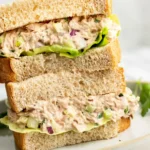
Classic Creamy Tuna Salad
- Total Time: 15 minutes
- Yield: 4 servings 1x
- Diet: General
Description
This tuna salad recipe is fast and simple to prepare, uses fresh everyday ingredients, and makes the best tuna salad sandwiches or wraps!
Ingredients
- 2 (5 ounce) cans tuna (drained)
- 1/3 cup mayo
- 1 teaspoon Dijon mustard
- 1 stick celery (chopped small)
- 1/2 tablespoon lemon juice
- 1–2 tablespoons red onion (chopped small)
- 1 tablespoon fresh Italian parsley (chopped)
- Salt & pepper (to taste)
Instructions
- Prep Tuna: Drain the tuna and add it to a bowl. Mash/flake it with your fork to desired texture.
- Mix: Add the remaining ingredients to the bowl and mix together. Taste and adjust as needed.
- Serve: Serve in sandwiches (I usually add lettuce and cucumber to mine), wraps, or even lettuce wraps for a low-carb option.
Notes
Tuna salad will keep for 3-5 days in the fridge.
- Prep Time: 15 minutes
- Cook Time: 0 minutes
- Category: Main Course
- Method: Mixing
- Cuisine: American
Nutrition
- Serving Size: 1 serving
- Calories: 192 kcal
- Sugar: 1 g
- Sodium: 317 mg
- Fat: 15 g
- Saturated Fat: 2 g
- Unsaturated Fat: 12 g
- Trans Fat: 1 g
- Carbohydrates: 1 g
- Fiber: 1 g
- Protein: 14 g
- Cholesterol: 33 mg
Keywords: tuna salad, easy lunch, tuna sandwich, healthy lunch