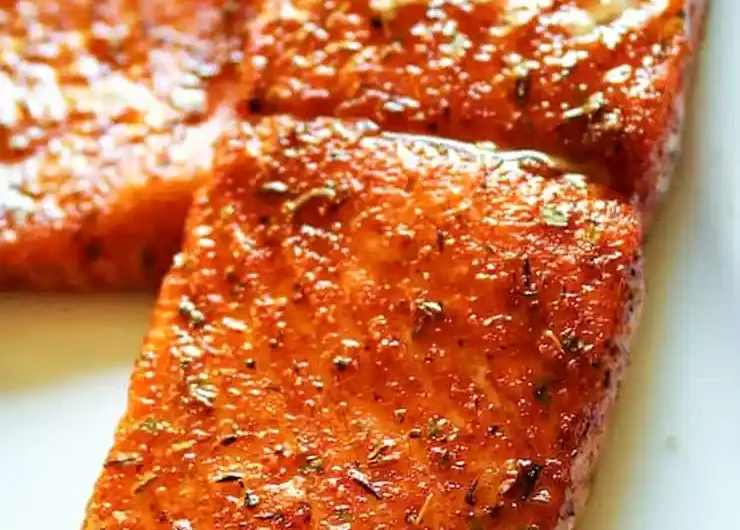
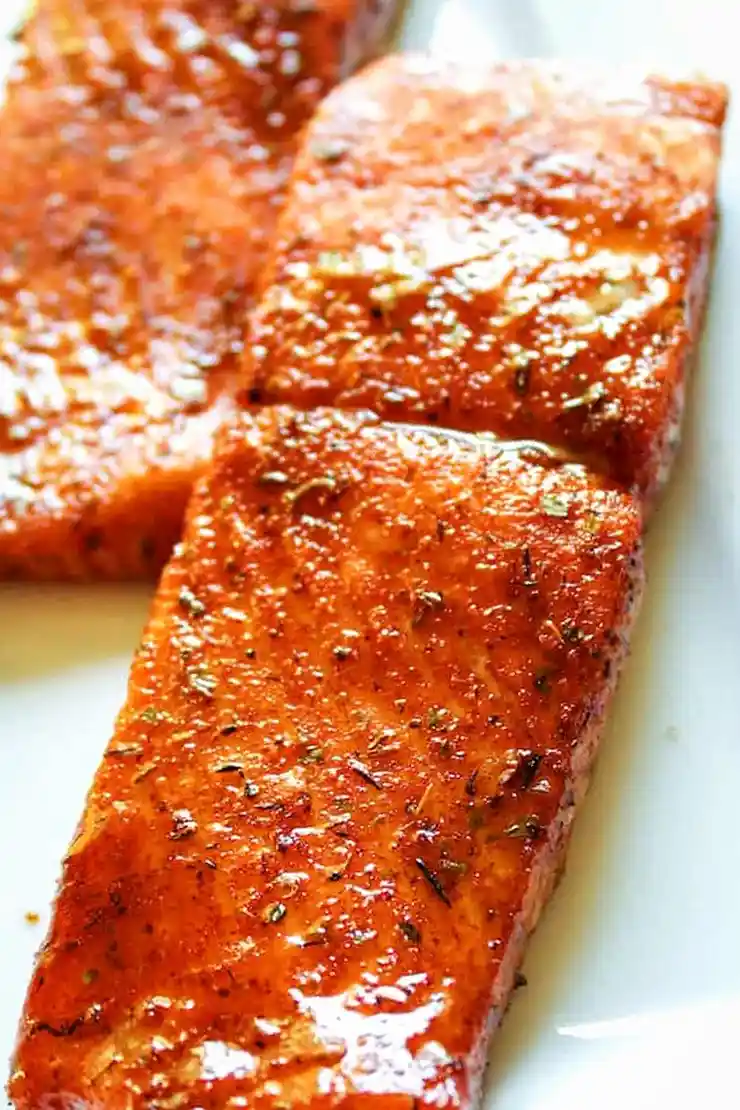
This quick salmon recipe balances sweet brown sugar with bold Cajun spices for a restaurant-quality meal. It is perfect for busy weeknights, requiring only 20 minutes from start to finish.
List of ingredients
- 2-4 salmon fillets, skinless, about 6-8 ounces each – use fresh or thawed fillets for best results.
- 4 tablespoons dark brown sugar – provides a deep, molasses-like sweetness and caramelization.
- 2 teaspoons Cajun/Creole seasoning – check if your blend contains salt to adjust seasoning.
- Kosher salt – used for basic seasoning of the fish.
step-by-step instructions
- Prepare the oven: Preheat your oven to 400ºF to ensure it is hot enough for proper searing and glazing.
- Combine spices: In a small mixing bowl, stir together the dark brown sugar and Cajun seasoning until well blended.
- Season the fish: Lightly sprinkle kosher salt on both the top and bottom sides of the salmon fillets.
- Apply the glaze: Place a heaping tablespoon of the sugar and spice mixture on top of each fillet. Gently rub the mixture over both sides until the salmon is evenly coated.
- Arrange for baking: Place the seasoned fillets on a baking sheet lined with aluminum foil for easy cleanup.
- Bake and rest: Bake in the middle rack of the oven for 12 minutes. Remove from the oven and let the fish rest for 3 minutes before serving.
Optimizing Your Cooking Results
Selecting the Right Salmon Cut
Choose center-cut fillets for uniform thickness, which ensures the fish cooks evenly across the entire piece. If using wild-caught salmon, be aware that it is leaner and may cook faster than Atlantic farmed salmon.
Managing Salt Levels
Cajun seasoning blends vary significantly; some are salt-free while others are primarily salt. Taste your seasoning blend first; if it is highly salted, omit the additional kosher salt to prevent the dish from becoming over-seasoned.
Preparing the Baking Surface
Brown sugar caramelizes quickly and can stick to metal pans, making cleanup difficult. Using a heavy-duty aluminum foil liner or parchment paper prevents the glaze from bonding to the pan.
Determining Perfect Doneness
Salmon is perfectly cooked when it reaches an internal temperature of 145ºF or when it flakes easily with a fork. Avoid overcooking, as salmon can become dry and tough very quickly once it passes this point.
Ingredient Substitutions and Swaps
Using Light Brown Sugar
If you do not have dark brown sugar, light brown sugar works as a direct substitute. The flavor will be slightly less intense, as dark brown sugar contains more molasses, but the caramelization process remains the same.
Working with Skin-On Fillets
You can use salmon with the skin still attached if preferred. The skin acts as a protective barrier for the bottom of the fillet, and once cooked, the flesh should slide off the skin easily with a spatula.
Adjusting the Heat Level
To increase the spiciness, add a pinch of cayenne pepper or smoked paprika to the sugar mixture. For a milder flavor, reduce the Cajun seasoning to one teaspoon and supplement with paprika for color.
Alternative Fish Options
This glaze works well with other firm-fleshed fish like trout or Arctic char. Since these fillets are often thinner than salmon, reduce the baking time by 2-3 minutes to prevent overcooking.
Serving Ideas and Pairings
Incorporating Fresh Greens
Pair this sweet and spicy salmon with steamed broccoli or sautéed spinach to balance the richness of the glaze. The bitterness of dark leafy greens complements the molasses notes of the brown sugar.
Choosing the Right Grain
Serve the fillets over a bed of fluffy quinoa, wild rice, or basmati rice. These grains absorb the excess glaze from the baking sheet, ensuring no flavor is wasted.
Vegetable Accompaniments
Roasted asparagus or honey-glazed carrots provide a complementary sweetness and crunch. Roast them on a separate tray at the same temperature as the salmon for a coordinated meal.
Fresh Herb Garnishes
Finish the dish with a sprinkle of fresh chopped parsley or chives to add a pop of color and a fresh, oniony contrast. A squeeze of fresh lemon juice over the top just before serving cuts through the sweetness.
Storage and Preservation
Refrigeration Guidelines
Store leftover salmon in an airtight glass container in the refrigerator. Ensure the fish is completely cooled before sealing to prevent condensation, which can make the glaze soggy.
Container Selection
Glass containers are preferable to plastic for salmon to avoid flavor transfer. A tight seal prevents the fish from absorbing odors from other items in the fridge and keeps the flesh moist.
Freezing Cooked Salmon
While fresh is best, you can freeze cooked salmon by wrapping individual fillets in freezer-grade foil. This prevents freezer burn and preserves the integrity of the spice rub.
Maximum Storage Duration
Cooked salmon should be consumed within 3 to 4 days when refrigerated. If frozen, it is best used within two months for optimal taste and texture.
Reheating for Best Texture
Low-Temperature Oven Method
To reheat, place the salmon in a 275ºF oven for about 10-15 minutes. This slow heating process prevents the proteins from tightening and keeps the fish from becoming rubbery.
Using an Air Fryer
Set the air fryer to 350ºF and heat the fillet for 3-5 minutes. This method helps recrystallize the sugar glaze, giving the salmon a slightly crisp exterior again.
Microwave Precautions
If using a microwave, use a medium power setting and heat in 30-second intervals. Cover the fish with a damp paper towel to trap steam and prevent the fillet from drying out.
Maintaining Glaze Quality
Avoid reheating salmon multiple times, as the brown sugar glaze can break down and become oily. Reheat only the portion you intend to eat immediately.
Preparation and Planning
Advanced Rub Application
You can apply the brown sugar and Cajun rub to the salmon a few hours before cooking. This allows the salt to penetrate deeper into the flesh, enhancing the overall flavor profile.
Thawing Frozen Fillets
Thaw frozen salmon slowly in the refrigerator overnight for the safest and most consistent results. If you are in a rush, place the vacuum-sealed fillets in a bowl of cold water, changing the water every 30 minutes.
Batch Cooking for Meal Prep
This recipe is ideal for meal prepping because it holds up well during reheating. Bake several fillets at once and portion them into containers with a side of grains and vegetables for the week.
Room Temperature Tempering
Let the salmon fillets sit at room temperature for about 15-20 minutes before baking. This ensures the fish cooks more evenly from the center to the exterior.
Common Cooking Troubleshooting
Preventing Burnt Sugar
If the sugar glaze begins to burn before the fish is cooked through, tent the fillets loosely with aluminum foil. This reflects some of the direct heat and allows the fish to finish cooking without scorching the glaze.
Fixing Overcooked Fish
If you accidentally overcook the salmon, serve it with a dollop of Greek yogurt or a lemon-butter sauce. The added moisture helps mask the dryness of overcooked proteins.
Correcting a Bland Glaze
If the flavor feels muted, add a small pinch of salt or a dash of lemon juice after cooking. Acidity enhances the perception of salt and spice, brightening the entire dish.
Preventing Sticking
If the salmon sticks to the foil, use a fish spatula to gently lift from the edges. To avoid this entirely, lightly spray the foil with a non-stick cooking spray before adding the fillets.
Frequently Asked Questions
Can I use a different sugar?
You can use maple sugar or coconut sugar for a different flavor profile. However, these may caramelize at different rates than brown sugar, so monitor the oven closely.
How do I know when salmon is done?
The most reliable method is using a meat thermometer to check for 145ºF. Visually, the salmon should change from translucent pink to an opaque light pink.
Is skin-on salmon okay?
Yes, skin-on salmon is perfectly fine. Simply rub the mixture on the top and sides, and the skin will protect the bottom of the fish from the direct heat of the pan.
Can I grill this instead?
Yes, you can grill these fillets over medium heat. Place the salmon skin-side down and grill for about 5-6 minutes per side, brushing on extra glaze during the final few minutes.
Print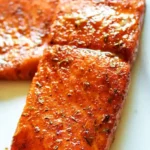
Spicy Cajun Glazed Brown Sugar Salmon
- Total Time: 20 minutes
- Yield: 4 servings 1x
- Diet: General
Description
Sweet and spicy glazed salmon, so easy and on the table in 20 minutes! Perfect for weeknights and getting your healthy fix on.
Ingredients
- 2–4 salmon fillets, skinless, about 6–8 ounces each
- 4 tablespoons dark brown sugar
- 2 teaspoons Cajun/Creole seasoning
- Kosher salt
Instructions
- Preheat: Preheat oven to 400º.
- Mix: Mix brown sugar and Cajun seasoning in a small bowl.
- Season: Lightly salt both sides of salmon fillets.
- Coat: Place a heaping tablespoon of brown sugar mixture on top of each piece of salmon and gently rub all over both sides of salmon until evenly coated.
- Bake: Place seasoned salmon on foil-lined baking sheet and bake in middle of oven for 12 minutes.
- Rest: Take out of oven and let rest for 3 minutes.
Notes
This recipe is easily adaptable to one or more pieces of salmon. If your Cajun seasoning blend contains salt, adjust the amount of added kosher salt accordingly. You can use salmon with skin on or one larger piece of salmon (adjust baking time by 1-2 minutes longer).
- Prep Time: 5 minutes
- Cook Time: 12 minutes
- Category: Main Course
- Method: Baking
- Cuisine: American
Nutrition
- Serving Size: 1 fillet
- Calories: 169 kcal
- Sugar: 12 g
- Sodium: 41 mg
- Fat: 6 g
- Saturated Fat: 1 g
- Unsaturated Fat: 4 g
- Trans Fat: 0 g
- Carbohydrates: 12 g
- Fiber: 1 g
- Protein: 17 g
- Cholesterol: 47 mg
Keywords: Cajun salmon, brown sugar glaze, sweet and spicy salmon, healthy dinner, quick seafood