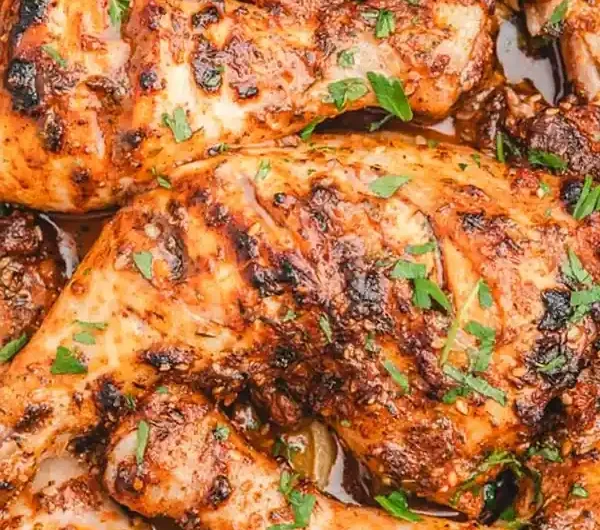
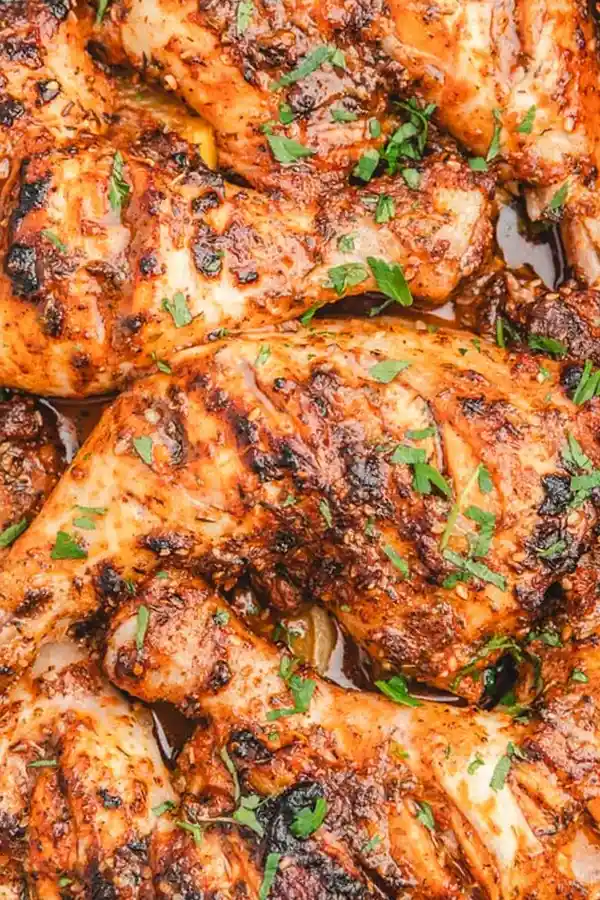
This aromatic roasted chicken utilizes a blend of Middle Eastern spices and citrus to create a juicy, flavorful meal. It is a versatile dish that works equally well for a quick weeknight dinner or a larger family gathering.
List of ingredients
- 5 chicken legs (chicken quarters), approximately 2.4lb (1kg) – ensures a juicy result with dark meat.
- 1½ Tablespoons za’atar seasoning – a traditional blend of thyme, sumac, and sesame seeds.
- Juice of 1 lemon – provides essential acidity to tenderize the meat.
- Zest of 1 lemon – adds concentrated citrus aroma and brightness.
- 1 medium onion, sliced into rounds – creates a flavor base and prevents sticking.
- 1 Tablespoon garlic paste – adds a pungent, savory depth.
- 1 Tablespoon tomato paste – enhances the color and adds umami richness.
- ¼ cup olive oil – acts as the fat carrier for the spices and ensures moisture.
- Salt and black pepper to taste – basic seasoning to enhance all other flavors.
step-by-step instructions
- Prepare the marinade: In a large mixing bowl, whisk together the za’atar seasoning, lemon juice, lemon zest, garlic paste, tomato paste, olive oil, salt, and black pepper until a smooth paste forms.
- Prep the chicken: Trim any excess skin or unwanted fat from the chicken quarters. Use a sharp knife to make three deep incisions into each leg, which helps the marinade penetrate the meat and ensures faster, more even cooking.
- Marinate the meat: Place the chicken legs in the bowl and coat them thoroughly on all sides. Rub the marinade deep into the incisions and crevices. Cover the bowl with plastic wrap and refrigerate for at least 2 hours, or ideally overnight for maximum flavor.
- Set the oven: Preheat your oven to 400F (200C) to ensure a hot environment for roasting.
- Arrange the tray: Lay the sliced onion rounds and the squeezed lemon halves on a rimmed baking sheet. Place the marinated chicken legs directly on top of the onions and lemons.
- Roast the chicken: Bake for 35-45 minutes. The chicken is done when the skin is golden brown and a meat thermometer reads 165F (74C) in the thickest part. Baste the chicken with pan juices halfway through the cooking time.
- Rest and serve: Remove the tray from the oven and let the chicken rest for 5 minutes. This allows the juices to redistribute before serving with your favorite sides.
Professional Preparation Tips
Creating Deep Incisions for Flavor
Making three deep cuts into the chicken meat is a critical step for flavor penetration. These incisions break through the muscle fibers, allowing the acid from the lemon and the salts from the seasoning to reach the center of the leg. This prevents the meat from tasting bland on the inside while the outside is well-seasoned.
Optimizing Marination Time
While a two-hour marinade provides basic flavor, an overnight soak is superior for tenderizing the meat. The citric acid in the lemon juice slowly breaks down the connective tissues in the chicken quarters. This results in a significantly more tender texture and a more complex flavor profile throughout the meat.
Choosing the Best Cut of Chicken
Using chicken quarters (thigh and drumstick attached) is recommended because dark meat has a higher fat content than white meat. This makes it much more resilient to the high heat of a 400F oven. Dark meat remains succulent and juicy even if the cooking time extends by a few minutes.
Managing Oven Temperature
A temperature of 400F (200C) is ideal for achieving the Maillard reaction, which is the browning of the skin. If the oven is too cool, the chicken will steam rather than roast, resulting in rubbery skin. Ensure your oven is fully preheated before the tray goes in to start the searing process immediately.
Using a Meat Thermometer for Accuracy
Relying on visual cues alone can be misleading, as skin can brown before the center is cooked. A digital meat thermometer ensures the chicken reaches exactly 165F (74C), which is the safety standard for poultry. Always insert the probe into the thickest part of the thigh, making sure not to touch the bone, as bone conducts heat differently.
Basting for a Glazed Finish
Basting the chicken halfway through the roasting process redistributes the olive oil and melted fats over the skin. This creates a glossy, lacquered appearance and helps the za’atar seasoning adhere better to the meat. It also prevents the edges of the chicken from drying out during the final 20 minutes of cooking.
Ingredient Substitutions and Alternatives
Swapping Chicken Quarters for Thighs
If you prefer boneless, skinless chicken thighs, you can use them in this recipe with a significant adjustment to the cooking time. Boneless thighs cook much faster and may only require 20-25 minutes at 400F. Overcooking them will lead to toughness, so monitor the internal temperature closely.
Alternative Citrus Options
While lemon is traditional, lime can be used for a sharper, more tropical acidity. For a sweeter profile, you may substitute half of the lemon juice with orange juice. This adds a fruity note that complements the earthy thyme and sumac in the za’atar blend.
Using Fresh Garlic Instead of Paste
If you do not have garlic paste, you can use freshly minced garlic cloves. Use approximately three to four cloves to equal one tablespoon of paste. Ensure the garlic is minced very finely or pressed through a garlic press to avoid large chunks that could burn in the oven.
Substituting Olive Oil
For those who prefer a different oil, avocado oil or grapeseed oil are excellent substitutes. These oils have higher smoke points than olive oil, which can be beneficial if you are increasing the oven temperature. They are also more neutral in flavor, allowing the za’atar to be the primary focus.
Variations for Tomato Paste
Tomato paste is used for depth and color, but it can be replaced with a small amount of tomato puree for a lighter taste. If you prefer a more citrus-forward dish without the umami of tomato, you can omit it entirely. The recipe will still be delicious, though the color will be more yellow than reddish-brown.
Creative Serving Suggestions
Pairing with Grains like Couscous
Couscous is a traditional pairing that absorbs the pan juices beautifully. After removing the chicken, you can use the remaining oil and lemon-onion mixture from the tray to moisten the couscous. This ensures that no flavor is wasted and ties the side dish to the main course.
Fresh Salad Accompaniments
A crisp, acidic salad like Tabbouleh or Fattoush provides a refreshing contrast to the rich roasted chicken. The parsley and mint in these salads cut through the fat of the chicken quarters. A simple cucumber and tomato salad with a lemon-olive oil dressing also works well.
Pita and Wrap Ideas
For a more casual meal, shred the cooked chicken meat and wrap it in warm pita bread. Add slices of fresh cucumber, pickled turnips, and a dollop of hummus or tahini. This transforms the roasted dish into a portable, Mediterranean-style sandwich.
Roasted Vegetable Pairings
You can roast additional vegetables on the same tray as the chicken. Carrots, zucchini, and bell peppers roast well in the same 35-45 minute window. These vegetables will soak up the za’atar marinade and chicken drippings, intensifying their flavor.
Storage and Reheating Guide
Proper Refrigeration Techniques
Store leftover chicken in an airtight glass or plastic container once it has cooled to room temperature. Keep it in the coldest part of the refrigerator to maintain safety. The chicken will remain high-quality for 3 to 4 days.
Freezing Cooked Chicken
Cooked za’atar chicken can be frozen for up to three months. Wrap the pieces tightly in aluminum foil and then place them in a heavy-duty freezer bag to prevent freezer burn. Thaw the chicken in the refrigerator overnight before reheating.
Best Methods for Reheating
To maintain the texture of the skin, reheat the chicken in the oven at 325F (160C) until warmed through. Microwaving is faster but often makes the skin rubbery and the meat tougher. If using a microwave, cover the chicken with a damp paper towel to retain moisture.
Storing Leftover Marinade
Any marinade that has touched raw chicken must be discarded immediately to avoid cross-contamination. If you have extra marinade that was not used on the meat, store it in a sealed jar in the fridge for up to a week. This can be used as a dressing for roasted vegetables.
Common Cooking Troubleshooting
Preventing Burnt Seasoning
Za’atar contains sesame seeds, which can burn if exposed to direct, extreme heat for too long. The olive oil in the marinade acts as a protective barrier. If you notice the seasoning browning too quickly, lower the oven temperature by 25 degrees and cover the tray loosely with foil.
Handling Underdone Chicken
If the chicken has reached a golden color but the internal temperature is below 165F, do not remove it. Continue roasting in 5-minute increments. Remember that chicken undergoes carry-over cooking, meaning the temperature will rise slightly after being removed from the oven.
Adjusting Salt Levels
Different brands of za’atar seasoning have varying amounts of salt already mixed in. Taste a small amount of your marinade before adding extra salt. If the blend is very salty, omit the additional salt and rely on the lemon juice to balance the flavor.
Managing Excess Oil
If the roasting pan contains too much oil after cooking, avoid pouring it down the drain. You can spoon it out into a glass jar to use for sautéing vegetables later. Alternatively, use a paper towel to pat the chicken dry before serving if the skin feels too greasy.
Frequently Asked Questions
Can I make this in an air fryer?
Yes, this recipe works well in an air fryer. Cook the marinated chicken at 375F (190C) for approximately 20-25 minutes, flipping halfway through. Ensure the basket is not overcrowded to allow for proper air circulation and skin crisping.
What if I cannot find Za’atar seasoning?
You can create a homemade version by mixing dried thyme, sumac, and toasted sesame seeds in equal parts. Add a pinch of salt to the mixture to mimic store-bought blends. This provides the same earthy and tangy profile.
Is it necessary to remove the skin?
Removing excess skin is optional and mostly for dietary preference. Keeping the skin helps protect the meat from drying out during the roasting process. However, making the incisions through the skin is essential for the marinade to reach the meat.
Can I use chicken breast?
Chicken breasts can be used, but they require much less cooking time than quarters. Roast them at 400F for 15-20 minutes depending on thickness. Be careful not to overcook them, as breast meat dries out quickly compared to thighs.
Print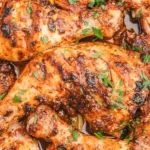
Roasted Za’atar Chicken with Lemon and Garlic
- Total Time: 55 minutes
- Yield: 5 servings 1x
- Diet: General
Description
This za’atar chicken is about to be your go-to chicken recipe this summer. It can be cooked in the oven or the air fryer for a tender and juicy chicken that is packed full of flavor.
Ingredients
- 5 Chicken legs (chicken quarters) (about 2.4lb (1kg))
- 1½ Tablespoons Za’atar seasoning
- Juice of 1 Lemon
- Zest of 1 lemon
- 1 medium Onion (sliced into rounds)
- 1 Tablespoon Garlic paste
- 1 Tablespoon tomato paste
- ¼ cup olive oil
- Salt and black pepper to taste
Instructions
- Combine: In a large bowl, combine zaatar seasoning, lemon juice and zest, garlic paste, tomato paste, olive oil, salt, and black pepper, then mix to combine.
- Prep: Remove any unwanted fat and excess skin from the chicken. With a sharp knife, make three incisions on each leg.
- Marinate: Add the chicken legs to the marinade and coat them well on all sides, rubbing the marinade into the crevices. Cover the bowl with plastic wrap and let them marinate in the fridge for at least 2 hours or overnight.
- Preheat: Preheat the oven to 400F / 200C.
- Arrange: Add the sliced onions and the squeezed lemon shaft to the rimmed baking tray. Arrange the marinated chicken leg on top of the onions and lemon.
- Roast: Place in the oven and cook for 35-45 minutes, or until the chicken is cooked through and golden brown and has an internal temperature of 165F/ 74C when checked with a meat thermometer. Baste the chicken halfway through the cooking time.
- Rest: Remove the chicken from the oven and rest for about 5 minutes before serving.
Notes
You can make quick couscous with the pan juice. Alternatively, freeze the juice and use it to cook flavored rice or add to butter beans. If using chicken breast or cutlets, adjust the cooking time accordingly.
- Prep Time: 10 minutes
- Cook Time: 45 minutes
- Category: Chicken
- Method: Roasting
- Cuisine: American, Mediterranean
Nutrition
- Serving Size: 1 chicken leg
- Calories: 399 kcal
- Sugar: 2 g
- Sodium: 136 mg
- Fat: 32 g
- Saturated Fat: 7 g
- Unsaturated Fat: 22 g
- Trans Fat: 0.1 g
- Carbohydrates: 7 g
- Fiber: 2 g
- Protein: 22 g
- Cholesterol: 120 mg
Keywords: baked zaatar chicken, zaatar chicken, zaatar chicken thighs