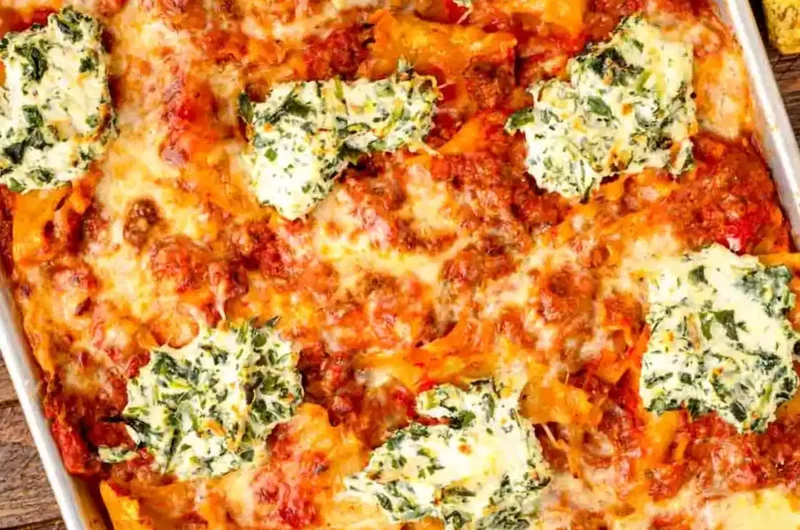
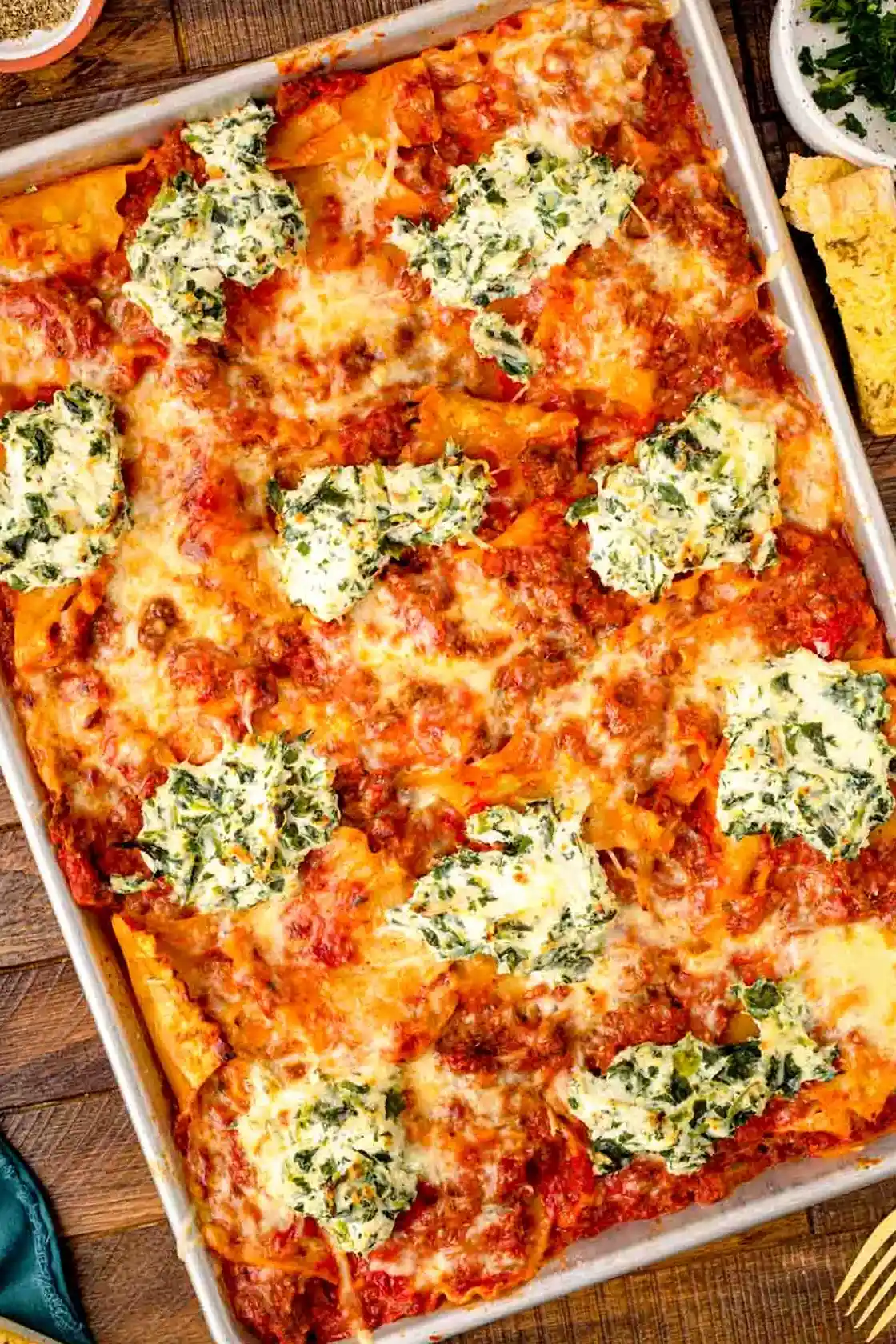
Experience the rich flavors of traditional lasagna without the tedious process of layering. This sheet pan method delivers crispy edges and a creamy cheese topping in one simple bake.
List of ingredients
- 16 ounces lasagna noodles – broken into 2-inch pieces for easier mixing.
- 1/2 pound ground beef – lean beef is recommended to reduce excess grease.
- 1/2 pound beef Italian-style sausage – provides a deep, savory flavor profile.
- 1 yellow onion – finely diced for consistent distribution.
- 2 tablespoons minced garlic – fresh garlic provides the best aromatic base.
- 24 ounces pasta sauce – use a high-quality marinara or tomato-basil sauce.
- 2 teaspoons Italian seasonings – a blend of oregano, basil, and thyme.
- Salt – added to taste across various steps.
- Ground black pepper – added to taste for a subtle heat.
- 2 cups ricotta cheese – ensure it is a microbial-rennet variety for dietary compliance.
- 8 ounces spinach – frozen, then thawed and drained very well to prevent sogginess.
- 2 cups shredded mozzarella cheese – divided into two 1-cup portions.
- 2 cups grated Parmesan cheese – divided into two 1-cup portions.
step-by-step instructions
- Boil the Pasta: Bring a large pot of salted water to a boil. Add the 2-inch broken lasagna noodles and cook until al dente, which usually takes about 10 minutes. Strain them well and place them in a large mixing bowl.
- Preheat and Prep: Set your oven to 350°F to ensure it is fully heated by the time the assembly is complete.
- Brown the Meats: In a large deep skillet over medium heat, cook the ground beef, beef sausage, diced onion, and minced garlic. Continue cooking until the meat is browned, then drain off any excess fat before returning the mixture to the pan.
- Simmer the Sauce: Stir the pasta sauce, Italian seasonings, salt, and pepper into the meat mixture. Bring the sauce to a simmer and let it cook for 10 minutes to meld the flavors.
- Prepare the Ricotta Filling: In a separate bowl, combine the ricotta cheese with the thawed and drained spinach. Season the mixture with salt and pepper to taste and set it aside.
- Combine the Base: Pour the simmered meat sauce over the cooked noodles in the mixing bowl. Stir in 1 cup of mozzarella cheese and 1 cup of parmesan cheese until evenly distributed.
- Prepare the Pan: Lightly coat a 13×18-inch half-sheet pan with nonstick cooking spray to prevent the pasta from sticking.
- Spread the Mixture: Pour the combined noodle and sauce mixture onto the baking sheet. Use a spatula to spread the lasagna evenly across the entire surface.
- Add the Toppings: Spoon the ricotta and spinach mixture in small dollops across the top of the lasagna. Sprinkle the remaining 1 cup of mozzarella and 1 cup of parmesan cheese over everything.
- Bake to Perfection: Place the pan in the oven and bake for 35 to 40 minutes. The lasagna is done when the cheese is bubbly and has turned a golden brown color.
- Cool and Serve: Remove the pan from the oven and let it cool for 10 minutes. This resting period allows the structure to set, making it easier to slice.
Cooking Secrets for Maximum Texture
Preventing Mushy Noodles
It is critical to cook the noodles strictly to the al dente stage during the initial boil. Since the pasta will spend another 35 to 40 minutes in the oven absorbing sauce, overcooking them on the stove will result in a soft, mushy texture. Aim to remove them from the water 1 to 2 minutes before the package directions suggest.
Optimizing the Meat Browning Process
Ensure the skillet is sufficiently hot before adding the beef and sausage to achieve a proper sear. Browning the meat thoroughly creates a Maillard reaction, which adds depth and richness to the final sauce. Always drain the rendered fat to prevent the sheet pan lasagna from becoming oily on the bottom.
Managing Spinach Moisture
Frozen spinach holds a significant amount of water that can dilute the ricotta mixture. After thawing, place the spinach in a fine-mesh strainer or wrap it in a clean kitchen towel and squeeze out as much liquid as possible. This ensures the ricotta dollops remain creamy and distinct rather than running into the sauce.
Achieving the Perfect Cheese Crust
For the most satisfying golden crust, use a combination of shredded mozzarella for stretch and grated parmesan for saltiness and crispness. Avoid using pre-shredded cheeses with heavy cornstarch coatings if possible, as they may not melt as smoothly. Freshly grated cheese typically provides a more professional, bubbly finish.
Customization and Flavor Variations
Adding Fresh Garden Vegetables
You can easily incorporate diced zucchini, bell peppers, or carrots into the meat sauce. Sauté these vegetables along with the onion and garlic to ensure they are tender before adding the pasta sauce. This adds nutritional value and a slight sweetness to the savory beef base.
Protein Substitutions for Different Tastes
If you prefer a lighter meat profile, you can replace the ground beef and sausage with ground turkey or lean ground chicken. To maintain the flavor, increase the amount of Italian seasoning or add a pinch of red pepper flakes. For a plant-based version, use a hearty meat substitute and a plant-based ricotta alternative.
Adjusting the Spice Level
For those who enjoy a kick of heat, stir in a teaspoon of crushed red pepper flakes during the simmering stage of the sauce. Alternatively, using a spicy beef sausage instead of a mild one will distribute the heat more evenly throughout the dish. Balance the heat with a pinch of sugar in the sauce if it becomes too pungent.
Exploring Different Cheese Blends
While mozzarella and parmesan are classic, you can substitute some of the mozzarella with provolone or fontina for a creamier, nuttier taste. A small amount of Pecorino Romano can also be used in place of parmesan to provide a sharper, saltier edge to the topping.
Serving and Pairing Suggestions
Complementary Side Dish Ideas
Pair this lasagna with a crisp green salad featuring a light balsamic vinaigrette to cut through the richness of the cheese. Roasted broccoli or sautéed garlicky kale also work well as nutrient-dense accompaniments. Garlic breadsticks or toasted ciabatta are ideal for scooping up any remaining sauce.
Fresh Garnish Options
Just before serving, sprinkle freshly chopped Italian parsley or basil leaves over the top for a burst of color and freshness. A light drizzle of high-quality extra virgin olive oil can enhance the aroma of the baked cheese. For an extra zing, add a few shavings of fresh parmesan cheese over each slice.
Portioning for Large Crowds
The sheet pan format makes this recipe ideal for parties because it is easy to cut into uniform squares. Use a sharp knife or a pizza cutter to create 12 equal portions. Serve each piece on a flat plate to showcase the creamy ricotta dollops and crispy edges.
Storage and Preservation Guidelines
Refrigeration and Shelf Life
Allow the lasagna to cool completely to room temperature before transferring leftovers to an airtight container. This prevents steam from trapping moisture in the container, which could make the pasta soggy. Stored correctly in the refrigerator, the lasagna will remain fresh for 3 to 4 days.
Freezing and Long-Term Storage
You can freeze the baked lasagna by wrapping individual slices in plastic wrap and then placing them in a heavy-duty freezer bag. Ensure there is as little air as possible in the bag to prevent freezer burn. These slices can be stored in the freezer for up to three months.
Thawing Procedures
For the best quality, thaw frozen lasagna slices in the refrigerator overnight before reheating. This gradual thawing process preserves the texture of the noodles and prevents the cheese from separating. Avoid thawing in the microwave, as this can lead to uneven heating and rubbery pasta.
Effective Reheating Methods
Oven Reheating for Maximum Crispiness
To restore the crispy edges, place the lasagna slices on a baking sheet and cover them loosely with aluminum foil. Heat in a 325°F oven for 15 to 20 minutes, removing the foil for the last 5 minutes to crisp the cheese. This method is superior for maintaining the original texture of the dish.
Quick Microwave Heating
For a faster option, place a slice on a microwave-safe plate and cover it with a damp paper towel. Heat on medium power in 1-minute intervals until warmed through. The damp towel helps steam the noodles, preventing them from drying out or becoming hard.
Restoring Moisture to Dry Lasagna
If the lasagna seems dry after storage, add a tablespoon of water or extra marinara sauce over the top before reheating. This adds the necessary moisture back into the pasta. This is especially important when using the oven method, where evaporation is more likely to occur.
Make-Ahead Strategy and Preparation
Preparing the Component Base
You can prepare the meat sauce and the ricotta-spinach mixture up to 24 hours in advance. Store them in separate airtight containers in the refrigerator. This significantly reduces the assembly time on the day of the event, leaving only the boiling of noodles and baking to be done.
Pre-Assembling the Sheet Pan
The entire lasagna can be assembled in the sheet pan and refrigerated before the final bake. Cover the pan tightly with foil or plastic wrap to prevent the cheese from drying out. When ready to eat, remove the cover and bake according to the original timing, adding 5 to 10 minutes if the pan is very cold.
Timeline for Large Events
For a dinner party, boil the noodles and make the sauce the day before. On the day of the party, assemble the pan in the morning and keep it chilled. Bake the lasagna about 60 minutes before guests arrive so that it has time to bake and then rest for 10 minutes before serving.
Troubleshooting Common Issues
Addressing a Watery Consistency
If the finished lasagna is too watery, it is usually caused by under-drained spinach or too much moisture in the sauce. To prevent this, ensure the spinach is squeezed dry and simmer the meat sauce longer to reduce the liquid. If it happens after baking, you can carefully blot the surface with a paper towel.
Fixing Uneven Cheese Browning
If the cheese is browning too quickly on the edges but remaining pale in the center, rotate the pan 180 degrees halfway through the baking time. If the edges are burning, cover them with small strips of foil. Ensure your oven rack is in the center position for the most even heat distribution.
Managing Hard or Underdone Noodles
If the noodles remain too firm after baking, it means they were either undercooked during the boiling phase or the sauce was too thick. To fix this, add a small amount of extra sauce or water to the pan and cover it with foil for the last 10 minutes of baking to trap steam.
Handling Sauce Separation
If you notice oil separating from the sauce on the sheet pan, it is likely because the meat was not drained sufficiently. To avoid this in the future, use a colander to drain the browned meat thoroughly. You can also stir in a small amount of cornstarch mixed with water into the sauce to help emulsify the fats.
Frequently Asked Questions
Can I use no-boil lasagna noodles?
No-boil noodles are not recommended for this specific sheet pan recipe. Because the pasta is mixed loosely with the sauce rather than layered, no-boil noodles may not absorb enough moisture to cook through properly, resulting in a hard or uneven texture.
How do I prevent the lasagna from sticking to the pan?
Using a high-quality nonstick cooking spray is the most effective method. For extra security, you can line the bottom of the sheet pan with parchment paper, though this may slightly reduce the crispiness of the bottom edges.
Can I substitute cottage cheese for ricotta?
Yes, you can use cottage cheese as a substitute, but it is important to drain it first or pulse it in a food processor for a smoother consistency. Cottage cheese is generally saltier and more moist than ricotta, so adjust your salt seasoning accordingly.
Should I bake the lasagna covered or uncovered?
This recipe is designed to be baked uncovered to allow the cheese to brown and the edges to crisp. However, if you prefer a softer, more traditional texture, you can cover the pan with foil for the first 20 minutes and uncover it for the final 15 to 20 minutes.
Print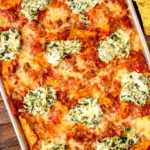
Easy Sheet Pan Layerless Lasagna
- Total Time: 70 minutes
- Yield: 12 servings 1x
- Diet: General
Description
Giada’s All-Crust Sheet Pan Lasagna is a simple yet delicious make-and-dump lasagna recipe that skips the tedious layering process! This sheet pan meal will feed a large crowd while easily pleasing their taste buds!
Ingredients
- 16 ounces lasagna noodles (broken into 2-inch pieces)
- ½ pound ground beef
- ½ pound Italian-style beef sausage
- 1 yellow onion (diced)
- 2 tablespoons minced garlic
- 24 ounces pasta sauce
- 2 teaspoons Italian seasonings
- salt (to taste)
- ground black pepper (to taste)
- 2 cups ricotta cheese
- 8 ounces spinach (frozen but thawed and drained well)
- 2 cups shredded mozzarella cheese (divided)
- 2 cups grated Parmesan cheese (divided)
Instructions
- Step: Bring a large pot of water to a boil and add in the lasagna noodles (broken into 2- inch pieces) and cook until al dente (about 10 minutes). Strain and transfer into a large mixing bowl and set aside.
- Step: Preheat the oven to 350°F and begin preparing the meat sauce.
- Step: In a large deep skillet, cook the ground beef, beef sausage, onion, and garlic over medium heat until browned. Drain off any excess fat and return to the pan.
- Step: Stir in the pasta sauce, Italian seasoning, salt, and pepper, and bring to a simmer for 10 minutes.
- Step: In a separate bowl, mix together the ricotta cheese, thawed and drained spinach, and some salt and pepper to taste. Set aside.
- Step: Once the sauce is done, pour it into the bowl with the prepared pasta and mix it together. Then stir in 1 cup of mozzarella cheese and 1 cup of parmesan cheese.
- Step: Lightly spray a 13×18-inch (half sheet) sheet pan with nonstick cooking spray.
- Step: Pour all the lasagna mixture onto the baking sheet and spread it out evenly.
- Step: Dollop the ricotta mixture all over the top of the lasagna.
- Step: Top with the remaining grated mozzarella cheese and parmesan cheese.
- Step: Bake for 35 to 40 minutes or until the cheese is golden brown and bubbly.
- Step: Let the lasagna cool for 10 minutes before serving.
Notes
Store leftovers in an airtight container in the refrigerator for 3 to 4 days, or freeze for up to three months. For a saucier lasagna, add an additional cup of pasta sauce.
- Prep Time: 35 minutes
- Cook Time: 35 minutes
- Category: Dinner
- Method: Baking
- Cuisine: American
Nutrition
- Serving Size: 1 serving
- Calories: 476 kcal
- Sugar: 4 g
- Sodium: 881 mg
- Fat: 25 g
- Saturated Fat: 12 g
- Unsaturated Fat: 13 g
- Trans Fat: 0.2 g
- Carbohydrates: 37 g
- Fiber: 3 g
- Protein: 26 g
- Cholesterol: 78 mg
Keywords: sheet pan lasagna, layerless lasagna, Giada lasagna, easy dinner, beef lasagna