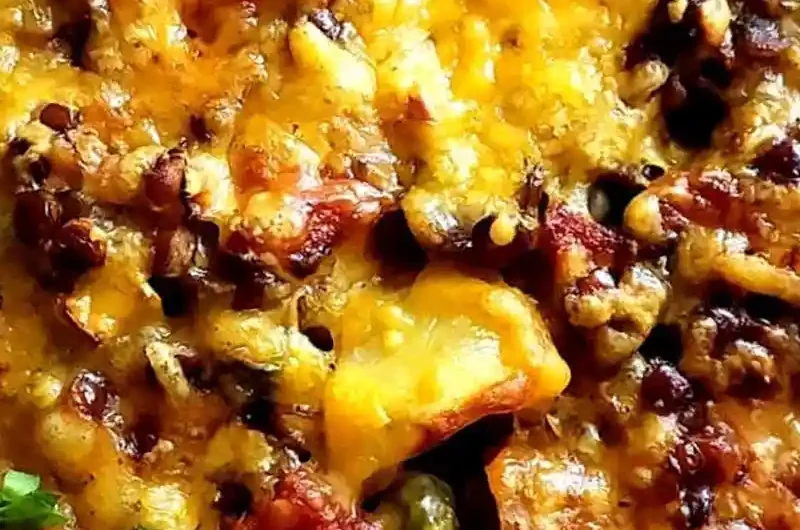
This nutrient-dense lentil casserole is a practical one-pot meal designed for meatless dinners. It combines plant-based protein with a variety of fresh vegetables to create a filling and satisfying main course.
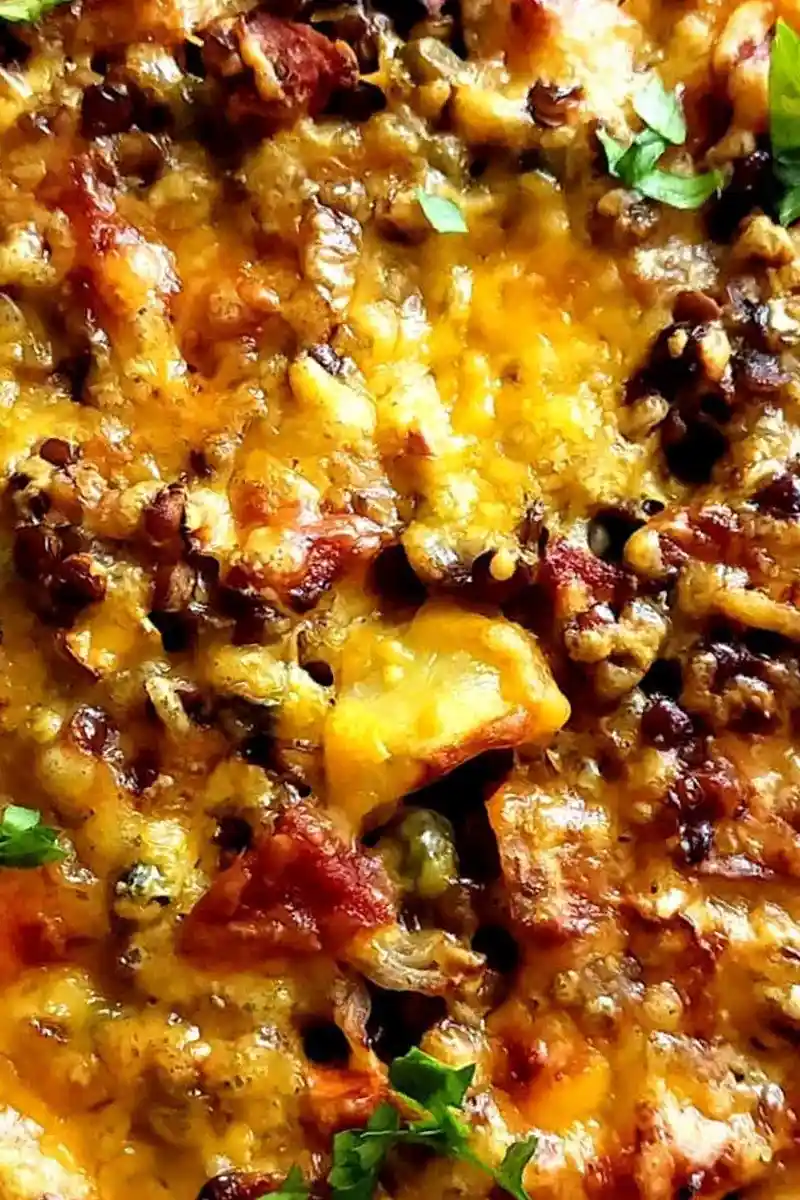
List of ingredients
- 1.5 cups uncooked green lentils (around 280 grams) – rinse thoroughly before using.
- 1.5 cups peeled and chopped potatoes (around 250 grams) – cut into uniform small cubes.
- 1 medium carrot – peeled and finely chopped.
- ½ cup green peas – fresh or frozen.
- 1 stalk celery – finely chopped.
- 1 large red onion – finely chopped.
- 2-3 large cloves of garlic – minced.
- 1 can diced tomatoes (around 411 grams or 14.5 oz) – include the juices.
- 1 teaspoon dried oregano – for an earthy herbal base.
- ½ teaspoon red chili flakes – adjust for preferred spice level.
- ¼ teaspoon ground black pepper – for subtle heat.
- Salt to taste – use a moderate amount as stock contains sodium.
- 2 ¾ cups vegetable stock – ensures lentils cook through completely.
- 2 cups melting cheese – use a shredded variety made with microbial rennet.
- 2 tablespoons chopped fresh parsley – for final garnishing.
step-by-step instructions
- Prepare Lentils: Rinse the uncooked green lentils under cold water and transfer them directly into a baking dish.
- Combine Ingredients: Add the chopped potatoes, carrots, peas, celery, red onion, and minced garlic to the dish. Stir in the dried oregano, red chili flakes, black pepper, salt, diced tomatoes, and vegetable stock until well mixed.
- Seal the Dish: Cover the baking dish tightly with a sheet of aluminum foil to trap steam and moisture.
- Initial Bake: Place the dish in a preheated oven at 200°C (375°F) and bake for 1½ hours. Stir the mixture once halfway through the cooking time to ensure even heat distribution.
- Add Cheese: Remove the casserole from the oven and carefully take off the aluminum foil. Evenly spread the shredded microbial rennet cheese across the top surface.
- Final Melt: Return the uncovered dish to the oven and bake at 200°C (375°F) for approximately 15 minutes, or until the cheese is completely melted and bubbly.
- Garnish: Take the dish out of the oven and sprinkle the chopped fresh parsley over the top before serving.
Optimizing Your Ingredient Selection
Choosing Between Green and Brown Lentils
Green lentils are ideal for casseroles because they hold their shape well during long baking periods. Brown lentils are a suitable alternative and typically cook slightly faster than green varieties. If you use brown lentils, start checking for tenderness ten minutes earlier than the recipe suggests.
Selecting the Right Melting Cheeses
For the best result, use a cheese that melts smoothly such as Cheddar, Mozzarella, or Gruyere. Always verify that the cheese is made with microbial rennet rather than animal rennet to keep the dish strictly vegetarian. Shredding the cheese yourself from a block often results in a better melt than pre-shredded options.
Substituting Canned Tomatoes for Fresh
Canned diced tomatoes provide a consistent acidity and moisture level. If you prefer fresh tomatoes, use firm Roma or plum tomatoes and dice them finely. You may need to add a tablespoon of tomato paste to maintain the same depth of flavor and thickness.
Using Frozen vs Fresh Vegetables
Both fresh and frozen vegetables work well in this recipe. When using frozen peas or carrots, do not thaw them first; add them directly to the baking dish. Fresh vegetables provide a slightly firmer texture, while frozen options are often more convenient for weeknight preparation.
Advanced Cooking Techniques
Ensuring Uniform Vegetable Cuts
Cut the potatoes and carrots into consistent, small cubes to ensure they cook at the same rate as the lentils. Large chunks of potato may remain hard even after 90 minutes of baking. A size of roughly half an inch is recommended for the most consistent texture.
Managing Moisture Levels
The aluminum foil is critical for preventing the vegetable stock from evaporating too quickly. Ensure the seal is tight to keep the lentils submerged in liquid. If you notice the edges drying out during the stir-in phase, add an extra splash of vegetable stock.
Preventing the Bottom from Scorching
Using a heavy-bottomed ceramic or glass baking dish helps distribute heat more evenly. If using a thin metal pan, consider placing it on a baking sheet to buffer the heat from the oven floor. This prevents the bottom layer of lentils from overcooking or sticking.
Monitoring the Cheese Melt
Keep a close eye on the cheese during the final 15 minutes of baking. Every oven has hot spots that can cause cheese to brown too quickly. If the cheese browns before the center is bubbling, move the dish to a lower rack.
Customizing Your Casserole
Integrating Additional Vegetable Varieties
You can increase the nutritional value by adding broccoli florets, cauliflower, or diced zucchini. These vegetables release more water than potatoes, so you may want to reduce the vegetable stock by a few tablespoons. Add tougher vegetables like cauliflower at the start and softer ones like zucchini during the stir-in phase.
Adding Grains for Extra Texture
Uncooked quinoa, brown rice, or small pasta shapes can be mixed in with the lentils. When adding grains, increase the vegetable stock by an additional 0.5 to 1 cup to account for the extra absorption. You will also need a larger baking dish to accommodate the increased volume.
Modifying the Spice Profile
For a different flavor profile, replace oregano with Italian seasoning or a blend of basil and thyme. Adding a teaspoon of smoked paprika can provide a depth of flavor similar to smoked meats without using animal products. Adjust the red chili flakes based on your tolerance for heat.
Converting the Recipe to Vegan
To make this dish vegan, omit the dairy cheese entirely or replace it with a plant-based melting alternative. Nutritional yeast mixed with a bit of cornstarch and water can create a savory, cheesy crust. Alternatively, a topping of breadcrumbs and olive oil provides a satisfying crunch.
Serving and Pairing Suggestions
Best Bread Accompaniments
Serve this casserole with toasted sourdough or warm garlic bread to scoop up the thick sauce. Dinner rolls or a crusty baguette are also excellent options for absorbing the vegetable stock. Toasting the bread with a bit of olive oil and salt complements the earthy flavor of the lentils.
Complementary Side Grains
While the casserole is filling on its own, it pairs well with a side of steamed basmati rice or fluffy quinoa. This is particularly useful if you have not added grains directly into the bake. The neutral flavor of the rice balances the acidity of the tomatoes.
Fresh Salad Pairings
A crisp green salad with a lemon-vinaigrette dressing provides a bright contrast to the rich, baked flavors. A cucumber and tomato salad with fresh mint is also a refreshing accompaniment. The acidity in a side salad helps cut through the richness of the melted cheese.
Serving Temperature Advice
This dish is best served hot, immediately after the cheese has melted. However, letting it rest for 5 to 10 minutes after removing it from the oven allows the sauce to thicken. This makes the casserole easier to scoop and prevents it from being too runny on the plate.
Storage and Preservation
Refrigeration Guidelines
Transfer leftover casserole into an airtight glass or plastic container once it has cooled to room temperature. Store it in the main body of the refrigerator, not the door, to maintain a consistent temperature. The dish will remain fresh and safe to eat for 3 to 4 days.
Freezing for Long-Term Storage
Lentil casserole freezes exceptionally well. Place portions in freezer-safe containers, leaving a small amount of space at the top for expansion. Label the containers with the date; the casserole will maintain its quality for up to 3 months in the freezer.
Safe Thawing Procedures
For the best texture, thaw frozen portions in the refrigerator overnight. Avoid thawing at room temperature to prevent bacterial growth. If you are in a hurry, you can use the defrost setting on a microwave, but the texture may become slightly softer.
Reheating Methods
Using the Conventional Oven
To reheat, place the casserole in an oven-safe dish and cover it with aluminum foil. Bake at 180°C (350°F) for 12 to 15 minutes. The foil prevents the lentils from drying out while the heat penetrates the center of the dish.
Microwave Reheating Instructions
Place a portion in a microwave-safe bowl and add a tablespoon of water or vegetable stock to restore moisture. Cover the bowl with a microwave-safe lid or damp paper towel. Heat on medium-high for 2 to 3 minutes, stirring halfway through.
Stovetop Reheating Technique
If you prefer a creamier consistency, reheat the casserole in a saucepan over medium-low heat. Add a small amount of water or stock and stir frequently to avoid sticking. This method is ideal if the casserole has thickened significantly during refrigeration.
Common Troubleshooting
Preventing Mushy Vegetables
If your vegetables are becoming too soft, ensure you are not over-stirring the casserole during the baking process. Stir only once, gently folding the ingredients. Also, ensure the vegetables are cut into larger, uniform pieces rather than being finely minced.
Fixing a Dry Casserole
If the dish appears too dry upon removing the foil, do not add more stock and return it to the oven, as this may overcook the lentils. Instead, stir in a small amount of warm vegetable broth or water right before adding the cheese topping.
Addressing Underdone Lentils
If the lentils are still too firm after the initial bake, replace the foil and add another 15 to 20 minutes of cooking time. Check the liquid level; if it has evaporated, add a quarter cup of stock to ensure the lentils have enough moisture to soften.
Managing Burnt Cheese Top
If the cheese is browning too quickly before it melts, lower the oven temperature by 10°C. You can also cover the top loosely with a piece of foil to shield the cheese from direct heat while the center continues to warm.
Frequently Asked Questions
Are green lentils and brown lentils the same?
They are different varieties with slightly different textures and cooking times. Green lentils hold their shape better for bakes, while brown lentils soften more quickly and are often used in soups.
Can I use canned lentils to save time?
Yes, using canned lentils significantly reduces the baking time. However, you must saute the fresh vegetables in a pan first since they won’t have as much time to cook in the oven. Reduce the baking time to 40 minutes and decrease the stock to 1 cup.
Can this recipe be made in a slow cooker?
Yes, this recipe can be adapted for a slow cooker. Combine all ingredients except the cheese and cook on low for 6-8 hours or high for 3-4 hours. Transfer to an oven-safe dish or use the slow cooker’s broil function to melt the cheese on top.
What is the best way to prevent lentils from foaming?
Foaming usually happens due to proteins and saponins in the lentils. Rinsing the lentils thoroughly in a fine-mesh strainer before adding them to the dish helps minimize this effect during the baking process.
Print
Hearty Baked Vegetarian Lentil Casserole
- Total Time: 1 hour 55 minutes
- Yield: 6 servings 1x
- Diet: Gluten Free, Vegetarian
Description
Simple, easy, and delicious, this lentil casserole is a vegetarian casserole recipe perfect for meatless dinners. It also has a lot of vegetables which make it even more nutritious and tasty. This comforting casserole will leave you feeling warm and satisfied.
Ingredients
- 1.5 cups uncooked green lentils (around 280 grams)
- 1.5 cups peeled and chopped potatoes (around 250 grams)
- 1 medium carrot (peeled and finely chopped)
- ½ cup green peas (fresh or frozen)
- 1 stalk celery (finely chopped)
- 1 large red onion (finely chopped)
- 2–3 large cloves of garlic (minced)
- 2 tablespoons chopped fresh parsley for garnishing
- 1 can diced tomatoes (around 411 grams (14.5 oz))
- 1 teaspoon dried oregano
- ½ teaspoon red chili flakes
- ¼ teaspoon ground black pepper
- Salt to taste
- 2.75 cups vegetable stock
- 2 cups microbial-rennet melting cheese
Instructions
- Step 1: Rinse green lentils and transfer them to a baking dish.
- Step 2: Add chopped vegetables, minced garlic, all the seasonings, diced tomatoes, and vegetable stock. Mix.
- Step 3: Cover the dish with aluminum foil.
- Step 4: Bake in a preheated oven at 200℃ (or, 375℉) for 1½ hours. Stir once in between.
- Step 5: Take out the dish. Remove the foil. Spread shredded cheese on top.
- Step 6: Put the dish back in the oven. Bake uncovered at 200℃ (or, 375℉) for around 15 minutes or until the cheese melts.
- Step 7: Once done, take out the dish. Garnish with chopped parsley.
Notes
Brown lentils can be used as an alternative to green lentils and will cook slightly faster. You can also customize the vegetables by adding broccoli, sweet potatoes, or bell peppers. Ensure the cheese used is made with microbial rennet.
- Prep Time: 10 minutes
- Cook Time: 1 hour 45 minutes
- Category: Main Course
- Method: Baking
- Cuisine: American
Nutrition
- Serving Size: 1 serving
- Calories: 406 kcal
- Sugar: 6 g
- Sodium: 707 mg
- Fat: 14 g
- Saturated Fat: 7 g
- Unsaturated Fat: 7 g
- Trans Fat: 0 g
- Carbohydrates: 48 g
- Fiber: 18 g
- Protein: 24 g
- Cholesterol: 38 mg
Keywords: vegetarian lentil casserole, baked lentils, meatless dinner, one-pot meal, healthy lentil recipes