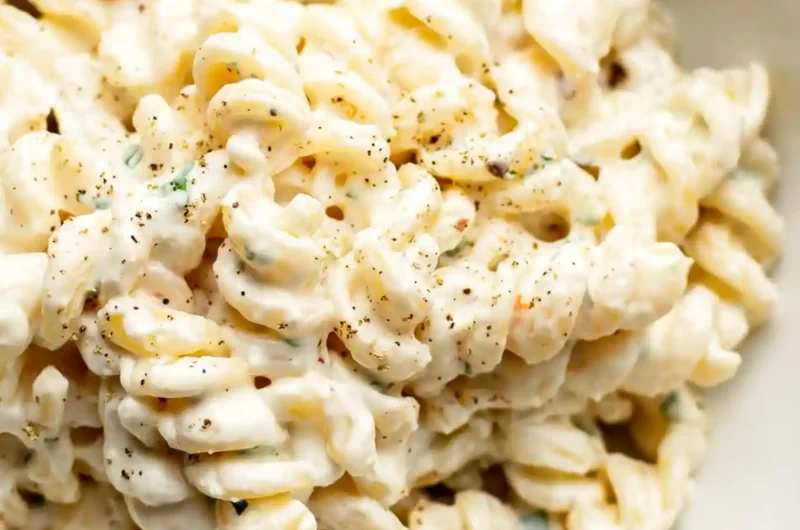
This quick pasta recipe creates a rich and velvety sauce using simple pantry staples. It is an ideal solution for busy weeknights when you need a satisfying meal in under 20 minutes.
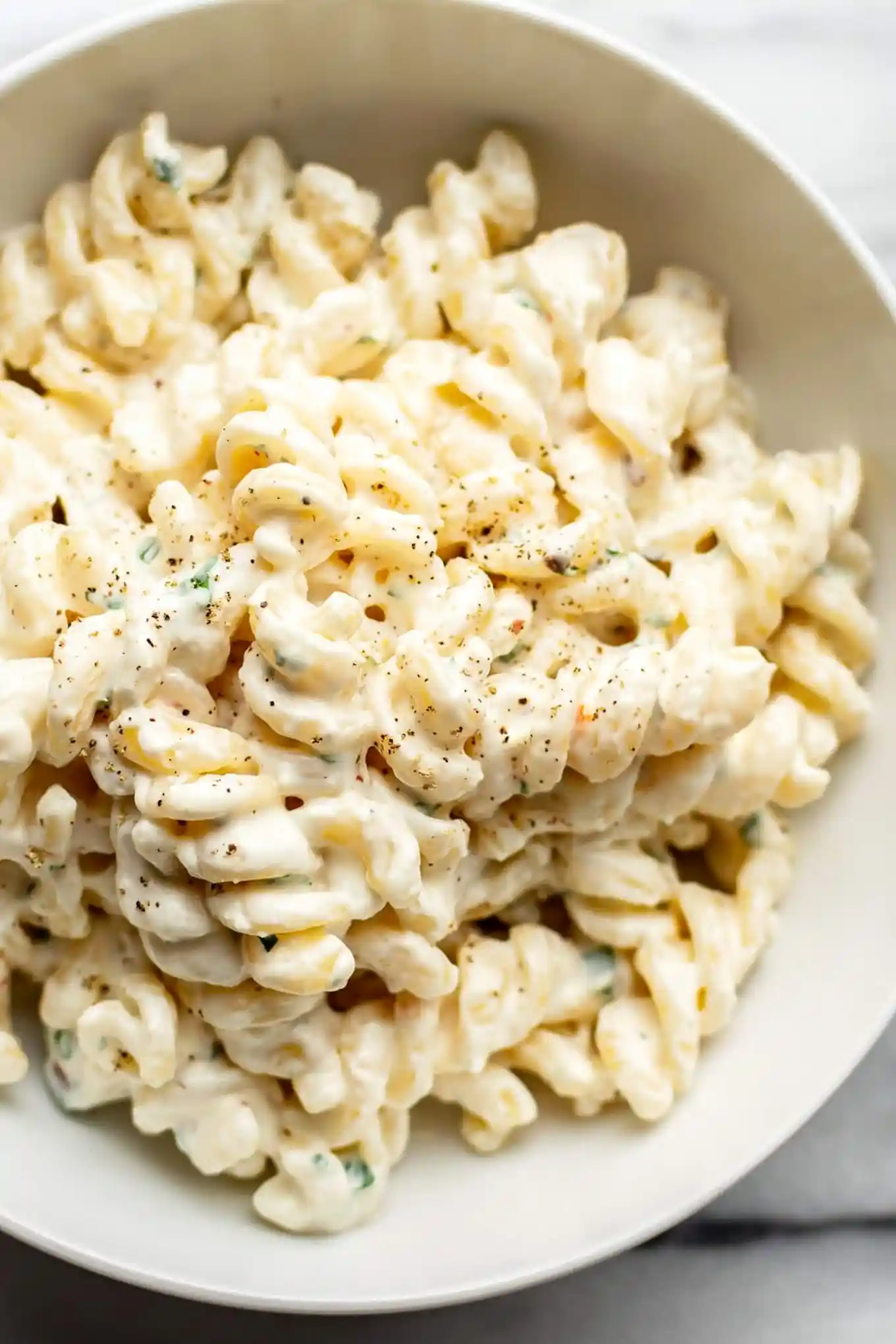
List of ingredients
- 8 ounces uncooked pasta – any shape like rotini or penne works well.
- 8 ounces cream cheese – softened to ensure a smooth melt.
- 1 tablespoon butter – softened for added richness.
- 1/2 teaspoon garlic powder – provides a consistent savory base.
- 1/2 teaspoon onion powder – adds depth to the creaminess.
- 1/2 teaspoon crushed red pepper flakes – optional for a mild heat.
- 1/4 teaspoon Italian seasoning – a blend of dried herbs for aroma.
- 1-2 tablespoons chopped fresh parsley – optional for a fresh finish.
- Salt and pepper – added to taste for final seasoning.
step-by-step instructions
- Cook the pasta: Boil a large pot of salted water and cook the pasta until it reaches an al dente texture according to the package directions. Before draining the pasta, reserve 1 cup of the starchy hot pasta water.
- Prepare the cheese: While the pasta cooks, cut the cream cheese into small cubes. Microwave these pieces in 20-30 second intervals until the cheese is very soft. Have all other seasonings ready for immediate use.
- Combine base ingredients: Return the drained pasta to the warm pot. Quickly add the softened cream cheese and butter. Cover the pot with a lid and let it sit for one minute to allow the residual heat to soften the fats.
- Add seasonings: Remove the lid and stir in the garlic powder, onion powder, red pepper flakes, Italian seasoning, and fresh parsley.
- Emulsify the sauce: Pour in about 1/4 cup of the reserved hot pasta water. Toss the pasta continuously, adding more water in small increments until the cream cheese melts into a smooth, creamy sauce.
- Final touch: Season the dish with salt and pepper to taste. Serve the pasta immediately while the sauce is at its peak consistency.
Expert Tips for a Smooth Sauce
Preventing Sauce Clumping
The biggest challenge with cream cheese is preventing clumps. Microwave the cheese in short bursts and ensure the pasta is piping hot when you combine them. If the pasta cools down too much, the cheese will not emulsify correctly.
Using the Right Pasta Water
Do not discard all the pasta water. The starch released during boiling acts as a binder between the fats in the cheese and the pasta. Using this water instead of plain water creates a professional, silky texture that clings to the noodles.
Timing the Preparation
Prepare all spices and chopped herbs before the pasta is finished. Because this sauce relies on residual heat, any delay in adding ingredients can lead to the pasta becoming cold and the sauce becoming grainy.
Consistent Stirring Techniques
Use tongs or two large spoons to toss the pasta. This allows you to coat every noodle evenly without breaking the pasta shapes, ensuring the sauce is distributed uniformly throughout the dish.
Flavor Customizations and Variations
Integrating Hard Cheeses
For a sharper flavor, stir in 1/4 to 1/2 cup of freshly grated Parmesan or Pecorino Romano. Add the hard cheese at the same time as the cream cheese and butter to ensure it melts fully into the sauce.
Alternative Spice Blends
Replace the Italian seasoning and garlic powder with 1 tablespoon of Cajun seasoning for a spicy, bold version. You can also add a pinch of smoked paprika to provide a subtle woody depth to the creaminess.
Adding Lean Proteins
Mix in grilled chicken breast strips or sautéed shrimp to turn this into a heartier meal. For a smoked flavor without pork, use crispy diced smoked turkey bacon or plant-based bacon alternatives.
Incorporating Fresh Vegetables
Stir in a handful of baby spinach or frozen peas during the final tossing stage. The heat from the pasta water will wilt the spinach and warm the peas without requiring extra cooking time.
Adding Acidic Brightness
A squeeze of fresh lemon juice or a teaspoon of apple cider vinegar can cut through the richness of the cream cheese. Add this at the very end to keep the flavor bright and fresh.
Recommended Pasta Shapes
Best Short Pasta Options
Rotini, fusilli, and penne are excellent choices because their spirals and ridges trap the thick sauce. This ensures you get a maximum amount of sauce in every bite.
Using Shells for Sauce Pockets
Medium shells act as small bowls that scoop up the cream cheese sauce. This shape is particularly effective if you are adding small ingredients like peas or diced carrots.
Long Noodle Considerations
Spaghetti or linguine work well if you prefer a classic look. However, ensure you toss the noodles thoroughly to avoid the sauce clumping in one area of the pot.
Suggested Side Dish Pairings
Fresh Green Salads
Pair the rich pasta with a crisp garden salad. Use a light vinaigrette, such as a balsamic or lemon-olive oil dressing, to balance the heaviness of the dairy.
Roasted Vegetable Sides
Roasted broccoli, asparagus, or Brussels sprouts provide a bitter contrast to the creamy sauce. Roast them with olive oil and salt at 400 degrees Fahrenheit until the edges are charred.
Garlic Bread Accompaniments
Serve with toasted baguette slices topped with garlic butter and parsley. The crunch of the bread complements the soft texture of the pasta.
Storage and Reheating Guide
Refrigeration Basics
Store leftover pasta in an airtight container in the refrigerator for 3 to 4 days. The sauce will thicken significantly as it cools, which is normal for dairy-based sauces.
Stovetop Reheating Method
Reheat the pasta in a small saucepan over low heat. Add 1-2 tablespoons of milk or water to loosen the sauce and restore its creamy consistency while stirring occasionally.
Microwave Reheating Tips
If using a microwave, heat in 30-second intervals and stir in between. Adding a splash of water before heating prevents the cheese from separating or becoming oily.
Freezing Limitations
Avoid freezing this dish. Cream cheese and butter can separate and become grainy upon thawing, which ruins the smooth texture of the sauce.
Common Troubleshooting
Fixing a Lumpy Sauce
If the sauce remains lumpy, add an extra tablespoon of hot pasta water and whisk vigorously. If it still doesn’t smooth out, you can briefly pulse the sauce in a blender before tossing it back with the pasta.
Correcting a Thin Sauce
If the sauce is too watery, continue tossing the pasta over very low heat for 1-2 minutes. This allows some of the excess water to evaporate and the sauce to thicken.
Adjusting Overly Salty Sauce
If the sauce tastes too salty, add a small amount of unsalted butter or a splash of heavy cream. This helps dilute the salt concentration without altering the creamy texture.
Managing Sauce Separation
Separation usually occurs if the heat is too high during reheating. Always use low to medium heat and stir constantly to keep the emulsion stable.
Frequently Asked Questions
Can I use low-fat cream cheese?
Yes, but the sauce may be slightly less velvety and may require more pasta water to achieve a smooth consistency.
What if I don’t have pasta water?
You can substitute with warm milk or vegetable broth, though the sauce will lack the thickness provided by the pasta starch.
Can I make this sauce without butter?
Yes, the cream cheese provides enough fat for the sauce to work, though the butter adds a subtle richness and shine.
How do I make this sauce vegan?
Replace the cream cheese with a plant-based cream cheese alternative and use vegan butter or olive oil.
Can I add fresh garlic instead of powder?
Yes, sauté minced fresh garlic in the butter before adding the pasta and cream cheese to the pot.
Why is my sauce grainy?
Graininess usually happens if the cream cheese was added to a pot that was too hot or if it wasn’t softened first. Ensure the cheese is soft and the heat is residual.
Can I use this sauce for other dishes?
This sauce works well as a base for baked ziti or as a dip for steamed vegetables like cauliflower.
} Print
Creamy Cream Cheese Pasta Sauce
- Total Time: 20 minutes
- Yield: 4 servings 1x
- Diet: Vegetarian
Description
This cream cheese pasta sauce is super simple, fast, and great for when you don’t have many ingredients in your fridge! Ready in about 20 minutes.
Ingredients
- 8 ounces uncooked pasta
- 8 ounces cream cheese (softened)
- 1 tablespoon butter (softened)
- 1/2 teaspoon garlic powder
- 1/2 teaspoon onion powder
- 1/2 teaspoon crushed red pepper flakes (optional)
- 1/4 teaspoon Italian seasoning
- 1–2 tablespoons chopped fresh parsley (optional, or to taste)
- Salt & pepper (to taste)
Instructions
- Step 1: Boil a pot of water for the pasta and cook it al dente according to package directions. Before draining, reserve 1 cup of the hot pasta water.
- Step 2: Meanwhile, cut the cream cheese into smaller pieces and microwave it until very soft (try 20-30 second intervals). Prep all ingredients so they’re ready to go as soon as the pasta is cooked.
- Step 3: Return the drained pasta to the pot it was cooked in, and quickly add the cream cheese and butter. Cover the pot and let it sit for about a minute.
- Step 4: Uncover the pot and add in the garlic powder, onion powder, red pepper flakes, Italian seasoning, and parsley.
- Step 5: Add about 1/4 cup of the hot pasta water to the pot, and start tossing it, gradually adding more of the water until the cheese has melted into a creamy sauce.
- Step 6: Season with salt & pepper to taste and serve.
Notes
Serves 2-4 depending on portion size. This recipe is flexible; you can adjust herbs/spices to taste or add 1/4-1/2 cup of freshly grated parmesan cheese during the second step.
- Prep Time: 5 minutes
- Cook Time: 15 minutes
- Category: Main Course
- Method: Stovetop
- Cuisine: American
Nutrition
- Serving Size: 1 serving
- Calories: 433 kcal
- Sugar: 3 g
- Sodium: 215 mg
- Fat: 23 g
- Saturated Fat: 13 g
- Unsaturated Fat: 7 g
- Trans Fat: 1 g
- Carbohydrates: 45 g
- Fiber: 2 g
- Protein: 11 g
- Cholesterol: 70 mg
Keywords: cream cheese pasta, easy pasta sauce, quick dinner, creamy pasta