This one-pot soup captures the rich, umami essence of traditional potsticker fillings without the need for dough wrappers. It is a nutrient-dense meal that is naturally gluten-free and low in carbohydrates.
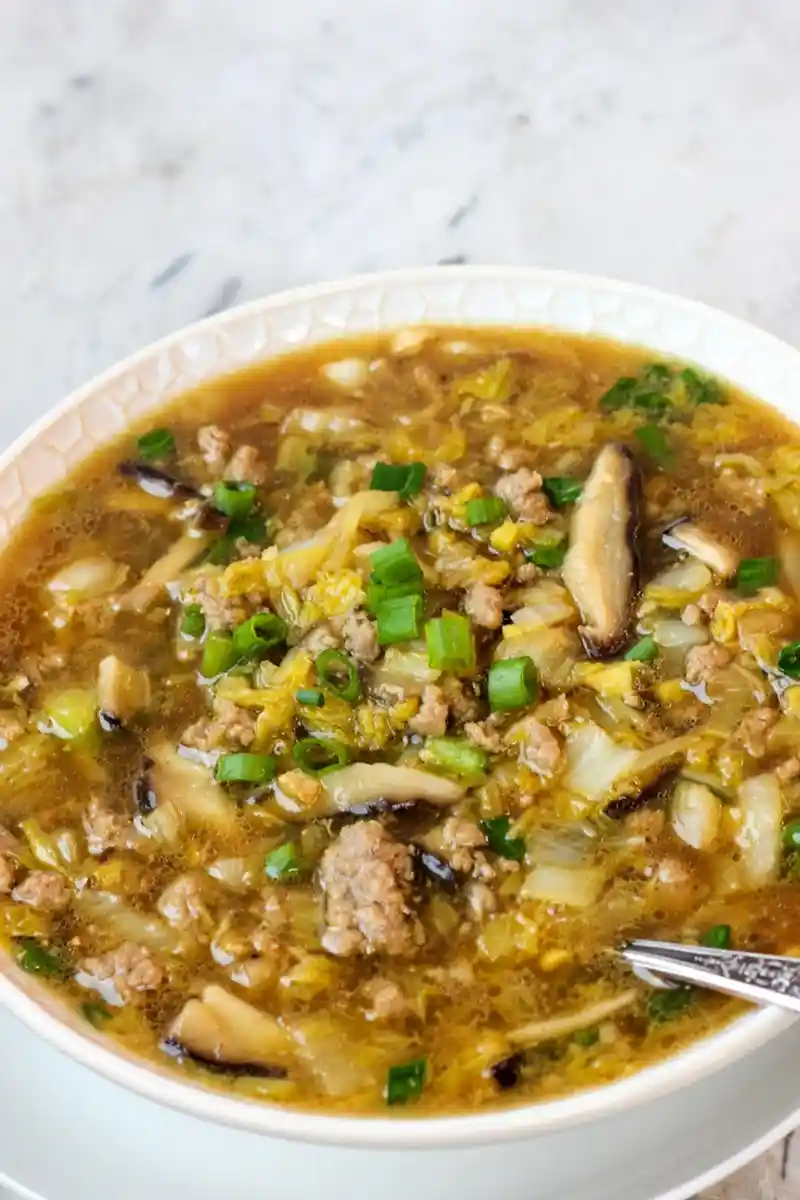
List of ingredients
- 4 cups meat stock, broth, or bone broth – provides the savory liquid base.
- 1-3/4 pound Napa cabbage, thinly sliced and chopped into bite-size pieces – adds bulk and a mild sweetness.
- 1 pound ground turkey – a lean protein substitute for traditional pork.
- 7 ounces shiitake mushrooms, stems removed and thinly sliced – adds an earthy, umami depth.
- 1 bunch scallions, whites and greens separated and sliced – provides fresh aromatic notes.
- 2 Tablespoons coconut aminos – a soy-free seasoning for saltiness and color.
- 2 Tablespoons fresh ginger root, freshly grated or minced – adds a warm, zesty flavor.
- 2 cloves garlic, crushed or minced – provides a pungent aromatic base.
- 2 teaspoons sea salt – used for seasoning throughout the cooking process.
- 1/2 teaspoon ground white pepper (use ground ginger for AIP) – adds a subtle, sharp heat.
- 2 Tablespoons additional fat, such as avocado oil or toasted sesame oil – used for sautéing vegetables.
step-by-step instructions
- Brown the meat: Heat a large skillet or broad shallow pot over medium-high heat. Add the ground turkey, 1 teaspoon of sea salt, and the white pepper. Cook the meat, breaking it up with a spatula, until all pink is gone.
- Separate the protein: Use a slotted spoon to remove the cooked turkey to a bowl. Keep the rendered fat in the pan for flavoring the vegetables.
- Prepare the cabbage: Ensure there are 2 to 3 Tablespoons of fat in the pan, adding more oil if needed. Reduce heat to medium, add the Napa cabbage and 1/2 teaspoon sea salt, and cook for 15 minutes, stirring every 5 minutes.
- Sauté the mushrooms: Add the sliced shiitake mushrooms and the final 1/2 teaspoon of sea salt to the pan. Cook for another 5 minutes, stirring occasionally.
- Simmer the soup: Pour in the broth and return the cooked turkey to the pot. Stir in the scallion whites, ginger, and garlic. Bring the soup to a simmer, cover with a lid, reduce the heat, and simmer for 5 minutes.
- Final seasoning: Turn off the heat. Stir in the scallion greens and coconut aminos, reserving a few greens for garnish if desired.
Alternative Protein Choices
Ground Turkey
Ground turkey is an excellent lean alternative that maintains the light profile of the soup. It absorbs the ginger and garlic flavors efficiently while providing a high protein content per serving.
Ground Beef
Using 80/20 ground beef adds a deeper richness and more fat to the broth. If the beef renders too much oil, you may choose to drain some of the fat before adding the cabbage to avoid a greasy finish.
Ground Chicken
Ground chicken offers a milder taste than turkey or beef. Because it is very lean, you will likely need to add the full 2 Tablespoons of additional fat to ensure the vegetables sauté correctly.
Plant-Based Proteins
For a meat-free version, use crumbled extra-firm tofu or tempeh. Sauté these proteins with the salt and pepper until browned before proceeding with the vegetable steps.
Vegetable Customizations
Bok Choy
If Napa cabbage is unavailable, baby bok choy is a suitable substitute. Slice the stems thinly and the leaves coarsely, adding them at the same time as the Napa cabbage for a similar texture.
Shredded Carrots
Adding julienned carrots introduces a hint of sweetness and vibrant color. Sauté the carrots for 3 minutes before adding the cabbage to ensure they are tender but not mushy.
Different Mushroom Varieties
While shiitakes provide the most authentic umami flavor, cremini or button mushrooms also work well. Oyster mushrooms can be used for a softer, more delicate texture in the broth.
Baby Spinach
Stirring in a handful of baby spinach at the very end provides extra iron and nutrients. Add the spinach after turning off the heat so it wilts naturally without overcooking.
Technical Cooking Advice
Achieving the Right Sear
Searing the meat on medium-high heat creates a Maillard reaction, which develops a savory crust. This process adds a layer of complexity to the broth that cannot be achieved through simmering alone.
Managing Heat Levels
Reducing the heat to medium when sautéing the cabbage prevents the leaves from burning. Low and slow cooking for the cabbage allows the moisture to release slowly, enhancing the natural flavor.
The Importance of Rendering Fat
Using the fat rendered from the meat to cook the vegetables integrates the flavors of the protein into the entire dish. This creates a cohesive taste profile throughout the soup.
Proper Stirring Frequency
Stirring the cabbage and mushrooms every 5 minutes ensures even heat distribution. This prevents the vegetables from sticking to the bottom of the pot while allowing them to brown slightly.
Broth Selection Guide
Using Bone Broth
Bone broth is recommended for a thicker consistency and increased mineral content. Its gelatinous nature provides a mouthfeel that mimics the richness of traditional potsticker fillings.
Commercial Meat Stock
Standard meat stocks are a convenient option for quick preparation. Choose a low-sodium version to maintain better control over the salt levels in the final dish.
Low-Sodium Options
If you are monitoring sodium intake, use unsalted broth and adjust the sea salt gradually. Coconut aminos already provide a salty profile, so taste the soup before adding the final pinch of salt.
Serving and Pairing
Garnish Options
Top each bowl with toasted sesame seeds or a drizzle of toasted sesame oil for an aromatic finish. Sliced red chilies can be added for those who prefer a spicier profile.
Complementary Side Dishes
Serve this soup alongside steamed cauliflower rice for a complete low-carb meal. A side of pickled cucumbers or kimchi provides a sharp contrast to the savory broth.
Temperature Control
Ensure the soup is served piping hot to keep the fats emulsified. Pre-warming the bowls helps maintain the temperature of the soup during consumption.
Preservation and Storage
Refrigerator Life
Store the soup in an airtight glass container in the refrigerator for up to 5 days. The flavors often deepen and improve after 24 hours of chilling.
Freezer Instructions
This soup can be frozen for up to 3 months. Use freezer-safe containers and leave a small amount of space at the top to allow for expansion as the liquid freezes.
Thawing Process
Thaw the frozen soup overnight in the refrigerator for the best results. Alternatively, place the sealed container in a bowl of warm water before reheating on the stove.
Reheating Methods
Stovetop Reheating
Pour the soup into a small pot and heat over medium-low heat. Stir gently to avoid breaking the cabbage pieces and bring it to a gentle simmer.
Microwave Reheating
Transfer a portion to a microwave-safe bowl and cover with a lid. Heat in 1-minute intervals, stirring between each session to ensure even heating.
Slow Cooker Warming
To keep the soup warm for a gathering, place it in a slow cooker on the ‘warm’ setting. This prevents the soup from boiling and overcooking the vegetables.
Troubleshooting Common Issues
Correcting Over-Salted Broth
If the broth is too salty, add an extra cup of unsalted broth or water. A squeeze of fresh lime juice can also help neutralize the perception of excess salt.
Fixing Watery Consistency
If the broth feels too thin, simmer it uncovered for an additional 10 to 15 minutes. This reduces the liquid and concentrates the umami flavors of the meat and mushrooms.
Preventing Cabbage Mushiness
Avoid over-simmering the soup after the broth has been added. Five minutes is sufficient to integrate the flavors without destroying the structural integrity of the cabbage.
Balancing Strong Ginger Flavor
If the ginger is too pungent, stir in a small amount of coconut aminos or a pinch of sugar. This balances the sharp notes of the fresh ginger root.
Frequently Asked Questions
Can I use regular soy sauce instead of coconut aminos?
Yes, you can use soy sauce, but it contains gluten and wheat. For a gluten-free or soy-free version, coconut aminos are the best substitute.
What is the best way to prep Napa cabbage?
Cut the head of the cabbage into quarters and remove the tough core. Thinly slice the leaves into ribbons approximately 1 inch wide for the best texture.
Can I add noodles to this soup?
For a higher-carb version, you can add rice noodles or glass noodles. Add them during the final simmering stage and cook according to the package directions.
Is this soup suitable for a strict Keto diet?
Yes, it is keto-friendly. To strictly adhere to keto, omit the white parts of the scallions and ensure the broth is sugar-free.
How do I store the leftover scallions?
Wrap the remaining scallions in a damp paper towel and place them in a reusable silicone bag. This keeps them crisp for several more days in the fridge.
Print
Savory Potsticker-Style Soup
- Total Time: 45 minutes
- Yield: 4 servings 1x
- Diet: Paleo, AIP, Keto, Whole30, Gluten-free
Description
Potsticker Soup is a rich, flavorful, warming Chinese soup with all the classic potsticker fillings. You’ll love the depth of flavor in the dark broth and how easy this delicious recipe is to make!
Ingredients
- 4 cups meat stock (beef or chicken broth/bone broth)
- 1–¾ pound Napa cabbage, thinly sliced and chopped
- 1 pound ground turkey
- 7 ounces shiitake mushrooms, stems discarded, thinly sliced
- 1 bunch scallions, whites and greens separated and sliced
- 2 Tablespoons coconut aminos
- 2 Tablespoons fresh ginger root, grated or minced
- 2 cloves garlic, crushed or minced
- 2 teaspoons sea salt
- ½ teaspoon ground white pepper (or ground ginger for AIP)
- 2 Tablespoons additional fat (such as avocado oil or toasted sesame oil)
Instructions
- Brown Meat: Heat large skillet or broad shallow pot over medium-high heat. Add ground turkey, 1 teaspoon sea salt, and white pepper. Cook and break up meat with a spatula until browned. Remove to a bowl with slotted spoon, keeping the rendered fat in the pan.
- Sauté Vegetables: Add additional fat to the pan to equal 2 to 3 Tablespoons total. Turn heat to medium. Add cabbage and 1/2 teaspoon sea salt. Cook 15 minutes, sautéing and moving cabbage around in pan every 5 minutes. Add sliced mushrooms and final 1/2 teaspoon salt; cook for another 5 minutes.
- Simmer: Add broth, cooked ground turkey, whites of green onions, ginger, and garlic. Stir, bring to a simmer, cover, reduce heat, and slowly simmer for 5 minutes.
- Finish: Turn off heat. Stir in greens of green onions and coconut aminos. Serve.
Notes
For Keto, discard the whites of the scallions and use only the greens. For AIP, substitute white pepper with ground ginger.
- Prep Time: 15 minutes
- Cook Time: 35 minutes
- Category: Soup
- Method: Stovetop
- Cuisine: Chinese
Nutrition
- Serving Size: 1 serving
- Calories: 372 kcal
- Sugar: 6 g
- Sodium: 1322 mg
- Fat: 25 g
- Saturated Fat: 9 g
- Unsaturated Fat: 16 g
- Trans Fat: 0 g
- Carbohydrates: 7 g
- Fiber: 4 g
- Protein: 23 g
- Cholesterol: 82 mg
Keywords: aip, asian, chinese, gluten-free, keto, low carb, paleo, potsticker, soup, whole30