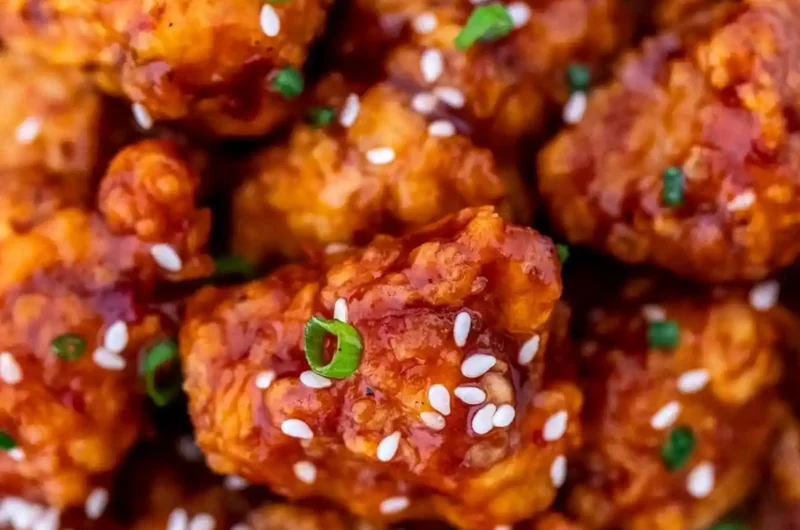
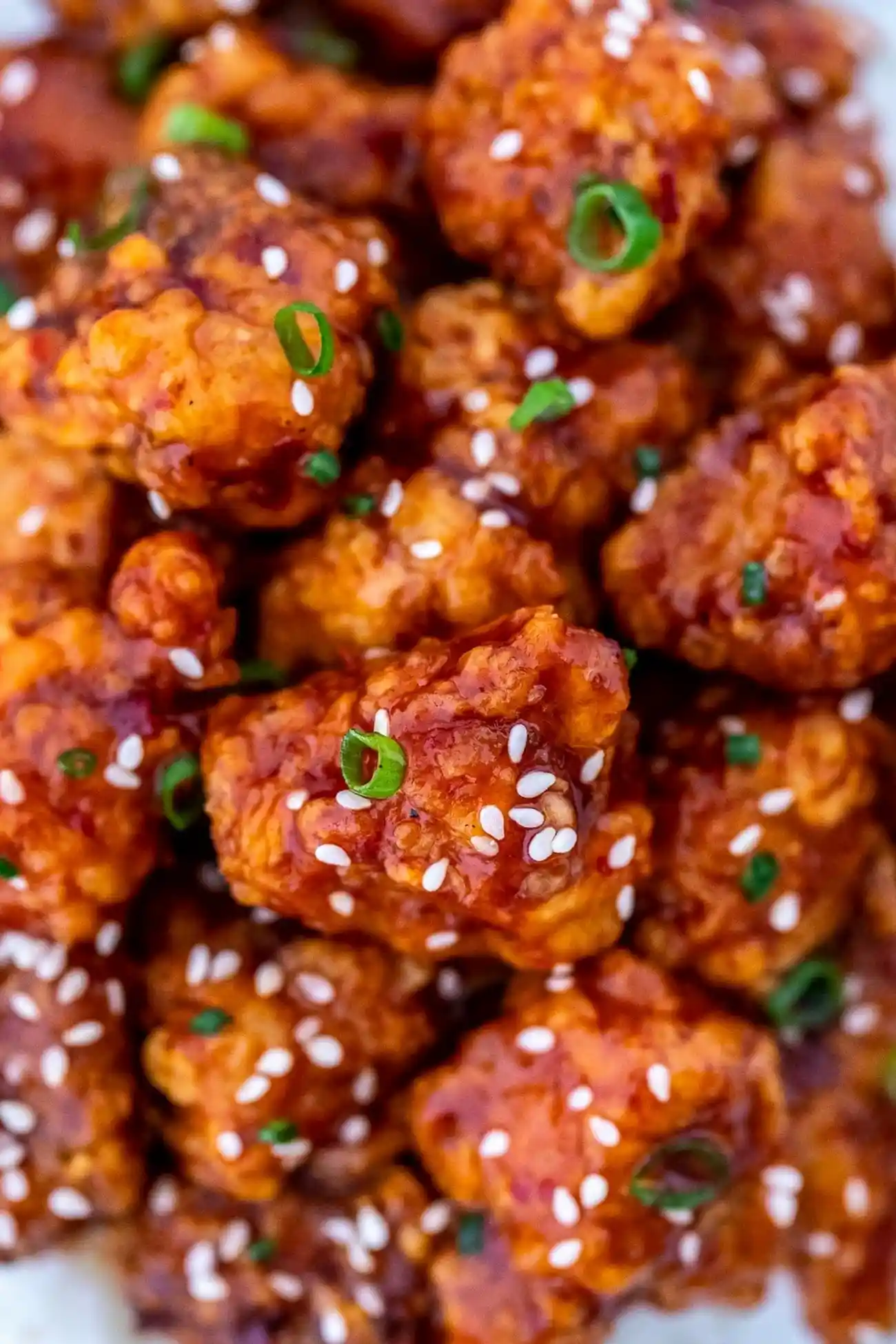
This recipe delivers an authentic, ultra-crispy Korean fried chicken that can be prepared in just 30 minutes. It uses a double-coating technique to ensure a signature crunch that stands up to a sticky, spicy glaze.
List of ingredients
- 2 pounds chicken breast – cut into 1-inch chunks for fast cooking.
- 1 cup cornstarch – used for the primary crispy coating.
- 1/4 cup flour – all-purpose or gluten-free for structure.
- 1/2 teaspoon salt – for seasoning the flour mix.
- 1/4 teaspoon ground black pepper – for added flavor.
- 2 eggs – beaten to act as a binder.
- Canola oil – enough for deep frying (about 2 inches).
- 1/4 cup ketchup – adds tang and sweetness to the sauce.
- 3 tablespoons gochujang paste – or chili sauce; adjust for preferred spice level.
- 1/4 cup honey – provides stickiness and sweetness.
- 3 tablespoons brown sugar – adds depth to the glaze.
- 1/3 cup soy sauce – provides the essential umami base.
- 1/2 cup water – thins the sauce for better coating.
- 3 cloves garlic – minced for aromatic depth.
- 1/4 teaspoon red pepper flakes – for extra heat.
- 1 tablespoon cornstarch – used to thicken the sauce.
- 2 teaspoons sesame oil – for a toasted nutty finish.
step-by-step instructions
- Prepare the sauce: In a medium bowl, combine all the sauce ingredients and set aside.
- Create the breading: Whisk cornstarch, flour, salt, and black pepper in a large, shallow bowl.
- Prepare the binder: Add beaten eggs to another bowl.
- Heat the oil: Pour about 2 inches of canola oil into a deep frying pan and heat it over medium-high heat.
- First egg dip: Dip the chicken pieces into the beaten eggs.
- First flour coat: Add the chicken chunks to the cornstarch mixture and toss until well coated.
- Double coat: Take each piece and repeat the process; dip it again in the beaten eggs and toss it in the cornstarch mixture. Work in batches and let pieces rest on a plate for 10 minutes if time permits.
- Fry the chicken: Cook in batches in the hot oil until golden and crispy.
- Drain: Remove the chicken to a plate and set aside.
- Glaze: Discard the oil from the pan, add the chicken back in, and toss with the sauce.
- Finish: Serve with a sprinkling of green onion and sesame seeds.
Pro Tips for Maximum Crunch
Maintain Oil Temperature at 350 Degrees Fahrenheit
Use a candy thermometer to monitor the oil temperature throughout the process. If the oil drops below 340 degrees, the chicken will absorb more fat and become greasy rather than crispy. Aim for a steady 350 degrees Fahrenheit for the most consistent results.
Avoid Overcrowding the Frying Pan
Frying too many pieces at once lowers the oil temperature rapidly. This prevents the breading from searing instantly, which can lead to a soggy texture. Cook the chicken in small batches to keep the heat consistent.
Implement the Double-Coating Method
Repeating the egg and cornstarch dip creates a thicker, more durable shell. This secondary layer is what gives Korean fried chicken its characteristic crunch. It also ensures the coating does not slide off during the frying process.
Allow Breaded Chicken to Rest
Letting the coated chicken sit for 10 minutes before frying allows the starch to hydrate and bond with the meat. This step minimizes the risk of the breading separating from the chicken in the oil. It results in a more secure and uniform crust.
Avoid Moving Chicken Too Much in the Oil
Once the chicken is placed in the hot oil, leave it undisturbed for the first few minutes. Moving it too early can disrupt the forming crust and cause pieces of breading to break off. Flip only once to achieve a golden brown finish on both sides.
Customizing the Flavor Profile
Adjusting the Heat with Gochujang
Gochujang is a fermented chili paste that provides a deep, savory heat. If you prefer a milder flavor, you can replace some of the paste with a mild chili sauce. For extra spice, increase the amount of gochujang or add more red pepper flakes.
Balancing Sweetness with Honey and Brown Sugar
The combination of honey and brown sugar creates a thick, glossy glaze. If the sauce is too sweet, reduce the brown sugar slightly. Honey is essential for the sticky texture that allows the sauce to cling to the crispy chicken.
Using Low-Sodium Soy Sauce for Salt Control
Since the breading already contains salt, using low-sodium soy sauce prevents the final dish from being overly salty. This allows the other flavors, like garlic and ginger, to stand out. You can always add a pinch of salt at the end if needed.
Incorporating Nutty Elements like Cashews
Adding chopped cashews or peanuts to the final toss provides an extra layer of texture. The nuttiness complements the sesame oil and gochujang perfectly. Stir them in at the very end to keep the nuts from burning.
Alternative Sauce Options
While the spicy BBQ sauce is traditional, you can use the same frying method for other glazes. Try a honey garlic sauce or a teriyaki glaze for a different taste. Simply replace the gochujang and ketchup with your preferred flavor base.
Optimal Cooking Techniques
Preparing Chicken Breast for Even Cooking
Cut the chicken breast into uniform 1-inch chunks to ensure they all cook at the same rate. Uneven pieces result in some chunks being overcooked while others remain raw. This uniformity is key to keeping the meat juicy.
Selecting the Right Frying Oil
Canola oil is recommended due to its high smoke point and neutral flavor. Other options include peanut oil or vegetable oil, as they can withstand high temperatures without breaking down. Avoid using butter or extra virgin olive oil for deep frying.
Managing the Sauce Thickening Process
The tablespoon of cornstarch in the sauce is critical for achieving a glaze-like consistency. As the sauce heats in the pan, the starch gelatinizes and thickens the liquid. This prevents the sauce from being too watery and soaking into the crust.
Ensuring Chicken Stays Juicy
Chicken breast can dry out quickly if overcooked. Fry the pieces only until they are golden brown, which usually takes about 3 minutes per side. Removing them promptly ensures the interior remains tender and moist.
Serving and Pairing Suggestions
Adding Fresh Garnishes for Color
Slicing green onions thinly on a diagonal adds a bright green contrast to the red sauce. Toasted sesame seeds add a professional look and a subtle nutty flavor. These garnishes provide a fresh element to a rich, fried dish.
Pairing with Pickled Radishes
Korean pickled radishes provide a sharp, acidic crunch that cuts through the richness of the fried chicken. Their vinegar base cleanses the palate between bites of the sweet and spicy glaze. They are a traditional accompaniment for this meal.
Serving with Coconut Rice
Instead of plain white rice, try coconut rice for a richer, creamier side. The subtle sweetness of the coconut complements the spicy gochujang sauce. This makes the meal feel more hearty and satisfying.
Adding a Spicy Cucumber Salad
A chilled cucumber salad with rice vinegar and sesame oil adds a cooling contrast. The crispness of the raw cucumbers balances the heat of the chicken. It is an ideal way to add more vegetables to the plate.
Choosing Appropriate Beverage Pairings
Pair this dish with a sparkling water or a chilled fruit-infused tea to balance the spice. A beverage with a bit of acidity or sweetness helps neutralize the heat of the chili paste. Avoid overly creamy drinks that might clash with the tangy sauce.
Storage and Preservation
Refrigerating Leftovers Correctly
Place leftover chicken in an airtight container once it has cooled completely. This prevents the chicken from absorbing other smells in the fridge. Store it in the coldest part of the refrigerator for up to three days.
Freezing for Long Term Storage
To freeze, place portions of the chicken into individual freezer-safe bags. Squeeze out as much air as possible to prevent freezer burn. The chicken will maintain its quality for up to three months in the freezer.
Proper Thawing Procedures
Thaw frozen chicken slowly in the refrigerator overnight. This method preserves the texture of the meat and the integrity of the breading. Avoid thawing at room temperature to maintain food safety standards.
Reheating to Maintain Crispiness
Reheat the chicken in an oven or air fryer at 375 degrees Fahrenheit for about 15 minutes. Avoid using a microwave, as it steams the breading and makes it soft and soggy. The oven restores the original crunch of the crust.
Common Troubleshooting Guide
Preventing Tough or Dry Chicken
If the chicken is tough, it is likely overcooked. Monitor the time closely and remove the pieces as soon as they are golden. Using organic, high-quality chicken can also help improve the overall texture.
Fixing Overly Salty Sauce
If the sauce tastes too salty, add a small amount of honey or brown sugar to balance the flavor. You can also add a tablespoon of water or unsalted broth to dilute the concentration. Always taste the sauce before tossing the chicken.
Solving Breaded Coating Separation
If the breading slides off, the oil temperature was likely too low or the chicken was too wet before coating. Ensure the chicken is patted dry and the oil is at 350 degrees. Following the double-dip method also prevents this issue.
Addressing Soggy Textures
Sogginess occurs when the pan is overcrowded or the sauce is added too slowly. Fry in batches and ensure the sauce is thickened with cornstarch before adding the chicken. Toss quickly over high heat to glaze without soaking the crust.
Frequently Asked Questions
Why is my Korean fried chicken tough?
Toughness is usually caused by overcooking the boneless chicken breast, which causes the muscle fibers to tighten. Keep the frying time short and maintain an oil temperature between 340 and 360 degrees Fahrenheit.
Why is my Korean fried chicken so salty?
The saltiness typically comes from the combination of salt in the flour and the soy sauce in the glaze. Use low-sodium soy sauce or omit the salt from the flour mixture to achieve a more balanced flavor.
Why isn’t my chicken crispy?
A lack of crispiness is often due to oil that is not hot enough or overcrowding the pan, which drops the temperature. Double-frying or using the double-coating method ensures a hard, crispy shell that lasts.
Print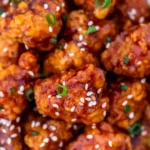
Crispy Korean Fried Chicken
- Total Time: 30 minutes
- Yield: 4 servings 1x
- Diet: General
Description
Authentic and perfectly crispy Korean Fried Chicken with a signature crunch and a sweet, tangy, and spicy glaze, ready in just 30 minutes.
Ingredients
- 2 pounds chicken breast (cut into 1-inch chunks)
- 1 cup cornstarch
- 1/4 cup flour (gluten-free works as well)
- 1/2 teaspoon salt
- 1/4 teaspoon ground black pepper
- 2 eggs (beaten)
- Canola oil for frying
- 1/4 cup ketchup
- 3 tablespoons gochujang paste (or chili sauce)
- 1/4 cup honey
- 3 tablespoons brown sugar
- 1/3 cup soy sauce
- 1/2 cup water
- 3 cloves garlic (minced)
- 1/4 teaspoon red pepper flakes
- 1 tablespoon cornstarch
- 2 teaspoons sesame oil
Instructions
- Sauce: In a medium bowl, combine all the sauce ingredients and set aside.
- Dry Mix: Whisk cornstarch, flour, salt, and black pepper in a large, shallow bowl.
- Egg Wash: Add beaten eggs to another bowl.
- Heat Oil: Pour about 2 inches of canola oil into a deep frying pan and heat it over medium-high heat.
- First Dip: Dip the chicken pieces into the beaten eggs.
- First Coat: Add the chicken chunks to the cornstarch mixture and toss until well coated.
- Double Coat: Dip the chicken again in the beaten eggs and toss it back in the cornstarch mixture.
- Rest: Arrange pieces on a plate and let them rest for 10 minutes.
- Fry: Cook in batches in the hot oil until golden and crispy.
- Drain: Remove to a plate and set aside.
- Glaze: Discard the oil, add the chicken back to the pan, and toss with the sauce.
- Serve: Serve with a sprinkling of green onion and sesame seeds.
Notes
To avoid soggy chicken, maintain oil temperature between 340°F and 370°F. Avoid overcrowding the pan to keep the temperature consistent.
- Prep Time: 15 minutes
- Cook Time: 15 minutes
- Category: Main Course
- Method: Frying
- Cuisine: Korean
Nutrition
- Serving Size: 1 serving
- Calories: 611 kcal
- Sugar: 31 g
- Sodium: 1961 mg
- Fat: 10 g
- Saturated Fat: 2 g
- Unsaturated Fat: 8 g
- Trans Fat: 0 g
- Carbohydrates: 70 g
- Fiber: 1 g
- Protein: 54 g
- Cholesterol: 226 mg
Keywords: Korean Fried Chicken, KFC, crispy chicken, spicy chicken, Asian main course