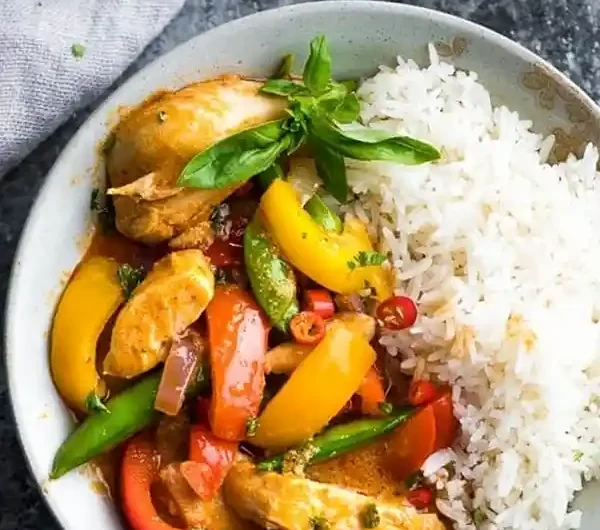
This creamy and flavorful Thai curry is a perfect weeknight meal that comes together quickly using a pressure cooker. It balances sweet, salty, and spicy notes for an authentic taste with minimal effort.
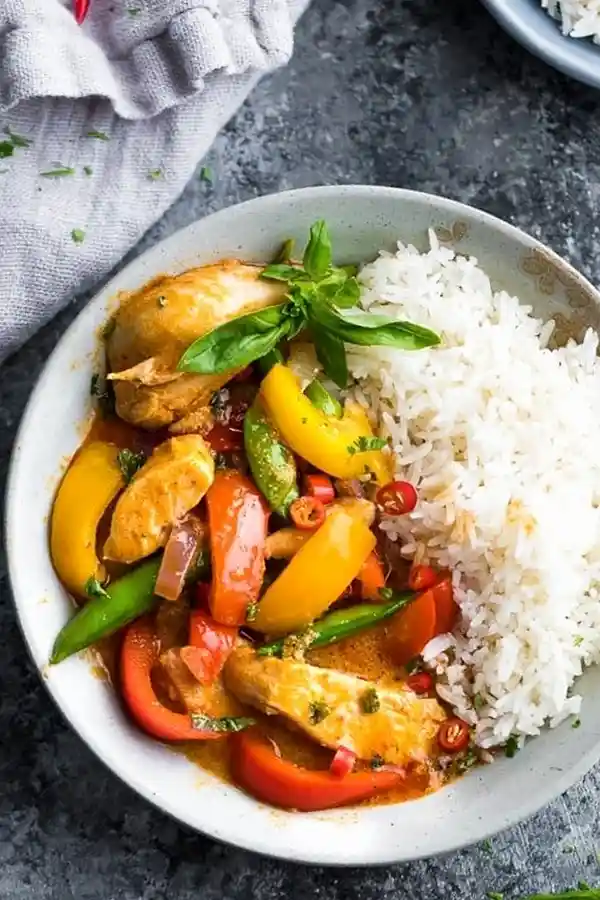
List of ingredients
- 2 boneless skinless chicken breasts (roughly 1 lb) – cut into bite-sized pieces for even cooking.
- 13.5 oz coconut milk (400 mL) – use full fat to ensure a creamy sauce that does not separate.
- 2 tablespoons Thai red curry paste – provides the primary heat and aromatic base.
- 3 tablespoons fish sauce – adds essential saltiness and umami depth.
- 3 tablespoons brown sugar – balances the salt and heat of the curry paste.
- 1 tablespoon lime juice – added at the end for a bright, acidic finish.
- 4 cups sliced vegetables – use a mix of bell peppers, red onion, and snap peas for color and texture.
step-by-step instructions
- Combine Base: Place the chicken breasts, coconut milk, red curry paste, fish sauce, and brown sugar into the stainless steel insert of a 6 quart Instant Pot.
- Pressure Cook: Secure the lid and set the steam release handle to ‘sealing’. Select ‘pressure cook’ (or ‘manual’) and set the timer for 8 minutes on high pressure.
- Release Pressure: Once the cooking cycle is complete, perform a quick pressure release by immediately moving the valve to the venting position.
- Rest the Meat: Carefully remove the cooked chicken from the pot using tongs and set it aside on a plate to rest.
- Sauté Vegetables: Press the ‘sautee’ button. Add the sliced vegetables and lime juice to the sauce, stirring frequently for 3-5 minutes until the vegetables are slightly softened.
- Combine and Serve: Remove the inner pot from the base using oven mitts. Slice the rested chicken and stir it back into the vegetable and sauce mixture. Serve immediately over steamed rice.
Optimizing Your Curry Ingredients
Choosing Full Fat Coconut Milk
Always opt for full fat coconut milk rather than light versions. The higher fat content acts as an emulsifier, which prevents the sauce from breaking or curdling under high pressure.
Selecting the Right Red Curry Paste
Look for reputable brands like Thai Kitchen or Mae Ploy for consistent heat. Red curry paste is typically medium-spicy and contains a blend of dried red chilies, lemongrass, and galangal.
The Importance of Fish Sauce
Fish sauce provides a deep, salty umami flavor that cannot be replicated by salt alone. Even if the smell is pungent initially, it mellows out during cooking to create a balanced savory profile.
Using Brown Sugar for Balance
Brown sugar adds a hint of molasses that rounds out the sharp edges of the fish sauce and spicy chilies. It creates the characteristic sweet-and-salty contrast found in traditional Thai cuisine.
Adding Fresh Lime Juice at the End
Stir in the lime juice only after the pressure cooking is finished. Heating lime juice under high pressure can dull its brightness and alter the fresh, zesty flavor profile.
Vegetable Selection and Preparation
Classic Bell Pepper and Onion Mix
Slicing red and green bell peppers into strips adds vibrant color and a mild sweetness. Red onions provide a sharp contrast that softens beautifully during the short sauté phase.
Incorporating Snap Peas for Crunch
Snap peas add a fresh, crisp texture that prevents the dish from feeling too soft. They only require a few minutes of sautéing to remain bright green and snappy.
Using Hardier Root Vegetables
If adding carrots or cauliflower, slice them into very thin coins or small florets. Because they are cooked during the sauté step, small pieces ensure they soften in the 3-5 minute window.
Adding Leafy Greens
Bok choy or spinach can be stirred in during the final minute of sautéing. These greens wilt quickly in the residual heat, adding nutrients and a fresh look to the curry.
Cutting Techniques for Even Cooking
Ensure all vegetables are cut to a similar thickness. Consistent sizing prevents some pieces from becoming mushy while others remain raw during the rapid sauté process.
Protein Alternatives and Adjustments
Using Boneless Skinless Chicken Thighs
Chicken thighs are a great alternative to breasts as they remain juicier at higher temperatures. They offer a richer flavor and are less likely to dry out during pressure cooking.
Adjusting Cook Time for Thighs
If you switch to chicken thighs, increase the high-pressure cook time to 10 minutes. This ensures the darker meat is fully cooked through and tender.
Substituting Tofu for a Plant-Based Option
Extra-firm tofu can be used by cubing it and adding it during the sauté step. Since tofu does not require pressure cooking, skip the 8-minute cycle and simply simmer the sauce before adding tofu.
Using Shrimp or Seafood
Shrimp should never be pressure cooked as they will become rubbery. Instead, sauté them for 2-3 minutes along with the vegetables at the end of the process.
Customizing Heat and Flavor
Adjusting the Sugar Levels
If you prefer a more savory and less sweet curry, reduce the brown sugar to 1.5 tablespoons. Taste the sauce after the pressure release and add more if needed.
Increasing the Spice Level
For those who enjoy extra heat, add a teaspoon of crushed red pepper flakes or a sliced Thai bird’s eye chili. Stir these in during the initial combination step.
Adding Fresh Aromatics
Sautéing minced garlic, grated ginger, and sliced shallots in a bit of oil before adding other ingredients adds another layer of depth. If you do this, sauté the curry paste for 1 minute as well.
Swapping for Green Curry Paste
You can substitute red curry paste with green curry paste for a different flavor profile. Green curry is often spicier and has a fresher, more herbal taste due to the use of fresh green chilies.
Adding Kaffir Lime Leaves
Tearing a few kaffir lime leaves into the pot before pressure cooking adds a distinct citrus aroma. This adds a professional, authentic touch without adding extra acidity.
Using Thai Basil for Aroma
Stir in a handful of fresh Thai basil leaves just before serving. The licorice-like flavor of Thai basil complements the coconut milk and spicy paste perfectly.
Meal Prep and Freezer Strategies
Creating Freezer Packs
Combine the chicken, coconut milk, curry paste, fish sauce, and brown sugar in a gallon-sized freezer bag. Squeeze out all excess air and freeze the bag flat for easy storage.
Thawing and Cooking Frozen Kits
Thaw the freezer pack completely in the refrigerator overnight before cooking. Pour the contents into the Instant Pot and follow the standard pressure cooking instructions.
Refrigerator Storage Duration
Store leftover curry in an airtight container in the fridge for up to 4 days. The flavors often deepen and improve after a day of resting in the refrigerator.
Freezing Cooked Curry
Cooked curry can be frozen for up to 3 months. Store it in freezer-safe containers, leaving a small amount of space at the top for expansion during freezing.
Reheating and Serving Ideas
Reheating in the Microwave
Place the curry in a microwave-safe bowl and heat on medium power. Stir every minute to ensure the coconut milk is evenly heated and does not separate.
Reheating on the Stovetop
Warm the curry in a small saucepan over medium-low heat. Add a splash of water or coconut milk if the sauce has thickened too much during storage.
Serving with Jasmine Rice
Fragrant Jasmine rice is the traditional accompaniment for Thai curry. Its slightly floral scent and fluffy texture absorb the creamy sauce perfectly.
Using Cauliflower Rice for Low Carb
For a low-carb or keto-friendly version, serve the curry over steamed cauliflower rice. This maintains the creamy experience while significantly reducing the carbohydrate count.
Serving with Warm Naan or Roti
While more common in Indian cuisine, warm naan or roti is excellent for scooping up the thick sauce. Brush the bread with a little garlic butter before warming.
Troubleshooting Common Issues
Preventing Coconut Milk Separation
If the sauce looks grainy, it is usually because a low-fat coconut milk was used. To fix this, whisk the sauce vigorously or use an immersion blender for a few seconds.
Fixing a Sauce That is Too Salty
If the fish sauce makes the dish too salty, stir in an extra tablespoon of brown sugar or a squeeze of lime. You can also add a splash more coconut milk to dilute the salt.
Managing Excess Liquid
If the sauce is too thin after pressure cooking, use the sauté function for a few extra minutes. This allows the liquid to reduce and thicken through evaporation.
Adjusting a Sauce That is Too Sweet
If the curry tastes too sweet, add another teaspoon of fish sauce or a bit more lime juice. The salt and acid will counteract the sweetness of the brown sugar.
Frequently Asked Questions
Can I make this recipe in a slow cooker?
No, this specific recipe does not translate well to a slow cooker. The long, slow heat often causes the coconut milk to separate and break, resulting in an oily texture.
Can I double the recipe?
Yes, you can double the ingredients to make a larger batch. Keep the pressure cooking time at 8 minutes, as increasing the volume does not necessarily require more time for the chicken.
Which Instant Pot size is best?
This recipe is designed for a 6 quart model, but it works perfectly in an 8 quart model. Just ensure the pot is not filled past the halfway mark for safety.
Can I use light coconut milk?
It is not recommended because light coconut milk lacks the fat necessary to stay stable under pressure. This often leads to a curdled sauce that lacks the desired creaminess.
Print
Spicy Instant Pot Thai Chicken Curry
- Total Time: 30 minutes
- Yield: 4 servings 1x
- Diet: General
Description
This Instant Pot Thai curry has a creamy, spicy and flavorful sauce, and comes together quickly for a weeknight dinner. Rich, fragrant, and absolutely delicious.
Ingredients
- 2 boneless skinless chicken breasts (roughly 1 lb)
- 13.5 oz full fat coconut milk
- 2 tablespoons Thai red curry paste
- 3 tablespoons fish sauce
- 3 tablespoons brown sugar
- 1 tablespoon lime juice
- 4 cups sliced vegetables (bell peppers, red onion and snap peas)
Instructions
- Step: Combine all ingredients not listed ‘after cooking’ into the stainless steel insert of a 6 quart Instant Pot.
- Step: Put the lid on the Instant Pot, set the steam release handle to ‘sealing’, and select ‘pressure cook’ (or ‘manual’ on older models) for high pressure 8 minutes.
- Step: Do a quick pressure release (release the pressure immediately after the Instant Pot beeps).
- Step: Remove the chicken from the Instant Pot using a set of tongs and set aside to rest.
- Step: Select the ‘sautee’ button, and add in the lime juice and vegetables. Cook, stirring frequently, for 3-5 minutes. Using oven mitts remove the stainless steel pot from the Instant Pot.
- Step: Slice the chicken and add back to the Instant Pot.
- Step: Serve with rice.
Notes
If doubling the recipe, keep the cook time the same. If using chicken thighs, increase pressure cook time to 10 minutes. For a less sweet curry, reduce brown sugar by half.
- Prep Time: 15 minutes
- Cook Time: 15 minutes
- Category: Main Course
- Method: Pressure Cooking
- Cuisine: Thai
Nutrition
- Serving Size: 1 serving
- Calories: 482 kcal
- Sugar: 9 g
- Sodium: 1292 mg
- Fat: 24 g
- Saturated Fat: 19 g
- Unsaturated Fat: 5 g
- Trans Fat: 0 g
- Carbohydrates: 37 g
- Fiber: 7 g
- Protein: 32 g
- Cholesterol: 72 mg
Keywords: Thai red curry, Instant Pot chicken, creamy curry, weeknight dinner, Thai cuisine