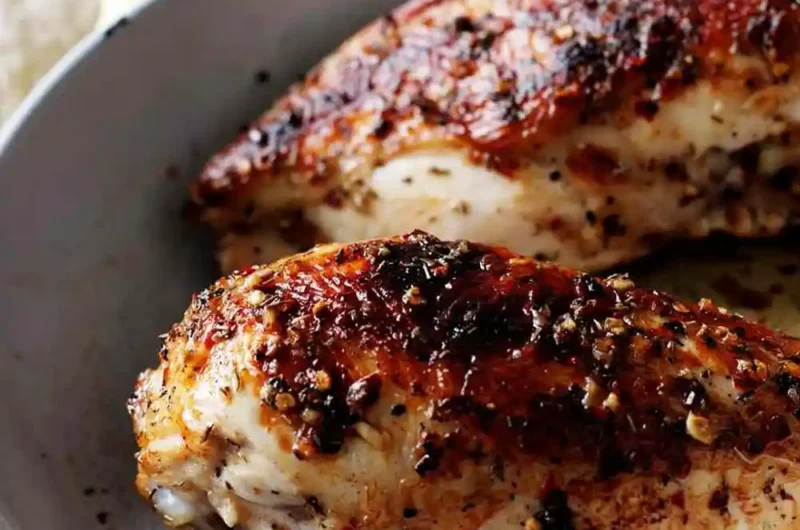
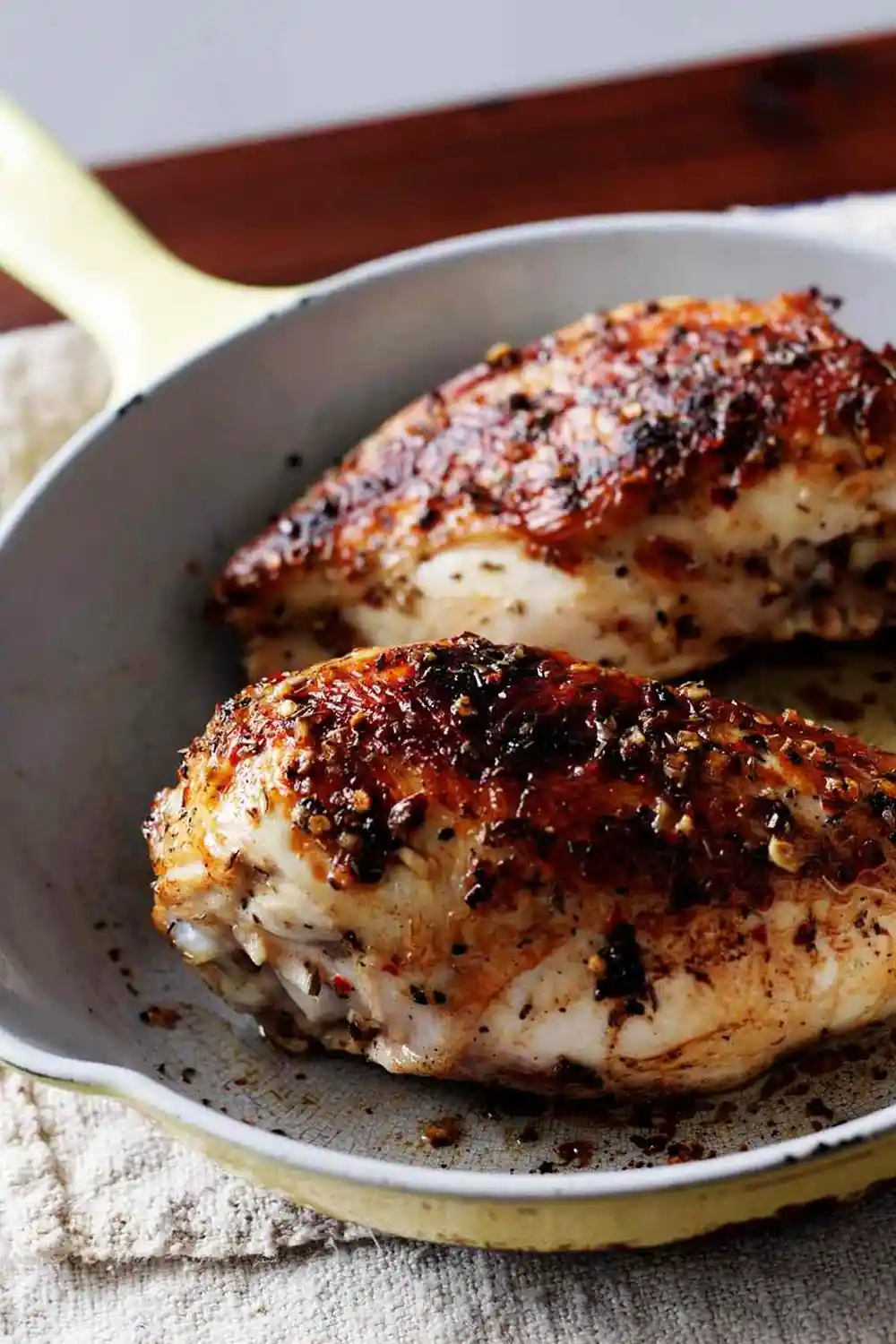
This recipe delivers juicy, bone-in chicken breasts infused with a zesty blend of lemon and aromatic thyme. It is a practical choice for a healthy dinner that relies on a simple marinade for bold flavor.
List of ingredients
- 1 1/2 tablespoons lemon juice – provides acidity and tenderness.
- 1/4 teaspoon dried thyme – adds an earthy, herbal note.
- 1/2 teaspoon dried red-pepper flakes – adds a subtle heat.
- 1 clove garlic, minced – gives a pungent, savory base.
- 1/4 cup olive oil – prevents sticking and carries flavors.
- 1/4 teaspoon salt – enhances all other seasonings.
- 1/4 teaspoon fresh-ground black pepper – adds a sharp, woody spice.
- 4 bone-in chicken breasts (about 2 1/4 pounds in all) – ensures juicy meat during grilling.
step-by-step instructions
- Prepare Heat: Light the grill or heat the broiler to a moderately high temperature.
- Mix Marinade: In a shallow dish, combine the lemon juice, dried thyme, red-pepper flakes, minced garlic, olive oil, salt, and black pepper.
- Coat Chicken: Thoroughly coat the four bone-in chicken breasts with the prepared mixture.
- Initial Sear: Grill the chicken breasts over moderately high heat or broil them for 8 to 10 minutes.
- Finish Cooking: Turn the chicken over and continue cooking until the meat is just done, which usually takes another 10 minutes.
Expert Grilling Techniques
Setting Up Heat Zones
For best results, create two temperature zones on your grill. Use a high-heat zone for the initial sear to lock in juices and a lower-heat zone to finish cooking the bone-in meat. This prevents the outside from burning before the inside is safe to eat.
Managing Grill Grates
Clean your grill grates thoroughly with a wire brush before lighting the fire. Lightly oil the grates using a paper towel dipped in vegetable oil. This prevents the chicken skin from sticking and tearing during the flipping process.
Monitoring Internal Temperature
Use a digital meat thermometer to ensure the chicken reaches a safe internal temperature of 165°F. Insert the probe into the thickest part of the breast, avoiding the bone. This is the only way to guarantee the meat is cooked through without overdoing it.
The Importance of Resting Meat
Allow the chicken to rest on a plate for 5 to 10 minutes before slicing. This allows the muscle fibers to relax and the juices to redistribute throughout the meat. Cutting too early will cause the juices to run out, leaving the chicken dry.
Marinade Optimization
Substituting Fresh Thyme
If you prefer fresh thyme, replace the dried thyme with one tablespoon of fresh leaves. Fresh herbs provide a brighter, more floral flavor profile. Be sure to strip the leaves from the woody stems before adding them to the oil.
Incorporating Lemon Zest
To intensify the citrus flavor without adding more acidity, grate the zest of one lemon into the marinade. The zest contains essential oils that provide a deep lemon aroma. This complements the tartness of the lemon juice perfectly.
Adjusting the Garlic Intensity
For a stronger garlic taste, use two cloves instead of one or use a garlic press for a finer paste. A press releases more allicin, which creates a more pungent flavor. Ensure the garlic is well-distributed in the oil to avoid burnt bits on the grill.
Selecting the Right Oil
Extra virgin olive oil is excellent for flavor, but for very high heat, consider a blend with avocado oil. Avocado oil has a higher smoke point, which reduces the risk of the marinade smoking. Either way, ensure the oil fully coats the skin for a golden finish.
Chicken Preparation and Handling
Managing Bone-in Breasts
Bone-in breasts are superior for grilling because the bone protects the meat from drying out. Ensure the breasts are of similar size to achieve uniform cooking times. If one piece is significantly larger, move it to a slightly hotter part of the grill.
Tempering the Meat
Take the chicken out of the refrigerator about 20 to 30 minutes before grilling. Bringing the meat closer to room temperature ensures it cooks more evenly. Cold meat often sears on the outside while remaining raw near the bone.
Controlling Surface Moisture
Pat the chicken breasts dry with paper towels before applying the marinade. Excess surface moisture creates steam, which prevents the Maillard reaction. A dry surface leads to a better, crispier brown crust.
Safe Thawing Methods
Always thaw frozen chicken breasts in the refrigerator over 24 to 48 hours. Avoid thawing on the counter at room temperature to prevent bacterial growth. If short on time, use a cold water bath, changing the water every 30 minutes.
Serving and Pairing Ideas
Grilled Vegetable Accompaniments
Pair this chicken with grilled zucchini spears or sliced bell peppers. Brush the vegetables with a similar mix of olive oil and lemon to create a cohesive meal. Grill them alongside the chicken during the last 10 minutes of cooking.
Complementary Grain Sides
Serve the chicken over a bed of wild rice or fluffy quinoa. These grains absorb the leftover lemon and thyme juices from the meat. A side of buttered couscous also works well to balance the acidity of the lemon.
Fresh Herb Garnishes
Top the finished chicken with a sprinkle of fresh chopped parsley or cilantro. Fresh herbs add a pop of color and a clean taste that cuts through the richness of the olive oil. A few thin slices of fresh lemon on the side are also recommended.
Light Salad Pairings
A simple arugula salad with a light balsamic vinaigrette provides a peppery contrast to the thyme. Mix in some halved cherry tomatoes and cucumber for added texture. Keep the salad dressing light to let the chicken remain the star of the plate.
Storage and Preservation
Cooling Before Storage
Allow the chicken to cool to room temperature before placing it in a container. Putting hot chicken directly into the fridge can raise the internal temperature of the refrigerator. This can potentially put other perishable foods at risk.
Airtight Container Selection
Store leftovers in a glass airtight container to keep the meat moist and prevent odors. Glass is preferable to plastic as it does not absorb smells from the garlic and lemon. Ensure the lid is sealed tightly to avoid oxidation.
Freezing for Long Term
Cooked chicken can be frozen for up to three months. Wrap the breasts tightly in aluminum foil and then place them in a heavy-duty freezer bag. Squeeze out as much air as possible to prevent freezer burn.
Proper Thawing Process
When using frozen leftovers, thaw them slowly in the refrigerator overnight. Avoid using a microwave to thaw, as this can make the chicken rubbery. Slow thawing preserves the texture of the meat more effectively.
Effective Reheating Methods
Low-Temperature Oven Reheating
Reheat the chicken in the oven at 300°F (150°C) in a baking dish. Add a tablespoon of water or chicken broth to the bottom of the dish and cover it with foil. This creates steam that re-hydrates the meat.
Stovetop Pan Searing
Place the chicken in a skillet over medium-low heat with a small knob of butter. Cover the pan with a lid to trap the heat and moisture. Sear for 3 to 5 minutes per side until warmed through.
Microwave Settings for Leftovers
If using a microwave, use a medium power setting rather than high. Cover the chicken with a damp paper towel to prevent the surface from drying out. Heat in short 30-second intervals, turning the meat between each burst.
Avoiding Overcooking during Reheat
The goal of reheating is to warm the meat, not to cook it again. Remove the chicken as soon as it is warm to the touch. Overheating will cause the proteins to tighten, making the chicken tough and dry.
Troubleshooting Common Issues
Preventing Burnt Exteriors
If the outside of the chicken is browning too quickly, move it to the indirect heat zone. Lower the flame or move the meat further from the coals. This allows the internal temperature to rise without scorching the skin.
Fixing Dry Meat
If the chicken comes out slightly dry, serve it with a side of melted lemon butter. Whisk together melted butter, lemon juice, and a pinch of salt. Pour this over the sliced breasts to add moisture and richness.
Managing Grease Flare-ups
Keep a spray bottle of water nearby to extinguish sudden flames caused by dripping fat. Alternatively, move the chicken to a cooler part of the grill until the flare-up subsides. Avoid using water directly on the coals if using a gas grill.
Adjusting for Boneless Breasts
If you use boneless breasts, reduce the cooking time significantly. Boneless meat typically cooks in 5 to 7 minutes per side. Check for doneness earlier to avoid overcooking the leaner meat.
Recipe Questions and Answers
Can I use a different citrus fruit?
Yes, you can use lime juice for a more tropical flavor or orange juice for a sweeter profile. Lime works best with the thyme, while orange pairs well if you add a pinch of paprika to the marinade.
How long can the chicken marinate?
Marinate for at least 30 minutes, but no more than 24 hours. Because lemon juice is acidic, marinating for too long can break down the meat fibers too much, resulting in a mushy texture.
Can I make this using a grill pan?
Yes, a cast-iron grill pan on a stovetop is a great alternative. Use high heat to get those characteristic grill marks. Since there is no ambient heat from a grill, you may need to cover the pan for a few minutes.
Should I brine the chicken first?
A dry brine with salt for an hour before marinating can further improve moisture retention. However, it is not strictly necessary as the olive oil in the marinade already helps protect the meat. If you brine, reduce the salt in the marinade.
Print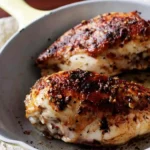
Lemon and Thyme Grilled Chicken Breasts
- Total Time: 30 minutes
- Yield: 4 servings 1x
- Diet: General
Description
A bold mixture of red-pepper flakes, garlic, thyme, lemon juice, and olive oil serves as a spicy marinade for bone-in chicken breasts.
Ingredients
- 1 1/2 tablespoons lemon juice
- 1/4 teaspoon dried thyme
- 1/2 teaspoon dried red-pepper flakes
- 1 clove garlic, minced
- 1/4 cup olive oil
- 1/4 teaspoon salt
- 1/4 teaspoon fresh-ground black pepper
- 4 bone-in chicken breasts (about 2 1/4 pounds in all)
Instructions
- Prepare: Light the grill or heat the broiler. In a shallow dish, combine the lemon juice with the thyme, red-pepper flakes, garlic, oil, salt, and black pepper. Coat the chicken with the mixture.
- Cook: Grill the chicken breasts over moderately high heat or broil them for 8 to 10 minutes. Turn and cook until the chicken is just done, about 10 minutes longer.
- Prep Time: 10 minutes
- Cook Time: 20 minutes
- Category: Dinner
- Method: Grilling
- Cuisine: American
Nutrition
- Serving Size: 1 chicken breast
- Calories: 450 kcal
- Sugar: 2 g
- Sodium: 610 mg
- Fat: 28 g
- Saturated Fat: 7 g
- Unsaturated Fat: 21 g
- Trans Fat: 0 g
- Carbohydrates: 4 g
- Fiber: 1 g
- Protein: 45 g
- Cholesterol: 125 mg
Keywords: grilled chicken, lemon thyme chicken, bone-in chicken breasts, spicy marinade