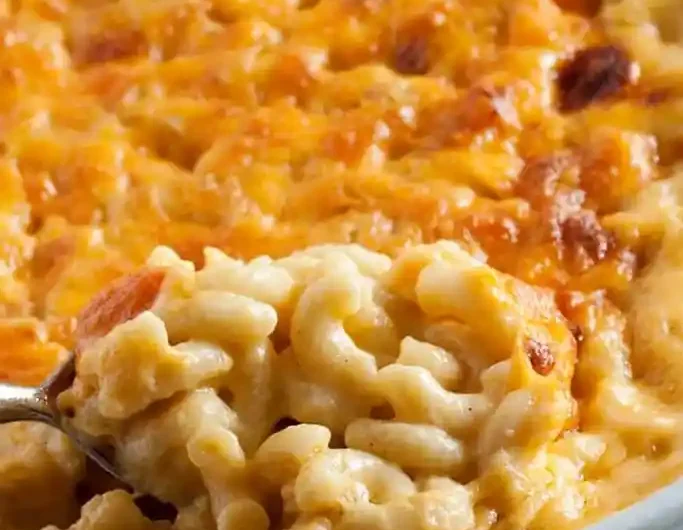
This baked macaroni and cheese delivers a rich, velvety texture with a perfectly balanced sharp cheese flavor. It is a versatile side dish that can be prepared in advance and baked just before serving to ensure maximum creaminess.
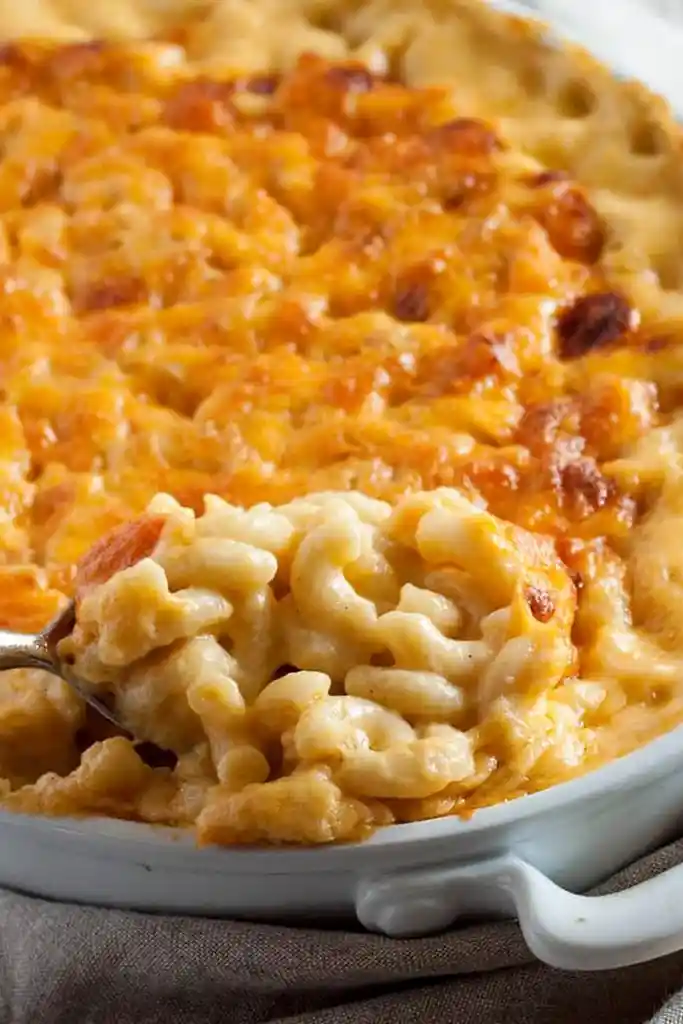
List of ingredients
- 16 ounces macaroni – use a standard elbow shape for best sauce adhesion.
- 1/3 cup butter – unsalted butter allows for better control over seasoning.
- 1/3 cup flour – all-purpose flour acts as the thickening agent for the roux.
- 1/2 tsp white pepper – provides a mild heat without visible black specks.
- 1/2 tsp salt – used for seasoning the sauce and boiling the pasta.
- 1/8 tsp cayenne pepper – adds a subtle kick to cut through the richness of the cheese.
- 3 1/2 cups 2% milk – creates a smooth base; ensure it is slightly warmed to prevent clumping.
- 8 ounces medium cheddar cheese (shredded) – provides the primary creamy melt.
- 8 ounces extra sharp cheddar cheese (shredded) – divided use for the sauce and the golden topping.
step-by-step instructions
- Preheat Oven: Set your oven to 375 degrees F to ensure it is fully heated before the dish goes in.
- Boil Pasta: Bring a large pot of salted water to a rolling boil. Cook the macaroni for 8 to 9 minutes, then strain and set aside.
- Melt Butter: Use a heavy-bottomed large pot over medium heat to melt the butter completely.
- Create Roux: Sprinkle the flour, white pepper, salt, and cayenne pepper over the melted butter. Whisk constantly until the mixture is smooth and has thickened slightly.
- Incorporate Milk: Gradually stir in the milk 1/2 cup at a time. Wait until each portion is fully incorporated before adding the next to avoid lumps.
- Melt Cheese: Add all the medium cheddar and half of the extra sharp cheddar to the sauce. Stir until the cheese is fully melted, then fold in the cooked macaroni.
- Assemble: Pour the mixture into a 3-quart baking dish. Evenly sprinkle the remaining extra sharp cheddar cheese over the top.
- Bake: Place the dish in the oven and bake at 375 F for 30 minutes or until the top is golden and bubbly.
Selecting the Best Cheese Blends
Medium Cheddar for Meltability
Medium cheddar is essential because it has a higher moisture content than aged varieties. This allows it to melt smoothly into the sauce without separating or becoming oily. It provides the gooey foundation that defines a classic baked mac and cheese.
Extra Sharp Cheddar for Depth
The extra sharp cheddar provides the pungent, salty contrast needed to balance the butter and milk. By splitting this cheese between the sauce and the topping, you get flavor in every bite and a savory crust on top. This combination ensures the dish does not taste bland.
The Risk of Pre-Shredded Cheese
Pre-shredded cheeses are often coated in potato starch or cellulose to prevent clumping in the bag. These additives can lead to a gritty or grainy texture in the final sauce. For the smoothest result, grate your cheese blocks by hand using a box grater.
Mastering the Béchamel Base
Controlling Roux Temperature
Maintain a medium heat when cooking the butter and flour to avoid scorching. The roux should bubble gently but not turn brown, as this is a blonde roux intended to be neutral in flavor. Overheating the butter can lead to a burnt taste that permeates the entire dish.
Gradual Milk Integration
Adding milk too quickly can cause the flour clumps to lock together, making it difficult to achieve a smooth consistency. By adding the milk in small increments, you allow the flour to hydrate slowly and emulsify with the fats. This technique is the secret to a professional, velvet-like sauce.
Whisking Techniques for Smoothness
Use a wire whisk rather than a spoon to incorporate the milk and cheese. A whisk breaks up small lumps of flour and ensures the cheese is evenly distributed throughout the sauce. Continuous movement prevents the bottom of the pot from burning.
Pasta Preparation Details
Timing for Al Dente Results
Cook the macaroni for slightly less time than the package directions suggest. Since the pasta continues to cook in the oven while absorbing the cheese sauce, overboiling will lead to mushy noodles. Aim for a firm bite, known as al dente, during the initial boil.
Importance of Salted Water
Adding salt to the boiling water is the only chance to season the pasta itself. This enhances the overall flavor profile of the dish from the inside out. Use a generous amount of salt, as most of it stays in the water and is drained away.
Proper Draining Techniques
Once the pasta is cooked, drain it immediately in a colander to stop the cooking process. Do not rinse the pasta with cold water, as the remaining surface starch helps the cheese sauce cling to the noodles. This results in a more cohesive dish.
Baking for Optimal Texture
Oven Rack Positioning
Place the baking dish on the center rack of the oven for even heat distribution. This prevents the bottom from burning while allowing the top to brown properly. If the top browns too quickly, you can loosely cover it with foil for the last 10 minutes.
Managing the Cheese Topping
Ensure the extra sharp cheddar is spread evenly across the entire surface of the macaroni. This creates a consistent seal that traps moisture inside the dish during the baking process. A thick layer of cheese on top provides a satisfying textural contrast to the creamy interior.
Determining Doneness
The macaroni and cheese is done when the edges are bubbling and the cheese on top has turned a golden-brown color. You should see the sauce simmering around the edges of the baking dish. If the center seems too liquid, give it another 5 minutes of bake time.
Long Term Storage and Prep
Refrigeration Safety
Allow the dish to cool to room temperature before covering it with airtight foil or plastic wrap. Store the leftovers in the refrigerator for up to four days. Keeping it tightly sealed prevents the pasta from absorbing fridge odors and drying out.
Reheating for Creaminess
When reheating in the oven, add a splash of milk to the dish to restore the moisture lost during storage. Cover the dish with foil to trap steam, which helps the cheese re-melt without hardening. Heat at 325 F until warmed through.
Freezing and Thawing Process
To freeze, assemble the dish and bake it for only 10-15 minutes until the top is just starting to brown. Let it cool completely before wrapping it tightly in plastic wrap and aluminum foil. Thaw in the refrigerator overnight before finishing the baking process.
Common Cooking Challenges
Solving Sauce Separation
If the sauce appears oily or separates, it is usually due to overheating the cheese. To fix this, remove the pot from the heat and whisk in a tablespoon of milk or cream. Lowering the temperature and adding a bit of liquid helps re-emulsify the fats.
Adjusting Sauce Thickness
If the sauce is too thick, stir in a small amount of warm milk until the desired consistency is reached. If it is too thin, you can simmer the roux and milk mixture for a few extra minutes before adding the cheese. Be careful not to over-reduce, or the sauce may become gummy.
Fixing Overcooked Pasta
If the pasta was overcooked during the boiling stage, reduce the baking time by 5 to 10 minutes. This prevents the noodles from breaking down completely. Additionally, folding the pasta into the sauce gently will prevent further breakage.
Frequently Asked Questions
Can I use whole milk instead of 2%?
Yes, whole milk can be used for a richer, creamier result. It will increase the overall fat content and make the sauce slightly thicker. The substitution is a 1:1 ratio.
What is the best substitute for cayenne pepper?
If you do not have cayenne, a small amount of paprika or a pinch of crushed red pepper flakes can work. Paprika provides a milder, smokier flavor, while red pepper flakes offer a sharper heat.
How can I make the dish spicier?
To increase the heat, you can double the amount of cayenne pepper or add a pinch of mustard powder. Mustard powder enhances the sharpness of the cheddar and adds a subtle zing to the sauce.
Can this be made in a slow cooker?
This specific recipe is designed for baking to achieve a crust, but it can be adapted for a slow cooker. Cook the pasta separately and combine everything on low for 2-3 hours, though you will miss the golden baked topping.
Print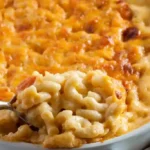
Creamy Southern Style Baked Macaroni and Cheese
- Total Time: 50 minutes
- Yield: 8 servings 1x
- Diet: General
Description
A baked mac and cheese recipe that is rich and creamy, but can be made ahead of time and thrown in the oven when guests arrive.
Ingredients
- 16 ounces macaroni
- 1/3 cup butter
- 1/3 cup flour
- 1/2 tsp white pepper
- 1/2 tsp salt
- 1/8 tsp cayenne pepper
- 3 1/2 cups 2% milk
- 8 ounces medium cheddar cheese, shredded
- 8 ounces extra sharp cheddar cheese, shredded
Instructions
- Step: Preheat the oven to 375 degrees F.
- Step: Bring a large pot of salted water to a boil. Add the macaroni, cook for 8 – 9 minutes. Strain and set aside.
- Step: In a heavy-bottomed large pot over medium heat, melt the butter.
- Step: Sprinkle the flour, white pepper, salt, and cayenne pepper over the melted butter, whisking until smooth and the mixture has thickened slightly.
- Step: Stir in the milk 1/2 cup at a time, only adding the next half cup once the previous one has been incorporated entirely.
- Step: Add all of the medium cheddar cheese and half of the extra sharp cheddar cheese, stir into the milk/flour sauce until melted. Stir in the macaroni.
- Step: Pour into a 3 quart baking dish. Top with the remaining extra sharp cheddar cheese.
- Step: Bake at 375 F for 30 minutes.
Notes
Using the specific combination of Medium and Extra Sharp Cheddar ensures the sauce remains creamy and prevents it from becoming gritty or too bland.
- Prep Time: 20 minutes
- Cook Time: 30 minutes
- Category: Holiday, Side Dish
- Method: Baking
- Cuisine: American
Nutrition
- Serving Size: 1 serving
- Calories: 538 kcal
- Sugar: 8 g
- Sodium: 920 mg
- Fat: 31 g
- Saturated Fat: 19 g
- Unsaturated Fat: 11 g
- Trans Fat: 1 g
- Carbohydrates: 44 g
- Fiber: 2 g
- Protein: 23 g
- Cholesterol: 95 mg
Keywords: macaroni and cheese, southern baked mac and cheese, creamy mac and cheese