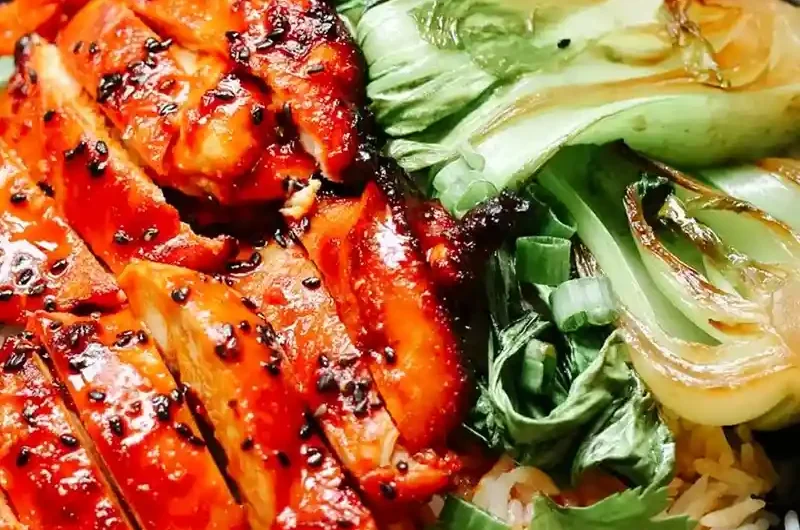
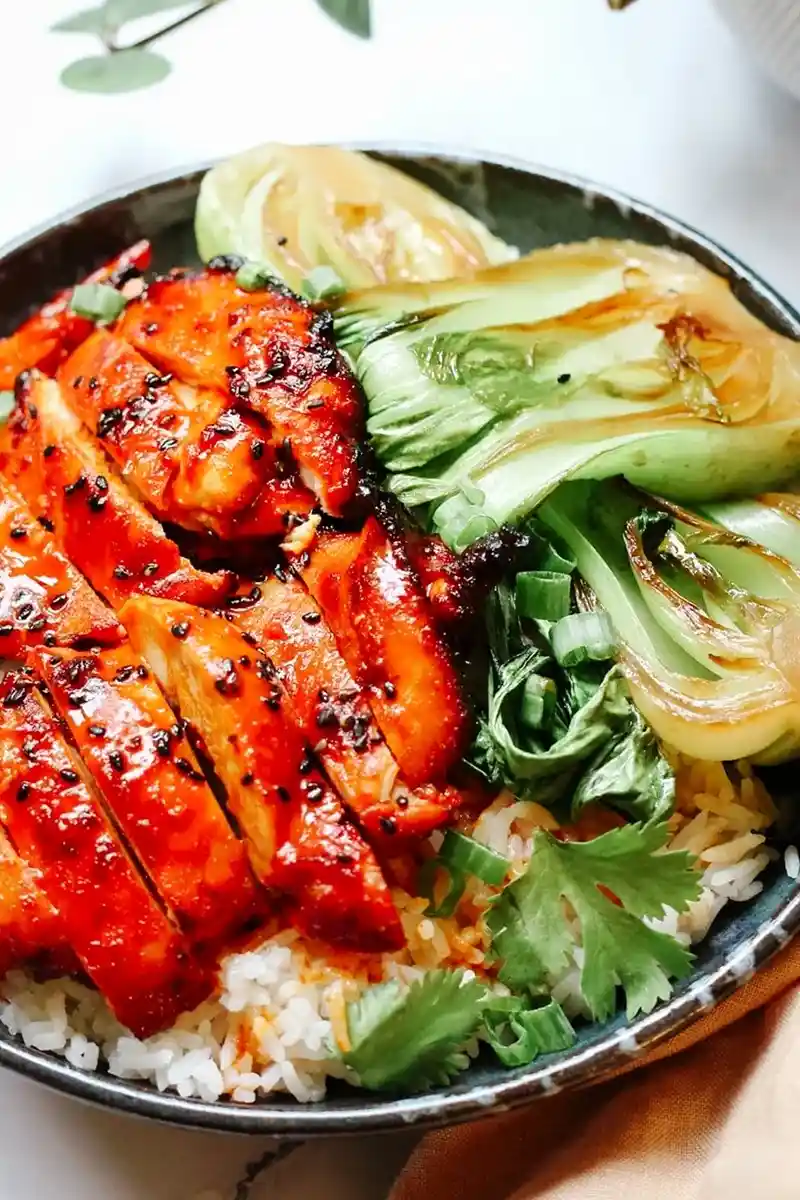
Prepare a bold and spicy meal with these air-fried Korean-inspired chicken thighs. This recipe delivers juicy meat with a caramelized exterior using a simple, flavor-packed marinade.
List of ingredients
- 5-6 chicken thighs – use boneless skinless for faster cooking.
- 2 tbsp avocado oil – provides a high smoke point for air frying.
- 2 tbsp gochujang paste – adds a spicy, fermented Korean chili flavor.
- 2 tbsp rice vinegar – a tangy substitute for mirin to balance the sweetness.
- 2 tbsp soy sauce – use low-sodium to control the salt levels.
- 1 tbsp honey – helps the chicken caramelize and balances the heat.
- 1 tbsp minced garlic – use fresh cloves for the strongest aroma.
- 1 tbsp minced ginger – provides a warm, zesty undertone to the marinade.
step-by-step instructions
- Prepare the marinade: Combine the avocado oil, gochujang paste, rice vinegar, soy sauce, honey, minced garlic, and minced ginger in a medium mixing bowl. Stir thoroughly until the honey and paste are fully incorporated.
- Coat the chicken: Add the chicken thighs to the bowl and toss them well to ensure every piece is evenly coated in the sauce.
- Marinate the meat: Let the chicken sit for at least 15 minutes. For deeper flavor penetration and more tender meat, marinate the chicken in the refrigerator overnight.
- Air fry: Set the air fryer to 350 degrees Fahrenheit. Place the chicken in the basket in a single layer and cook for 20 minutes, flipping the pieces halfway through the cooking time.
- Check temperature: Use an instant-read thermometer to confirm the internal temperature of the chicken has reached 165 degrees Fahrenheit or higher.
- Serve: Remove the chicken from the air fryer and let it rest for a few minutes before serving.
Ingredient Substitutions and Alternatives
Using Chicken Breasts Instead of Thighs
If you prefer leaner meat, you can substitute chicken thighs with boneless, skinless chicken breasts. Because breasts have less fat, they cook faster and can dry out quickly, so reduce the cooking time by 3 to 5 minutes. Check the internal temperature frequently to ensure they remain juicy.
Alternative Neutral Cooking Oils
While avocado oil is recommended for its high smoke point, you can use other neutral oils like grapeseed or canola oil. Avoid using extra virgin olive oil, as it may smoke at the higher temperatures required for a crispy exterior. The goal is a oil that doesn’t add its own strong flavor to the Korean spices.
Sweetener Options for Honey
If honey is unavailable, maple syrup, brown sugar, or agave syrup are excellent alternatives. These sweeteners provide the necessary sugars to help the gochujang paste caramelize under the high heat of the air fryer. Brown sugar adds a slightly deeper, molasses-like note to the sauce.
Substituting Fresh Garlic and Ginger
Fresh aromatics are ideal, but garlic powder and ground ginger can be used in a pinch. Use about one teaspoon of powder for every tablespoon of fresh minced equivalent. Ensure the powder is well-mixed into the liquids to avoid clumps on the chicken skin.
Optimal Cooking Techniques
Ensuring Complete Thawing
Always thaw frozen chicken thighs completely before starting the marination process. Cooking partially frozen meat in an air fryer leads to uneven heat distribution, where the outside burns before the center reaches a safe temperature. Thaw them in the refrigerator overnight for the best results.
Maximizing Marination Time
While a 15-minute soak provides basic flavor, marinating for several hours or overnight allows the salt and acids to break down the muscle fibers. This process makes the chicken significantly more tender and ensures the gochujang flavor reaches the center of the meat. Store the marinated chicken in a sealed container or vacuum bag.
The Importance of Preheating
Preheating the air fryer ensures that the cooking process begins immediately upon placing the chicken in the basket. This creates an instant sear on the outside of the meat, which helps lock in the juices. A hot basket also prevents the chicken from sticking to the bottom of the air fryer.
Managing Basket Space
Avoid overcrowding the air fryer basket, as the appliance relies on rapid air circulation to crisp the meat. If the chicken pieces are touching or stacked, they will steam rather than fry, resulting in a soggy exterior. Cook the thighs in batches if necessary to maintain a single layer with space between each piece.
Flavor Enhancement and Pairing
Increasing the Spice Level
For those who prefer a fierier dish, add a pinch of cayenne pepper or red pepper flakes to the marinade. You can also increase the amount of gochujang paste by one tablespoon, though you may need to add a bit more honey to keep the flavor balanced. For an extra kick, drizzle a small amount of sriracha over the finished chicken.
Recommended Garnishes for Presentation
To add visual contrast and fresh flavor, garnish the finished chicken with toasted sesame seeds and thinly sliced green onions. A squeeze of fresh lemon or lime juice just before serving cuts through the richness of the thighs. These additions provide a professional look and a bright finish to the savory dish.
Balancing Umami and Sweetness
The balance between the fermented funk of gochujang and the sweetness of honey is key. If the sauce tastes too salty, add a teaspoon of brown sugar or an extra drizzle of honey. If it feels too sweet, increase the rice vinegar slightly to introduce more acidity and brighten the overall profile.
Storage and Reheating Guidelines
Refrigeration and Shelf Life
Store leftover cooked chicken in an airtight glass or plastic container in the refrigerator. The chicken will remain safe to eat and flavorful for up to three days. Ensure the chicken is cooled slightly before sealing the container to prevent excess moisture from condensing on the meat.
Freezing Instructions for Long Term Storage
Cooked gochujang chicken thighs can be frozen for up to three months. Wrap individual pieces in parchment paper or foil before placing them in a heavy-duty freezer bag to prevent freezer burn. This is a great way to prepare a large batch for future quick meals.
Best Methods for Reheating
To maintain the crispy texture, reheat the chicken in the air fryer at 350 degrees Fahrenheit for 3 to 5 minutes. If using a microwave, heat on medium power to avoid toughening the meat, though the skin will lose its crispness. Adding a teaspoon of water to the microwave dish can help keep the chicken moist.
Serving Suggestions
Choosing the Right Grains
Serve these thighs over a bed of steamed white jasmine rice or short-grain sushi rice to soak up the extra marinade. Brown rice or quinoa are healthier alternatives that provide a nuttier flavor and more texture. For a low-carb option, cauliflower rice works well with the bold flavors of the sauce.
Pairing with Asian-Style Vegetables
Complement the spicy chicken with steamed bok choy, sautéed spinach with sesame oil, or roasted zucchini. A side of garlic-braised kale adds a bitter contrast that balances the sweetness of the honey. These greens provide essential nutrients and a refreshing crunch to the plate.
Adding a Fresh Side Salad
A chilled sesame cucumber salad with rice vinegar and sesame seeds is the perfect accompaniment. The cool, crisp nature of the cucumbers refreshes the palate between bites of the spicy chicken. Alternatively, a cabbage slaw with a light ginger dressing adds a bright, acidic element to the meal.
Troubleshooting Common Issues
Preventing the Marinade from Burning
Because honey contains sugar, the marinade can burn if the temperature is too high or the chicken is overcooked. If you notice the edges blackening too quickly, lower the air fryer temperature to 325 degrees and extend the cooking time slightly. You can also lightly brush the chicken with extra oil to create a barrier.
Dealing with Undercooked Centers
If the exterior looks done but the internal temperature is below 165 degrees, continue air frying in 2-minute increments. Thick chicken thighs often require a bit more time than the recipe suggests. Using a meat thermometer is the only foolproof way to ensure the chicken is safe to eat without overcooking it.
Adjusting Excessively Spicy Results
If the chicken is too spicy for your preference, serve it with a dollop of Greek yogurt or sour cream on the side. The dairy helps neutralize the capsaicin in the gochujang. You can also serve the chicken with a side of steamed white rice, which naturally mellows the heat of the sauce.
Frequently Asked Questions
What does gochujang taste like?
Gochujang is a fermented Korean chili paste that offers a complex profile of spicy, sweet, and savory notes. It has a deep umami flavor and a slight smokiness due to the fermentation of soybeans and glutinous rice. It is thicker and more pungent than standard hot sauces.
Is gochujang similar to Sriracha?
While both are chili-based, gochujang is significantly sweeter and less acidic than Sriracha. Sriracha relies more on vinegar and fresh garlic, whereas gochujang has a rich, fermented depth. Gochujang is a paste, whereas Sriracha is a thinner sauce.
What is the safe internal temperature for chicken thighs?
Chicken thighs must reach a minimum internal temperature of 165 degrees Fahrenheit to be safe for consumption. However, many chefs prefer cooking thighs to 175 degrees Fahrenheit, as the connective tissue breaks down further, making the meat even more tender.
Should gochujang be refrigerated?
Yes, once a jar of gochujang paste has been opened, it should be stored in a tightly sealed container in the refrigerator. When stored properly, it can last for 2 to 3 months. Refrigeration prevents the paste from drying out and preserves the fermented flavors.
Print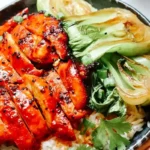
Air Fryer Gochujang Chicken Thighs
- Total Time: 25 minutes
- Yield: 2–4 servings 1x
- Diet: Dairy-Free
Description
You are surely in for a treat when you try these marinated chicken thighs in air fryer! This Gochujang Chicken Thighs recipe is not only easy to follow, it also makes the most flavorful and juiciest chicken thighs you will ever have!
Ingredients
- 5–6 pieces chicken thighs
- 2 tbsp avocado oil
- 2 tbsp gochujang paste
- 2 tbsp rice vinegar
- 2 tbsp soy sauce
- 1 tbsp honey
- 1 tbsp minced garlic
- 1 tbsp minced ginger
Instructions
- Step 1: In a bowl, combine all ingredients. Mix well.
- Step 2: Add the chicken and mix well.
- Step 3: Marinade for 15 minutes or more. For best results, marinate overnight.
- Step 4: Air fry at 350 degrees for 20 minutes, flipping halfway. The internal temperature of chicken is 165 degrees or more.
- Step 5: Serve and enjoy!
Notes
Thaw raw chicken completely if using frozen. Marinate for at least 30 minutes or overnight for best results. Preheat the air fryer to ensure a crispy exterior.
- Prep Time: 5 minutes
- Cook Time: 20 minutes
- Category: Main Course
- Method: Air Frying
- Cuisine: Korean
Nutrition
- Serving Size: 1-2 chicken thighs
- Calories: 420 kcal
- Sugar: 12 g
- Sodium: 950 mg
- Fat: 28 g
- Saturated Fat: 7 g
- Unsaturated Fat: 18 g
- Trans Fat: 0 g
- Carbohydrates: 15 g
- Fiber: 1 g
- Protein: 32 g
- Cholesterol: 110 mg
Keywords: gochujang chicken, air fryer chicken, korean chicken thighs, marinated chicken