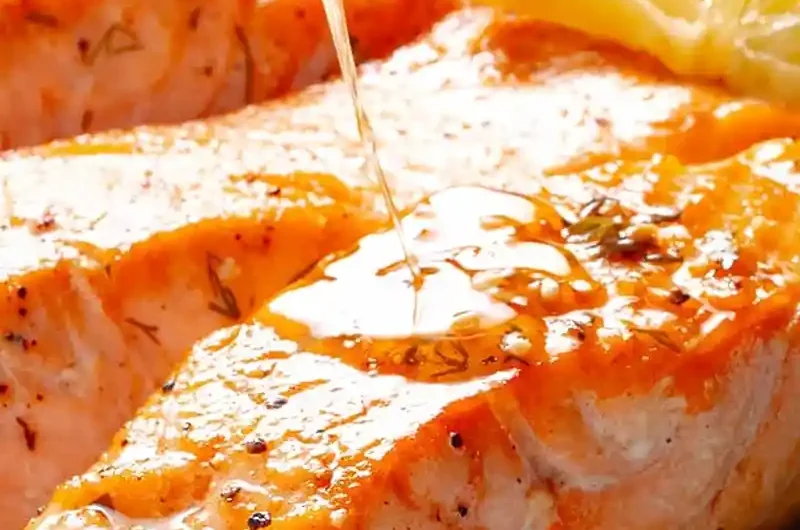
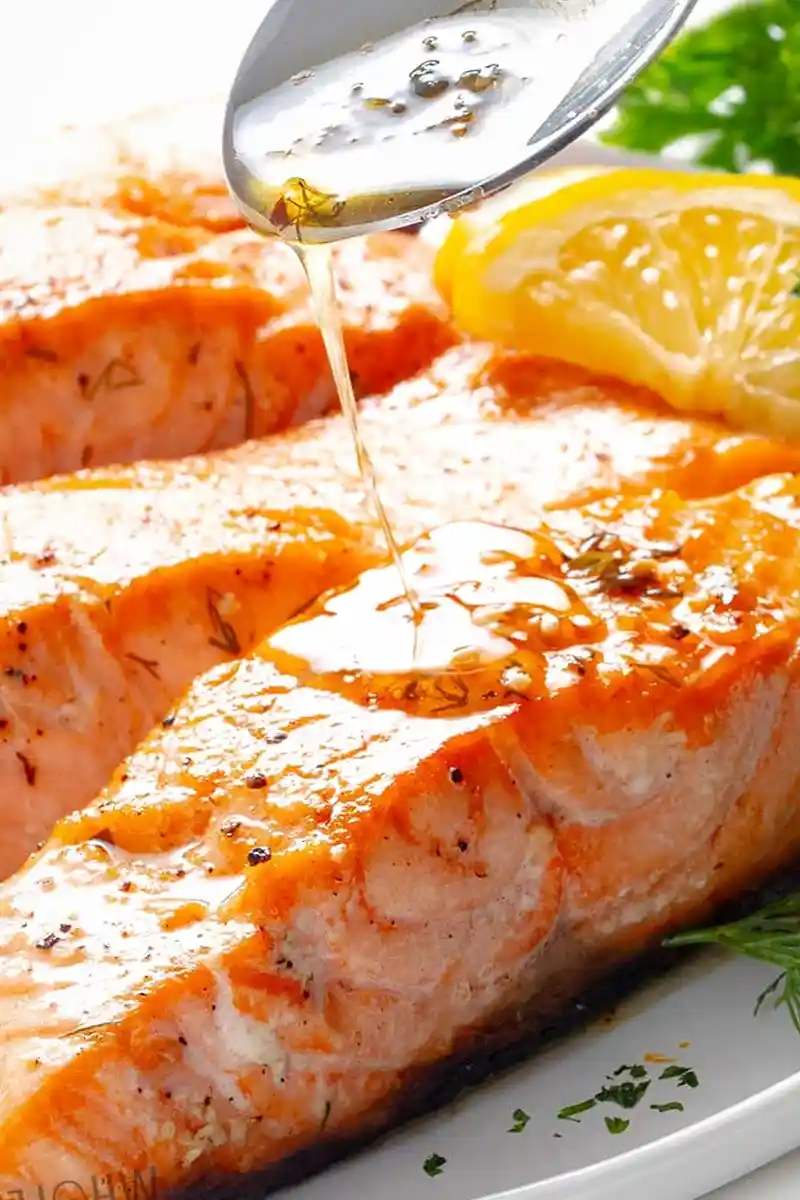
This quick salmon dinner delivers a perfectly crisp exterior and a moist, flaky center in just 15 minutes. The finishing touch of a lemon garlic herb butter adds a rich, zesty flavor that elevates the natural taste of the fish.
List of ingredients
- 4 6-oz Salmon fillets (skin on, about 1 inch thick) – ensure they are room temperature for even cooking.
- 1 tsp Sea salt – used for seasoning both sides.
- 1/4 tsp Black pepper – provides a mild heat.
- 1 tbsp Olive oil – used for the initial sear.
- 6 tbsp Salted butter (softened) – the base for the herb sauce.
- 1 1/2 tbsp Lemon juice – adds acidity to balance the butter.
- 4 cloves Garlic (minced) – for a pungent, aromatic flavor.
- 1 tbsp Fresh dill (chopped) – adds a bright, herbal note.
- 1 tbsp Fresh parsley (chopped) – provides a clean, fresh finish.
step-by-step instructions
- Prepare the herb butter: In a small bowl, mash together the softened butter, lemon juice, minced garlic, chopped dill, and chopped parsley until well combined. Set this mixture aside for later use.
- Dry the fillets: Use paper towels to pat the salmon fillets very dry on all sides. Removing surface moisture is essential for achieving a golden crust and crispy skin.
- Heat the pan: Place a large, heavy-bottomed skillet over medium-high heat and add the olive oil. Heat for about 2 minutes until the oil is shimmering; you can test the heat by adding a drop of water to see if it sizzles immediately.
- Season the fish: Right before adding the fillets to the pan, sprinkle both the top and bottom of each piece of salmon with sea salt and black pepper.
- Sear the skin: Place the fillets in the pan in a single layer, skin side down. Use a fish spatula to press down on each fillet for the first 10 seconds to prevent the fish from curling. Sear without moving them for 5-6 minutes, until the salmon is 80-90% opaque.
- Flip and baste: Use the fish spatula to flip the fillets. Immediately add the prepared herb butter mixture to the pan near the fish. Cook for about 1 minute, stirring the melting butter around the salmon, until the internal temperature reaches 125°F (medium rare), 130°F (medium), or 140°F (well done).
- Final touch: Flip the salmon over one last time and spoon the melted lemon butter sauce over the fillets. Remove them from the pan immediately to prevent overcooking.
Selecting the Best Salmon Variety
King Salmon (Chinook)
King salmon is the most prized variety due to its high fat content. This results in a very buttery texture and a rich flavor that is more forgiving if you accidentally overcook it slightly.
Sockeye Salmon
Sockeye is known for its deep red color and a more intense, bold salmon flavor. It has a leaner profile than King salmon, so it requires more careful monitoring of the internal temperature to avoid drying out.
Coho and Pink Salmon
These varieties offer a milder taste and a lighter color. They are excellent options for those who prefer a less intense fish flavor and are often more budget-friendly for weeknight meals.
Atlantic Salmon
Atlantic salmon is typically farmed and is prized for its consistent size and mild, buttery flavor. Its fat distribution makes it very easy to sear to a perfect medium doneness.
Advanced Searing Techniques
The Importance of Drying the Fish
Moisture on the surface of the fish creates steam when it hits the pan, which prevents the Maillard reaction from occurring. By patting the fillets completely dry with paper towels, you ensure the skin crisps up and the flesh browns deeply.
Managing Pan Temperature
A heavy-bottomed skillet, such as cast iron or stainless steel, is necessary to maintain a consistent temperature. If the pan is too cool, the fish will stick and steam; if it is too hot, the butter will burn before the fish is cooked through.
Preventing Fillet Curling
Salmon fillets naturally contract and curl when exposed to high heat. Pressing down on the fillets with a spatula for the first 10 seconds ensures the entire surface of the skin makes contact with the pan for a uniform crisp.
Timing the Flip
The best time to flip salmon is when the skin releases easily from the pan. If the fish resists when you try to lift it, the crust has not fully formed yet, and flipping too early can tear the skin.
Customizing Your Herb Butter
Using Alternative Fresh Herbs
While dill and parsley are classic, you can swap them for fresh chives or tarragon. Chives add a subtle onion-like sweetness, while tarragon provides a sophisticated anise flavor that pairs well with lemon.
Adjusting the Citrus Element
For a different flavor profile, replace the lemon juice with fresh lime juice for a brighter, more tropical acidity. You can also add a pinch of lemon zest to the butter for a more concentrated citrus aroma.
Incorporating Spicy Notes
To add a kick to the sauce, stir in a pinch of crushed red pepper flakes or a small amount of minced chipotle pepper. This heat cuts through the richness of the butter and the fattiness of the salmon.
Substituting Unsalted Butter
If you prefer to control the sodium levels, use unsalted butter. In this case, add an additional 1/4 teaspoon of sea salt to the butter mixture to maintain the flavor balance.
Ideal Side Dish Combinations
Roasted and Sautéed Vegetables
Asparagus and broccoli are perfect partners for seared salmon. Roast them in the oven with olive oil and salt, or sauté zucchini in the same pan used for the salmon to soak up the leftover garlic butter.
Hearty Starch Options
For a more filling meal, serve the salmon alongside baked sweet potatoes or a mound of fluffy white rice. Mashed cauliflower is a great low-carb alternative that pairs beautifully with the lemon butter sauce.
Fresh and Light Salads
A simple arugula salad with cherry tomatoes and a light vinaigrette provides a crisp contrast to the rich fish. A cucumber salad with vinegar and dill also complements the herby notes of the sauce.
Storage and Reheating Guidelines
Refrigerator Storage
Place leftover salmon in an airtight container and store it in the refrigerator for up to 3 days. To maintain quality, keep the lemon butter sauce in a separate small container if possible.
Freezing Instructions
Cool the cooked fillets completely, wrap them individually in plastic wrap, and place them in a heavy-duty freezer bag. They can be stored for up to 3 months and should be thawed overnight in the fridge before reheating.
Best Reheating Methods
Avoid the microwave, as it often makes salmon rubbery and dry. Instead, warm the fillets in a 300°F oven wrapped in foil, or gently sear them in a pan over medium heat with a small pat of fresh butter.
Troubleshooting Common Issues
Skin Sticking to the Pan
Sticking usually happens if the pan isn’t hot enough or if the fish was too wet. Ensure the oil is shimmering and the skin is bone-dry before adding the fillets to the pan.
Overcooking the Flesh
Salmon continues to cook after being removed from the heat due to carry-over cooking. Remove the fish when it is about 5 degrees below your target internal temperature for the best results.
Burning the Garlic Butter
Butter has a low smoke point and can brown quickly. Add the butter only after the salmon has been flipped and is nearly finished cooking to ensure the garlic doesn’t burn and become bitter.
Fillets Falling Apart
This often happens if you flip the fish too many times. Stick to the one-flip method and use a wide fish spatula to support the entire weight of the fillet during the turn.
Frequently Asked Questions
Can I use frozen salmon fillets?
Yes, but you must thaw them completely in the refrigerator first. Pat them exceptionally dry after thawing, as frozen fish tends to release more moisture during the cooking process.
What is the best thermometer for fish?
An instant-read digital thermometer is highly recommended. It allows you to check the thickest part of the fillet quickly without letting too much heat escape from the pan.
Can I make this recipe dairy-free?
You can substitute the butter with a high-quality plant-based butter alternative or a mixture of olive oil and vegan butter. The lemon, garlic, and herbs will still provide the primary flavor profile.
How do I tell if salmon is done without a thermometer?
Press the top of the fillet gently with your finger; it should feel firm but have a slight give. You can also use a fork to check if the fish flakes easily along the natural lines of the muscle.
Print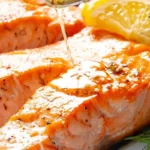
Crispy Pan Seared Salmon with Lemon Garlic Butter
- Total Time: 15 minutes
- Yield: 4 servings 1x
- Diet: Keto
Description
My pan seared salmon recipe has a moist, flaky inside, super crispy skin, and irresistible lemon butter sauce. An easy 15-minute dinner!
Ingredients
- 4 6-oz Salmon fillets (skin on, about 1 inch thick)
- 1 tsp Sea salt
- 1/4 tsp Black pepper
- 1 tbsp Olive oil
- 6 tbsp Salted butter (softened)
- 1 1/2 tbsp Lemon juice
- 4 cloves Garlic (minced)
- 1 tbsp Fresh dill (chopped)
- 1 tbsp Fresh parsley (chopped)
Instructions
- Step: In a small bowl, mash together the butter, lemon juice, garlic, dill, and parsley. Set aside.
- Step: Use paper towels to pat the salmon fillets very dry.
- Step: Heat the olive oil in a large, heavy bottomed skillet over medium-high heat for 2 minutes, until shimmering and hot.
- Step: Season both sides with sea salt and black pepper.
- Step: Add the fish fillets to the pan in a single layer, skin side down. Use a fish spatula to press down on top of each fillet for the first 10 seconds immediately after adding it to the pan, to prevent curling. Sear, without moving, for 5-6 minutes, until the salmon is 80-90% opaque.
- Step: Use the fish spatula to flip the salmon fillets. Working quickly, immediately add the herb butter mixture to the pan near the salmon. Cook the salmon for about 1 minute, stirring the butter around the salmon as it melts, until the internal temperature reaches your desired doneness.
- Step: Flip the salmon over and spoon the lemon butter sauce over it. Remove from the pan immediately to avoid overcooking.
Notes
Store leftovers in an airtight container in the fridge for up to 3 days. Reheat by searing on the stovetop over medium heat or wrapping in foil and warming in the oven at 300 degrees F.
- Prep Time: 9 minutes
- Cook Time: 6 minutes
- Category: Main Course
- Method: Pan Searing
- Cuisine: American
Nutrition
- Serving Size: 1 salmon fillet with lemon butter sauce
- Calories: 430 kcal
- Sugar: 0.3 g
- Sodium: 980 mg
- Fat: 31.2 g
- Saturated Fat: 10.5 g
- Unsaturated Fat: 20.7 g
- Trans Fat: 0 g
- Carbohydrates: 1.9 g
- Fiber: 0.4 g
- Protein: 34.3 g
- Cholesterol: 120 mg
Keywords: pan seared salmon, crispy skin, lemon butter sauce, 15-minute dinner, keto, paleo