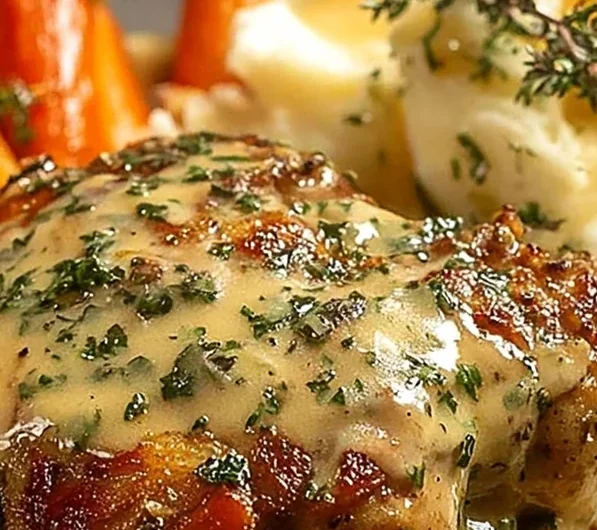
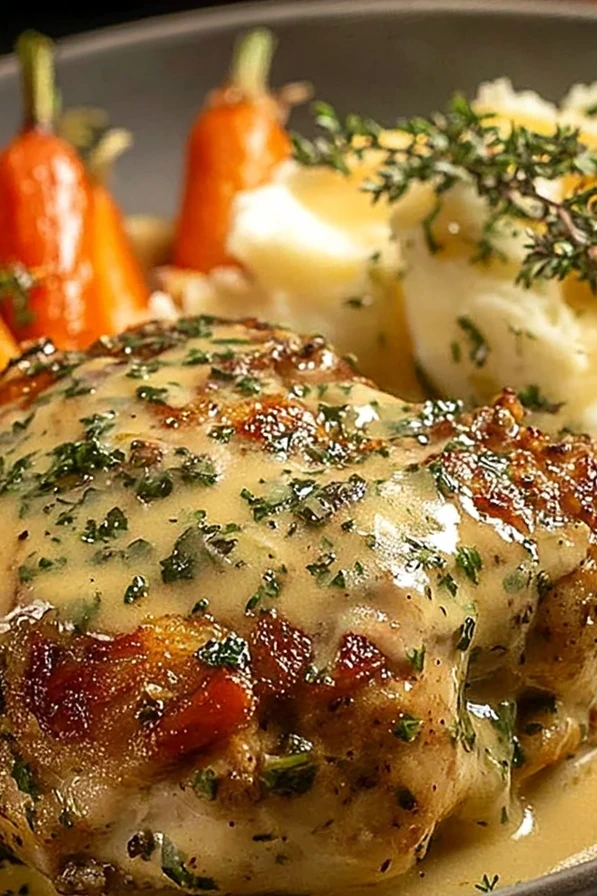
This complete dinner features golden-seared chicken breast smothered in a rich Parmesan herb sauce. It is served with creamy mashed potatoes and sweet glazed carrots for a balanced, satisfying meal. This recipe is designed for efficiency, allowing you to prepare all components in under an hour.
List of ingredients
- 2–3 boneless, skinless chicken breasts or thighs – chicken thighs provide more moisture.
- Salt and pepper, to taste – used for basic seasoning of all components.
- 1/2 tsp garlic powder – adds a concentrated savory base to the chicken.
- 1/2 tsp dried thyme – provides an earthy herbal note.
- 1/2 tsp dried rosemary – adds a piney, aromatic flavor.
- 1 tbsp olive oil – used for high-heat searing.
- 1 tbsp butter – adds richness to the chicken sear.
- 3 cloves garlic, minced – the primary aromatic for the cream sauce.
- 1/2 cup chicken broth – used to deglaze the pan and build the sauce base.
- 1/2 cup heavy cream or half-and-half – creates the thick, creamy texture.
- 1/3 cup grated Parmesan cheese – provides saltiness and thickness.
- 1/2 tsp Dijon mustard – optional, adds a slight tang to balance the cream.
- 1 tbsp chopped parsley or chives – used as a fresh garnish.
- 1.5 lbs Yukon gold or russet potatoes, peeled and cubed – Yukon gold is creamier.
- 1/2 cup milk or cream – helps achieve a smooth potato consistency.
- 2–3 tbsp butter – makes the potatoes rich and fluffy.
- 3 cups baby carrots or sliced carrots – baby carrots require less prep.
- 2 tbsp butter – used to create the glaze.
- 1 tbsp brown sugar or honey – provides the sweetness for the carrots.
- 1/4 tsp salt – enhances the natural sugar of the carrots.
- Pinch of cinnamon or thyme – optional for additional warmth in the carrots.
step-by-step instructions
- Make the mashed potatoes: Boil peeled and cubed potatoes in salted water for 15–20 minutes until they are fork-tender. Drain the water and mash the potatoes with butter, milk, and salt until smooth; keep them warm until serving.
- Glaze the carrots: Combine carrots, butter, brown sugar, salt, and a splash of water in a saucepan over medium heat. Cover and simmer for 10–12 minutes until tender, then remove the lid for the final 2–3 minutes to thicken the glaze.
- Cook the chicken: Pat the chicken dry with paper towels to ensure a good sear. Season both sides with salt, pepper, garlic powder, thyme, and rosemary. Heat olive oil and butter in a skillet over medium-high heat and sear chicken 4–5 minutes per side until the internal temperature reaches 165°F. Remove the chicken and set it aside.
- Make the herb cream sauce: In the same skillet, sauté minced garlic for 30 seconds until fragrant. Pour in chicken broth and scrape the browned bits from the pan. Stir in the cream, Parmesan, and Dijon mustard, then simmer for 3–5 minutes until slightly thickened.
- Return chicken to pan: Place the chicken back into the skillet and spoon the sauce over the meat. Simmer for 2 minutes to allow the flavors to merge.
- Serve: Plate the mashed potatoes and glazed carrots alongside the chicken. Drizzle extra sauce over the potatoes and garnish the entire dish with fresh parsley or chives.
Professional Cooking Techniques
Ensure the Chicken is Completely Dry
Patting the chicken dry with paper towels before seasoning is critical. Surface moisture creates steam, which prevents the meat from developing a golden-brown crust. A dry surface allows for an immediate sear and better flavor development.
Use the Deglazing Method for the Sauce
Deglazing involves adding liquid, such as chicken broth, to a hot pan to loosen the caramelized bits of meat and spices. These browned bits, known as fond, contain the most concentrated flavor. Scraping them into the sauce adds a professional depth to the final taste.
Monitor Internal Temperature Precisely
Use a digital meat thermometer to check the thickest part of the chicken breast. Pulling the meat off the heat exactly at 165°F prevents it from becoming rubbery or dry. This ensures the protein remains juicy while being fully cooked.
Avoid Over-Mashing the Potatoes
Over-working potatoes can break down the starch molecules too much, leading to a gummy or gluey texture. Use a hand masher or a ricer for the best results. Stop mashing as soon as the lumps are gone to keep the potatoes light and fluffy.
Control the Heat for the Cream Sauce
Simmer the cream sauce on low to medium heat to prevent the dairy from curdling. If the sauce boils too vigorously, the fat may separate from the solids. A gentle simmer ensures a silky, homogenous emulsion.
Warm the Milk for Potatoes
Heating your milk or cream before adding it to the drained potatoes prevents the temperature of the mash from dropping. This keeps the potatoes hot and allows the butter to incorporate more smoothly into the starch.
Ingredient Substitutions and Swaps
Switching to Chicken Thighs
Boneless, skinless chicken thighs are an excellent substitute for breasts. Thighs have a higher fat content, making them more forgiving and less likely to dry out during the searing process. They also absorb the herb sauce more effectively.
Alternative Dairy for the Sauce
If heavy cream is unavailable, half-and-half can be used for a slightly lighter sauce. For a dairy-free version, full-fat coconut milk or a cashew-based cream can be substituted. Note that the sauce may require a longer simmer to thicken without the animal fats.
Substituting Brown Sugar for Honey
Honey or maple syrup can replace brown sugar in the glazed carrots. Honey provides a more floral sweetness, while maple syrup adds a distinct autumnal flavor. Both options will create a similar glossy glaze when simmered with butter.
Replacing Parmesan Cheese
Pecorino Romano or Grana Padano are suitable alternatives to Parmesan. Pecorino is saltier and more pungent, so you may need to reduce the added salt in the recipe. Grana Padano offers a milder, nuttier profile.
Choosing Different Potato Varieties
Yukon Gold potatoes are ideal for their natural buttery flavor and creamy texture. Russet potatoes can be used for a fluffier, more starchy mash. Red potatoes provide a denser texture and can be left skin-on for more nutrients.
Replacing Dijon Mustard
If you do not have Dijon mustard, a small amount of yellow mustard or a squeeze of lemon juice can work. The purpose of the mustard is to provide acidity to cut through the richness of the cream. Lemon juice provides a brighter, cleaner tang.
Flavor Variations
Adding Fresh Herbs for Intensity
While dried herbs are convenient, fresh rosemary and thyme provide a more vibrant aroma. Finely chop the fresh leaves and add them during the searing process. Use about three times the amount of fresh herbs compared to the dried measurements.
Incorporating Spinach for Color
Stirring in two cups of fresh baby spinach during the last two minutes of the sauce simmer adds color and nutrition. The spinach wilts quickly into the cream sauce, pairing perfectly with the Parmesan and garlic. This adds a fresh contrast to the rich meat.
Adding Paprika for a Smoked Profile
Adding 1/2 tsp of smoked paprika to the chicken seasoning creates a wood-fired flavor. This complements the sweetness of the glazed carrots and the richness of the cream. It also gives the chicken a deeper, reddish-gold color.
Lemon Zest for a Brighter Finish
Grate fresh lemon zest over the finished chicken and sauce just before serving. The citrus oils cut through the heavy cream and Parmesan, brightening the entire palate. This is especially effective when using chicken breasts.
Adding Cayenne for a Spicy Kick
A pinch of cayenne pepper in the chicken rub adds a subtle heat that balances the sweet carrots. For those who prefer more spice, a dash of red pepper flakes can be sautéed with the garlic. This creates a dynamic contrast in the flavor profile.
Using Garlic Confit Instead of Fresh
Replacing minced garlic with garlic confit (slow-cooked garlic in oil) results in a sweeter, mellowed flavor. This removes the sharp bite of raw garlic and integrates more seamlessly into the cream sauce. Simply mash the soft cloves into the broth.
Serving and Presentation Ideas
Plating for a Restaurant Appearance
Place a generous mound of mashed potatoes slightly off-center on the plate. Lean the chicken breast against the potatoes and arrange the glazed carrots neatly on the side. Spoon the cream sauce over the chicken, allowing it to pool slightly at the base.
Pairing with a Fresh Green Salad
Balance the richness of this meal with a simple arugula or spinach salad. A light vinaigrette made with lemon juice and olive oil cleanses the palate between bites of creamy chicken and potatoes. This adds a necessary crispness to the plate.
Serving with Toasted Garlic Bread
Warm baguette slices rubbed with garlic and butter are perfect for soaking up the extra herb cream sauce. This ensures none of the sauce is wasted and adds a satisfying crunch to the meal. Toast the bread in the oven until golden.
Using Garnish for Visual Contrast
Use a mix of chopped parsley and chives for a professional look. The bright green of the herbs contrasts sharply with the white sauce and orange carrots. Sprinkle the herbs from a height to ensure an even distribution.
Storage and Reheating Guide
Refrigerating Leftovers Safely
Store the chicken, potatoes, and carrots in separate airtight containers to maintain their individual textures. Cool the food to room temperature before sealing the lids to prevent excess condensation. The meal will stay fresh in the refrigerator for up to four days.
Best Methods for Reheating Chicken
Reheat the chicken and sauce slowly in a skillet over medium-low heat. Add a tablespoon of chicken broth or cream to the pan to loosen the sauce as it warms. This prevents the sauce from breaking or becoming too thick in the microwave.
Reviving Mashed Potatoes
When reheating mashed potatoes, add a splash of milk and a small pat of butter. Heat them in a small pot or microwave, stirring every minute. This restores the creamy consistency that is often lost during refrigeration.
Refreshing the Glazed Carrots
Heat the carrots in a small saucepan with a teaspoon of water over low heat. Cover the pan to create steam, which softens the carrots and re-melts the sugar glaze. Avoid high heat, as the sugar in the glaze can burn quickly.
Preventing Sauce Separation
If the cream sauce separates during reheating, whisk in a teaspoon of cold water or broth while heating. Keep the temperature low and stir constantly. This helps re-emulsify the fats and liquids for a smooth finish.
Make-Ahead and Meal Prep Advice
Pre-Cutting and Pre-Measuring
Peel and cube the potatoes and slice the carrots the day before and store them in water-filled containers. Mince the garlic and chop the parsley in advance. This reduces the active cooking time to just the assembly and heating phases.
Preparing the Herb Rub
Mix the salt, pepper, garlic powder, thyme, and rosemary in a small jar ahead of time. You can apply this rub to the chicken hours before cooking to allow the flavors to penetrate the meat. Store the seasoned chicken in the refrigerator until ready to sear.
Cooking Potatoes in Advance
Mashed potatoes can be made up to two days early. Store them in a sealed container and reheat them with extra butter and milk. This allows you to focus entirely on the chicken and sauce on the night of the meal.
Pre-Making the Glaze Base
Combine the brown sugar, salt, and cinnamon in a small bowl for quick use. Having your dry ingredients ready prevents you from forgetting a component while managing multiple pans on the stove. It streamlines the carrot cooking process.
Troubleshooting Common Issues
Fixing a Sauce That Is Too Thin
If the cream sauce is too thin, simmer it for an additional two to three minutes without a lid. You can also stir in an extra tablespoon of grated Parmesan cheese to thicken the consistency instantly. Ensure the heat remains low to avoid burning the cheese.
Preventing Gummy Potatoes
If your potatoes become gummy, it is usually due to over-mixing or using a food processor. To fix this in the future, use a manual masher and add liquid gradually. If they are already gummy, stirring in extra butter can help mask the texture.
Handling Overcooked Chicken
If the chicken is slightly overcooked, let it rest for five minutes before adding it to the sauce. Slicing the chicken into medallions before returning it to the pan allows the cream sauce to penetrate the meat. This adds moisture back into the protein.
Correcting Mushy Carrots
Carrots become mushy if simmered for too long or on too high a heat. If this happens, remove the lid earlier in the process to evaporate the water faster. In the future, check the carrots with a fork every three minutes after the first ten.
Managing a Burnt Garlic Taste
If the garlic browns too quickly, it can become bitter and ruin the sauce. If this happens, discard the burnt garlic and start the sauce base over. To prevent this, keep the garlic moving in the pan and add the broth immediately once fragrant.
Frequently Asked Questions
Can I use a different vegetable instead of carrots?
Yes, you can substitute carrots with steamed green beans, roasted broccoli, or sautéed spinach. While the sweet glaze is specific to carrots, these vegetables pair equally well with the creamy herb chicken and potatoes.
Is Dijon mustard necessary for the sauce?
Dijon mustard is optional but recommended. It provides a subtle acidity that cuts through the richness of the heavy cream and Parmesan, making the overall flavor profile more balanced.
How do I stop the cream from curdling?
Ensure you are using a simmer rather than a rolling boil. Avoid adding highly acidic ingredients too early in the process. Using a high-fat cream like heavy cream also makes the sauce more stable than using milk.
Which potatoes are best for this recipe?
Yukon Gold potatoes are the best choice because they have a naturally creamy texture and buttery flavor. Russets are a good alternative if you prefer a lighter, fluffier mash, but they require more butter to achieve the same richness.
Can I make this in one pot?
While this recipe uses a skillet and two pots, you can streamline it by using a large Dutch oven. Cook the chicken and sauce first, remove them, then use the same pot for the potatoes and carrots in separate batches. However, separate pots ensure better texture control.
Print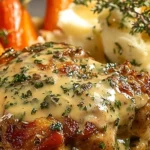
Creamy Herb Chicken with Mashed Potatoes and Glazed Carrots
- Total Time: 50 minutes
- Yield: 4 servings 1x
- Diet: General
Description
Creamy Herb Chicken with Mashed Potatoes & Glazed Carrots is the ultimate cozy comfort dinner. Juicy, golden-seared chicken is smothered in a rich garlic herb Parmesan cream sauce and served with fluffy mashed potatoes and sweet buttery glazed carrots.
Ingredients
- 2–3 boneless, skinless chicken breasts (or thighs)
- Salt & pepper, to taste
- 1/2 tsp garlic powder
- 1/2 tsp dried thyme
- 1/2 tsp dried rosemary
- 1 tbsp olive oil
- 1 tbsp butter
- 3 cloves garlic, minced
- 1/2 cup chicken broth
- 1/2 cup heavy cream (or half-and-half)
- 1/3 cup grated Parmesan cheese
- 1/2 tsp Dijon mustard (optional)
- 1 tbsp chopped parsley or chives (for garnish)
- 1.5 lbs Yukon gold or russet potatoes, peeled and cubed
- 1/2 cup milk or cream
- 2–3 tbsp butter
- Salt, to taste
- 3 cups baby carrots or sliced carrots
- 2 tbsp butter
- 1 tbsp brown sugar or honey
- 1/4 tsp salt
- Pinch of cinnamon or thyme (optional)
Instructions
- Make the mashed potatoes: Boil peeled and cubed potatoes in salted water for 15–20 minutes until fork-tender. Drain and mash with butter, milk, and salt until smooth. Keep warm.
- Glaze the carrots: In a saucepan over medium heat, combine carrots, butter, brown sugar, salt, and a splash of water. Cover and simmer for 10–12 minutes until tender. Remove lid for last 2–3 minutes to thicken glaze.
- Cook the chicken: Pat chicken dry. Season with salt, pepper, garlic powder, thyme, and rosemary. Heat olive oil and butter in a skillet over medium-high heat. Sear chicken 4–5 minutes per side until golden and cooked through (internal temp 165°F). Remove and set aside.
- Make the herb cream sauce: In the same skillet, sauté garlic for 30 seconds. Add chicken broth and scrape browned bits from the pan. Stir in cream, Parmesan, and Dijon mustard. Simmer 3–5 minutes until slightly thickened.
- Return chicken to pan: Add chicken back to skillet and spoon sauce over top. Simmer 2 minutes to combine flavors.
- Serve: Plate mashed potatoes and glazed carrots alongside chicken. Spoon extra sauce over everything and garnish with parsley or chives.
Notes
Chicken thighs can be used for extra juiciness. Warm the milk before adding to potatoes for extra creaminess. Freshly grated Parmesan melts smoother than pre-shredded. Store leftovers in the fridge for up to 4 days; reheat gently and add a splash of broth or cream if needed.
- Prep Time: 15 minutes
- Cook Time: 35 minutes
- Category: Dinner
- Method: Stovetop
- Cuisine: American
Nutrition
- Serving Size: 1 plate
- Calories: 620 kcal
- Sugar: 8 g
- Sodium: 620 mg
- Fat: 38 g
- Saturated Fat: 19 g
- Unsaturated Fat: 16 g
- Trans Fat: 0 g
- Carbohydrates: 38 g
- Fiber: 4 g
- Protein: 36 g
- Cholesterol: 145 mg
Keywords: Creamy Herb Chicken, Mashed Potatoes, Glazed Carrots, Comfort Food, Dinner