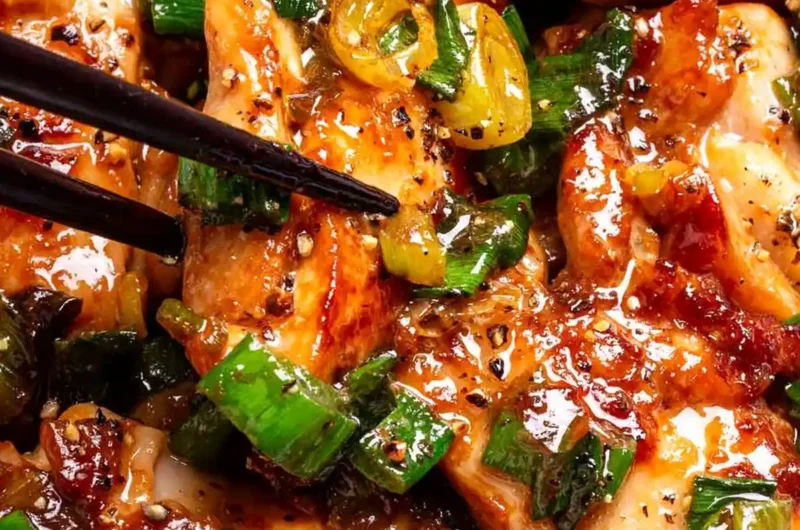
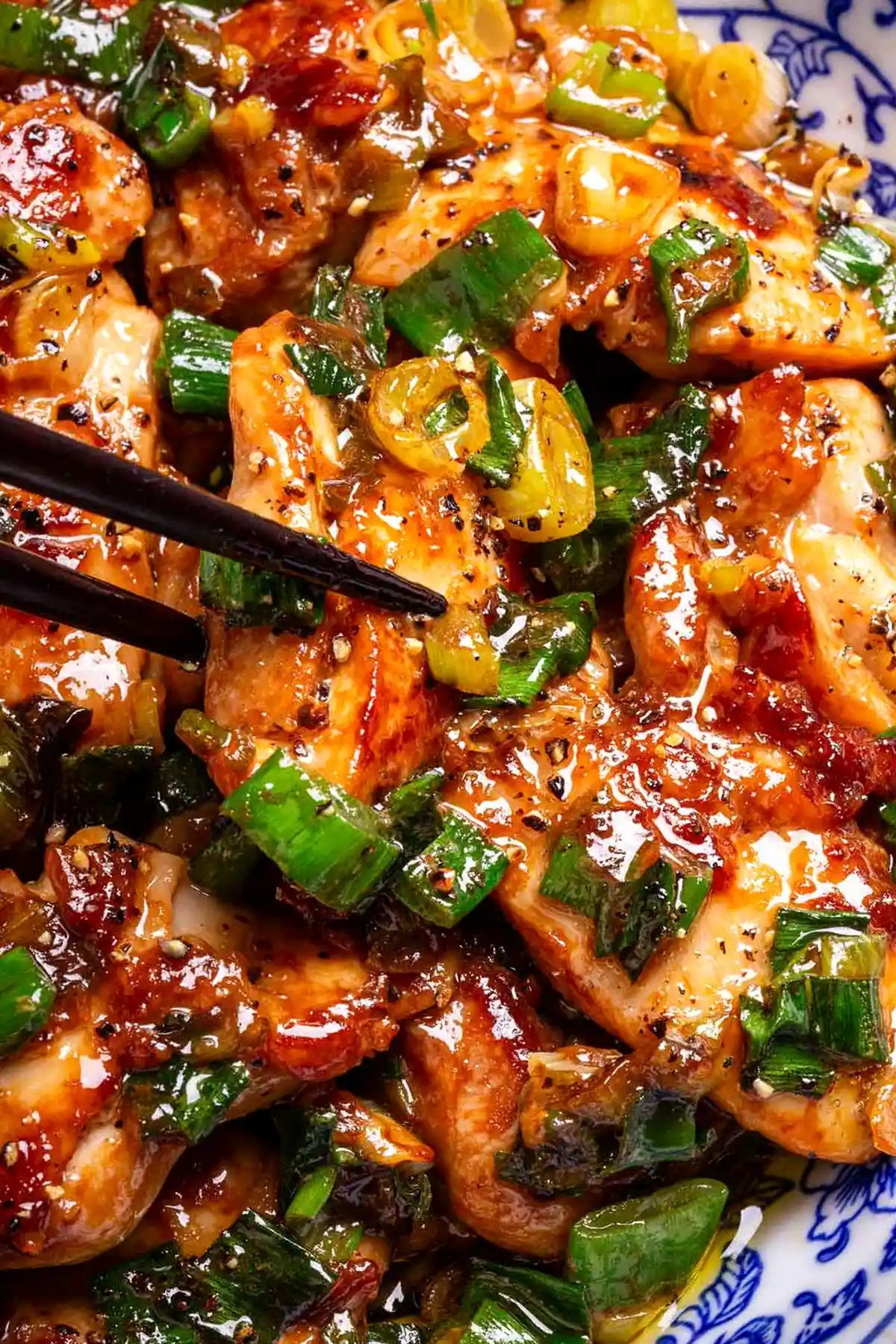
This quick chicken thigh dish features a rich, savory sauce and an abundance of fresh scallions. It is an ideal choice for a healthy, budget-friendly dinner that comes together in under 20 minutes.
List of ingredients
- 400 g Chicken thighs (cut into small pieces) – provides a juicy texture that resists overcooking.
- 2 cup scallion (chopped) – split into white and green parts for staged cooking.
- 4 tablespoon oil – used for pan-frying the meat over medium heat.
- 2 tablespoon soy sauce – adds the primary salty and savory base.
- 1/2 tablespoon dark soy sauce – provides a deep mahogany color and subtle caramel notes.
- 1/2 tablespoon oyster sauce – enhances the overall depth of the sauce.
- 1/2 teaspoon black pepper powder – provides a mild heat and aromatic quality.
- 2 tablespoon corn starch – used for velveting the chicken and thickening the sauce.
step-by-step instructions
- Marinate the Meat: Combine the diced chicken thighs with soy sauce, oyster sauce, black pepper, and corn starch. Let the mixture sit for 10 minutes to allow the flavors to penetrate and the starch to coat the meat. While the meat marinates, chop the scallions and keep the white base sections separate from the green tops.
- Sear the Chicken: Heat 4 tablespoons of oil in a non-stick pan over medium heat. Add the marinated chicken pieces and fry them until they are fully cooked and golden brown.
- Incorporate Scallions: Stir in the white parts of the scallions and cook until they become soft and translucent. If you are using larger pieces of chicken or bone-in cuts, cover the pan with a lid to ensure the interior is thoroughly cooked. Finally, add the green scallion parts and stir for only 10-20 seconds to keep them vibrant.
- Final Presentation: Remove from heat and sprinkle with additional black pepper or fresh scallions if desired. Serve immediately alongside steamed rice or cooked noodles.
Optimizing Your Meat Selection
Why Chicken Thighs Are the Best Choice
Chicken thighs are preferred for this recipe because they contain more fat than breasts. This allows the meat to remain tender and juicy even when exposed to the direct heat of a pan. Thighs are much more forgiving and less likely to become dry or rubbery.
Using Chicken Breast as an Alternative
If you choose to use chicken breast, cut the pieces into smaller, uniform cubes to ensure they cook quickly. Reduce the pan-frying time to avoid overcooking, as breast meat toughens rapidly. You may need to add a small splash of water to the pan to keep the sauce from drying out.
Preparing Bone-In Chicken
When using bone-in thighs, the cooking time increases significantly. You must use a lid during the frying process to trap steam, which helps cook the meat near the bone. Ensure the chicken reaches an internal temperature of 165 degrees Fahrenheit before adding the green scallions.
Understanding the Sauce Components
The Function of Regular Soy Sauce
Regular soy sauce provides the essential saltiness and umami required for the dish. It acts as the primary seasoning agent that balances the sweetness of the cooked scallions. Ensure you use a brand that suits your dietary sodium preferences.
The Role of Dark Soy Sauce
Dark soy sauce is thicker and less salty than regular soy sauce, but it is crucial for the visual appeal of the dish. It gives the chicken a rich, dark brown glaze that looks professional. If you do not have it, you can substitute it with a mixture of regular soy sauce and a pinch of brown sugar.
Using Oyster Sauce for Depth
Oyster sauce adds a concentrated savory flavor and a slight thickness to the glaze. It acts as a flavor enhancer that rounds out the saltiness of the soy sauce. If you prefer a different profile, a mushroom-based savory sauce can provide a similar effect.
The Purpose of Cornstarch
Cornstarch serves two purposes in this recipe. First, it creates a protective layer around the chicken, a technique known as velveting, which keeps the meat tender. Second, it helps the sauce cling to the chicken rather than pooling at the bottom of the pan.
Essential Cooking Techniques
Why a Non-Stick Pan is Required
Because this recipe uses cornstarch, the marinade can easily stick to the bottom of a stainless steel or cast iron pan. A non-stick surface allows the chicken to sear cleanly without tearing the coating. This prevents the sauce from burning and ensures an even glaze.
Managing Pan Temperature
Keep the heat at a steady medium level throughout the process. If the heat is too high, the cornstarch and soy sauce will burn before the chicken is cooked through. If the heat is too low, the chicken will steam in its own juices rather than searing, resulting in a grey color.
The Two-Stage Scallion Method
Separating the scallions is critical for flavor and texture. The white parts have a stronger, more pungent onion flavor and require more time to soften. The green parts are delicate and lose their bright color and fresh taste if overcooked, which is why they are added at the very end.
Suggested Serving and Pairing Ideas
Pairing with Steamed Grains
White jasmine rice is the traditional accompaniment as it absorbs the extra savory sauce. For a nuttier flavor, try brown rice or quinoa. Ensure the grains are steamed until fluffy to provide a neutral base for the bold scallion flavors.
Serving with Asian Noodles
This dish pairs exceptionally well with wide wheat noodles or thin rice vermicelli. Toss the cooked noodles directly into the pan for the last 30 seconds of cooking to coat them in the sauce. This creates a complete one-pan meal.
Low-Carb Vegetable Alternatives
For those avoiding grains, serve the chicken over a bed of steamed bok choy or sautéed spinach. Cauliflower rice is another excellent option that mimics the texture of rice while remaining low in carbohydrates. These options provide a fresh contrast to the rich sauce.
Storage and Preservation Guidelines
Refrigeration Best Practices
Store leftover scallion chicken in an airtight glass container in the refrigerator. It will remain fresh and safe to eat for 3 to 4 days. Keep the chicken separate from the rice or noodles to prevent the grains from becoming soggy.
Recommended Reheating Methods
The best way to reheat this dish is in a non-stick skillet over medium heat with a teaspoon of water. This restores the glaze and prevents the chicken from drying out. Alternatively, use a microwave on medium power for 1-2 minutes, stirring halfway through.
Freezing and Thawing Instructions
While you can freeze cooked chicken, the texture of the scallions may change and become mushy upon thawing. If freezing, wrap the chicken tightly in foil and place it in a freezer bag for up to two months. Thaw completely in the refrigerator before reheating on the stove.
Make-Ahead and Prep Strategies
Advance Marination Tips
You can marinate the chicken up to 24 hours in advance and store it in the refrigerator. This allows the soy and oyster sauces to penetrate deeper into the meat, resulting in a more flavorful dish. Simply bring the meat to room temperature for 10 minutes before frying.
Prepping the Mise en Place
Since the cooking process is very fast, have all ingredients chopped and measured before turning on the heat. Chop the scallions and measure the sauces into a small bowl. This prevents the chicken from overcooking while you are searching for ingredients.
Common Troubleshooting Solutions
Fixing a Sauce That is Too Thick
If the cornstarch makes the sauce too thick or gummy, add a tablespoon of water or chicken broth. Stir gently over medium heat until the desired consistency is reached. This will loosen the glaze and make it smoother.
Preventing Overcooked Chicken
Avoid overcrowding the pan, as this lowers the temperature and causes the chicken to boil rather than fry. Cook the chicken in batches if necessary. Use a meat thermometer to ensure the chicken is cooked through without crossing into the dry zone.
Adjusting Salt Levels
If the dish tastes too salty, add a small amount of sugar or honey to balance the flavor. Alternatively, adding more green scallions or a squeeze of fresh lime juice can cut through the saltiness. Always taste the sauce before adding extra soy sauce.
Frequently Asked Questions
Can I use frozen chicken thighs?
Yes, but they must be completely thawed and patted dry with paper towels before marinating. Excess water from frozen meat will dilute the sauce and prevent the chicken from searing properly.
How long does the marinade last in the fridge?
The marinade is safe for up to 48 hours. Beyond that, the acidity and salt may start to break down the texture of the meat too much, making it overly soft.
Can I add other vegetables to this recipe?
Yes, you can add sliced carrots, bell peppers, or snap peas. Add the harder vegetables, like carrots, at the same time as the white scallions, and softer vegetables just before the green scallions.
What if I don’t have a non-stick pan?
If using stainless steel, increase the amount of oil slightly and ensure the pan is very hot before adding the chicken. Be prepared to scrape the pan carefully to incorporate the browned bits of cornstarch back into the sauce.
Print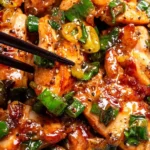
Savory Chinese Scallion Chicken
- Total Time: 20 minutes
- Yield: 2 servings 1x
- Diet: Diabetic, Low Calorie, Low Fat
Description
This scallion chicken recipe is ready in 20 minutes! Tender chicken bathed in an Asian flavoured sauce with plenty of scallions – perfect for a satisfying meal.
Ingredients
- 400 g chicken thighs (cut into small pieces)
- 2 cup scallion (chopped)
- 4 tablespoon oil
- 2 tablespoon soy sauce
- 1/2 tablespoon dark soy sauce
- 1/2 tablespoon oyster sauce
- 1/2 teaspoon black pepper powder
- 2 tablespoon corn starch
Instructions
- Preparing: Mix the chicken thighs with soy sauce, oyster sauce, pepper and corn starch, then marinate for 10 minutes. Meanwhile, cut the scallions, separating the white parts from the green parts.
- Pan frying chicken: Add the chicken pieces to a non-stick pan with oil over medium heat, and pan fry until fully cooked.
- Adding scallions: Add the white parts of the scallions to the chicken and cook until softened. If you’re using larger chicken pieces or pieces with bones, cover the pan with a lid and cook until the chicken is thoroughly cooked. Finally, add the green parts of the scallions and stir for 10-20 seconds to cook them.
- Serving: Sprinkle more pepper powder or scallions if desired and serve with rice or noodles.
Notes
Ensure chicken is fully cooked through. A non-stick pan is recommended due to the corn starch. Sugar or honey can be added for a sweeter taste, although scallions provide natural sweetness.
- Prep Time: 10 minutes
- Cook Time: 10 minutes
- Category: Main Course
- Method: Pan frying
- Cuisine: Chinese
Nutrition
- Serving Size: 1 serving
- Calories: 738 kcal
- Sugar: 3 g
- Sodium: 1550 mg
- Fat: 61 g
- Saturated Fat: 11 g
- Unsaturated Fat: 47 g
- Trans Fat: 0.3 g
- Carbohydrates: 11 g
- Fiber: 3 g
- Protein: 37 g
- Cholesterol: 196 mg
Keywords: scallion chicken, chinese chicken, healthy dinner, quick asian meal