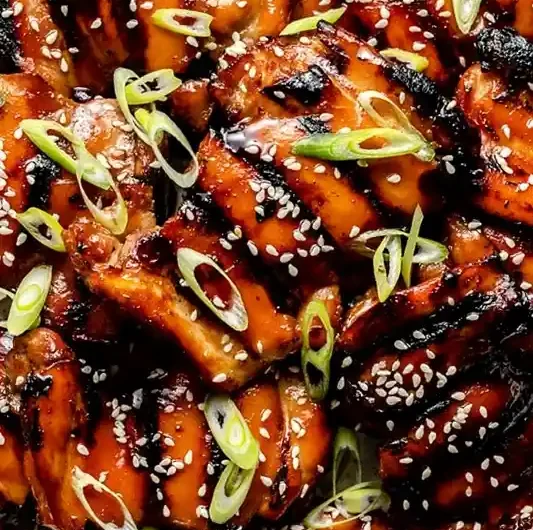
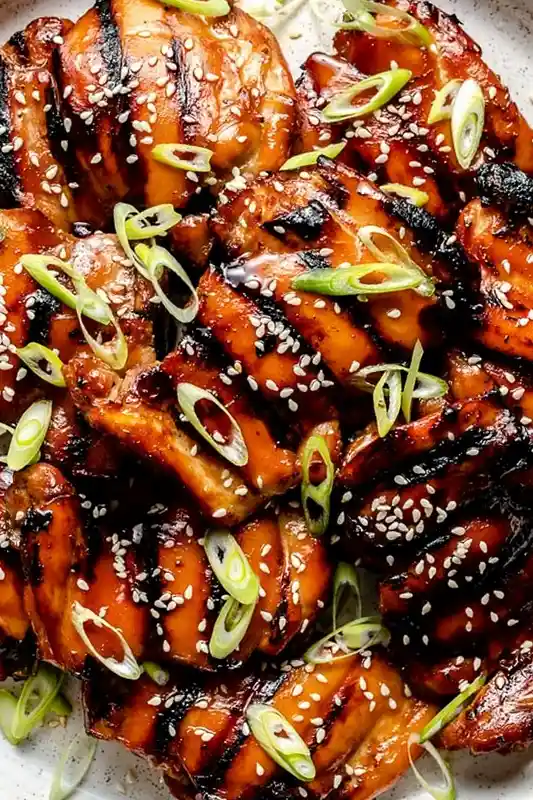
This versatile teriyaki marinade uses a few pantry staples to create a bold, savory-sweet glaze. It works perfectly for various proteins and vegetables to enhance their natural flavors through a simple soaking process.
List of ingredients
- 2 pounds meat or veggies of choice – such as chicken thighs, steak, or broccoli.
- ¾ cup soy sauce – or tamari for a gluten-free option.
- ¼ cup water – used to dilute the saltiness of the soy sauce.
- ⅓ cup packed dark brown sugar – provides a deep, caramelized sweetness.
- 3 cloves garlic, smashed – adds sharp, aromatic depth.
- 2 green onions, finely sliced – contributes a fresh, mild onion flavor.
- 1 1-inch piece fresh ginger, sliced – adds a zesty, warm spice.
step-by-step instructions
- Combine base liquids: Add the soy sauce, water, and brown sugar to a bowl or jar. Whisk or shake the mixture until the sugar is fully dissolved.
- Add aromatics: Stir in the smashed garlic, sliced green onions, and sliced ginger until they are well combined.
- Marinate protein: Pour the prepared teriyaki sauce over your chosen meat or vegetables. Let them soak for at least 6 hours, or leave them overnight for maximum flavor penetration.
- Cook: Grill, sear, or bake the marinated items as desired. Enjoy the results!
Recommended Marinating Durations
Marinating Seafood and Fish
Delicate proteins like salmon, shrimp, or white fish require very short marinating times. Aim for at least 20 minutes and no more than 1 hour to prevent the acid and salt from breaking down the texture.
Marinating Chicken and Turkey
Poultry benefits from longer exposure to the flavors. Marinate chicken breasts, thighs, or turkey for at least 6 hours and up to 3 days for the deepest taste.
Marinating Beef and Lamb
Rich, gamey meats can handle extended soaking. Allow beef steaks, flank steak, or lamb to marinate for at least 12 hours and up to 3 days.
Marinating Fresh Vegetables
Vegetables absorb flavors quickly but remain structurally sound. You can marinate broccoli, carrots, or bell peppers for at least 20 minutes or up to 5 days.
Optimal Cooking Methods
Outdoor Charcoal or Gas Grilling
Grilling creates a traditional charred effect due to the sugar content. Use medium heat to ensure the center cooks through before the exterior glaze burns.
Cast Iron Skillet Searing
Searing on a stovetop provides an excellent crust on steak or chicken. Heat the pan until it is shimmering, then add the protein and cook until the marinade caramelizes into a thick glaze.
Oven Broiling for Fast Charring
If you lack a grill, the broiler is a great alternative. Place your marinated protein on a foil-lined sheet and broil for a few minutes per side to achieve those charred edges.
Air Fryer Preparation
Air frying is effective for smaller pieces like teriyaki chicken bites. Cook at 400 degrees Fahrenheit, shaking the basket halfway through to ensure even browning and glazing.
Flavor Customization Options
Incorporating Spicy Heat
Add a teaspoon of red pepper flakes or a tablespoon of Sriracha to the mix. This introduces a spicy kick that balances the sweetness of the brown sugar.
Substituting Honey for Brown Sugar
If you prefer a different type of sweetness, replace the brown sugar with honey or maple syrup. This will result in a slightly different viscosity and a more floral flavor profile.
Reducing Overall Sodium Levels
Use a low-sodium soy sauce or coconut aminos to lower the salt content. You may need to add a pinch of extra salt or a splash of fish sauce to maintain the umami balance.
Enhancing the Aromatic Profile
Increase the amount of fresh ginger or add a teaspoon of toasted sesame oil. These additions deepen the earthy and nutty notes of the marinade.
Preparation and Preservation Tips
Advance Batch Preparation
You can make the marinade in large quantities before you even buy your meat. This saves time during the busy work week and allows the flavors to meld together.
Using Airtight Glass Containers
Store your marinade in glass jars with tight lids to prevent odors from leaking. Glass is also non-reactive, ensuring the flavors remain pure and unchanged over time.
Freezing the Marinade Mix
The base mixture can be frozen in freezer bags for several months. Thaw it in the refrigerator overnight before pouring it over your protein.
Measuring Brown Sugar Correctly
Ensure you pack the brown sugar firmly into the measuring cup. This ensures the ratio of sweetness to salt remains accurate to the original recipe.
Technical Troubleshooting
Preventing Sugar Burn on the Grill
High heat can cause the brown sugar to burn and turn bitter. Move your protein to a cooler part of the grill once the exterior has a dark, caramelized color.
Balancing an Overly Salty Result
If the marinade tastes too salty, whisk in an extra tablespoon of water or a teaspoon of rice vinegar. The acidity helps neutralize the perception of salt on the palate.
Fixing a Thin Sauce Consistency
If the marinade feels too watery, you can simmer it in a saucepan to reduce it. Let it bubble until it thickens slightly before using it as a final glaze.
Avoiding Mushy Seafood
Do not exceed the one-hour marinating limit for fish. Over-marinating causes the proteins to denature, leading to a mushy texture after cooking.
Ideal Serving Suggestions
Pairing with Steamed Grains
Serve teriyaki proteins over a bed of steamed jasmine rice or brown rice. The grains absorb the extra sauce and balance the intensity of the glaze.
Complementing with Steamed Greens
Pair your meal with steamed bok choy, broccoli, or snap peas. The freshness of the greens cuts through the rich, sweet notes of the teriyaki.
Adding a Fresh Slaw
A side of cabbage slaw with a rice vinegar dressing adds a necessary crunch. The acidity of the slaw cleanses the palate between bites of savory meat.
Using Pickled Accents
Garnish your plate with pickled ginger or sliced radishes. These bright, tangy elements provide a sharp contrast to the umami-heavy marinade.
Frequently Asked Questions
Can I make this marinade gluten-free?
Yes, simply replace the soy sauce with tamari or coconut aminos. Both alternatives provide a similar salty, umami flavor without the wheat found in traditional soy sauce.
Is there a vegan alternative for the ingredients?
This recipe is naturally vegan as it uses plant-based ingredients. Just ensure your soy sauce does not contain any hidden animal-derived additives.
How do I turn this marinade into a thick dipping sauce?
Simmer the marinade in a small saucepan until it reduces. Whisk in a cornstarch slurry (one tablespoon cornstarch mixed with water) and boil for one minute until glossy and thick.
Can I use frozen meat for marinating?
It is best to thaw meat completely in the refrigerator before marinating. This ensures the sauce penetrates the muscle fibers evenly and reduces the risk of bacterial growth.
What is the best cut of beef for this?
Flank steak and sirloin are excellent choices because they have a strong flavor that stands up to the bold marinade. For a more tender result, use ribeye or New York strip.
Can I use this for tofu?
Yes, extra-firm tofu is a great substitute. Press the tofu to remove excess water first, then marinate for at least 2 hours for the best flavor absorption.
Print
5-Minute Homemade Teriyaki Marinade
- Total Time: 5 minutes
- Yield: 1 cup 1x
- Diet: General
Description
A simple, 5-minute Hawaiian-style teriyaki marinade perfect for chicken, steak, salmon, or vegetables. This bold, family-favorite recipe is easy to prepare and highly versatile for grilling or pan-searing.
Ingredients
- 2 pounds chicken, beef, or vegetables
- ¾ cup soy sauce (or tamari for gluten-free)
- ¼ cup water
- ⅓ cup packed dark brown sugar
- 3 cloves garlic, smashed
- 2 green onions, finely sliced
- 1 1-inch piece fresh ginger, sliced
Instructions
- Mix: Add the soy sauce, water, and brown sugar to a bowl or jar. Whisk or shake to combine.
- Combine: Add the garlic, green onion, and ginger and stir to combine.
- Marinate: Pour the teriyaki sauce over your meat or veggies of choice. Marinate for at least 6 hours or up to overnight.
- Cook: Grill as desired. Enjoy!
Notes
To convert this into a thick glazing sauce, simmer the ingredients in a saucepan and whisk in a cornstarch slurry (1 tbsp cornstarch mixed with water). Recommended marinating times: Seafood (20 mins to 1 hour), Chicken or Beef (6 to 12 hours), Vegetables (20 mins to 5 days). Store unused marinade in the refrigerator for up to 5 days.
- Prep Time: 5 minutes
- Cook Time: 0 minutes
- Category: Sauces & Condiments
- Method: No-Cook
- Cuisine: Japanese
Nutrition
- Serving Size: 1/4 cup
- Calories: 250 kcal
- Sugar: 17 g
- Sodium: 3750 mg
- Fat: 1 g
- Saturated Fat: 0 g
- Unsaturated Fat: 1 g
- Trans Fat: 0 g
- Carbohydrates: 20 g
- Fiber: 1 g
- Protein: 5 g
- Cholesterol: 0 mg
Keywords: teriyaki marinade, Japanese cuisine, Hawaiian style, soy glaze, easy marinade, grilling