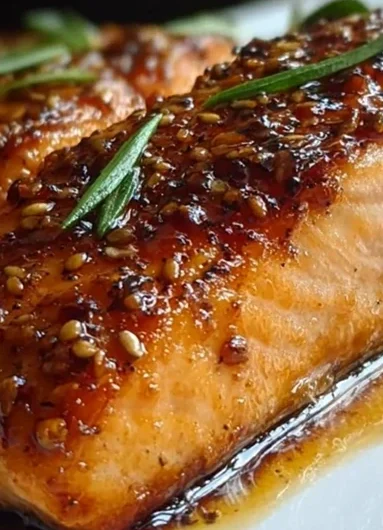
This recipe provides a quick way to prepare salmon with a balanced sweet and savory finish. It uses a simple maple glaze that caramelizes in the oven for a professional result.
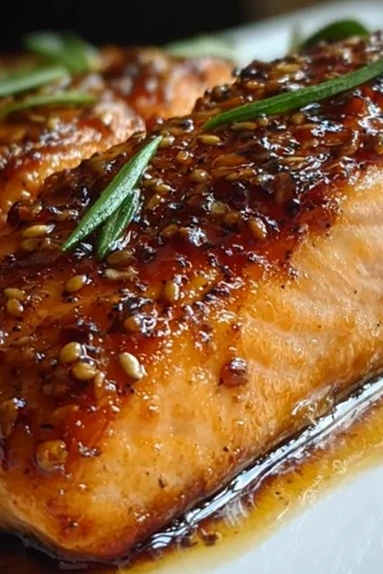
List of ingredients
- 4 6-ounce salmon fillets (skin on or off) – Use fresh or thawed salmon.
- 1 tablespoon olive oil – For brushing the salmon.
- 1/2 teaspoon salt – To season the salmon.
- 1/4 teaspoon black pepper – To season the salmon.
- 1/4 cup maple syrup – Provides sweet flavor.
- 2 tablespoons soy sauce – Can substitute with tamari for gluten-free.
- 1 tablespoon Dijon mustard – Adds a savory note to the glaze.
- 1 clove garlic (minced) – Enhances flavor of the glaze.
step-by-step instructions
- Prep the Oven: Preheat your oven to 400°F (200°C). Line a baking sheet with parchment paper.
- Prepare the Fish: Pat the salmon fillets dry with paper towels. Place them on the prepared baking sheet. Brush the salmon with olive oil and season with salt and pepper.
- Mix the Glaze: In a small bowl, whisk together the maple syrup, soy sauce, Dijon mustard, and minced garlic.
- Apply the Glaze: Pour or brush the glaze evenly over the salmon fillets.
- Bake: Bake for 12-15 minutes, or until the salmon is cooked through and flakes easily with a fork. The cooking time will vary depending on the thickness of your fillets.
- Finish: Serve immediately.
Optimal Preparation Techniques
Bring Fillets to Room Temperature for Even Cooking
Remove the salmon from the refrigerator about 15 to 20 minutes before cooking. This prevents the exterior from overcooking before the center reaches the safe internal temperature. It ensures a more consistent texture throughout the fillet.
Ensure Fillets are Completely Dry
Use paper towels to pat every side of the salmon dry before applying oil. Excess moisture on the surface creates steam, which prevents the glaze from adhering properly. Drying the fish allows the seasoning to stick and the glaze to caramelize better.
Use High-Quality Parchment Paper
Line your baking sheet with parchment paper rather than aluminum foil. Parchment provides a superior non-stick surface, especially for sugar-based glazes like maple syrup. This makes cleanup easier and prevents the fish from tearing when served.
Verify Internal Temperature with a Thermometer
Use a digital meat thermometer to check the thickest part of the fillet. The USDA recommends an internal temperature of 145°F (63°C). Removing the fish just before this point and letting it carry-over cook ensures a juicy result.
Apply Oil Evenly to Prevent Sticking
Brush a thin, consistent layer of olive oil over the entire surface of the fish. This creates a barrier that prevents the salmon from sticking to the pan. It also helps the salt and pepper distribute evenly across the fillet.
Avoid Overcrowding the Baking Sheet
Leave at least an inch of space between each salmon fillet on the tray. Overcrowding can lead to uneven heat distribution and trapped steam. Proper spacing allows the hot air to circulate and the glaze to thicken correctly.
Use a Heavy-Duty Baking Sheet
Opt for a rimmed, heavy-duty baking sheet to prevent the pan from warping at 400°F. A sturdy pan distributes heat more evenly across the bottom. This helps the bottom of the fillets cook at the same rate as the top.
Adjust Cooking Time for Fillet Thickness
Thicker cuts of salmon will require the full 15 minutes or slightly longer. Thinner fillets may cook through in as little as 10 to 12 minutes. Always use the flaking test with a fork to verify doneness.
Rest the Salmon Before Serving
Let the fillets rest for 3 to 5 minutes after removing them from the oven. This allows the juices to redistribute within the protein. Resting prevents the fish from drying out the moment you slice into it.
Maximize Garlic Flavor by Mincing Freshly
Use a fresh clove of garlic rather than pre-minced jarred versions. Fresh garlic contains volatile oils that provide a sharper, cleaner flavor. Mince it finely to ensure it incorporates smoothly into the maple syrup.
Ingredient Substitutions and Flavor Tweaks
Substitute Tamari for a Gluten-Free Option
If you need a gluten-free version, replace the soy sauce with tamari or coconut aminos. Tamari provides a similar salty depth without the wheat found in traditional soy sauce. Coconut aminos are a slightly sweeter, soy-free alternative.
Incorporate Lemon Zest for Brightness
Add a teaspoon of fresh lemon zest to the glaze before brushing it on the fish. The citrus oils cut through the sweetness of the maple syrup. This adds a bright, acidic note that complements the fatty nature of the salmon.
Balance Sweetness with Sriracha
For a spicy kick, whisk in a teaspoon of Sriracha or a pinch of red chili flakes. The heat balances the sugar in the maple syrup and creates a sweet-and-spicy profile. Ensure the spice is well-mixed to avoid hot spots.
Use Grade A Dark Maple Syrup for Depth
Choose a darker grade of maple syrup for a more robust, caramel-like flavor. Lighter syrups are more subtle and let the salmon flavor dominate. Darker syrups provide a richer color and a deeper sweetness.
Swap Olive Oil for Avocado Oil
Avocado oil can be used as a substitute for olive oil if you prefer a neutral taste. It also has a higher smoke point, which is beneficial if you decide to sear the fish before baking. Both oils work well for brushing the fillets.
Adjust the Mustard for Tanginess
If you prefer a sharper taste, use a spicy brown mustard instead of Dijon. Dijon is smoother and slightly sweeter, while spicy brown mustard adds a pungent bite. Both act as emulsifiers to help the glaze cling to the fish.
Use Honey as a Sweetener Alternative
If maple syrup is unavailable, honey is a suitable replacement. Keep in mind that honey has a higher sugar concentration and may caramelize faster. Monitor the oven closely to ensure the honey does not burn.
Add Orange Juice for a Citrusy Glaze
Replace one tablespoon of the soy sauce with orange juice for a fruitier profile. The natural sugars in the orange juice blend well with the maple syrup. This variation is particularly good when served with steamed bok choy.
Serving Suggestions and Side Pairings
Pair with Fluffy Jasmine Rice
Steamed jasmine rice is an ideal base for this dish. The neutral flavor of the rice absorbs the extra maple glaze from the pan. For added nutrition, use brown rice or quinoa.
Roast Asparagus Simultaneously
Asparagus can be roasted on the same baking sheet if space permits. Toss the spears in olive oil and salt, then place them around the salmon. They usually take about 12-15 minutes, matching the salmon’s cook time.
Prepare a Simple Arugula Salad
A fresh arugula salad with a lemon-olive oil vinaigrette provides a peppery contrast. The bitterness of the greens balances the richness of the maple glaze. Add sliced cucumbers or radishes for extra crunch.
Combine with Steamed Broccoli
Steamed broccoli florets provide a healthy, vibrant side that complements the savory notes of the soy sauce. Lightly season the broccoli with lemon juice and salt. This keeps the meal light and nutrient-dense.
Utilize the Pan Glaze
Do not discard the caramelized glaze left on the parchment paper. Spoon the remaining syrup over the fillets just before serving. This intensifies the flavor and adds a professional gloss to the dish.
Serve with Roasted Brussels Sprouts
Brussels sprouts roasted with a touch of balsamic vinegar pair exceptionally well with maple. The earthy flavor of the sprouts matches the sweetness of the fish. Roast them until the edges are charred and crispy.
Storage and Reheating Protocols
Cool Thoroughly Before Refrigerating
Allow the salmon to reach room temperature before placing it in a container. Placing hot fish in a sealed container creates condensation. This moisture can make the glaze soggy and affect the texture of the fish.
Use Airtight Glass Containers
Store the leftovers in an airtight glass container to preserve the flavor. Glass does not absorb odors and keeps the salmon fresher than plastic. Label the container with the date for safety.
Follow the Three-Day Storage Rule
Cooked salmon should be consumed within three days when kept in the refrigerator. After this period, the quality of the fish degrades and the risk of spoilage increases. Always check for a fresh scent before eating.
Reheat Gently in the Oven
Preheat the oven to 300°F (150°C) for reheating. Place the salmon on a tray and cover it loosely with foil to prevent drying. Heat for 8-10 minutes or until just warmed through.
Avoid Microwave Reheating
The microwave often overcooks salmon, making it rubbery and dry. It also heats the glaze unevenly, which can lead to burnt spots. Low-temperature oven reheating is the best method for maintaining texture.
Manage the 2-Hour Room Temperature Limit
Never leave cooked salmon at room temperature for more than two hours. Perishable seafood can grow bacteria quickly in the danger zone. If the room is particularly warm, reduce this time to one hour.
Common Troubleshooting and FAQs
Can I use frozen salmon for this recipe?
Yes, you can use frozen salmon. However, you must thaw it completely in the refrigerator before cooking. Once thawed, pat it dry thoroughly to ensure the glaze adheres correctly.
What oven temperatures work best?
400°F (200°C) is the ideal temperature for this recipe. It is hot enough to caramelize the maple syrup quickly without overcooking the interior of the fish. If your oven runs hot, check the fish at 10 minutes.
Can I grill this salmon instead of baking?
Yes, grilling is a great alternative. Grill the fillets on medium heat and apply the glaze during the last few minutes of cooking. Applying the glaze too early on a grill may cause the sugars to burn.
Is this recipe strong in maple flavor?
Yes, the maple syrup is the primary flavor profile. It is balanced by the saltiness of the soy sauce and the tang of the Dijon mustard. You can reduce the syrup slightly if you prefer a more savory dish.
Why is my glaze too thin?
A thin glaze usually occurs if the salmon was not patted dry or if the oven temperature was too low. Ensure the oven is fully preheated to 400°F. You can also reduce the glaze in a pan before applying it for a thicker consistency.
What should I do if the glaze burns?
If the glaze begins to darken too quickly, tent the salmon with foil. This protects the surface from direct heat while allowing the center to finish cooking. Monitor the fish every two minutes toward the end.
Print
Savory Maple Glazed Salmon Fillets
- Total Time: 20 minutes
- Yield: 4 servings 1x
- Diet: Gluten-Free
Description
This Maple Glazed Salmon is a quick, tasty, and healthy dish that features sweet maple flavor with a light savory finish, perfect for weeknights or guests.
Ingredients
- 4 6-ounce fillets Salmon
- 1 tablespoon Olive oil
- 1/2 teaspoon Salt
- 1/4 teaspoon Black pepper
- 1/4 cup Maple syrup
- 2 tablespoons Soy sauce
- 1 tablespoon Dijon mustard
- 1 clove Garlic, minced
Instructions
- Preheat: Preheat your oven to 400°F (200°C). Line a baking sheet with parchment paper.
- Prepare: Pat the salmon fillets dry with paper towels. Place them on the prepared baking sheet. Brush the salmon with olive oil and season with salt and pepper.
- Mix: In a small bowl, whisk together the maple syrup, soy sauce, Dijon mustard, and minced garlic.
- Glaze: Pour or brush the glaze evenly over the salmon fillets.
- Bake: Bake for 12-15 minutes, or until the salmon is cooked through and flakes easily with a fork.
- Serve: Serve immediately.
Notes
Pat the salmon dry for better seasoning adherence. Use room temperature fillets for even cooking. Monitor the oven closely in the last minutes to prevent the glaze from burning. For added heat, include chili flakes in the glaze.
- Prep Time: 5 minutes
- Cook Time: 15 minutes
- Category: Dinner
- Method: Baking
- Cuisine: American
Nutrition
- Serving Size: 1 fillet
- Calories: 350 kcal
- Sugar: 15 g
- Sodium: 450 mg
- Fat: 15 g
- Saturated Fat: 4 g
- Unsaturated Fat: 11 g
- Trans Fat: 0 g
- Carbohydrates: 23 g
- Fiber: 1 g
- Protein: 30 g
- Cholesterol: 70 mg
Keywords: 20 minute recipes, gluten-free recipes, healthy meals, maple glazed salmon, Quick Dinner