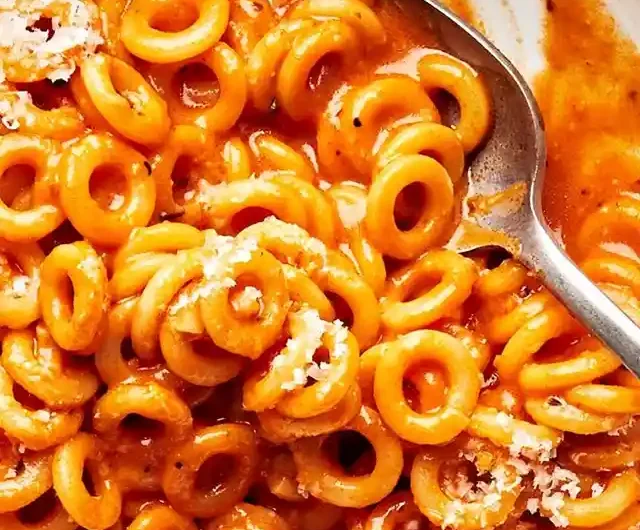
This recipe creates a rich and creamy version of the classic O-shaped pasta dish. It uses simple pantry staples to produce a savory result that is significantly fresher than canned options.
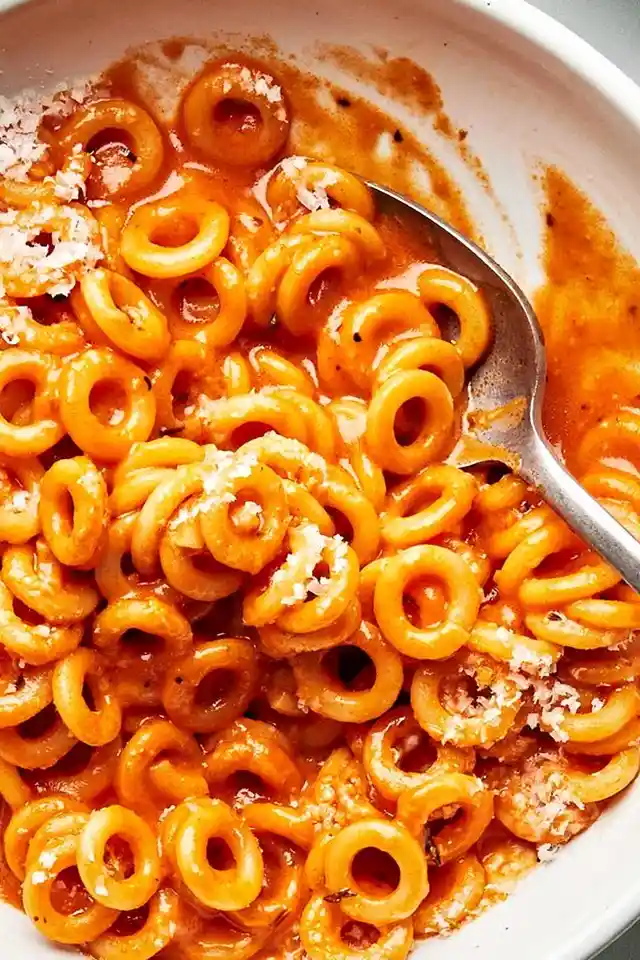
List of ingredients
- 2 tablespoons tomato paste – provides a concentrated base.
- 4 tablespoons unsalted butter – adds richness and smooth texture.
- 1 teaspoon Italian seasoning – adds a blend of dried herbs.
- 1 teaspoon garlic powder – provides a consistent savory flavor.
- ⅓ teaspoon onion powder – adds a subtle aromatic depth.
- 1 teaspoon sea salt – enhances all other seasonings.
- ¼ teaspoon freshly cracked black pepper – adds a mild spicy note.
- 1 (8-ounce) can tomato sauce – forms the bulk of the sauce.
- 2 cups chicken stock – provides savory liquid for cooking.
- 2 cups anellini pasta rings – the traditional O-shaped pasta.
- ¼ cup heavy cream (optional) – creates a silkier finish.
- ¼ cup grated Parmesan, plus more for serving (optional) – adds salty, cheesy flavor.
step-by-step instructions
- Sauté the Base: In a large pot, combine the tomato paste, butter, Italian seasoning, garlic powder, onion powder, salt, and pepper. Cook over medium heat until the butter is melted, about 4-5 minutes.
- Simmer the Sauce: Increase the heat to high. Stir in the tomato sauce, stock, and 2 cups water until fully incorporated, then bring to a boil.
- Cook the Pasta: Once the sauce is boiling, stir in the pasta. Reduce the heat to medium and cook, stirring often, until the pasta is tender and the sauce has thickened, about 15 to 20 minutes.
- Final Touches: Stir in the heavy cream and Parmesan if using.
- Serve: Divide among 4 bowls. Serve topped with more parmesan if desired.
Cooking Tips for the Best Texture
Stir Frequently to Prevent Sticking
Pasta rings tend to settle at the bottom of the pot and can stick or burn. Stir every few minutes to ensure the pasta remains suspended in the sauce. This helps the starch distribute evenly for a thicker consistency.
Manage the Sauce Reduction
Keep a close eye on the liquid levels as the pasta cooks. If the sauce thickens too quickly and the pasta is still hard, add water in half-cup increments. This prevents the sauce from becoming overly concentrated or burning.
Use a Wide-Bottomed Pot
A pot with a wider base allows for more even heat distribution. This reduces the likelihood of hot spots that can scorch the tomato paste or butter. It also provides more room for stirring the pasta rings efficiently.
Control the Initial Sauté
Cook the tomato paste and butter slowly over medium heat. This allows the tomato paste to caramelize slightly, which removes the raw metallic taste. Ensure the butter is fully melted before increasing the heat for the liquids.
Freshly Grate Your Cheese
Use a microplane or fine grater for the Parmesan cheese. Pre-shredded cheeses often contain cornstarch or cellulose that prevents them from melting smoothly. Freshly grated cheese emulsifies better into the hot sauce.
Monitor the Boiling Point
Ensure the sauce reaches a full boil before adding the anellini pasta. This ensures the pasta begins cooking immediately at the correct temperature. Adding pasta to lukewarm liquid can result in a mushy texture.
Avoid Overcooking the Pasta
Start tasting the pasta rings a few minutes before the recommended cook time ends. The pasta should be tender but not falling apart. Stop the cooking process as soon as the desired texture is achieved.
Emulsify the Cream Properly
Stir the heavy cream in at the very end of the cooking process. Overheating cream for too long can cause it to separate or break. A quick stir on low heat is sufficient to incorporate it into the sauce.
Ingredient Alternatives and Modifications
Swap Chicken Stock for Vegetable Broth
To make this dish vegetarian, replace the chicken stock with an equal amount of vegetable broth. This maintains the savory depth of the liquid without using animal-derived products. Ensure the broth is low-sodium to control the salt levels.
Using Different Pasta Shapes
If anellini rings are unavailable, use pastina or small ditalini pasta. These small shapes will still absorb the sauce effectively. Be aware that different shapes may have slightly different cooking times.
Dairy-Free Cream Substitutes
For a dairy-free version, replace heavy cream with full-fat coconut milk or cashew cream. These alternatives provide a similar thickness and richness. Add them at the final step as you would with heavy cream.
Low-Sodium Tomato Sauce Options
Choose a no-salt-added tomato sauce to reduce the overall sodium content. Since the recipe includes sea salt, you can adjust the seasoning to taste. This allows for better control over the flavor profile.
Alternative Cheese for Nutty Flavor
If Parmesan is not available, Pecorino Romano is a strong substitute. Pecorino is saltier and sharper, so you may want to reduce the added sea salt slightly. Alternatively, a mild white cheddar can be used for a different cheesy flavor.
Using Fresh Garlic and Onions
Replace garlic and onion powders with finely minced fresh garlic and onion. Sauté these in the butter before adding the tomato paste. This provides a more pungent and layered aromatic base.
Adding Tomato Puree for Thickness
If you prefer a denser sauce, replace a portion of the tomato sauce with tomato puree. Puree is thicker and more concentrated than sauce. You may need to add a small amount of extra water to compensate.
Substituting Butter with Oil
For a different flavor profile, use extra virgin olive oil instead of unsalted butter. This gives the dish a more Mediterranean taste. The sauce will be slightly less creamy but still very savory.
Ways to Customize Your Pasta
Adding Mild Protein Mix-ins
Stir in cooked, diced chicken breast or ground turkey during the final step. Ensure the meat is already cooked through before adding it to the pasta. This turns the side dish into a more substantial meal.
Incorporating Fresh Herbs
Fold in freshly chopped parsley or basil just before serving. Fresh herbs add a bright contrast to the rich, buttery sauce. Avoid cooking the fresh herbs for too long to preserve their color and flavor.
Increasing the Cheese Content
For an extra cheesy version, stir in a tablespoon of cream cheese or a handful of shredded mozzarella. Melt these into the sauce along with the Parmesan. This results in a stretchier, more indulgent texture.
Adding a Touch of Sweetness
If the tomato sauce is too acidic, stir in a pinch of granulated sugar or a teaspoon of honey. This balances the acidity of the tomato paste and sauce. Only add a small amount to avoid making the dish sweet.
Adding Sautéed Vegetables
Mix in finely diced carrots or peas during the last five minutes of simmering. These vegetables provide a pop of color and added nutrients. Ensure they are cut small so they match the size of the pasta rings.
Adding Red Pepper Flakes for Heat
Stir in a pinch of red pepper flakes during the sauté phase. This adds a subtle warmth to the sauce without making it overly spicy. It complements the Italian seasoning and garlic powder well.
Enhancing the Umami Profile
Add a teaspoon of soy sauce or a dash of Worcestershire sauce to the stock. This deepens the savory quality of the sauce. Use these sparingly to avoid altering the color of the red sauce.
Using a Different Seasoning Blend
Replace the Italian seasoning with a blend of dried oregano and thyme. This creates a more specific herbal profile. Adjust the ratios based on your preference for oregano or thyme.
Recommended Side Dishes
Pairing with Steamed Vegetables
Serve the pasta with steamed broccoli or roasted asparagus. The freshness of the green vegetables cuts through the richness of the butter and cream. Steam them until tender-crisp to maintain a good texture.
Serving with Garlic Toast
Prepare thick slices of sourdough or French bread toasted with garlic butter. This provides a crunchy contrast to the soft pasta rings. Use the toast to scoop up any remaining sauce from the bowl.
Adding Meatballs for a Full Meal
Serve the SpaghettiOs with a side of homemade beef or turkey meatballs. You can simmer the meatballs in a separate marinara sauce or serve them plain. This adds significant protein to the dish.
Garnish Ideas for Presentation
Top each bowl with a sprig of fresh basil and an extra sprinkle of Parmesan. A drizzle of high-quality olive oil can also add a professional touch. These simple additions make the meal look more appetizing.
Side Salad Options
A simple arugula or Caesar salad pairs well with this rich pasta. Use a lemon-based vinaigrette to provide acidity that cleanses the palate. This prevents the meal from feeling too heavy.
Preservation and Reheating Methods
Refrigerating Leftovers Properly
Store leftover pasta in an airtight container in the refrigerator. It will stay fresh for up to three days. Cool the pasta slightly before sealing the container to prevent excess condensation.
Reheating Methods for Creamy Texture
When reheating, add a splash of water or milk to the pasta before microwaving or heating on the stove. This loosens the sauce, which naturally thickens as it cools. Stir halfway through the reheating process for even warmth.
Freezing Considerations
This dish is not ideal for freezing due to the dairy and the small pasta shape. Freezing can cause the pasta to become mushy and the cream sauce to separate. It is best enjoyed fresh or from the refrigerator.
Avoiding Sauce Separation During Reheat
Heat the pasta slowly over low heat on the stovetop. Avoid using high heat, which can cause the fats in the butter and cream to separate. Stir gently to re-emulsify the sauce as it warms.
Preparation Advice for Busy Schedules
Preparing the Sauce Base in Advance
You can make the tomato and butter base a day ahead of time. Store the cooked base in the fridge and simply add the stock and water when you are ready to cook the pasta. This reduces the active cooking time on the day of serving.
Cooking Pasta Separately for Meal Prep
If prepping for the week, cook the pasta rings and the sauce in separate pots. Combine them only when reheating. This prevents the pasta from absorbing all the sauce and becoming overcooked during storage.
Batch Cooking for Larger Groups
This recipe doubles well for larger families. Use a larger stockpot to ensure there is enough room for the liquid to boil and the pasta to move. Maintain the same ratios of ingredients for consistent flavor.
Common Cooking Fixes
Fixing a Sauce That Is Too Thick
If the sauce becomes a paste, stir in warm water or chicken stock one tablespoon at a time. Continue stirring over low heat until the desired consistency is restored. Do not add too much at once, or you will lose the rich flavor.
Handling Overcooked Pasta
If the pasta rings become too soft, avoid stirring them vigorously. Serve them immediately to prevent further breakdown. In the future, start checking the pasta two minutes earlier than the recipe suggests.
Managing Too Much Saltiness
If the dish tastes too salty, stir in a bit more heavy cream or a splash of unsweetened milk. The dairy helps neutralize the salt. You can also add a small amount of unsalted butter to mellow the flavor.
Frequently Asked Questions
Can I use different pasta?
Yes, pastina or small macaroni are good alternatives. However, they may cook faster than anellini rings, so monitor the texture closely.
Can I double the recipe?
Yes, the recipe doubles well. Just ensure you use a larger pot to accommodate the increased volume of liquid and pasta.
Is this suitable for toddlers?
Yes, the soft texture and mild flavor make it very kid-friendly. You can omit some of the salt if preparing it for very young children.
How do I make it vegetarian?
Replace the chicken stock with vegetable broth and ensure the Parmesan cheese uses microbial rennet.
Can I use a slow cooker?
This recipe is designed for the stovetop to control the pasta texture. A slow cooker may overcook the small pasta rings into a mushy consistency.
What if I don’t have tomato paste?
You can use an extra half-cup of tomato sauce, but the flavor will be less concentrated. Simmer the sauce longer to reduce and thicken it before adding pasta.
Print
Easy Homemade SpaghettiOs
- Total Time: 35 minutes
- Yield: 4 servings 1x
- Diet: General
Description
Homemade spaghettiOs when you could just open a can? No, we’re not out of our minds. One rich, cheesy bite, and you’ll get it.
Ingredients
- 2 tablespoons tomato paste
- 4 tablespoons unsalted butter
- 1 teaspoon Italian seasoning
- 1 teaspoon garlic powder
- ⅓ teaspoon onion powder
- 1 teaspoon sea salt
- ¼ teaspoon freshly cracked black pepper
- 1 (8-ounce) can tomato sauce
- 2 cups chicken stock
- 2 cups anellini pasta rings
- ¼ cup heavy cream (optional)
- ¼ cup grated Parmesan, plus more for serving (optional)
Instructions
- Step: In a large pot, combine the tomato paste, butter, Italian seasoning, garlic powder, onion powder, salt, and pepper. Cook over medium heat until the butter is melted, 4-5 minutes.
- Step: Increase the heat to high. Stir in the tomato sauce, stock, and 2 cups water until fully incorporated, then bring to a boil. Once the sauce is boiling, stir in the pasta. Reduce the heat to medium and cook, stirring often, until the pasta is tender and the sauce has thickened, about 15 to 20 minutes.
- Step: Stir in the heavy cream and Parmesan if using.
- Step: Divide among 4 bowls. Serve topped with more parmesan if desired.
Notes
If the sauce has thickened before the pasta is tender, stir in more water ½ cup at a time, and cook, stirring occasionally, until the pasta is tender.
- Prep Time: 10 minutes
- Cook Time: 25 minutes
- Category: Lunch, Dinner, Kid-Friendly
- Method: Stovetop
- Cuisine: American-Italian
Nutrition
- Serving Size: 1 bowl
- Calories: 551 kcal
- Sugar: 9 g
- Sodium: 1098 mg
- Fat: 14 g
- Saturated Fat: 6 g
- Unsaturated Fat: 8 g
- Trans Fat: 0 g
- Carbohydrates: 91 g
- Fiber: 6 g
- Protein: 15 g
- Cholesterol: 31 mg
Keywords: homemade spaghettios, kid-friendly dinner, anellini pasta, comfort food