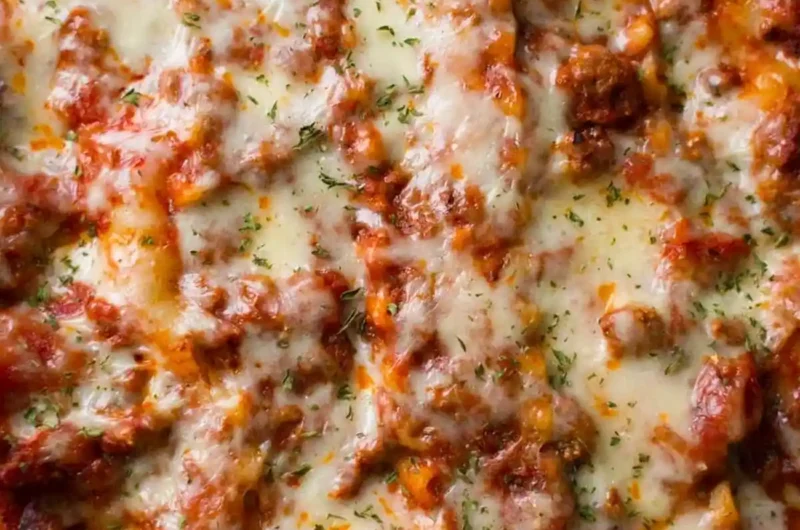
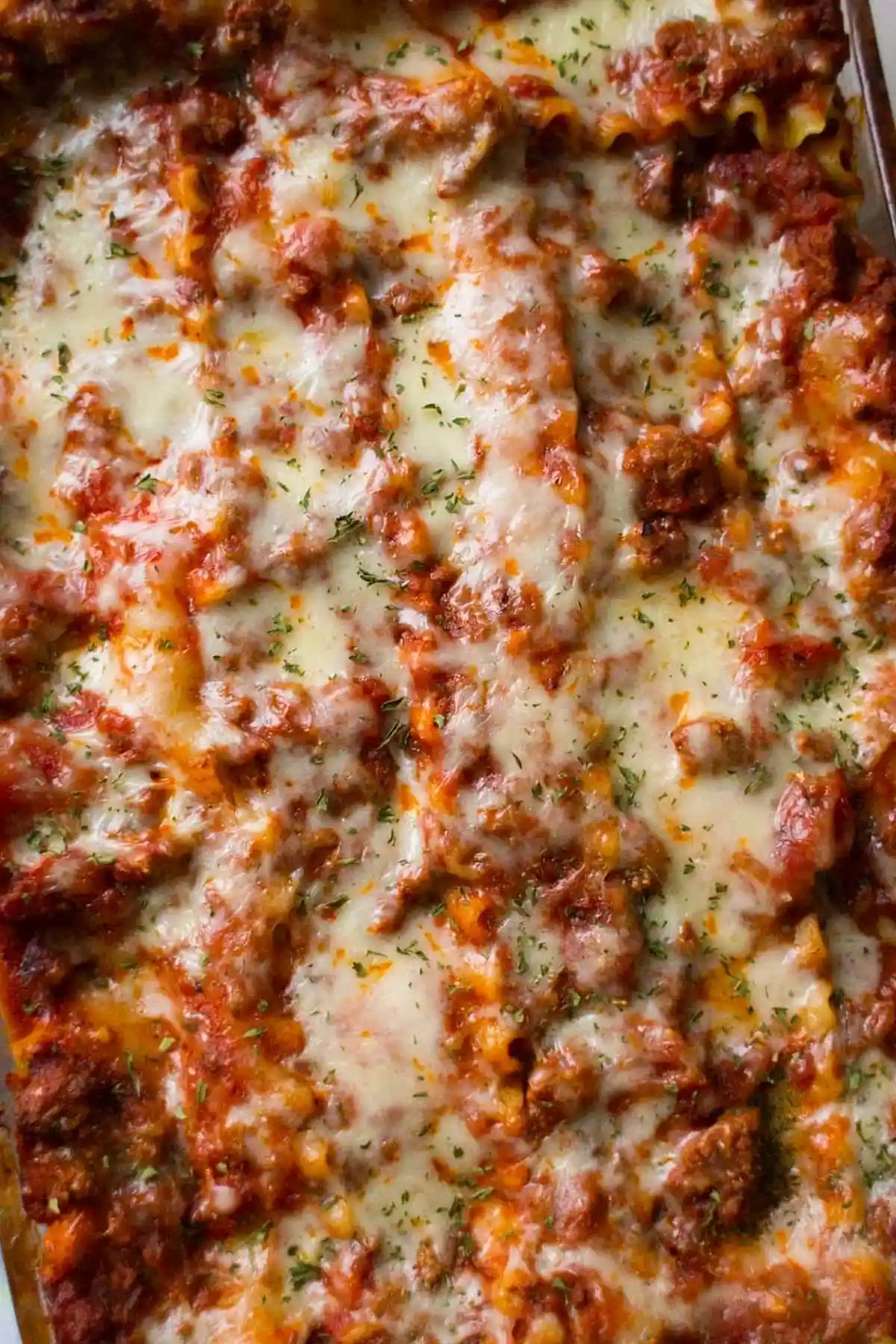
This recipe delivers a rich, multi-layered Italian casserole that balances a thick meat sauce with creamy cheeses. It is an ideal dish for large family gatherings or potluck events due to its hearty nature and ability to be made in advance.
List of ingredients
- 3 tablespoons olive oil – used for sautéing aromatics.
- 1 yellow onion, diced – provides a sweet, savory base.
- 2 cloves garlic, minced – adds depth and aroma to the sauce.
- 1 pound ground beef (93/7) – the primary protein for a hearty texture.
- 1 14.5 oz can diced tomatoes – adds texture and acidity to the sauce.
- 2 15 oz cans tomato sauce – creates the smooth base of the red sauce.
- 1 cup water – prevents the sauce from thickening too quickly.
- 3 bay leaves – infuses a subtle herbal note during simmering.
- 1 1/2 teaspoons dried basil – essential for classic Italian flavor.
- 2 teaspoons granulated sugar – balances the acidity of the tomatoes.
- 1 teaspoon Italian Seasoning – a blend of herbs for complexity.
- 2 teaspoons salt – adjust to your taste preference.
- 8 oz mozzarella cheese, grated – for the gooey internal layers.
- 1/2 cup grated parmesan cheese – adds a sharp, salty contrast.
- 2 cups whole milk ricotta cheese – creates a creamy, rich filling.
- 1/2 teaspoon dried basil – seasons the cheese mixture.
- 1/2 teaspoon dried parsley – adds color and mild freshness to the filling.
- Salt and black pepper – used to taste in the cheese filling.
- 1 pound lasagna noodles – the structural foundation of the dish.
- 4 oz mozzarella cheese, grated – used for the golden brown topping.
step-by-step instructions
- Prepare Oven: Preheat your oven to 375°F to ensure it is fully heated before the lasagna goes in.
- Sauté Aromatics: Heat olive oil in a large heavy-bottomed pot over medium heat. Add the diced onion and sauté for 2-3 minutes until softened.
- Brown the Meat: Stir in the minced garlic and ground beef. Cook the meat, breaking it apart with a spoon, until it is completely browned.
- Simmer the Sauce: Pour in the diced tomatoes, tomato sauce, water, bay leaves, dried basil, sugar, Italian seasoning, and salt. Bring the mixture to a boil, then reduce the heat to a low simmer. Cook for 1-2 hours until the sauce is very thick; add small amounts of water if it looks like it might scorch.
- Mix Cheese Filling: While the sauce simmers, combine the ricotta cheese, 8 oz of mozzarella, parmesan cheese, dried basil, dried parsley, salt, and black pepper in a mixing bowl. Stir until well combined and set aside.
- Cook Pasta: Bring a large pot of salted water to a boil. Cook the lasagna noodles for only two-thirds of the package’s recommended time (approximately 7 minutes). Drain them and immediately place them in a bowl of cold water to stop the cooking process.
- Layer the Dish: In a 9×13 inch baking dish, spread 1/2 cup of meat sauce on the bottom to prevent sticking. Place 5-6 noodles across to cover the bottom. Spread half of the cheese mixture over the noodles, followed by one-third of the meat sauce.
- Repeat Layers: Add another layer of noodles, the remaining half of the cheese mixture, and another third of the meat sauce. Finish with a final layer of noodles and the remaining meat sauce.
- Add Topping: Sprinkle the remaining 4 oz of grated mozzarella cheese evenly over the top.
- Bake: Cover the dish with aluminum foil that has been lightly sprayed with nonstick cooking spray. Bake at 375°F for 45 minutes.
- Brown the Top: Remove the foil and bake for an additional 15 minutes until the cheese is browned and bubbling.
- Rest and Serve: Remove from the oven and cover lightly with foil. Let the lasagna rest for 20-30 minutes before cutting into squares to ensure the layers stay intact. Sprinkle with dried basil or parsley before serving.
Cooking Secrets for Success
Simmer Sauce for Maximum Thickness
Cooking the meat sauce for one to two hours is the most critical step for achieving a professional result. This long simmer time evaporates excess water and concentrates the flavors, preventing the finished lasagna from becoming watery or soupy. A thick sauce ensures that the slices hold their shape when served.
Undercook Pasta to Prevent Mushiness
Boiling the noodles for only two-thirds of the recommended time is essential because they continue to cook in the oven. If the pasta is fully cooked before layering, it will absorb too much moisture and become mushy. Draining them early ensures an al dente texture after the final bake.
Avoid Pre-Shredded Cheese
Using a block of mozzarella and grating it yourself provides a much better melt. Pre-shredded cheeses are coated in potato starch or cellulose to prevent clumping in the bag, which hinders the melting process. Freshly grated cheese creates the stretchy, gooey consistency typical of authentic lasagna.
Allow the Dish to Rest
Cutting into a lasagna immediately after it leaves the oven often results in the layers sliding apart. Resting the dish for 20 to 30 minutes allows the cheese to firm up and the pasta to absorb any remaining surface moisture. This patience is the key to getting clean, square slices.
Flexible Ingredient Alternatives
Swap Ground Beef for Italian Sausage
If you prefer a more robust flavor, you can substitute the ground beef with a combination of sweet or spicy Italian sausage. Ensure the sausage is removed from its casings before browning. This change adds a peppery, savory dimension to the overall dish.
Use Cottage Cheese instead of Ricotta
For those who dislike the grainy texture of ricotta, cottage cheese is a viable 1:1 substitute. To achieve a smoother consistency similar to ricotta, you can pulse the cottage cheese in a food processor for a few seconds before mixing it with the other cheese ingredients.
Avoid Oven-Ready Noodles
While no-boil noodles offer convenience, they often result in a starchier texture and can make the lasagna dry. These noodles absorb a significant amount of liquid from the sauce during the bake. Using traditionally boiled noodles ensures a more consistent and authentic mouthfeel.
Storage and Freezer Guide
Refrigeration Guidelines
Leftover lasagna can be stored in an airtight container or in the original baking dish covered tightly with foil. It remains fresh in the refrigerator for up to five days. To maintain quality, ensure the lasagna is cooled slightly before sealing it to avoid excessive condensation.
Freezing Unbaked Lasagna
You can assemble the entire lasagna and freeze it before baking for future meals. Wrap the baking dish tightly with plastic wrap and then a layer of heavy-duty aluminum foil. It will stay good for up to two months in the freezer.
Baking and Reheating Frozen Lasagna
To bake from frozen, remove all wrapping and cover with fresh foil. Bake at 300°F for one hour, then increase the temperature to 375°F for the final 30 minutes. Remove the foil for the last few minutes to brown the cheese on top.
Reheating Baked Slices
Individual slices can be reheated quickly in the microwave using a medium power setting. For larger portions remaining in the pan, cover with foil and bake at 350°F until the center is heated through. Adding a teaspoon of water to the edges can help keep the pasta moist during reheating.
Meal Pairing Ideas
Complementary Bread Options
Pairing lasagna with garlic bread is a classic choice that helps soak up the extra meat sauce. Homemade garlic bread toasted with butter and fresh garlic provides a crispy contrast to the soft layers of the pasta. Cheesy garlic rolls are another excellent alternative for a more decadent meal.
Balanced Fresh Side Dishes
Because lasagna is rich and heavy, a fresh salad is highly recommended to balance the palate. A Caprese salad with fresh tomatoes, basil, and mozzarella offers a light, acidic contrast. A Caesar salad without anchovies provides a crunchy, salty accompaniment that cuts through the creaminess of the ricotta.
Problem Solving and Troubleshooting
Fixing a Watery Lasagna
Wateriness usually occurs if the meat sauce was not simmered long enough or if fresh mozzarella with high moisture content was used. If your lasagna is too watery, avoid cutting it immediately and let it rest for at least 30 minutes. In the future, ensure the sauce is thick enough to coat a spoon without dripping quickly.
Preventing Sauce Scorching
When simmering a sauce for several hours, it is common for the bottom to catch or scorch as the liquid reduces. To prevent this, stir the sauce frequently and add a small amount of water whenever the consistency becomes too thick. Using a heavy-bottomed pot helps distribute heat more evenly.
Frequently Asked Questions
Do you have to put eggs in the cheese filling for lasagna?
No, eggs are not required for this recipe. While eggs act as a binder and provide more stability to the cheese layer, letting the lasagna rest for 20-30 minutes after baking achieves the same structural result without the need for additional ingredients.
Can I use fresh mozzarella for lasagna?
Fresh mozzarella is not recommended because it contains a high percentage of water, which can leak into the pasta and make the dish soupy. If you choose to use it, slice it very thin and press it between paper towels to remove as much moisture as possible before layering.
How can I prevent the cheese from sticking to the foil?
To keep the top layer of mozzarella from sticking to the aluminum foil, lightly spray the underside of the foil with nonstick cooking spray. This creates a barrier that allows the foil to be removed easily without pulling the browned cheese off the top of the lasagna.
Print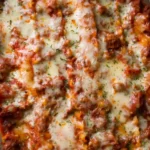
Classic Hearty Homemade Lasagna
- Total Time: 3 hours 40 minutes
- Yield: 15 servings 1x
- Diet: General
Description
This is hands down the Best Lasagna Recipe ever! Easy, cheesy, meaty and so so delicious! Layer up the hearty meat sauce, different cheeses and lasagna pasta and then bake until hot and bubbly.
Ingredients
- 3 tablespoons olive oil
- 1 yellow onion, diced
- 2 cloves garlic, minced
- 1 pound ground beef (93/7)
- 1 14.5 oz can diced tomatoes
- 2 15 oz cans tomato sauce
- 1 cup water
- 3 bay leaves
- 1 1/2 teaspoons dried basil
- 2 teaspoons granulated sugar
- 1 teaspoon Italian Seasoning
- 2 teaspoons salt
- 8 oz mozzarella cheese, grated
- 1/2 cup grated parmesan cheese
- 2 cups whole milk ricotta cheese
- 1/2 teaspoon dried basil
- 1/2 teaspoon dried parsley
- salt, to taste
- black pepper, to taste
- 1 pound lasagna noodles
- 4 oz mozzarella cheese, grated
Instructions
- Step 1: Preheat oven to 375° F.
- Step 2: In a large heavy-bottomed pot, heat olive oil over medium heat. Add in onion and saute 2-3 minutes. Add in garlic and ground beef. Break meat apart as it browns. Once meat has browned completely, pour in diced tomatoes, tomato sauce, water, bay leaves, dried basil, sugar, Italian Seasoning and salt. Bring to boil, then reduce heat to simmer. Cook sauce 1-2 hours or until very thick.
- Step 3: Stir cheeses together in a bowl with basil, parsley, salt & black pepper. Set aside.
- Step 4: Bring a large pot of water to a rolling boil. Salt generously and cook lasagna noodles 2/3 of the suggested cook time found on the package (about 7 minutes). Drain and place noodles in a large bowl of cold water.
- Step 5: Spread 1/2 cup prepared sauce in the bottom of a 9×13 baking dish. Layer in 5-6 noodles across the bottom to completely cover. Spread half of the cheese mixture overtop of the noodles and then one third of the sauce. Top with another layer of noodles, the second half of the cheese mixture and another third of the sauce. Final layer is the last of the noodles and the last of the meat sauce. Sprinkle with grated mozzarella cheese.
- Step 6: Cover lasagna with greased foil. Bake at 375° F for 45 minutes with foil on. Remove foil and bake another 15 minutes or until cheese has browned and everything it hot and bubbling. Remove from oven, cover lightly with foil, and rest 20-30 minutes before cutting and serving.
Notes
Cook the meat sauce for a long time to concentrate flavors and reduce liquid for cleaner slices. Let the lasagna rest for 20-30 minutes after baking to allow the layers to set.
- Prep Time: 20 minutes
- Cook Time: 3 hours
- Category: Dinner
- Method: Baking
- Cuisine: Italian
Nutrition
- Serving Size: 1 serving
- Calories: 348 kcal
- Sugar: 2 g
- Sodium: 562 mg
- Fat: 18 g
- Saturated Fat: 8 g
- Unsaturated Fat: 10 g
- Trans Fat: 0.3 g
- Carbohydrates: 26 g
- Fiber: 1 g
- Protein: 19 g
- Cholesterol: 58 mg
Keywords: best lasagna, classic lasagna, italian dinner, italian lasagna, lasagna, lasagna recipe, pasta