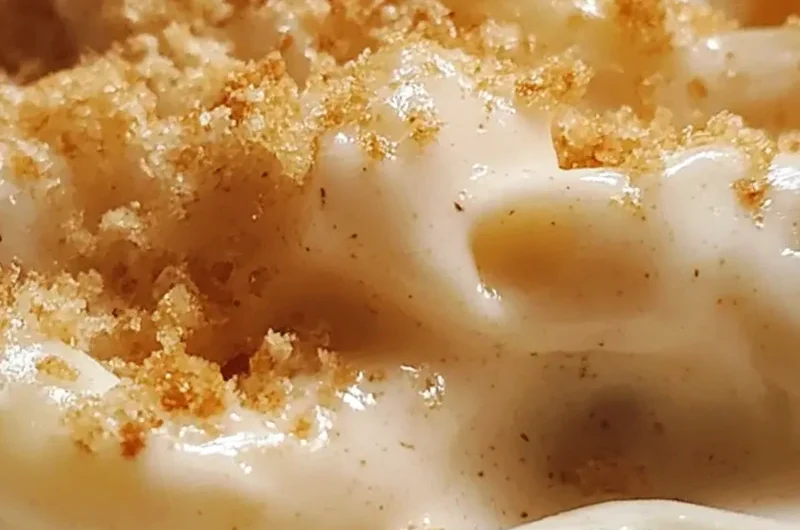
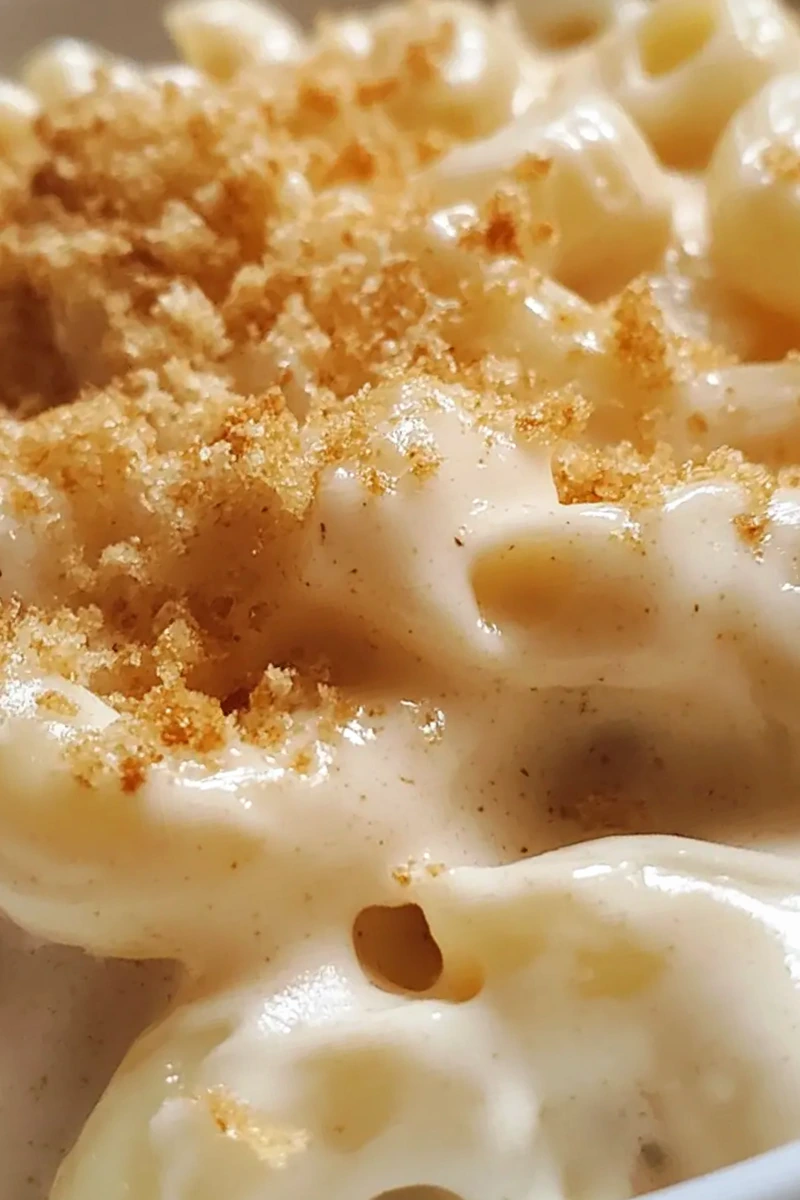
This quick white cheddar mac and cheese delivers a rich, velvety texture in under 30 minutes. It is an ideal comfort meal for busy weeknights or simple family gatherings.
List of ingredients
- 2 cups short pasta (such as elbow macaroni) – cook until al dente for the best texture.
- 2 cups shredded white cheddar cheese – aged white cheddar is recommended to enhance the sharp flavor.
- 4 ounces cream cheese – cut into small cubes to ensure fast and even melting.
- 1 cup whole milk – provides the essential creaminess for a smooth sauce.
- 2 tablespoons butter – adds richness and helps the cheese sauce emulsify.
step-by-step instructions
- Cook the pasta: Bring a large pot of salted water to a rolling boil. Add the short pasta and cook for 8-10 minutes until al dente, then strain in a colander and set aside.
- Melt the base: Place a medium saucepan over medium heat and melt the butter. Add the cubed cream cheese and stir constantly for 2-3 minutes until it softens.
- Create the creamy base: Gradually pour in the whole milk while continuing to stir. Mix until the liquid is smooth and velvety.
- Melt the cheddar: Sprinkle in the shredded white cheddar cheese. Stir continuously for 4-5 minutes on medium heat until the cheese is completely melted and the sauce is thick.
- Combine components: Fold the cooked pasta into the cheese sauce using a spatula. Cook for an additional 1-2 minutes until the pasta is thoroughly coated and heated through.
- Serve and garnish: Portion the mac and cheese into bowls immediately. For a crispy touch, garnish with breadcrumbs and place under a broiler for one minute.
Professional Cooking Techniques
Ensure Pasta is Al Dente
Cooking pasta to al dente means it still has a slight bite in the center. This is crucial because the pasta continues to cook slightly when folded into the hot cheese sauce. If overcooked initially, the noodles will become mushy and lose their structure.
Grate Your Own Cheese
Buy a block of white cheddar and grate it yourself rather than using pre-shredded bags. Pre-shredded cheeses are coated in potato starch or cellulose to prevent clumping in the bag. These additives can make your sauce grainy or prevent it from becoming perfectly smooth.
Warm the Milk Slightly
Warming the milk before adding it to the melted butter and cream cheese prevents the temperature of the pan from dropping too sharply. This helps the fats emulsify more quickly and reduces the risk of the sauce separating. You can warm it in the microwave for 30 seconds.
Use a Medium-Low Heat Setting
Keep your heat consistent at medium or medium-low when adding the cheddar cheese. High heat can cause the proteins in the cheese to tighten and separate from the fat. This leads to an oily sauce rather than a creamy one.
Cut Cream Cheese into Small Cubes
Cutting the cream cheese into small, uniform pieces allows it to melt evenly and quickly. Large chunks take longer to dissolve and may cause the butter to overheat while you wait for the center to soften. This ensures a seamless transition to the milk stage.
Flavor Variations and Substitutions
Incorporate Smoky Profiles
Replace a portion of the white cheddar with smoked white cheddar or add a pinch of smoked paprika. This introduces a depth of flavor that mimics traditional smoked meats without changing the creamy texture. It works particularly well if you are serving the dish as a side for grilled proteins.
Add Savory Plant-Based Proteins
For a savory crunch, fold in sautéed smoked tofu cubes or crispy sautéed mushrooms. These options provide a meaty texture and salty profile that complements the sharpness of the white cheddar. Ensure they are well-browned in a pan before adding them to the pasta.
Boost Nutritional Value with Vegetables
Stir in steamed broccoli florets, sautéed spinach, or roasted cauliflower during the final mixing step. These vegetables add color and nutrients while absorbing the cheese sauce. Broccoli is the most traditional choice as its flavor pairs perfectly with cheddar.
Experiment with Pasta Shapes
While elbow macaroni is standard, shell pasta or fusilli are excellent alternatives. Shells act as small scoops that hold more cheese sauce inside each piece. Fusilli provides a spiral structure that allows the sauce to cling to the outside of the noodle.
Add a Spicy Element
Stir in a pinch of cayenne pepper, red pepper flakes, or a teaspoon of diced canned jalapeños. The heat cuts through the richness of the cream cheese and butter. This creates a more dynamic flavor profile that appeals to those who prefer bold tastes.
Create a Gourmet Cheese Blend
Mix the white cheddar with Gruyère or Swiss cheese for a nuttier, more complex taste. Gruyère is known for its superior melting properties and sophisticated flavor. A 50/50 split between white cheddar and Gruyère results in a professional-grade sauce.
Use Gluten-Free Pasta Alternatives
Substitute traditional wheat pasta with brown rice, chickpea, or corn-based gluten-free pasta. Ensure you follow the package instructions for al dente cooking, as gluten-free pastas often have a narrower window between raw and overcooked. The cheese sauce remains identical regardless of the pasta type.
Serving Suggestions and Pairings
Pair with Garlic Bread
Serve the mac and cheese alongside toasted garlic bread. The crunchy, buttery texture of the bread provides a necessary contrast to the soft, creamy pasta. Use a baguette sliced lengthwise and topped with garlic butter for the best results.
Balance with a Fresh Caesar Salad
A crisp Caesar salad with romaine lettuce and a tangy dressing helps cut through the richness of the cheese. The acidity of the lemon and vinegar in the dressing cleanses the palate between bites. This makes the meal feel lighter and more balanced.
Add Roasted Root Vegetables
Pair the dish with roasted carrots or parsnips. The natural sweetness of caramelized root vegetables complements the saltiness of the aged white cheddar. Roast them with a drizzle of olive oil and a pinch of salt at 400 degrees Fahrenheit.
Serve with Steamed Asparagus
Lightly steamed asparagus spears add a bright pop of green to the plate. The slightly bitter and earthy notes of the asparagus balance the heavy cream and butter in the sauce. Season the asparagus with a squeeze of fresh lemon juice.
Include a Tangy Coleslaw
A vinegar-based coleslaw provides a crunchy, acidic side that prevents the meal from feeling too heavy. The cabbage’s snap and the dressing’s tanginess break up the richness of the dairy. Avoid creamy slaws to ensure a clear contrast in texture.
Refresh with a Seasonal Fruit Salad
A bowl of fresh berries, melon, and citrus serves as a refreshing palate cleanser. The natural sugars and water content in the fruit provide a clean finish to a dairy-heavy meal. This is an ideal option for family lunches.
Choose the Right Beverage
Pair this dish with a chilled glass of lemonade or unsweetened iced tea. The citrusy notes of lemonade or the tannins in tea help cut through the fat of the cheese sauce. These drinks keep the dining experience refreshing.
Storage and Reheating Guidelines
Proper Refrigeration Method
Transfer leftover mac and cheese to an airtight glass or plastic container. Seal it tightly to prevent the pasta from absorbing odors from the fridge and to keep the sauce from drying out. It will remain safe to eat for up to 3 days.
Freezing for Long-Term Storage
Cool the dish completely before placing it in a freezer-safe container. Wrap it tightly in plastic wrap and then aluminum foil to prevent freezer burn. The dish can be stored in the freezer for up to 2 months.
Optimal Stovetop Reheating
Avoid the microwave, as it often causes the cheese sauce to separate and become oily. Instead, place the leftovers in a saucepan over medium-low heat. Add a splash of whole milk and a small knob of butter to restore the original creamy consistency.
Preventing Pasta Sticking During Prep
If you are preparing the pasta in advance, toss the cooked and drained noodles with a tablespoon of olive oil. This creates a barrier that prevents the macaroni from clumping together in the refrigerator. Stir them well before adding them to the hot sauce.
Make-Ahead Meal Prep Strategy
You can prepare the cheese sauce and the pasta separately up to 24 hours in advance. Store them in separate containers in the refrigerator. When ready to eat, heat the sauce first, then fold in the pasta until everything is heated through.
Troubleshooting Common Issues
Fixing a Clumpy Cheese Sauce
If the sauce looks grainy or clumpy, it is likely due to overheating. Lower the heat immediately and whisk in a tablespoon of milk at a time. If it remains clumpy, carefully pour the sauce into a blender and pulse until smooth, then return it to the pot.
Thickening a Thin Sauce
If the sauce is too liquid, continue to simmer it on medium-low heat for another 3-5 minutes to allow the liquid to reduce. You can also stir in an additional handful of shredded white cheddar. Stir constantly to ensure the cheese incorporates without clumping.
Managing Over-Salted Pasta
If the pasta water was too salty and the final dish tastes over-seasoned, you can rinse the cooked pasta briefly under warm water. Additionally, increase the amount of milk in the sauce slightly. The extra dairy helps neutralize the excess salt.
Preventing Sauce Separation
Separation occurs when the fat separates from the solids, often due to excessive heat. To fix this, remove the pan from the heat and whisk in a small amount of cold milk. The temperature drop and added liquid help re-emulsify the sauce.
Frequently Asked Questions
Which pasta shape is best for this recipe?
Short pastas like elbow macaroni, shells, or cavatappi are ideal. These shapes have nooks and crannies that capture and hold the thick white cheddar sauce, ensuring every bite is creamy.
Can I use low-fat milk instead of whole milk?
Yes, you can use 2% or skim milk, but the result will be less rich. To compensate for the loss of fat, you may want to add an extra ounce of cream cheese to maintain the velvety texture.
How do I turn this into a baked mac and cheese?
Transfer the finished stovetop mixture into a baking dish. Top with a layer of panko breadcrumbs and a bit of melted butter. Bake at 375 degrees Fahrenheit for 15-20 minutes or broil until the top is golden brown.
Can I substitute the white cheddar with another cheese?
You can use Monterey Jack or Mozzarella for a milder taste and a stretchier texture. However, the sharp flavor of the white cheddar is what defines this specific recipe, so a blend is recommended if substituting.
Why did my sauce become grainy?
Graininess usually happens when the cheese is heated too quickly or at too high a temperature. This causes the proteins to clump together. Always use medium-low heat and stir constantly to keep the sauce smooth.
Print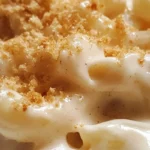
Ultimate White Cheddar Mac and Cheese That’s Silky Smooth
- Total Time: 25 minutes
- Yield: 4 servings 1x
- Diet: Vegetarian
Description
Indulge in delightful White Cheddar Mac and Cheese that’s rich, creamy, and easy to prepare in under 30 minutes.
Ingredients
- 2 cups short pasta (like elbow macaroni)
- 2 cups shredded white cheddar cheese
- 4 ounces cream cheese
- 1 cup whole milk
- 2 tablespoons butter
Instructions
- Step 1: Cook the pasta in a large pot of salted boiling water until al dente, about 8-10 minutes. Strain and set aside.
- Step 2: In a medium saucepan, melt butter over medium heat. Add cream cheese and stir for 2-3 minutes until softened.
- Step 3: Gradually pour in the milk while stirring, creating a smooth base for the sauce.
- Step 4: Sprinkle in the white cheddar cheese and stir continuously on medium heat for 4-5 minutes until melted and creamy.
- Step 5: Add the cooked pasta to the cheese sauce, folding gently to coat. Heat for an additional 1-2 minutes.
- Step 6: Serve warm and garnish with breadcrumbs and extra cheese if desired.
Notes
Ensure pasta is cooked al dente; warm milk for easier blending; experiment with cheese blends; cut cream cheese small for smooth melting; reheat on stovetop with milk and butter for best results.
- Prep Time: 10 minutes
- Cook Time: 15 minutes
- Category: Dinner
- Method: Stovetop
- Cuisine: American
Nutrition
- Serving Size: 1 cup
- Calories: 450 kcal
- Sugar: 3 g
- Sodium: 700 mg
- Fat: 25 g
- Saturated Fat: 15 g
- Unsaturated Fat: 6 g
- Trans Fat: 0 g
- Carbohydrates: 45 g
- Fiber: 2 g
- Protein: 15 g
- Cholesterol: 60 mg
Keywords: white cheddar mac and cheese, creamy pasta, quick dinner, comfort food