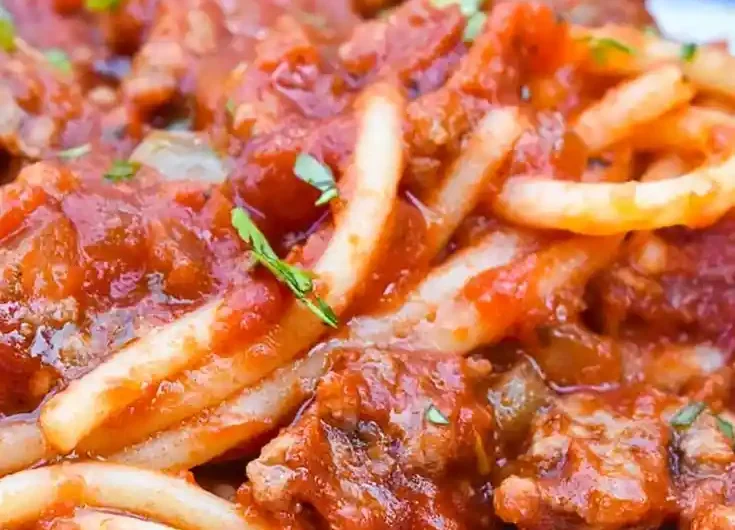
This classic pasta dish combines a rich, slow-simmered meat sauce with tender spaghetti for a satisfying family meal. It is a reliable recipe that focuses on layering tomato flavors for a deep, homemade taste.
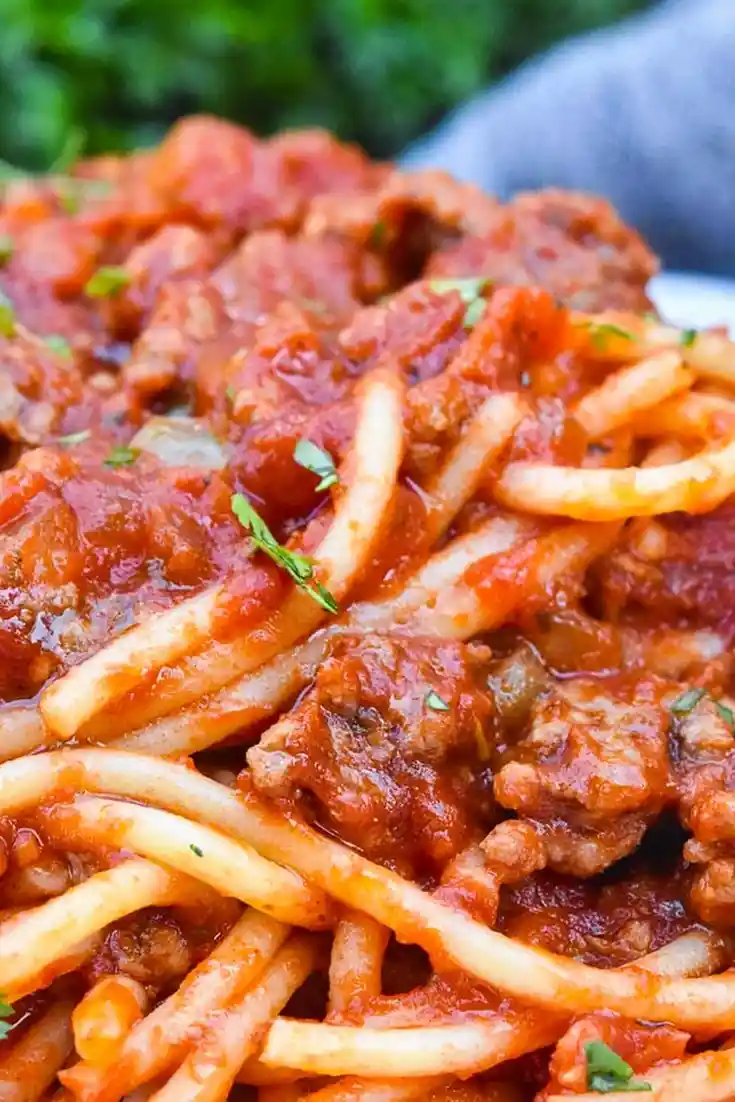
List of ingredients
- 1 1/2 pounds ground beef (80/20) – provides richness and flavor.
- 1 1/2 teaspoons salt – enhances all savory elements.
- 1/2 teaspoon black pepper – adds a subtle spicy warmth.
- 1 1/2 cups onion, chopped – creates a sweet aromatic base.
- 1 small green bell pepper, finely chopped – adds a mild, earthy flavor.
- 1 tablespoon minced garlic – essential for pungent depth.
- 1 (28-ounce) can crushed tomatoes – provides the bulk and texture.
- 1 (16-ounce) can tomato sauce – ensures a smooth consistency.
- 1 (6-ounce) can tomato paste – concentrates the tomato flavor.
- 1 tablespoon Italian seasoning – a blend of classic dried herbs.
- 1/2 teaspoon granulated sugar – balances the acidity of the tomatoes.
- 16 ounces spaghetti – the traditional pasta base.
- 2 tablespoons parsley, finely chopped – for a fresh finish.
- Grated parmesan – adds salty, nutty richness.
step-by-step instructions
- Brown the beef: Heat a large pot over medium-high heat. Add the ground beef, salt, and pepper, cooking while breaking the meat into small pieces until fully browned. Use a slotted spoon to transfer the beef to a plate.
- Sauté the vegetables: Drain the pot, leaving about 2 tablespoons of beef fat, and reduce heat to medium. Add the chopped onion, bell pepper, and minced garlic, cooking for 5 to 7 minutes until they become soft and translucent.
- Build the sauce: Return the browned beef to the pot with the sautéed vegetables. Stir in the crushed tomatoes, tomato sauce, tomato paste, Italian seasoning, and sugar, then bring the mixture to a boil.
- Simmer for depth: Reduce the heat to low and let the sauce simmer uncovered for 1 hour. Stir occasionally to prevent sticking and allow the sauce to thicken and concentrate.
- Cook the pasta: While the sauce finishes, boil spaghetti in a large pot of well-salted water according to the package instructions. Drain the pasta once it reaches an al dente texture.
- Combine and serve: Toss the cooked spaghetti directly into the sauce or ladle the sauce over the noodles. Garnish each serving with chopped parsley and a generous sprinkle of grated parmesan.
Optimizing the Meat Sauce
Selecting the Right Beef Blend
Using an 80/20 ground beef blend is recommended because the fat content carries the flavor of the herbs and garlic throughout the sauce. If you use a leaner beef, such as 90/10, you will need to add a tablespoon of olive oil to the pot for sautéing the vegetables.
The Importance of Tomato Paste
Tomato paste acts as a flavor concentrate that adds body and a dark red color to the sauce. It helps the sauce cling to the pasta more effectively than using crushed tomatoes alone. This ingredient eliminates the need for hours of reduction to achieve a thick consistency.
Why Simmering Uncovered is Essential
Simmering the sauce without a lid allows excess moisture to evaporate through steam. This process concentrates the flavors and transforms the sauce from a watery consistency to a rich, hearty ragu. A covered pot traps steam, which can lead to a thinner, less developed sauce.
Balancing Acidity with Sugar
Tomatoes naturally contain citric and malic acids which can taste sharp when cooked. Adding a small amount of granulated sugar neutralizes this acidity without making the sauce taste sweet. This creates a more rounded and professional flavor profile.
Pasta Preparation Techniques
Salting the Boiling Water
The pasta water should be seasoned heavily with salt to ensure the noodles are flavored from the inside out. Since the noodles are drained before serving, this is the only opportunity to season the pasta itself. Aim for a salinity similar to seawater for the best results.
Achieving Al Dente Texture
Cook the spaghetti for one to two minutes less than the package directions suggest. This ensures the noodles retain a slight bite and do not become mushy when combined with the hot sauce. Perfectly cooked pasta holds its structure better during tossing.
Finishing Pasta in the Sauce
Instead of serving sauce on top of plain noodles, toss the drained pasta directly into the simmering sauce. This allows the noodles to absorb some of the sauce into the starch, creating a more cohesive dish. It ensures every strand is evenly coated in flavor.
Ingredient Substitutions and Variations
Alternative Ground Meats
If you prefer a different flavor, you can substitute the beef with ground turkey or ground chicken. Note that these meats are leaner and may require additional oil for browning. For a deeper flavor with poultry, add a teaspoon of Worcestershire sauce during the browning phase.
Replacing the Green Bell Pepper
Red or yellow bell peppers can be used instead of green for a sweeter, milder taste. If you prefer no pepper at all, increase the amount of onion or add finely diced carrots for a traditional mirepoix base. This adds natural sweetness and nutritional value.
Customizing the Herb Blend
While Italian seasoning is convenient, you can create your own mix using dried oregano, basil, thyme, and rosemary. For a brighter taste, stir in fresh chopped basil leaves during the final two minutes of simmering. This preserves the volatile oils and aroma of the fresh herbs.
Substituting Tomato Products
If you cannot find crushed tomatoes, you can pulse whole peeled canned tomatoes in a blender until they reach a chunky consistency. For the tomato sauce component, a plain tomato puree works as a direct substitute. Always ensure the products are unsalted if you are monitoring sodium intake.
Serving and Pairing Suggestions
Choosing the Right Side Salads
A crisp garden salad with a vinaigrette dressing provides a necessary acidic contrast to the rich meat sauce. A Caesar salad with romaine and croutons also pairs well, adding a creamy and salty element. Keep the dressing light to avoid overwhelming the main course.
Best Bread Accompaniments
Warm garlic bread is the traditional choice for soaking up the remaining sauce on the plate. You can also serve the dish with soft dinner rolls or a sliced toasted baguette brushed with olive oil. These options add a satisfying crunch to the meal.
Cheese Options for Topping
While grated parmesan is the standard, Pecorino Romano offers a sharper, saltier alternative. For a milder taste, use a finely grated mozzarella or a blend of Italian cheeses. Adding the cheese immediately before serving ensures it melts slightly into the sauce.
Storage and Reheating Guidelines
Refrigeration Best Practices
Store the cooked pasta and the meat sauce in separate airtight containers in the refrigerator. Mixing them before storage causes the pasta to absorb too much liquid, resulting in a mushy texture. Both components will remain fresh for up to four days.
Freezing the Meat Sauce
The meat sauce freezes exceptionally well for up to six months in a freezer-safe container. Avoid freezing the cooked pasta, as the freezing process breaks down the starch structure and ruins the texture. Thaw the sauce in the refrigerator overnight before reheating.
Effective Reheating Methods
Reheat the sauce in a saucepan over medium-low heat, adding a splash of water or beef broth if it has become too thick. For the pasta, a quick rinse under hot water or a brief sauté in a pan with a little butter prevents it from sticking. Combine the two only after both are hot.
Make-Ahead Strategy
You can prepare the entire sauce up to four days in advance and store it in the fridge. This actually improves the flavor as the herbs and aromatics continue to meld. When dinner time arrives, simply reheat the sauce while boiling a fresh pot of spaghetti.
Common Troubleshooting
Correcting a Thin Sauce
If your sauce is too watery after an hour, increase the heat slightly and continue simmering without a lid. You can also stir in a tablespoon of tomato paste to quickly thicken the consistency. Ensure the pot is wide enough to allow for maximum evaporation.
Managing Overly Acidic Sauce
If the sauce still tastes too sharp despite the sugar, try adding a small pinch of baking soda. The alkaline nature of the baking soda neutralizes the acid instantly. Add it in very small increments to avoid affecting the flavor or color.
Preventing Mushy Pasta
Mushy pasta usually results from overcooking or leaving the noodles in the water too long after draining. Always drain the pasta immediately once it hits the al dente stage. Rinsing with cold water is generally avoided unless you are preparing a cold pasta salad.
Frequently Asked Questions
How long can I keep the sauce in the fridge?
The meat sauce can be safely stored in an airtight container in the refrigerator for up to four days. To maintain the best quality, ensure the container is completely filled to minimize air exposure.
Can I use different pasta shapes?
Yes, this sauce works well with any sturdy pasta. Penne, rigatoni, or fusilli are excellent choices as their shapes capture the chunky meat sauce effectively.
Do I need to drain all the beef fat?
You should drain most of the fat, but leave about two tablespoons in the pot. This remaining fat is used to sauté the onions and garlic, adding significant flavor to the vegetable base.
Can I make this recipe in a slow cooker?
Yes, brown the beef and sauté the vegetables first, then transfer everything to a slow cooker. Cook on low for 6 to 8 hours or high for 3 to 4 hours for a similar deep flavor profile.
Print
Hearty Ground Beef Spaghetti
- Total Time: 1 hour 30 minutes
- Yield: 8 servings 1x
- Diet: General
Description
Best spaghetti recipe with ground beef! Rich, hearty, and full of classic flavor, this easy family dinner comes together fast.
Ingredients
- 1 1/2 pounds ground beef, (80/20)
- 1 1/2 teaspoons salt
- 1/2 teaspoon black pepper
- 1 1/2 cups onion, (chopped)
- 1 small green bell pepper, (finely chopped)
- 1 tablespoon minced garlic
- 1 (28-ounce) can crushed tomatoes
- 1 (16-ounce) can tomato sauce
- 1 (6-ounce) can tomato paste
- 1 tablespoon Italian seasoning
- 1/2 teaspoon granulated sugar
- 16 ounces spaghetti
- 2 tablespoons parsley, (finely chopped)
- grated parmesan
Instructions
- Brown the beef: Heat a large pot over medium-high heat. Add the ground beef (1 1/2 pounds), salt (1 1/2 teaspoons), and pepper (1/2 teaspoon). Cook, breaking it into small pieces, until browned. Transfer to a plate with a slotted spoon.
- Sauté the vegetables: Drain all but 2 tablespoons of fat from the pot and reduce heat to medium. Add onion (1 1/2 cups), bell pepper (1), and garlic (1 tablespoon). Cook until softened and translucent, about 5–7 minutes.
- Build the sauce: Return the beef to the pot. Stir in crushed tomatoes (1 can), tomato sauce (1 can), tomato paste (1 can), Italian seasoning (1 tablespoon), and sugar (1/2 teaspoon). Bring to a boil.
- Simmer: Reduce heat and simmer uncovered for 1 hour, stirring occasionally, until thickened. Taste and adjust seasoning as needed.
- Cook the pasta: Cook spaghetti (16 ounces) in well-salted water according to package directions. Drain.
- Combine and serve: Toss pasta with sauce or serve sauce over the top. Garnish with parsley (2 tablespoons) and Parmesan.
Notes
Use 80/20 ground beef for maximum richness. The combination of crushed tomatoes, tomato sauce, and tomato paste creates a deep, layered flavor. Simmering the sauce uncovered allows it to thicken and concentrate.
- Prep Time: 15 minutes
- Cook Time: 1 hour 15 minutes
- Category: Main Course
- Method: Stovetop
- Cuisine: American
Nutrition
- Serving Size: 1 serving
- Calories: 494 kcal
- Sugar: 9 g
- Sodium: 858 mg
- Fat: 18 g
- Saturated Fat: 7 g
- Unsaturated Fat: 11 g
- Trans Fat: 0 g
- Carbohydrates: 57 g
- Fiber: 6 g
- Protein: 24 g
- Cholesterol: 60 mg
Keywords: beef, pasta, ground beef, spaghetti, Weeknight Dinner