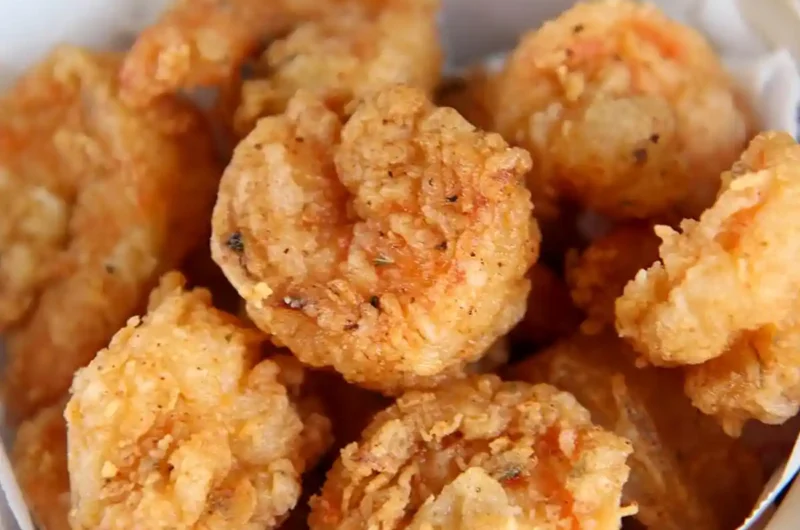
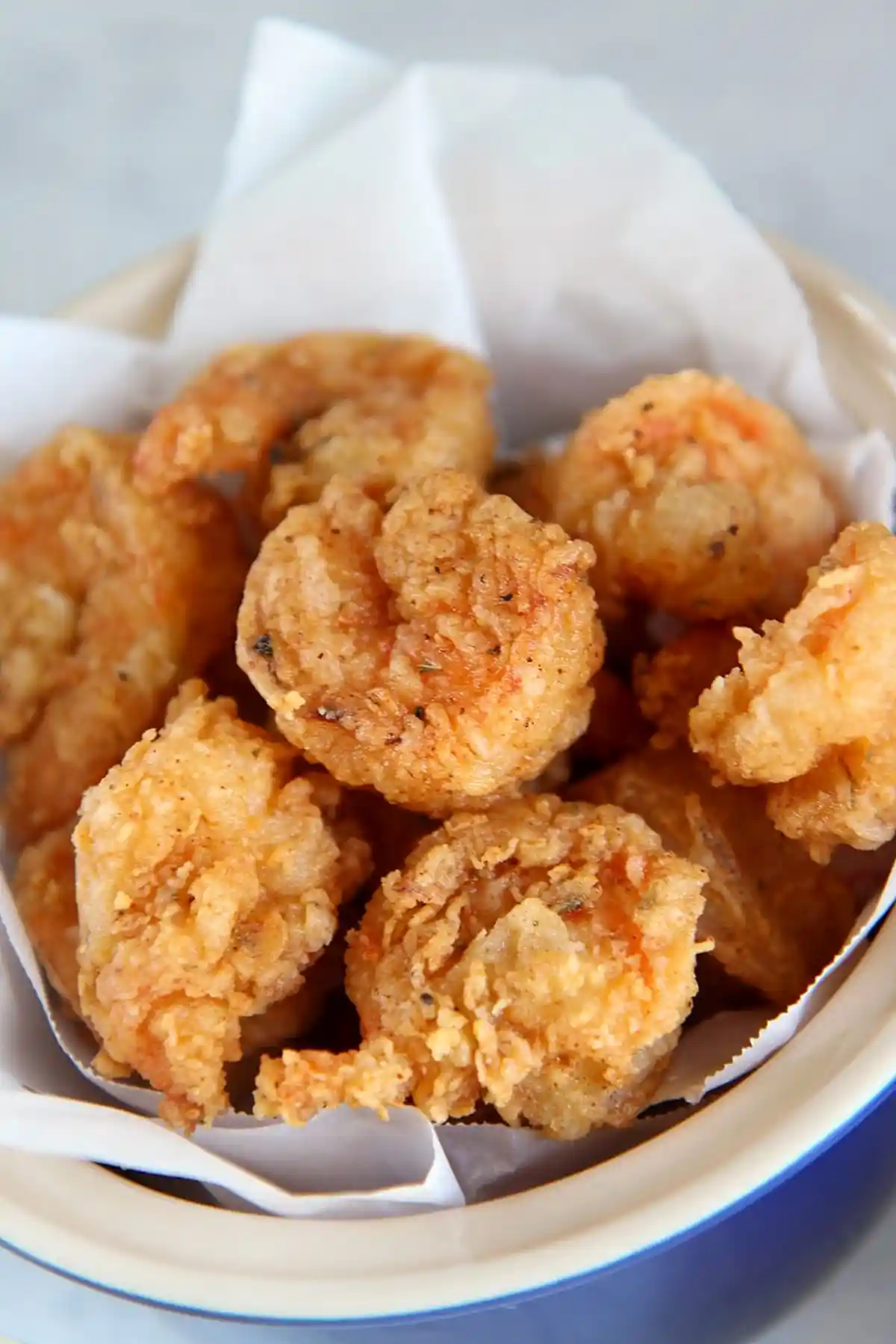
Prepare a plate of golden, crunchy seafood with this efficient stovetop method. This recipe focuses on a seasoned flour coating and a quick fry for maximum flavor and texture.
List of ingredients
- 1 lb raw shrimp (peeled and deveined) – ensures the best flavor absorption.
- 1 cup all-purpose flour – provides the essential crispy exterior.
- 1 1/2 tsp salt – adjust based on individual taste preference.
- 1/2 tsp black pepper – adds a mild, savory heat.
- 2 tsp granulated garlic – creates a deep, pungent aromatic base.
- 2 tsp paprika – adds warmth and a rich golden color.
- 2 tsp oregano – introduces an earthy, herbal quality.
- 1/2 cup whole milk – acts as the binder for the seasoned flour.
- Oil for frying – use a high-smoke point oil like canola or vegetable oil.
step-by-step instructions
- Marinate the shrimp: In a large bowl, mix the whole milk, 1/2 tsp salt, 1 tsp oregano, 1 tsp paprika, 1 tsp granulated garlic, and the raw shrimp. Let the mixture sit for 10 minutes to allow the shrimp to absorb the flavors.
- Prepare the dredging station: Combine the all-purpose flour with the remaining salt, paprika, oregano, granulated garlic, and black pepper in a shallow dish or plate. Stir well to ensure spices are evenly distributed.
- Coat the seafood: Remove the shrimp from the milk marinade and place them in the seasoned flour. Coat each piece thoroughly, pressing the flour into the meat until no pink is visible.
- Fry until golden: Heat oil to 375 degrees F in a heavy-bottomed pan. Fry the shrimp in batches for 3-4 minutes or until they are golden brown and crispy.
- Drain excess oil: Use a slotted spoon to remove the shrimp from the oil. Place them immediately on a plate lined with paper towels to absorb surface grease.
- Final Serve: Serve the fried shrimp immediately while hot to maintain the crunch.
Professional Frying Techniques
Monitoring Oil Temperature with a Thermometer
Use a digital probe thermometer to keep the oil at exactly 375 degrees F. If the oil is too cool, the shrimp will absorb excess fat and become greasy. If it is too hot, the flour will burn before the shrimp is cooked through.
Selecting High-Smoke Point Oils
Choose oils such as peanut, canola, or vegetable oil for this process. These oils can withstand high temperatures without breaking down or smoking. This prevents the addition of acrid flavors to the delicate seafood.
Managing Batch Sizes to Prevent Cooling
Fry the shrimp in small batches rather than crowding the pan. Adding too many pieces at once causes the oil temperature to drop rapidly. This leads to soggy coatings and uneven cooking.
Achieving the Perfect Golden Brown Color
Watch the shrimp closely for the first batch to determine the exact timing. The paprika in the flour helps create a deep gold color. Remove them as soon as they reach this hue to avoid a bitter, over-fried taste.
Using Paper Towels for Excess Grease Removal
Always drain the shrimp on paper towels immediately after removing them from the pan. This prevents oil from pooling at the bottom of the shrimp. It ensures the exterior remains crisp and light.
Customizing the Flavor Profile
Adding Cayenne for Spicy Shrimp
Incorporate 1/2 teaspoon of cayenne pepper into the flour mixture for a spicy kick. This adds a sharp heat that complements the sweetness of the shrimp. Adjust the amount based on your heat tolerance.
Swapping Oregano for Dried Thyme
Replace the oregano with dried thyme to create a more subtle, lemony herbal profile. Thyme pairs exceptionally well with seafood and provides a refined taste. Use the same measurement of 2 teaspoons.
Increasing Garlic for a Bolder Taste
For a more pungent flavor, increase the granulated garlic to 3 teaspoons. Ensure the garlic is granulated rather than powdered for a better texture. This enhances the savory depth of the crust.
Using Smoked Paprika for Depth
Substitute regular paprika with smoked paprika to add a woody, grilled essence. This gives the fried shrimp a complex flavor that mimics outdoor cooking. It adds a deeper red color to the final product.
Ingredient Alternatives and Diet Adjustments
Replacing Whole Milk with Unsweetened Soy Milk
Use unsweetened soy or almond milk as a direct substitute for whole milk. This makes the recipe suitable for those avoiding dairy. Ensure the milk is unsweetened to avoid adding unwanted sugar to the crust.
Using Gluten-Free All-Purpose Flour
Replace the wheat flour with a 1:1 gluten-free flour blend. These blends typically contain xanthan gum, which helps the coating adhere to the shrimp. The resulting texture remains very similar to traditional fried shrimp.
Substituting Granulated Garlic with Garlic Powder
If granulated garlic is unavailable, garlic powder is an acceptable substitute. Be mindful that powder is more concentrated than granules. You may want to slightly reduce the amount to avoid overpowering the dish.
Using Coconut Oil for Frying
Refined coconut oil can be used for frying due to its high smoke point. It provides a very subtle coconut undertone that works well with shrimp. Ensure it is the refined version to avoid a strong coconut aroma.
Creative Serving and Pairing Suggestions
Creating a Southern-Style Shrimp Po’Boy
Place the fried shrimp on a toasted French baguette. Top with shredded lettuce, sliced tomatoes, and a generous spread of mayonnaise. This transforms the appetizer into a filling, traditional meal.
Pairing with Creamy Sriracha Coleslaw
Serve the shrimp alongside a coleslaw mixed with mayonnaise and sriracha. The acidity of the vinegar and the heat of the sriracha cut through the richness of the fried coating. This provides a refreshing contrast in every bite.
Serving with Buttered Corn on the Cob
Boiled corn on the cob with salted butter is a classic accompaniment. The sweetness of the corn balances the salty, seasoned crust of the shrimp. It adds a hearty, vegetable component to the plate.
Pairing with Garlic Cheese Biscuits
Warm, flaky cheese biscuits provide a soft texture that contrasts with the crunchy shrimp. Use a combination of sharp cheddar and garlic powder in the biscuit dough. These are ideal for soaking up any remaining dipping sauces.
Using Shrimp in a Fresh Salad Base
Place the fried shrimp atop a bed of mixed greens, cucumbers, and cherry tomatoes. Use a light lemon vinaigrette to keep the meal fresh. This is a great way to enjoy fried seafood in a lighter format.
Dipping Sauce Preparations
Mixing a Tangy Honey Mustard Sauce
Combine equal parts honey and Dijon mustard with a teaspoon of lemon juice. Stir until smooth and let it sit for 10 minutes before serving. This sweetness balances the savory spices in the flour.
Preparing a Classic Tartar Sauce
Mix mayonnaise with minced dill pickles, capers, and a squeeze of fresh lemon. Add a pinch of salt and black pepper to taste. This traditional pairing adds a salty, acidic element to the meal.
Blending a Spicy Sriracha Mayonnaise
Whisk together mayonnaise, sriracha, and a small amount of lime juice. Adjust the sriracha ratio to control the level of spice. This sauce adds a creamy, modern heat to the dish.
Making a Zesty Lemon Garlic Aioli
Blend mayonnaise with minced raw garlic and lemon zest. Add a drop of olive oil for a silkier consistency. This sauce emphasizes the garlic notes already present in the shrimp coating.
Storage and Reheating Guidance
Storing Leftovers in Airtight Containers
Place cooled shrimp in a glass airtight container. Label the container with the date and store it in the refrigerator for up to two days. Ensure they are completely cool before sealing to prevent steam from softening the crust.
Reheating with an Air Fryer for Maximum Crunch
Place frozen or refrigerated shrimp in an air fryer at 350 degrees F. Heat for 3-5 minutes until the exterior is crispy again. This is the most effective method for restoring the original texture.
Using the Oven to Refresh Fried Shrimp
Spread the shrimp on a wire rack over a baking sheet. Heat them in a preheated oven at 350 degrees F for about 5-8 minutes. The wire rack allows air to circulate, preventing the bottoms from becoming soggy.
Avoiding the Microwave to Prevent Sogginess
Avoid using a microwave to reheat fried shrimp. Microwaves heat the moisture inside the coating, which turns the crust soft and rubbery. This destroys the textural appeal of the dish.
Solving Common Cooking Problems
Fixing Flour Coating that Peels Off
If the flour separates from the shrimp, ensure the shrimp are sufficiently damp with the milk mixture before dredging. Press the flour firmly into the meat with your palms. Avoid shaking off too much flour before frying.
Preventing Shrimp from Overcooking
Shrimp cook very quickly and can become rubbery if left in the oil too long. Remove them as soon as they curl into a ‘C’ shape and the coating is golden. Avoid letting them curl tightly into an ‘O’ shape, as this indicates overcooking.
Managing Oil that Smokes Too Quickly
If the oil begins to smoke, the temperature has exceeded the smoke point. Immediately lower the heat or remove the pan from the burner. Let the oil cool slightly before adding the shrimp to prevent burning.
Ensuring Even Coating on Small Shrimp
For very small shrimp, use a shaking method. Place the shrimp and seasoned flour in a sealed plastic bag and shake vigorously. This ensures every crevice is covered without over-handling the seafood.
Frequently Asked Questions
Can I use frozen shrimp for this recipe?
Yes, frozen shrimp work well. Thaw them completely in the refrigerator overnight and pat them dry with paper towels before starting the milk marinade. This prevents excess water from thinning the coating.
How do I tell if the shrimp are fully cooked?
The shrimp are done when the flesh changes from translucent grey to an opaque white or pink color. They should also form a gentle curve. The exterior should be a consistent golden brown.
Can I bake these instead of frying?
Baking is possible but results in a different texture. Place the coated shrimp on a parchment-lined sheet and spray with oil. Bake at 400 degrees F for 10-12 minutes, though they will not be as crunchy as stove-top fried shrimp.
What is the best shrimp size for frying?
Medium to large shrimp are ideal for this recipe. They provide enough surface area for the coating to adhere while remaining tender inside. Jumbo shrimp may require an extra minute of frying time.
Print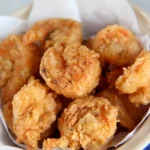
Southern Fried Shrimp
- Total Time: 14 minutes
- Yield: 6 servings 1x
- Diet: General
Description
Crunchy flavorful shrimp fried to perfection. Dip these in honey mustard or serve as a main entree.
Ingredients
- 1 lb raw shrimp (peeled and deveined)
- 1 cup all-purpose flour
- 1 1/2 tsp salt
- 1/2 tsp black pepper
- 2 tsp granulated garlic
- 2 tsp paprika
- 2 tsp oregano
- 1/2 cup whole milk
- oil, for frying
Instructions
- Step 1: Add the milk, 1/2 tsp salt, 1 tsp oregano, 1 tsp paprika, 1 tsp granulated garlic, and shrimp to a large bowl and let it sit for 10 minutes.
- Step 2: Season the all purpose flour with the remaining salt, paprika, oregano, granulated garlic, and black pepper.
- Step 3: Remove the shrimp from the milk mixture and coat well with the seasoned flour.
- Step 4: Fry the shrimp for 3-4 minutes or until crispy in oil at 375 degrees F.
- Step 5: Remove the shrimp from the oil and place it on a plate with paper towel.
- Step 6: Serve immediately and enjoy.
Notes
Serve with honey mustard for best results. Use raw (grey) shrimp rather than pre-cooked (pink) shrimp to allow flavors to soak in better.
- Prep Time: 10 minutes
- Cook Time: 4 minutes
- Category: Appetizer, Main Entree
- Method: Frying
- Cuisine: American
Nutrition
- Serving Size: 1 serving
- Calories: 171 kcal
- Sugar: 1 g
- Sodium: 1179 mg
- Fat: 2 g
- Saturated Fat: 1 g
- Unsaturated Fat: 1 g
- Trans Fat: 0 g
- Carbohydrates: 18 g
- Fiber: 1 g
- Protein: 19 g
- Cholesterol: 193 mg
Keywords: Crispy Shrimp, Fried Shrimp, Southern Fried Shrimp