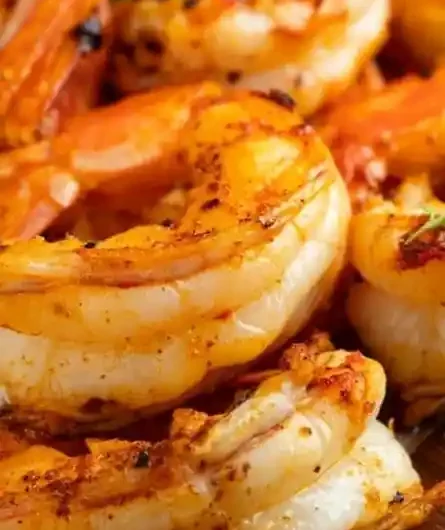
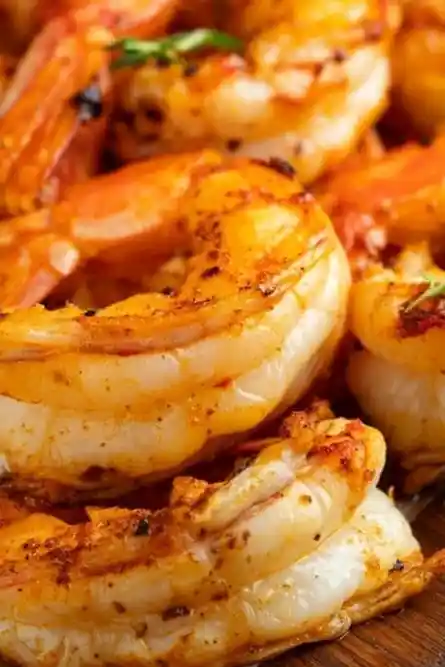
This baked garlic shrimp is a fast, high-protein option designed for healthy eating and weight management. It requires minimal preparation and cooks in just a few minutes for a nutritious meal.
List of ingredients
- Olive oil spray – used for coating and preventing shrimp from sticking.
- 1 head of garlic (peeled and minced) – provides the primary aromatic flavor.
- 1 teaspoon paprika – adds a mild sweetness and vibrant color.
- 1/2 teaspoon onion powder – enhances the savory depth of the seasoning.
- 1/2 teaspoon salt – balances all the spice flavors.
- 1/4 teaspoon pepper – provides a subtle level of heat.
- 1 lb extra large shrimp (peeled and deveined) – the main protein source.
- 1 tablespoon fresh lime or lemon juice – adds brightness and necessary acidity.
step-by-step instructions
- Prepare the oven: Preheat your oven to 400 degrees and line a rimmed baking sheet with parchment paper for easy cleanup.
- Mix seasonings: In a medium-sized bowl, stir together the minced garlic, paprika, onion powder, salt, and pepper.
- Prepare shrimp: Pat the shrimp thoroughly dry with paper towels, then lightly spray them with olive oil.
- Coat the protein: Add the oiled shrimp to the bowl of seasoning and toss well until every piece is evenly coated.
- Arrange on pan: Place the seasoned shrimp on the prepared baking sheet in a single, even layer.
- Bake: Bake in the oven until the shrimp are juicy and opaque, which typically takes 4 to 6 minutes depending on the shrimp size.
- Finish and serve: Squeeze fresh lime or lemon juice over the hot shrimp immediately before serving.
Professional Cooking Tips
Selecting the Ideal Shrimp Size
Using extra-large shrimp is recommended because they maintain their juiciness better during high-heat baking. Smaller shrimp can overcook and become rubbery much faster, requiring a shorter baking time.
The Importance of Drying Shrimp
Always pat your shrimp dry with a paper towel before adding oil or spices. Removing surface moisture prevents the shrimp from steaming in the oven, allowing them to roast properly and absorb the seasoning.
Consistent Garlic Mincing
Mince the garlic as finely as possible to ensure it distributes evenly across the shrimp. Small pieces are less likely to burn and provide a more consistent flavor in every bite.
Utilizing Parchment Paper
Lining the pan with parchment paper prevents the shrimp and garlic from sticking to the metal. This makes the cleanup process significantly faster and prevents the seasoning from scorching on the pan surface.
Monitoring Oven Temperature
Ensure your oven is fully preheated to 400 degrees before sliding the pan in. A consistent high temperature is key to achieving an opaque, juicy texture without overcooking the protein.
Avoiding Pan Overcrowding
Spread the shrimp in a single layer with space between each piece. If the shrimp are too close together, they will release moisture and steam rather than bake, affecting the final texture.
Ingredient Substitutions
Choosing Between Lime and Lemon
Lime juice offers a zestier, slightly sweeter profile that pairs well with paprika. Lemon juice provides a classic, sharp acidity that is traditional for seafood dishes.
Using Smoked Paprika
If you prefer a deeper, woodier flavor, replace the standard paprika with smoked paprika. This adds a subtle char-grilled taste without needing a grill.
Alternative Oil Sprays
Avocado oil spray is an excellent substitute for olive oil due to its higher smoke point. Grapeseed oil is also a neutral alternative that works well for high-temperature baking.
Substituting Garlic Powder
If fresh garlic is unavailable, use one teaspoon of garlic powder instead of a head of minced garlic. While the flavor is less pungent, it provides a very consistent coating.
Reducing Sodium Content
To lower the sodium, you can replace standard salt with a potassium-based salt substitute. Alternatively, increase the amount of citrus juice to enhance flavor without adding salt.
Coarser Pepper Options
Using freshly cracked black pepper instead of fine ground pepper adds a slight textural element. This provides small bursts of heat that complement the garlic.
Flavor Variations
Adding a Spicy Kick
Incorporate a half teaspoon of red pepper flakes or a pinch of cayenne pepper into the seasoning mix. This increases the heat level and adds a metabolic boost to the dish.
Integrating Fresh Herbs
Toss the finished shrimp with chopped fresh parsley or cilantro after baking. Fresh herbs add a bright, earthy contrast to the roasted garlic and paprika.
Creating a Dairy-Free Butter Style
Mix the citrus juice with a tablespoon of melted plant-based butter before drizzling over the shrimp. This adds a rich, silky mouthfeel while keeping the recipe low-calorie.
Cajun Seasoning Twist
Replace the paprika and onion powder with a small amount of a clean Cajun spice blend. This gives the dish a bold, Louisiana-inspired flavor profile.
Asian-Inspired Flavor Profile
Add a teaspoon of freshly grated ginger to the garlic mixture. Pairing this with lime juice creates a flavor profile similar to Thai garlic shrimp.
Lemon-Pepper Simplification
Omit the paprika and onion powder and double the amount of black pepper. This creates a clean, sharp lemon-pepper shrimp that is very light.
Serving and Pairing Suggestions
Low-Carb Vegetable Pairings
Serve these shrimp alongside steamed broccoli, sautéed spinach, or roasted asparagus. These greens provide essential nutrients without adding significant calories.
Combining with Cauliflower Rice
Place the garlic shrimp over a bed of seasoned cauliflower rice. This creates a satisfying, rice-like experience that remains low in carbohydrates.
Adding to Fresh Salads
Use the shrimp as a protein topper for an arugula or baby spinach salad. Combine with cucumber, cherry tomatoes, and a light vinaigrette for a complete meal.
Building a Protein Bowl
Combine the shrimp with quinoa, sliced avocado, and shredded carrots. This provides a balance of healthy fats, complex carbohydrates, and lean protein.
Serving as an Appetizer
Place each shrimp on a toothpick with a small piece of cucumber or a kalamata olive. This turns the recipe into a sophisticated, healthy party appetizer.
Pairing with Zucchini Noodles
Toss the cooked shrimp and their pan juices with spiralized zucchini. Lightly sauté the noodles for two minutes to create a healthy pasta alternative.
Storage and Reheating Advice
Optimal Refrigeration
Store leftovers in an airtight glass container to keep the shrimp fresh. They will remain safe to eat and flavorful in the refrigerator for up to three to five days.
Freezing for Long-Term Use
Place cooled shrimp in a freezer-safe bag, removing as much air as possible to prevent freezer burn. They can be stored in the freezer for up to one month.
The Microwave Reheating Method
Reheat the shrimp in short 30-second bursts using medium power. This prevents the shrimp from overcooking and becoming rubbery during the reheating process.
The Skillet Reheating Method
Place the shrimp in a skillet over medium-low heat with a teaspoon of water or citrus juice. Heat for 3 to 5 minutes until just warmed through.
Maintaining Texture After Storage
Avoid over-reheating the shrimp, as seafood toughens quickly. Remove them from the heat as soon as they are warm to preserve the juicy interior.
Cooling Before Storage
Allow the shrimp to cool completely to room temperature before sealing them in a container. This prevents condensation, which can make the shrimp soggy.
Troubleshooting Common Issues
Preventing Rubbery Texture
Rubbery shrimp are almost always the result of overcooking. Strictly follow the 4 to 6 minute window and remove them as soon as they turn opaque and form a ‘C’ shape.
Stopping Garlic from Burning
If the garlic burns, it becomes bitter. Ensure the garlic is finely minced and evenly distributed so no large clumps are exposed to direct heat on the pan.
Managing Excess Pan Moisture
If the shrimp release too much water, it is usually because they weren’t dried enough before cooking. Be diligent with paper towels before applying the oil spray.
Correcting Under-Seasoning
If the shrimp taste bland after baking, add an extra squeeze of fresh lemon or lime juice. The acidity helps wake up the other spices and salt.
Fixing Uneven Browning
If some shrimp are browned while others are pale, rotate the baking sheet halfway through the cooking time. Ensure the shrimp are not touching each other on the pan.
Adjusting for Frozen Shrimp
Frozen shrimp hold more water than fresh ones. Thaw them completely in the fridge and spend extra time patting them dry to ensure a proper roast.
Frequently Asked Questions
Can I use frozen shrimp for this recipe?
Yes, you can use frozen shrimp. Ensure they are fully thawed and patted very dry before seasoning to prevent them from steaming in the oven.
How can I tell when the shrimp are perfectly cooked?
Shrimp are done when they change from translucent to opaque white and pink. They should curl into a ‘C’ shape; if they curl tightly into an ‘O’, they are overcooked.
Can I use a different oven temperature?
It is recommended to stay at 400 degrees. Lower temperatures will cause the shrimp to steam rather than roast, while higher temperatures may burn the garlic.
Is this recipe gluten-free?
Yes, this recipe is naturally gluten-free as it uses only whole ingredients and spices without any flour or grain-based thickeners.
Can I add vegetables to the baking sheet?
Yes, you can add quick-cooking vegetables like asparagus or thin sliced bell peppers. However, you may need to add 2 to 3 minutes to the cooking time.
What is the best type of garlic to use?
Fresh garlic cloves are best for this recipe. If you cannot find whole heads, individual cloves work perfectly as long as they are fresh and pungent.
Can I cook these in an air fryer?
Yes, you can air fry them at 400 degrees for about 3 to 5 minutes. Shake the basket halfway through to ensure even cooking on all sides.
How do I peel shrimp quickly?
If the shrimp aren’t pre-peeled, use a small paring knife to cut along the back of the shell to remove the vein, then peel the shell away from the head toward the tail.
Print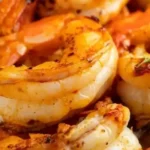
Low Calorie Garlic Shrimp for Weight Loss
- Total Time: 10 minutes
- Yield: 4 servings 1x
- Diet: Gluten Free
Description
This baked garlic shrimp recipe is easy and quick, and just 115 calories per serving! It is great on its own with your favorite sides, over a salad, or in a protein bowl.
Ingredients
- Olive oil spray
- 1 head of garlic, peeled and minced
- 1 teaspoon paprika
- ½ teaspoon onion powder
- 1/2 teaspoon salt
- 1/4 teaspoon pepper
- 1 lb. extra large shrimp, peeled and deveined
- 1 tablespoon fresh lime or lemon juice
Instructions
- Preheat: Preheat the oven to 400 degrees and line a rimmed baking sheet with parchment paper.
- Mix Seasoning: In a medium bowl, combine the garlic, paprika, onion powder, salt and pepper.
- Prep Shrimp: Pat the shrimp dry, then spray with olive oil.
- Coat: Add the oiled shrimp to the bowl of seasoning and toss well to coat the all the shrimp.
- Arrange: Place the shrimp on the prepared baking sheet in an even layer.
- Bake: Bake in the oven until juicy and opaque, about 4 to 6 minutes depending on the size of the shrimp.
- Finish: Squeeze fresh lime or lemon juice over the shrimp and serve hot.
Notes
Meal Prep: Store in the fridge for 3-5 days or in the freezer for 1 month. Reheat in the microwave for 1-3 minutes, or in a skillet over medium heat with 1 tablespoon lime or lemon juice for about 5 minutes.
- Prep Time: 5 minutes
- Cook Time: 5 minutes
- Category: Dinner
- Method: Baking
- Cuisine: American
Nutrition
- Serving Size: 1 serving
- Calories: 115 kcal
- Sugar: 0.3 g
- Sodium: 401 mg
- Fat: 0.3 g
- Saturated Fat: 0 g
- Unsaturated Fat: 0.3 g
- Trans Fat: 0 g
- Carbohydrates: 4.3 g
- Fiber: 0.5 g
- Protein: 23.8 g
- Cholesterol: 243 mg
Keywords: healthy baked shrimp, Healthy Garlic Shrimp, Healthy Shrimp Caesar Salad, Healthy Shrimp for Weight Loss, Low Calorie Shrimp for Weight Loss, low calorie baked shrimp, Low Calorie Garlic Shrimp, low calorie shrimp caesar salad