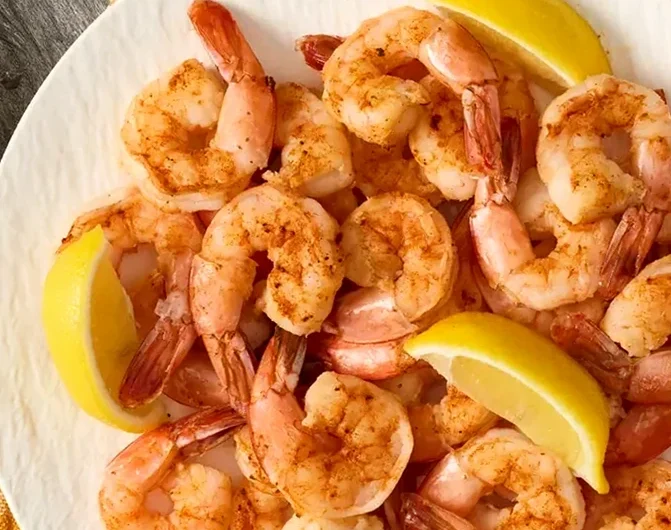
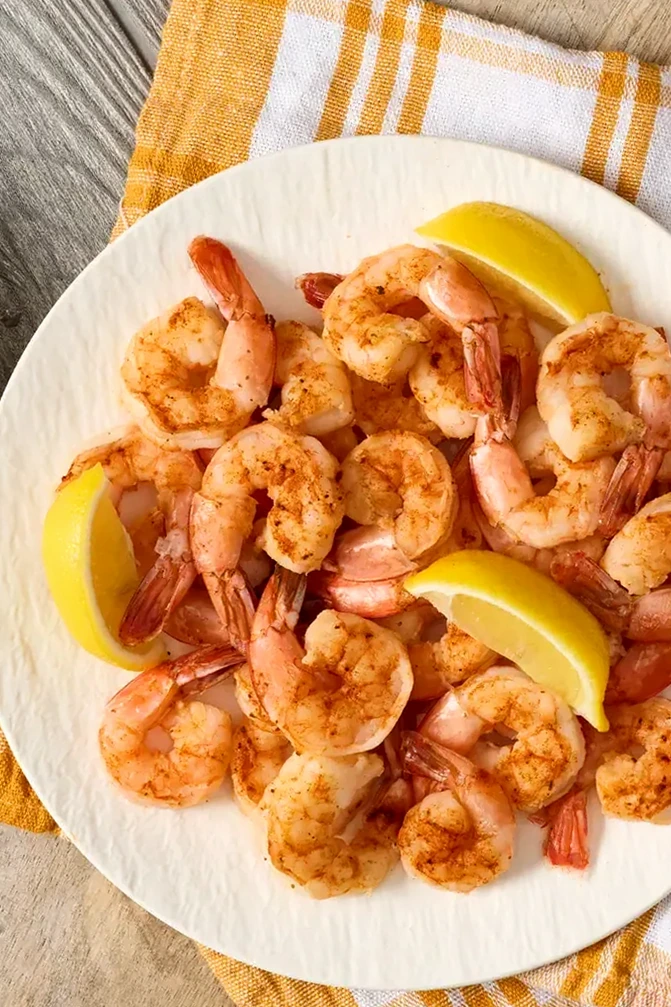
This quick shrimp recipe is perfect for appetizer platters or a light protein-rich snack. It uses a simple steaming method to keep the seafood tender while infusing it with bold, zesty seasoning.
List of ingredients
- 1/2 cup cider vinegar – provides a tangy base for the steaming liquid.
- 1/2 cup water – helps create the necessary steam volume.
- 2 tablespoons OLD BAY® Classic Seafood Seasoning – adds a complex blend of celery salt and paprika.
- 1 pound large shrimp – peeled and deveined with tails left on for easier handling.
- 1 cup OLD BAY® Cocktail Sauce – used for dipping and serving.
step-by-step instructions
- Prepare the Steaming Liquid: Combine the cider vinegar, water, and seafood seasoning in a medium saucepan. Place the pan on medium heat and bring the mixture to a rolling boil.
- Steam the Shrimp: Gently stir the shrimp into the boiling liquid and immediately cover the pan with a tight-fitting lid. Steam for 2 to 3 minutes, or just until the shrimp turn opaque and pink.
- Drain and Serve: Remove the pan from the heat and drain the shrimp thoroughly. Serve them immediately while hot, or transfer them to the refrigerator to chill before serving with the cocktail sauce.
Optimizing Your Shrimp Selection
Choosing the Correct Shrimp Size
For this recipe, large shrimp are ideal because they hold up well to the rapid steaming process. If you use jumbo shrimp, you may need to add one additional minute to the steaming time. Small or medium shrimp cook significantly faster and can become rubbery if left in the pan for the full three minutes.
Identifying Fresh Quality
Fresh shrimp should have a mild, salty scent reminiscent of the ocean rather than a strong fishy or ammonia smell. Look for translucent flesh and shells that are firm and clear. Avoid any shrimp that show black spots on the shell or flesh, as this indicates oxidation and a loss of freshness.
Thawing Frozen Shrimp Safely
If using frozen shrimp, thaw them slowly in the refrigerator overnight to maintain the cellular structure of the meat. Alternatively, place them in a sealed bag and submerge them in cold running water for 15-20 minutes. Never thaw shrimp at room temperature or in warm water, as this encourages bacterial growth and degrades the texture.
Professional Steaming Techniques
Preventing Overcooking
Shrimp cook extremely quickly and transition from tender to rubbery in a matter of seconds. The most reliable indicator of doneness is the shape; shrimp should form a loose ‘C’ shape when cooked perfectly. If they curl tightly into an ‘O’ shape, they are overcooked and will be tough to chew.
Managing the Boiling Liquid
Ensure your saucepan is large enough to hold the shrimp in a relatively single layer to allow steam to circulate evenly. If the pan is overcrowded, the shrimp at the bottom may overcook while those on top remain raw. Use a lid that fits snugly to trap the steam and maintain a consistent internal temperature.
Controlling the Seasoning Intensity
The cider vinegar helps the seafood seasoning penetrate the shrimp more effectively than water alone. If you prefer a milder flavor, you can reduce the seasoning to one tablespoon. Conversely, for a more aggressive zest, you can toss the drained shrimp in an extra pinch of seasoning while they are still damp.
Customizing the Flavor Profile
Incorporating Fresh Citrus
Adding a squeeze of fresh lemon or lime juice to the steaming liquid increases the brightness of the dish. You can also serve the finished shrimp with lemon wedges on the side for guests to customize their own acidity. The citric acid helps balance the saltiness of the seafood seasoning.
Adding Aromatics to the Pot
For a deeper flavor, add two smashed garlic cloves or a few slices of fresh ginger to the boiling water and vinegar. Let these aromatics simmer for two minutes before adding the shrimp. This adds a subtle savory layer that complements the traditional seafood blend.
Alternative Vinegar Options
While cider vinegar provides a balanced sweetness and tang, white distilled vinegar offers a sharper, cleaner acidity. Rice vinegar is a softer alternative that reduces the overall pungency of the steaming liquid. Each option changes the flavor profile slightly but maintains the necessary chemical reaction for steaming.
Presentation and Serving Ideas
Building a Classic Shrimp Platter
Arrange the chilled shrimp in a circular pattern around a central bowl of cocktail sauce on a large platter. Garnish the edges with fresh parsley sprigs and lemon slices for a professional look. This layout makes the appetizer easy to access for guests at a party.
Serving Temperature Options
These shrimp are versatile and can be served hot immediately after draining or chilled for a refreshing appetizer. For chilled service, shock the drained shrimp in an ice-water bath for 30 seconds to stop the cooking process instantly. This locks in the moisture and ensures the shrimp stay tender.
Complementary Side Pairings
Pair this dish with crisp celery sticks, sliced cucumbers, or radishes to provide a crunchy contrast to the tender shrimp. A side of chilled mixed greens with a light vinaigrette also works well. For a heartier appetizer, serve them alongside toasted baguette slices rubbed with garlic.
Storage and Preservation
Short-Term Refrigeration
Store leftover steamed shrimp in an airtight container in the refrigerator for up to two days. Keep them submerged in a small amount of the steaming liquid or cover them with a damp paper towel to prevent them from drying out. Ensure the cocktail sauce is stored in a separate container to maintain its consistency.
Long-Term Freezer Storage
While fresh is best, you can freeze cooked shrimp for up to two months by flash-freezing them on a tray first. Once frozen solid, transfer them to a vacuum-sealed bag to prevent freezer burn. Be aware that the texture may become slightly softer after freezing and thawing.
Safe Thawing of Cooked Shrimp
To thaw previously frozen cooked shrimp, place them in the refrigerator 24 hours before serving. Avoid using a microwave to thaw them, as this will cook the shrimp further and result in a rubbery texture. Gently rinse them under cold water just before serving to remove any ice crystals.
Reheating Guidelines
Gentle Warming Method
If you prefer to eat the shrimp warm after refrigerating, avoid the microwave, which can overcook them in seconds. Instead, place them in a steamer basket over simmering water for 60 to 90 seconds. This re-hydrates the meat without toughening the proteins.
Using a Low-Heat Pan
Alternatively, you can warm the shrimp in a skillet over low heat with a tablespoon of butter. Toss them gently for one to two minutes just until they reach the desired temperature. This method adds a rich buttery flavor that pairs well with the cocktail sauce.
Avoiding High Temperatures
Never boil previously cooked shrimp, as this will cause them to shrink and lose their sweetness. High heat breaks down the delicate protein structures, leading to a chewy, unpleasant consistency. Always use the lowest effective heat source for reheating.
Troubleshooting Common Issues
What to do if shrimp are too salty?
If the seafood seasoning makes the dish too salty, rinse the drained shrimp under cold water for a few seconds. You can also serve them with a dollop of unsweetened Greek yogurt or a squeeze of extra lemon juice. The acidity and creaminess help neutralize the perception of salt on the palate.
How to fix rubbery shrimp?
Once shrimp have become rubbery due to overcooking, they cannot be reversed. To mitigate this for future batches, use a timer and remove them the moment they turn pink. For the current batch, serving them chilled with plenty of sauce can help mask the toughness.
Why did my shrimp stay gray?
If the shrimp remain gray, they have not reached the internal temperature required for the proteins to denature and change color. Return them to the steaming pot for another 30 to 60 seconds. Ensure the lid is tightly sealed to maintain the necessary steam pressure.
Frequently Asked Questions
Can I use frozen shrimp for this recipe?
Yes, frozen shrimp work perfectly as long as they are fully thawed and patted dry before steaming. Using frozen shrimp that are not thawed can drop the temperature of the boiling liquid too quickly, leading to uneven cooking times.
How long do steamed shrimp stay fresh?
Steamed shrimp generally stay fresh in the refrigerator for 48 hours. After this point, the texture begins to degrade and the risk of spoilage increases. Always check for a strong odor or slimy surface before consuming leftovers.
Can I substitute the cocktail sauce?
If you do not have the specific brand, you can mix ketchup, horseradish, a dash of Worcestershire sauce, and lemon juice. Adjust the amount of horseradish to control the heat level according to your preference.
Is it necessary to leave the tails on?
Leaving the tails on is primarily for aesthetics and functionality, as they act as natural handles for dipping. However, you can remove them before cooking if you prefer a completely peel-free experience.
Can I steam shrimp in a microwave?
While possible, the microwave cooks unevenly and often results in some shrimp being overcooked while others are raw. Using a saucepan on the stove provides a more consistent heat source and better control over the final texture.
Print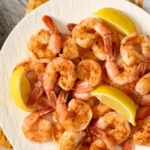
Zesty Old Bay Steamed Shrimp with Cocktail Sauce
- Total Time: 3 minutes
- Yield: 8 servings 1x
- Diet: General
Description
This steamed shrimp recipe can be whipped up in just minutes, making it a go-to appetizer for crowds! You can easily steam shrimp with a little water and zesty OLD BAY® Seasoning for a quick and delicious treat.
Ingredients
- 1/2 cup cider vinegar
- 1/2 cup water
- 2 tablespoons OLD BAY® Classic Seafood Seasoning
- 1 pound large shrimp, peeled and deveined, leaving tails on
- 1 cup OLD BAY® Cocktail Sauce
Instructions
- Step: In a medium saucepan mix vinegar, water, and OLD BAY. Bring to boil on medium heat. Gently stir in shrimp then cover.
- Step: Steam 2 to 3 minutes or just until shrimp turn pink. Drain well.
- Step: Serve immediately or refrigerate until ready to serve. Serve with OLD BAY Cocktail Sauce.
Notes
Ensure shrimp are not overcooked to keep them tender.
- Prep Time: 0 minutes
- Cook Time: 3 minutes
- Category: Appetizers
- Method: Steaming
- Cuisine: American
Nutrition
- Serving Size: 1 serving
- Calories: 93 kcal
- Sugar: 4 g
- Sodium: 758 mg
- Fat: 2 g
- Saturated Fat: 1 g
- Unsaturated Fat: 1 g
- Trans Fat: 0 g
- Carbohydrates: 11 g
- Fiber: 1 g
- Protein: 10 g
- Cholesterol: 90 mg
Keywords: steamed shrimp, Old Bay, cocktail sauce, appetizer, seafood