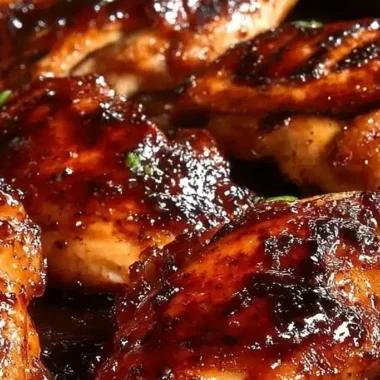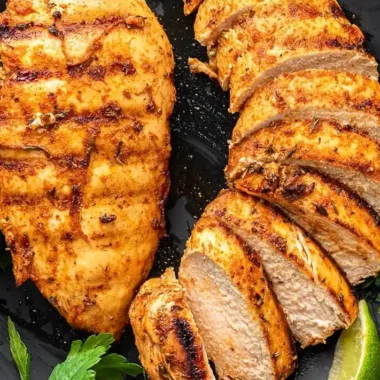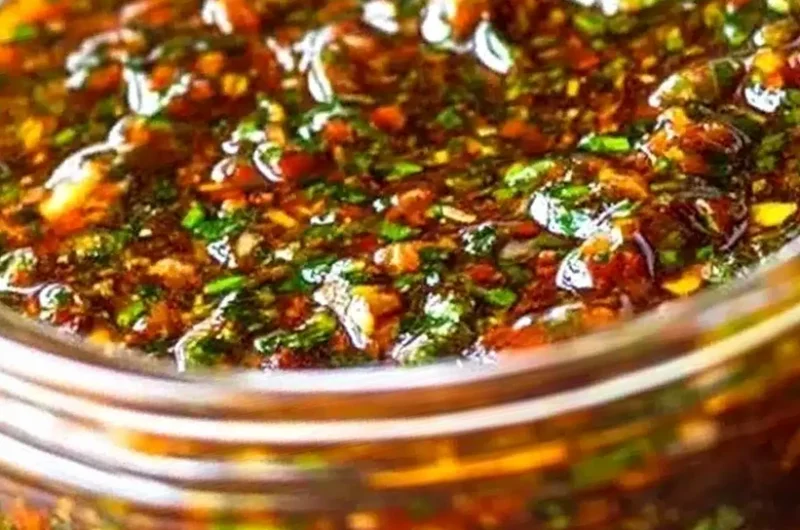
This zesty, herb-forward sauce adds a profound depth of smokiness to any grilled dish. It is incredibly quick to prepare and requires no cooking, making it a perfect condiment for busy weeknights or impressive dinner parties.
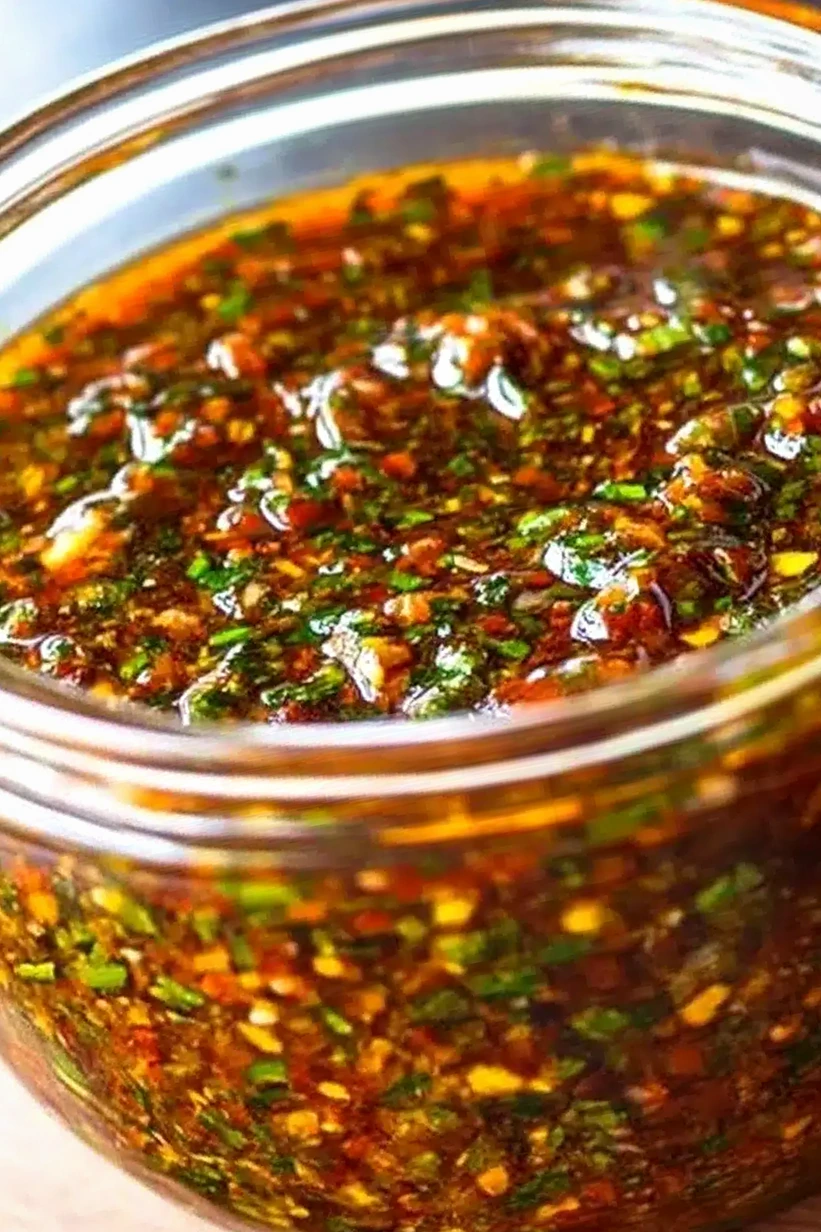
List of ingredients
- 1 cup fresh parsley, chopped – provides a clean, grassy base.
- 1/2 cup fresh cilantro, chopped – adds a bright, citrusy note.
- 1/4 cup fresh oregano, chopped – lends a pungent, earthy aroma.
- 1/4 cup apple cider vinegar – provides the necessary tangy acidity.
- 1/2 cup olive oil – emulsifies the sauce and adds richness.
- 4 cloves garlic, minced – contributes a sharp, aromatic punch.
- 1 teaspoon smoked paprika – gives the sauce its signature red color and smoky flavor.
- 1/2 teaspoon crushed red pepper flakes – adds a customizable level of heat.
- Salt and pepper, to taste – balances all the flavor components.
step-by-step instructions
- Prepare Herbs: Finely chop the fresh parsley, cilantro, and oregano. Use a sharp knife to ensure the herbs are minced without bruising, which preserves their vibrant color.
- Combine Dry Ingredients: In a medium mixing bowl, stir together the smoked paprika and the crushed red pepper flakes. This ensures the spices are evenly distributed before adding liquids.
- Add Minced Garlic: Incorporate the minced garlic into the bowl with the spices. Mixing it with the dry ingredients first helps create a consistent aromatic base.
- Add Vinegar: Pour in the apple cider vinegar. Stir the mixture well to allow the garlic and spices to steep in the acid.
- Mix Herbs: Stir in the chopped parsley, cilantro, and oregano. Ensure the herbs are thoroughly coated in the vinegar and spice mixture.
- Add Olive Oil: Gradually drizzle in the olive oil while stirring constantly. This slow process helps emulsify the sauce, creating a cohesive and smooth texture.
- Season to Taste: Add salt and pepper according to your preference. Taste the sauce and adjust the seasoning until the flavors are perfectly balanced.
- Let It Rest: Allow the chimichurri to sit for at least 15 minutes before serving. This resting period is crucial as it allows the flavors to meld and the herbs to soften slightly.
Expert Preparation Tips
Use a Very Sharp Chef Knife
A sharp blade is essential for chopping fresh herbs correctly. If the knife is dull, it will crush the herbs instead of slicing them, causing them to bruise and oxidize. This results in a darker color and a less fresh taste.
Mince Garlic Finely for Balance
Ensure the garlic is minced into very small pieces to avoid large, pungent chunks. Finely minced garlic distributes more evenly throughout the sauce. This prevents any single bite from being overwhelmingly sharp.
Avoid Using a Food Processor
Hand-chopping the herbs is strongly recommended over using a blender or processor. Machines often over-process the greens, turning the sauce into a puree or paste. Hand-cutting maintains the traditional chunky texture that defines a great chimichurri.
Maximize the Resting Period
While the sauce can be eaten immediately, letting it rest for 30 minutes is ideal. The acid in the vinegar breaks down the tough fibers of the fresh oregano and parsley. This process releases more essential oils, deepening the overall flavor profile.
Sift Your Smoked Paprika
If your smoked paprika has formed small clumps in the jar, sift it through a fine mesh strainer. This prevents concentrated pockets of spice from appearing in the final sauce. It ensures a uniform red color throughout the condiment.
Use High Quality Extra Virgin Olive Oil
Since olive oil is a primary ingredient, its quality significantly impacts the taste. Use a cold-pressed extra virgin olive oil for a fruity, peppery finish. Lower quality oils can taste greasy and may mask the brightness of the herbs.
Wash and Dry Herbs Thoroughly
Excess water on your herbs can dilute the sauce and cause it to separate. Use a salad spinner or pat the parsley and cilantro dry with paper towels. This ensures the oil and vinegar adhere properly to the leaves.
Balance the Heat Carefully
When adding red pepper flakes, start with the suggested amount and taste before adding more. Different brands of pepper flakes vary in intensity. Adjusting the heat at the end prevents the sauce from becoming too spicy to enjoy.
Ingredient Substitutions
Replacing Fresh Oregano
If fresh oregano is unavailable, you can use dried oregano as a substitute. Use one-third of the quantity, as dried herbs are more concentrated than fresh. Rub the dried herbs between your palms to wake up the oils before adding them.
Using Lemon Juice for Acidity
Freshly squeezed lemon juice can be used instead of apple cider vinegar. This creates a brighter, more citrus-forward sauce that pairs exceptionally well with seafood. It provides a lighter tang that complements the smokiness of the paprika.
Substituting Cilantro with Flat Leaf Parsley
For those who find cilantro too soapy, replace it with an equal amount of additional flat leaf parsley. This maintains the green volume of the sauce while softening the flavor profile. It makes the sauce more universally appealing to guests.
Alternative Oils for Neutral Flavor
If you prefer a more neutral base, substitute olive oil with avocado oil or grapeseed oil. These oils have higher smoke points and a milder taste. This allows the smoked paprika and garlic to take center stage without the olive oil’s distinct flavor.
Substituting Smoked Paprika
If you cannot find smoked paprika, use a combination of sweet paprika and a tiny pinch of cumin. While it won’t have the exact same smoky depth, it provides a similar color and earthiness. Avoid using hot paprika unless you want a significantly spicier sauce.
Using White Wine Vinegar
White wine vinegar is a great alternative if you want a sharper, more traditional Argentine style. It is more acidic than apple cider vinegar and provides a crisp finish. This works particularly well when serving the sauce with rich, fatty meats.
Replacing Fresh Garlic with Garlic Powder
In a pinch, you can use garlic powder if fresh cloves are missing. Use approximately half a teaspoon for every clove required. Note that the flavor will be more muted and lack the pungent bite of fresh garlic.
Using Honey to Balance Acidity
If the sauce feels too sharp, stir in a tiny amount of honey or maple syrup. A small touch of sweetness balances the vinegar and salt. This creates a more rounded flavor that appeals to a wider range of palates.
Creative Flavor Variations
Adding a Spicy Jalapeño Twist
Incorporate finely diced fresh jalapeños for a crisp, spicy kick. Remove the seeds for mild heat or keep them for a more intense experience. The fresh pepper adds a layer of brightness that complements the dried red pepper flakes.
Incorporating Citrus Zest
Grate the zest of one lime or lemon into the sauce for an aromatic boost. The essential oils in the zest provide a fragrant top note. This variation is particularly effective when the sauce is used as a marinade for fish.
Adding Toasted Walnuts for Texture
Mix in a tablespoon of finely crushed toasted walnuts to add a nutty crunch. This introduces a rich, earthy element that contrasts with the acidity of the vinegar. It transforms the sauce into a heartier condiment.
Adding Sun-Dried Tomatoes
Finely chop a few sun-dried tomatoes and stir them into the mix. This enhances the red color and adds a concentrated umami depth. It makes the chimichurri taste more like a rustic Mediterranean relish.
Infusing with Fresh Mint
Substitute a portion of the parsley with fresh mint leaves. This adds a cooling sensation that cuts through the smokiness of the paprika. It is an excellent variation for serving with lamb or grilled tofu.
Adding Chipotle Paste for Deep Smoke
For an intense smoky flavor, stir in a teaspoon of chipotle paste. This adds a rich, dark red hue and a slow-burning heat. It is ideal for those who want a bolder, more aggressive flavor profile.
Adding Capers for Briny Saltiness
Mix in a tablespoon of minced capers to introduce a salty, briny punch. The capers act as small flavor bombs that contrast with the fresh herbs. This version is highly recommended for pairing with pan-seared salmon.
Using Smoked Salt for Extra Depth
Replace regular table salt with a high-quality smoked salt. This doubles the smoky dimension of the recipe without changing the volume of ingredients. It creates a more cohesive and integrated smoky taste.
Serving Suggestions
Pairing with Grilled Shrimp
Spoon the smoky red chimichurri over grilled shrimp just before serving. The acidity of the sauce cuts through the sweetness of the seafood. It adds a vibrant color that makes the dish visually appealing.
Using as a Steak Topping
Drizzle the sauce over a rested grilled steak or beef tips. The smokiness of the paprika complements the charred exterior of the meat. It provides a fresh, zesty contrast to the richness of the beef.
Complementing Roasted Vegetables
Toss roasted cauliflower, carrots, or Brussels sprouts in the chimichurri. The sauce enhances the natural sweetness of the roasted vegetables. It turns a simple side dish into a flavorful centerpiece.
Drizzling over Tacos and Burritos
Use the sauce as a gourmet drizzle for fish, shrimp, or bean tacos. It replaces the need for traditional salsa by providing both acidity and heat. It pairs perfectly with shredded cabbage and sliced avocado.
Using as a Dipping Sauce for Bread
Serve the chimichurri in a small bowl alongside toasted sourdough or pita chips. The oil and vinegar soak into the bread, creating a savory appetizer. This is a great way to start a meal for guests.
Marinating Tofu or Tempeh
Use the sauce as a marinade for tofu or tempeh for at least two hours before grilling. The vinegar tenderizes the plant-based protein while the herbs infuse it with flavor. It adds a bold taste to meatless alternatives.
Topping for Baked Potatoes
Use a dollop of this sauce as a garnish for a baked potato. It is a fresh, healthy alternative to sour cream or butter. The smokiness pairs well with the earthy taste of the potato.
Pairing with Grilled Halloumi
Drizzle the sauce over grilled halloumi cheese. The salty, squeaky texture of the cheese is balanced by the tangy and smoky notes of the chimichurri. It makes for an excellent vegetarian appetizer.
Enhancing Avocado Toast
Spread a thin layer of chimichurri over mashed avocado on toasted rye bread. The herbal notes brighten the creamy texture of the avocado. It transforms a simple breakfast into a savory brunch dish.
Using on Grilled Corn on the Cob
Brush the sauce onto grilled corn instead of using butter. The vinegar and paprika create a zesty glaze that enhances the corn’s natural sugars. It is a refreshing twist on a summer classic.
Storage and Preservation
Refrigeration Guidelines
Store the chimichurri in a glass jar with an airtight lid in the refrigerator. The olive oil will naturally rise to the top, creating a seal that protects the herbs from air. It remains fresh and flavorful for up to one week.
Freezing in Ice Cube Trays
For long-term storage, pour the sauce into silicone ice cube trays and freeze. Once frozen, transfer the cubes to a freezer-safe bag. This allows you to portion out exactly how much you need for each meal.
Thawing Instructions
Thaw the frozen chimichurri cubes slowly in the refrigerator overnight. Do not use a microwave to thaw the sauce, as high heat can separate the oil from the herbs. Stir the sauce after thawing to restore the emulsion.
Managing Oil Separation
It is normal for the oil and vinegar to separate after a few days in the fridge. Simply stir the sauce vigorously with a spoon before using it. This re-incorporates the ingredients for a consistent texture.
Identifying Signs of Spoilage
Check the sauce for a sour smell or any visible mold before using. The herbs may fade from bright green to a darker olive green, which is normal oxidation. However, a distinct off-odor indicates the sauce has expired.
Choosing the Right Storage Container
Always use glass containers rather than plastic for storing this sauce. The acidity of the vinegar can react with some plastics over time. Glass keeps the flavor pure and prevents odors from leaching into the sauce.
Common Troubleshooting
Fixing a Sauce That Is Too Acidic
If the vinegar taste is too overwhelming, stir in an additional tablespoon of olive oil. The fat in the oil helps neutralize the sharp acidity of the vinegar. You can also add a pinch of sugar to balance the tang.
Adjusting Too Much Heat
If the red pepper flakes make the sauce too spicy, stir in more chopped parsley. The fresh herbs help dilute the concentration of the spice. Adding a small amount of honey can also tame the heat.
Correcting a Separated Texture
If the sauce looks broken or oily, whisk it vigorously for one minute. If it still refuses to emulsify, add a tiny bit of mustard, which acts as a natural stabilizer. This helps bind the oil and vinegar together.
Managing Overly Strong Garlic Flavor
If the raw garlic is too pungent, let the sauce rest for a longer period. The vinegar gradually mellows the garlic’s bite over 24 hours. Alternatively, stir in more cilantro to mask the intensity.
Preventing Bitter Herb Tastes
Bitterness usually comes from including the woody stems of the parsley and oregano. Ensure you only use the tender leaves of the herbs. If the sauce is already bitter, a pinch of salt can help neutralize the taste.
Reviving Dull Colors
If the sauce looks pale, stir in an extra pinch of smoked paprika. This will deepen the red hue and reinforce the smoky flavor. Ensure you are using fresh, non-wilted herbs to maintain the green contrast.
Frequently Asked Questions
How long does Smoky Red Chimichurri last?
When stored in an airtight glass container in the refrigerator, it lasts for up to 7 days. If frozen in cubes, it can be preserved for up to 3 months without losing significant flavor.
Can I use dried herbs in this recipe?
Yes, you can use dried herbs if fresh ones are unavailable. Use one-third of the amount specified, as dried herbs are more potent. Be aware that the flavor will be less vibrant than with fresh herbs.
Is this Smoky Red Chimichurri spicy?
The heat level is mild to medium, depending on your tolerance. The primary source of heat is the crushed red pepper flakes, which can be easily adjusted up or down to suit your preference.
Can I make this recipe vegan?
Yes, this recipe is naturally vegan as it uses only plant-based ingredients. There are no animal products or additives, making it suitable for vegan and vegetarian diets.
Does this sauce require any cooking?
No, this is a raw condiment that requires no heat. The process involves only chopping and mixing, making it a fast and efficient addition to any meal.
Can I use this sauce as a marinade?
Absolutely, it works excellently as a marinade for meats, tofu, or vegetables. The acidity of the vinegar helps tenderize the proteins while the herbs and paprika infuse deep flavor.
Print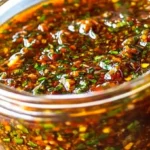
Bold Smoky Red Chimichurri Sauce
- Total Time: 10 minutes
- Yield: 10 servings 1x
- Diet: Vegan
Description
A vibrant and zesty Argentine-inspired condiment combining fresh herbs and smoky paprika, perfect for grilled meats, roasted vegetables, or as a dip.
Ingredients
- 1 cup fresh parsley, chopped
- 1/2 cup fresh cilantro, chopped
- 1/4 cup fresh oregano, chopped
- 1/4 cup apple cider vinegar
- 1/2 cup olive oil
- 4 cloves garlic, minced
- 1 teaspoon smoked paprika
- 1/2 teaspoon crushed red pepper flakes
- Salt and pepper, to taste
Instructions
- Prepare Herbs: Chop the fresh parsley, cilantro, and oregano finely.
- Combine Dry Ingredients: In a mixing bowl, add the smoked paprika and crushed red pepper flakes.
- Add Minced Garlic: Incorporate the minced garlic into the dry ingredients.
- Add Vinegar: Pour in the apple cider vinegar.
- Mix: Stir in the chopped herbs until evenly distributed.
- Add Olive Oil: Gradually drizzle in the olive oil while mixing.
- Season to Taste: Add salt and pepper to your liking.
- Let It Rest: Let the chimichurri sit for at least 15 minutes before serving.
Notes
Store in an airtight container in the refrigerator for up to 1 week, or freeze in ice cube trays for up to 3 months.
- Prep Time: 10 minutes
- Cook Time: 0 minutes
- Category: Appetizers
- Method: Mixing
- Cuisine: Argentine
Nutrition
- Serving Size: 1 serving
- Calories: 110 kcal
- Sugar: 1 g
- Sodium: 120 mg
- Fat: 11 g
- Saturated Fat: 1.5 g
- Unsaturated Fat: 9.5 g
- Trans Fat: 0 g
- Carbohydrates: 3 g
- Fiber: 1 g
- Protein: 1 g
- Cholesterol: 0 mg
Keywords: chimichurri, smoky red sauce, Argentine sauce, vegan condiment, herb sauce