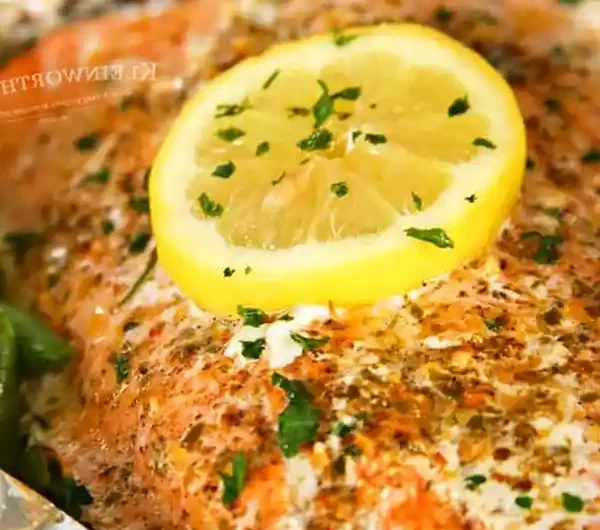
This recipe utilizes foil packets to steam salmon and fresh vegetables simultaneously for a nutrient-dense meal. It is a versatile method that works equally well in a conventional oven or on an outdoor grill.
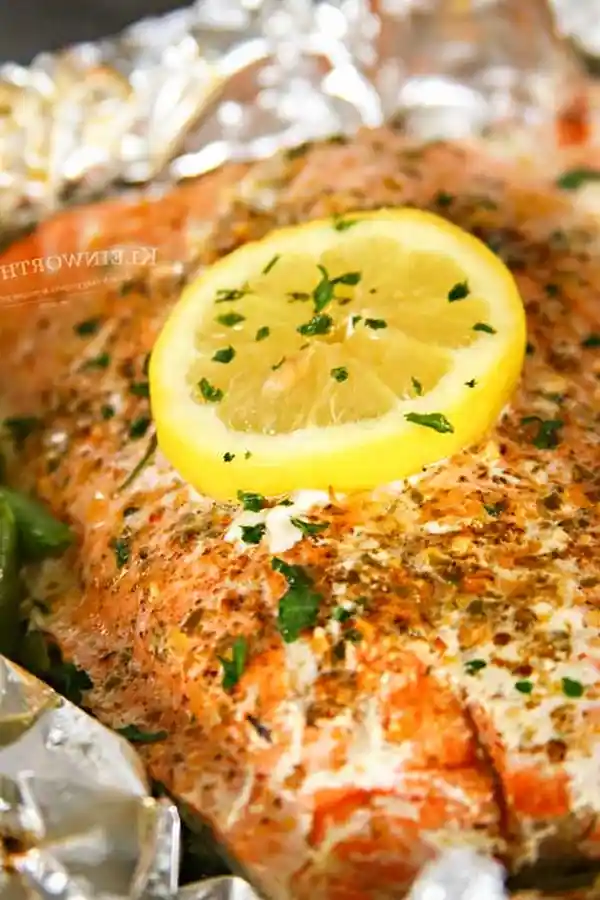
List of ingredients
- 1 Open Nature Sockeye Salmon filet – main protein source.
- 4 cups green beans or asparagus – fresh vegetable base.
- 1/2 cup butter – for richness and flavor.
- 2 tbsp minced garlic – provides aromatic base.
- 2 tbsp fin and feathers seasoning – for a savory flavor profile.
- 1 lemon cut into wheels – adds acidity and brightness.
- parsley for garnish – for fresh color and taste.
step-by-step instructions
- Preheat: Set your oven or grill to 375 degrees Fahrenheit.
- Prepare Foil: Layout large pieces of foil on the counter, ensuring you have one sheet for each portion you are cooking.
- Layer Vegetables: Divide the green beans or asparagus evenly between all the foil sheets and place them in the center.
- Add Salmon: Cut the salmon filet into the desired number of portions and place each piece on top of the vegetable bed.
- Contain Ingredients: Pull the sides of the foil upward to create a pocket that contains all ingredients.
- Apply Butter: Melt the butter with the minced garlic and pour the mixture evenly over the salmon pieces.
- Season: Sprinkle the fin and feathers seasoning over the fish and place one lemon wheel on top of each piece.
- Seal Packets: Pull the foil together at the top and roll it tightly closed to trap the steam inside.
- Position for Cooking: Place the packets on a baking sheet in the oven or over indirect heat on the grill.
- Cook: Bake for 20-25 minutes for smaller pieces, or up to 30 minutes if cooking two larger portions.
- Check Temperature: Aim for an internal temperature of 120 degrees for medium-rare, 130 degrees for medium-well, or up to 145 degrees for fully cooked.
- Rest: Remove the salmon from the heat when it is 5 degrees below your target temperature, as it will continue to cook while resting.
Practical Preparation Tips
Use a Digital Meat Thermometer
Using an instant-read thermometer is the only way to ensure the salmon is not overcooked. Insert the probe into the thickest part of the filet without piercing the foil too many times to avoid losing steam. This prevents the fish from becoming dry or rubbery.
Select Heavy-Duty Aluminum Foil
Heavy-duty foil is recommended over standard foil to prevent tearing during the sealing process. It also provides better heat distribution and is less likely to leak butter onto the grill or baking sheet. If you only have thin foil, consider doubling the layers.
Trim Vegetable Ends
If using asparagus, snap off the woody bottom ends before placing them in the foil. For green beans, trim the stem ends to ensure they cook at the same rate as the salmon. Uniformly sized vegetables prevent some pieces from being overdone while others remain raw.
Allow Fish to Reach Room Temperature
Taking the salmon out of the refrigerator 15-20 minutes before cooking helps it cook more evenly. Cold fish in a hot oven can lead to the edges overcooking before the center reaches the target temperature. Pat the fish dry with paper towels before adding butter for better seasoning adhesion.
Ingredient Substitutions
Alternative Fish Options
While sockeye salmon is recommended, you can use Atlantic salmon, King salmon, or even Steelhead trout. If using a denser fish like halibut, you may need to increase the cooking time by 5-10 minutes. Ensure the thickness of the fillets is consistent for even cooking.
Butter Alternatives for Different Diets
If butter is not preferred, you can use an equal amount of extra-virgin olive oil or melted ghee. For a vegan-friendly version, a plant-based butter substitute works well. These options maintain the moisture levels needed for the steaming process.
Garlic Variations
If you do not have fresh minced garlic, you can use garlic paste or granulated garlic powder. Use one teaspoon of garlic powder for every tablespoon of fresh minced garlic. Fresh garlic provides a sharper taste, while powder offers a more mellow, integrated flavor.
Swapping the Seasoning Blend
If fin and feathers seasoning is unavailable, a combination of salt, black pepper, paprika, and a pinch of cayenne pepper works well. Old Bay seasoning is another excellent alternative for seafood. Adjust the salt levels based on whether your chosen seasoning blend already contains sodium.
Flavor Customizations
Adding Teriyaki Glaze
For an Asian-inspired twist, omit the butter and garlic and brush a teriyaki glaze over the salmon. Add a slice of fresh ginger to the foil packet for extra zing. Serve with steamed white rice to complement the sweeter glaze.
Creating a Chili Lime Profile
Replace the lemon wheels with lime slices and add a sprinkle of chili powder or smoked paprika. This combination creates a zesty, slightly spicy profile that pairs well with asparagus. A drizzle of honey can balance the heat of the chili.
Using Pesto for Richness
Instead of garlic butter, spread a tablespoon of basil pesto over each salmon fillet. Pesto contains oil, garlic, and parmesan, providing all the necessary fats and aromatics. This version pairs exceptionally well with cherry tomatoes added to the vegetable base.
Honey Mustard Glaze
Mix equal parts honey and Dijon mustard and apply it to the top of the salmon before sealing the foil. This adds a tangy sweetness that complements the richness of the sockeye salmon. Pair this variation with broccoli or sliced carrots in the packet.
Serving and Pairing Ideas
Pairing with Whole Grains
Serve the salmon and vegetables alongside quinoa, brown rice, or farro. These grains absorb the leftover garlic butter from the foil packet. A side of wild rice adds a nutty flavor that pairs well with the wild-caught salmon.
Fresh Side Salads
A light arugula salad with a simple lemon-olive oil vinaigrette provides a crisp contrast to the rich butter sauce. Adding sliced cucumbers or radishes to the salad increases the freshness of the meal. Avoid heavy dressings that might compete with the garlic butter.
Starch Alternatives
Roasted baby potatoes or mashed cauliflower are excellent additions to the plate. If you prefer to keep the meal low-carb, increase the volume of green beans or add sliced zucchini to the foil packet. Sliced parsnips also offer a sweet, earthy balance.
Non-Alcoholic Beverage Pairings
A chilled sparkling water with a squeeze of fresh lime cleanses the palate between bites of rich salmon. Iced green tea or a crisp white grape juice also complements the acidity of the lemon wheels. Avoid overly sweet drinks that may mask the delicate flavor of the fish.
Storage and Preservation
Refrigeration Guidelines
Place leftover salmon and vegetables in an airtight glass or plastic container. Ensure the fish is completely cooled before sealing the lid to prevent excess moisture buildup. Store the container in the coldest part of the refrigerator for up to three days.
Preventing Fish Odors
To keep the refrigerator smelling fresh, ensure the storage container has a tight silicone seal. Glass containers are generally better than plastic for seafood as they do not absorb odors. Label the container with the date of preparation for safety.
Freezing Leftovers
While cooked salmon can be frozen, the texture may change upon thawing. If freezing, wrap the portion tightly in foil and then place it in a freezer-safe bag. Use the frozen salmon within two months for the best quality.
Reheating Methods
Low-Temperature Oven Reheating
The best way to reheat salmon is in an oven preheated to 275 degrees Fahrenheit. Place the salmon on a baking sheet and warm for about 15 minutes. This slow heating process prevents the proteins from tightening and becoming dry.
Microwave Precision Heating
If using a microwave, set the power to 35% to avoid overcooking the fish. Heat in 30-second intervals, rearranging the pieces each time to ensure even warmth. Stop heating when the internal temperature reaches 125-130 degrees Fahrenheit.
Using a Steamer
A steamer basket can be used to gently reheat the fish and vegetables. Steam for 3-5 minutes over simmering water until just warmed through. This method is the best for maintaining the original moist texture of the foil packet.
Make-Ahead Instructions
Prepping Packets in Advance
You can assemble the foil packets up to 24 hours before you plan to cook them. Keep the packets sealed and refrigerated until the moment they go into the oven or grill. This significantly reduces the active prep time on dinner night.
Pre-Cutting the Salmon
Cut the salmon filet into portions and store them in an airtight container with a drizzle of olive oil to prevent oxidation. This allows you to quickly assemble the packets with fresh vegetables. Keep the salmon chilled at 40 degrees Fahrenheit or below.
Preparing the Garlic Butter
Melt the butter and garlic ahead of time and store the mixture in a small jar in the fridge. When ready to cook, simply microwave the butter for 10 seconds to liquefy it again. This ensures the garlic flavor is well-integrated into the fat.
Common Troubleshooting
Salmon is Too Dry
Dry salmon usually results from overcooking or neglecting the 5-degree carry-over rule. Always remove the fish from the heat slightly before it reaches your target internal temperature. Check that the foil seal is tight to ensure the fish steams rather than bakes.
Vegetables are Underdone
If the vegetables are still too firm, they may have been placed too far from the heat source or were cut into pieces that were too large. Ensure the vegetables form a thin, even layer at the bottom of the packet. For thicker vegetables like carrots, slice them thinly to match the salmon’s cook time.
Foil Packets Leaking
Leaking occurs when the foil is not rolled tightly enough or when the foil is too thin. Use a double-fold technique at the top and sides to create a secure seal. If leaks occur on the grill, move the packets to a different area of indirect heat.
Frequently Asked Questions
Can this recipe be made with frozen salmon?
Yes, you can use frozen salmon, but thawing it first is highly recommended. Thawing ensures the fish reaches the correct internal temperature evenly and maintains a flaky texture. If cooking from frozen, increase the cooking time by 5-10 minutes.
Can the recipe be doubled for a crowd?
Absolutely. You can prepare as many foil packets as needed and cook them all at once. The cooking time remains the same regardless of the number of packets, as long as there is sufficient airflow between them on the baking sheet or grill.
Can I use a pellet grill for this recipe?
Yes, pellet grills function similarly to ovens and are ideal for this method. Follow the grill instructions and use indirect heat to ensure the salmon steams properly inside the foil. The slight smoky flavor from the pellets can enhance the dish.
Print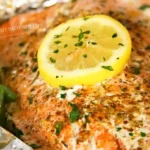
Easy Garlic Butter Salmon Foil Packets
- Total Time: 37 minutes
- Yield: 4 servings 1x
- Diet: General
Description
Garlic Butter Salmon is a simple foil packet dinner recipe that’s oven-baked for a quick & healthy dinner or made on the grill at your next backyard BBQ.
Ingredients
- 1 Open Nature Sockeye Salmon filet
- 4 cups green beans or asparagus
- ½ cup butter
- 2 tbsp minced garlic
- 2 tbsp fin and feathers seasoning
- 1 lemon cut into wheels
- parsley for garnish
Instructions
- Step: Preheat the oven or grill to 375 degrees.
- Step: Layout large pieces of foil on the counter, one for each piece you are cooking.
- Step: Divide the vegetables between all the foil sheets and place them in the center of the foil.
- Step: Cut the salmon into however many pieces you plan on making and place them on top of the vegetables on the foil.
- Step: Pull the sides of the foil up so that the ingredients are contained.
- Step: Melt the butter with the garlic and pour over the salmon pieces.
- Step: Sprinkle with seasonings and then lay the lemon slice on top of each piece.
- Step: Pull the foil together at the top and roll it tightly closed so that the steam is contained in the packet.
- Step: Place either in the oven on a baking sheet, or on the grill over indirect heat.
- Step: Cook 20-25 minutes for smaller pieces, up to 30 minutes if cooking in 2 large pieces.
- Step: Internal temp should be 120 degrees for med-rare, 130 degrees for med-well and can go up to 145 degrees.
- Step: Be sure to pull out at 5 degrees under since it will continue to cook while it rests.
Notes
You can make this with any type of fish filet or use an air fryer at 400 degrees for 12 to 14 minutes. You can also swap seasonings for teriyaki glaze or chili powder.
- Prep Time: 7 minutes
- Cook Time: 30 minutes
- Category: dinner
- Method: Baking/Grilling
- Cuisine: American
Nutrition
- Serving Size: 1 fillet with vegetables
- Calories: 480 kcal
- Sugar: 4 g
- Sodium: 520 mg
- Fat: 32 g
- Saturated Fat: 16 g
- Unsaturated Fat: 14 g
- Trans Fat: 0 g
- Carbohydrates: 12 g
- Fiber: 4 g
- Protein: 34 g
- Cholesterol: 110 mg
Keywords: garlic butter salmon, foil packet dinner, sockeye salmon, healthy dinner, grilled salmon, oven baked salmon