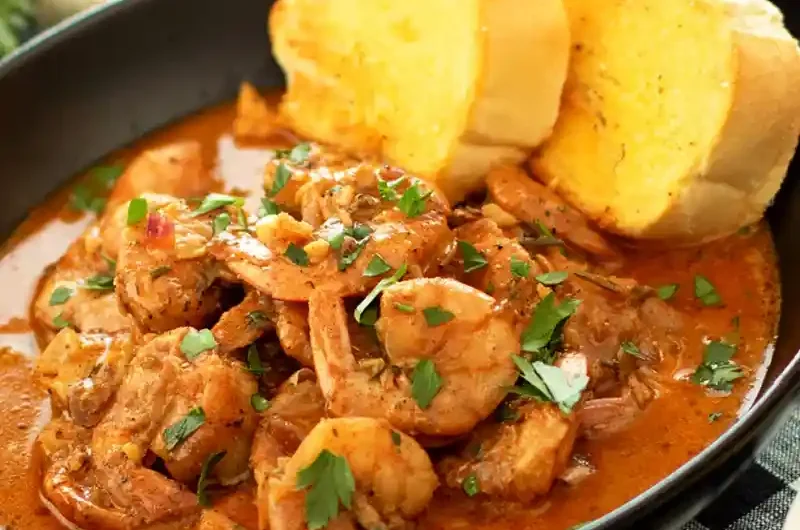
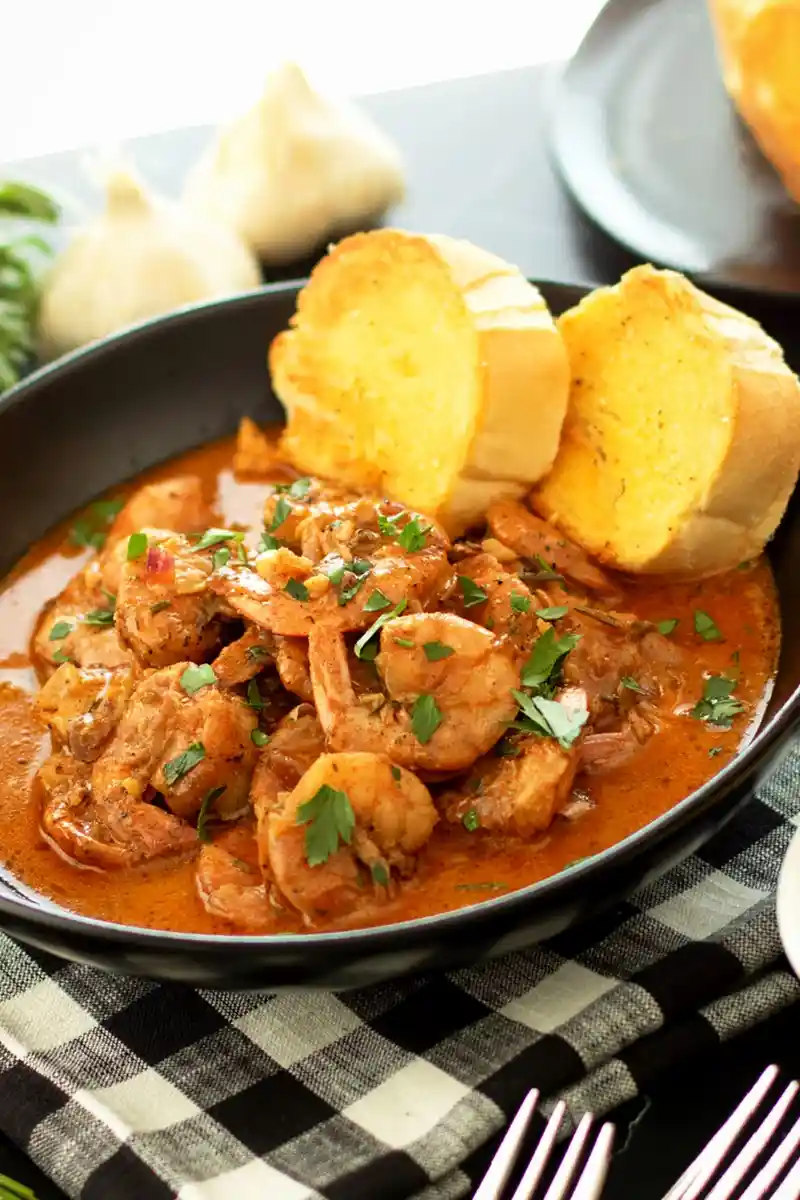
This classic New Orleans style shrimp dish combines succulent shellfish with a deeply savory, butter-based sauce that is perfect for dipping. Despite the name, this dish is prepared entirely on the stovetop and focuses on creating a rich, spiced glaze that elevates simple ingredients into a restaurant-quality meal. It serves as an impressive appetizer or a main course, provided you have plenty of crusty bread to absorb every drop of the flavorful liquid.
List of ingredients
- 1 1/2-2 lb large or jumbo shrimp, shells on, tail on, deveined
- 4 tsp Cajun or Creole seasoning, divided use
- 2 Tbsp olive oil
- 1/4 cup finely diced red onion or shallot
- 4 large garlic cloves, minced
- 1 Tbsp chopped fresh rosemary
- 1 1/2 cup seafood stock
- 1/3 cup lemon juice
- 3 Tbsp worcestershire sauce
- 1 1/2-2 Tbsp hot sauce
- 1/2 cup unsalted butter, cubed
- 1 tsp salt
- 1 tsp freshly ground black pepper
- Toasted french bread for serving
- Chopped parsley for garnishing
step-by-step instructions
- Step: Season shrimp with 2 tsp Cajun seasoning and set aside.
- Step: Preheat a large skillet over medium heat with olive oil. Add onion and garlic, sautéing for 1-2 minutes until softened. Stir in the rosemary.
- Step: Add shrimp to the pan in a single layer. Cook for 1 minute on each side until opaque. Remove shrimp from pan with a slotted spoon.
- Step: Add remaining creole seasoning, seafood stock, Worcestershire, lemon juice, hot sauce, salt, and black pepper to the pan. Cook over medium-high heat, scraping any brown bits from the bottom.
- Step: Whisk in the cubed butter until melted. Simmer for 2 minutes to reduce slightly.
- Step: Return shrimp to the pan and cook for an additional 2 minutes.
- Step: Ladle into bowls immediately and serve with toasted French bread, garnished with parsley.
Keys to Success in the Kitchen
Maintaining Proper Heat Levels
When cooking shrimp, heat management is crucial for maintaining the delicate texture. Always work with a medium to medium-high flame to ensure a quick sear that locks in moisture without drying the meat out. If your stove runs hot, keep a close watch on the butter emulsion so it does not separate or scorch during the final reduction phase.
The Role of Emulsification
Whisking the cold butter into the sauce at the end of the cooking process creates a glossy, thick consistency that clings perfectly to the shrimp. If the sauce looks too thin, whisk it vigorously for a few additional seconds to fully incorporate the fats. Ensure the butter is cubed small so it melts uniformly as you stir.
Selecting and Preparing Your Shrimp
Importance of Keeping the Shells On
Cooking with the shells intact provides a significant benefit to the final sauce, as the shells release natural oils and flavor compounds into the liquid. This results in a much deeper, more complex broth compared to using pre-peeled shrimp. While it requires a bit more effort for your guests to peel them while eating, the depth of flavor is well worth the extra step.
Handling Large or Jumbo Shrimp
Always aim for large or jumbo varieties, as smaller shrimp tend to cook through much faster and can quickly turn rubbery in a high-heat environment. If you choose to use frozen shrimp, make sure they are completely thawed and patted very dry with paper towels before adding them to the skillet. Excess water can dilute your sauce and prevent the seasonings from adhering properly.
Variations and Substitutions
Adjusting the Heat Profile
If you prefer a milder version of this dish, consider replacing the hot sauce with a sweet paprika or a pinch of smoked paprika for color without the burn. Conversely, for those who love high-heat dishes, add a teaspoon of crushed red pepper flakes during the sauté phase with the garlic. You can also offer extra hot sauce on the side so guests can customize their individual bowls.
Adapting the Aromatics
While red onion and shallot provide a classic base, you can substitute with finely sliced leeks for a milder, more delicate onion flavor. If you do not have fresh rosemary on hand, thyme is an excellent alternative that pairs beautifully with the richness of the butter and the tang of the lemon juice. Avoid using dried rosemary if possible, as the texture can be woody in such a thin sauce.
Serving and Presentation Ideas
Maximizing Bread Consumption
The sauce is arguably the highlight of this dish, so your choice of bread is vital. A crusty French baguette or an artisan sourdough loaf are ideal because their thick crusts hold up well when dipped into the hot liquid. Toast the slices lightly in the oven with a touch of butter or olive oil just before serving to add another layer of texture.
Creating a Complete Meal
To turn this appetizer into a substantial dinner, serve the shrimp and sauce over a bed of buttery white rice or angel hair pasta. Both options act as a perfect sponge for the sauce, ensuring no flavor is left behind in the bowl. A simple side salad with a bright vinaigrette provides a refreshing contrast to the richness of the buttery seafood.
Storage and Reheating Advice
Maintaining Quality in the Fridge
Leftover shrimp should be moved to an airtight container as soon as possible after cooking and stored in the coldest part of your refrigerator. It is best to consume the leftovers within 48 hours, as the delicate texture of the shrimp will degrade if stored for longer periods. Keep the sauce and shrimp together so they continue to marinate as they sit.
Reheating Without Overcooking
The biggest challenge when reheating this dish is preventing the shrimp from becoming tough. Use a small saucepan over low heat and add a tiny splash of water or broth to help steam the shrimp gently. Stir constantly and remove the pan from the heat the moment the shrimp are warmed through, as any prolonged exposure to heat will ruin the tender texture.
Common Queries Addressed
Why does the sauce sometimes separate?
Sauce separation usually occurs if the butter is added too quickly or if the heat is too high during the emulsification process. To fix this, remove the pan from the heat and whisk in a small tablespoon of cool broth or cold water while continuing to stir. This helps bring the emulsion back together into a creamy, stable consistency.
Can this dish be made ahead of time?
While it is best served immediately, you can prepare the base sauce with the aromatics and liquids earlier in the day. Keep the cooked shrimp separate until you are ready to assemble the final dish. When you are prepared to serve, heat the sauce until it is simmering, then add the shrimp for the final two-minute cooking step.
How can I ensure the shrimp are fully deveined?
Most jumbo shrimp can be purchased already deveined, but it is always good practice to inspect them. Use a small, sharp paring knife to make a shallow incision along the back of each shrimp and gently pull out the dark vein. If you prefer, many fishmongers will perform this service for you at the time of purchase to save you time during meal preparation.
Is there a substitute for the Worcestershire sauce?
If you do not have Worcestershire sauce available, you can substitute it with a mixture of soy sauce and a touch of molasses or dark brown sugar. This combination mimics the complex, salty, and slightly sweet profile that is needed to balance the lemon and the heat of the sauce. Aim for a balanced ratio to ensure it does not overpower the delicate taste of the seafood.
Print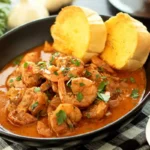
New Orleans Barbecue Shrimp
- Total Time: 20 minutes
- Yield: 4 servings 1x
- Diet: Pescatarian
Description
A classic New Orleans-style dish featuring succulent shrimp simmered in a rich, velvety, and spicy herb-infused butter sauce. Perfect for serving with crusty bread to soak up every drop of the flavorful sauce.
Ingredients
- 1 1/2–2 lb large or jumbo shrimp, shells on, tail on, deveined
- 4 tsp Cajun or Creole seasoning, divided use
- 2 Tbsp olive oil
- 1/4 cup finely diced red onion or shallot
- 4 large garlic cloves, minced
- 1 Tbsp chopped fresh rosemary
- 1 1/2 cup seafood stock
- 1/3 cup lemon juice
- 3 Tbsp worcestershire sauce
- 1 1/2–2 Tbsp hot sauce
- 1/2 cup unsalted butter, cubed
- 1 tsp salt
- 1 tsp freshly ground black pepper
- Toasted french bread for serving
- Chopped parsley for garnishing
Instructions
- Step: Season shrimp with 2 tsp Cajun seasoning and set aside.
- Step: Preheat a large skillet over medium heat with olive oil. Add onion and garlic, sautéing for 1-2 minutes until softened. Stir in the rosemary.
- Step: Add shrimp to the pan in a single layer. Cook for 1 minute on each side until opaque. Remove shrimp from pan with a slotted spoon.
- Step: Add remaining creole seasoning, seafood stock, Worcestershire, lemon juice, hot sauce, salt, and black pepper to the pan. Cook over medium-high heat, scraping any brown bits from the bottom.
- Step: Whisk in the cubed butter until melted. Simmer for 2 minutes to reduce slightly.
- Step: Return shrimp to the pan and cook for an additional 2 minutes.
- Step: Ladle into bowls immediately and serve with toasted French bread, garnished with parsley.
Notes
If desired, replace the seafood stock with chicken stock or ginger ale for a non-alcoholic alternative. Use a favorite Cajun seasoning blend, adjusting salt based on the blend’s sodium content. Shrimp can be served with shells on for added flavor or peeled beforehand.
- Prep Time: 10 minutes
- Cook Time: 10 minutes
- Category: Appetizer, Main Course
- Method: Stovetop
- Cuisine: American, Southern
Nutrition
- Serving Size: 1 serving
- Calories: 425 kcal
- Sugar: 3 g
- Sodium: 1848 mg
- Fat: 30 g
- Saturated Fat: 16 g
- Unsaturated Fat: 13 g
- Trans Fat: 0 g
- Carbohydrates: 12 g
- Fiber: 1 g
- Protein: 25 g
- Cholesterol: 275 mg
Keywords: barbecue-shrimp-recipe, new-orleans-barbecue-shrimp-recipe, shrimp, seafood, cajun, creole, dinner, appetizer