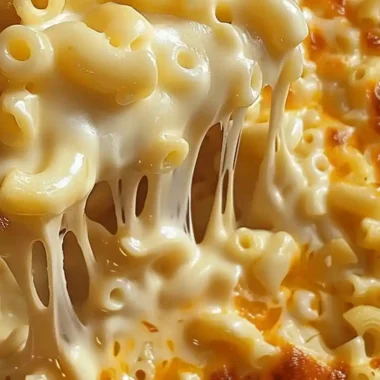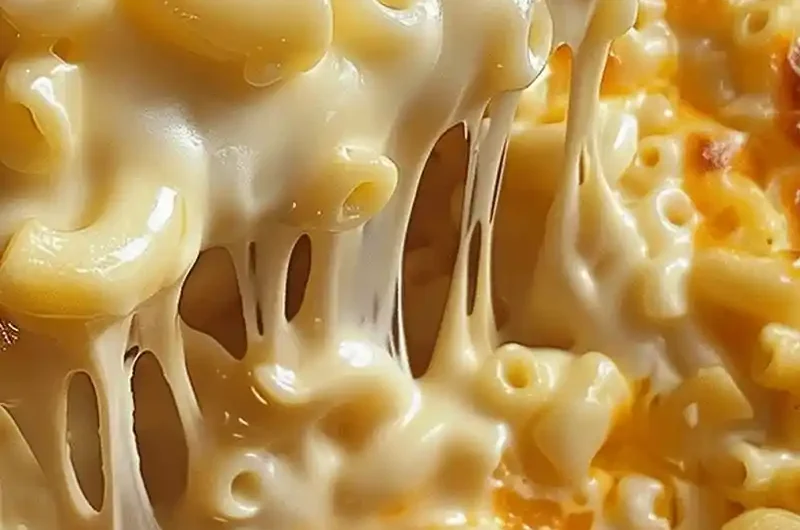
This recipe delivers a rich and creamy macaroni and cheese using a slow cooker for maximum convenience. It is an ideal family-friendly meal that requires minimal preparation and delivers consistent results.
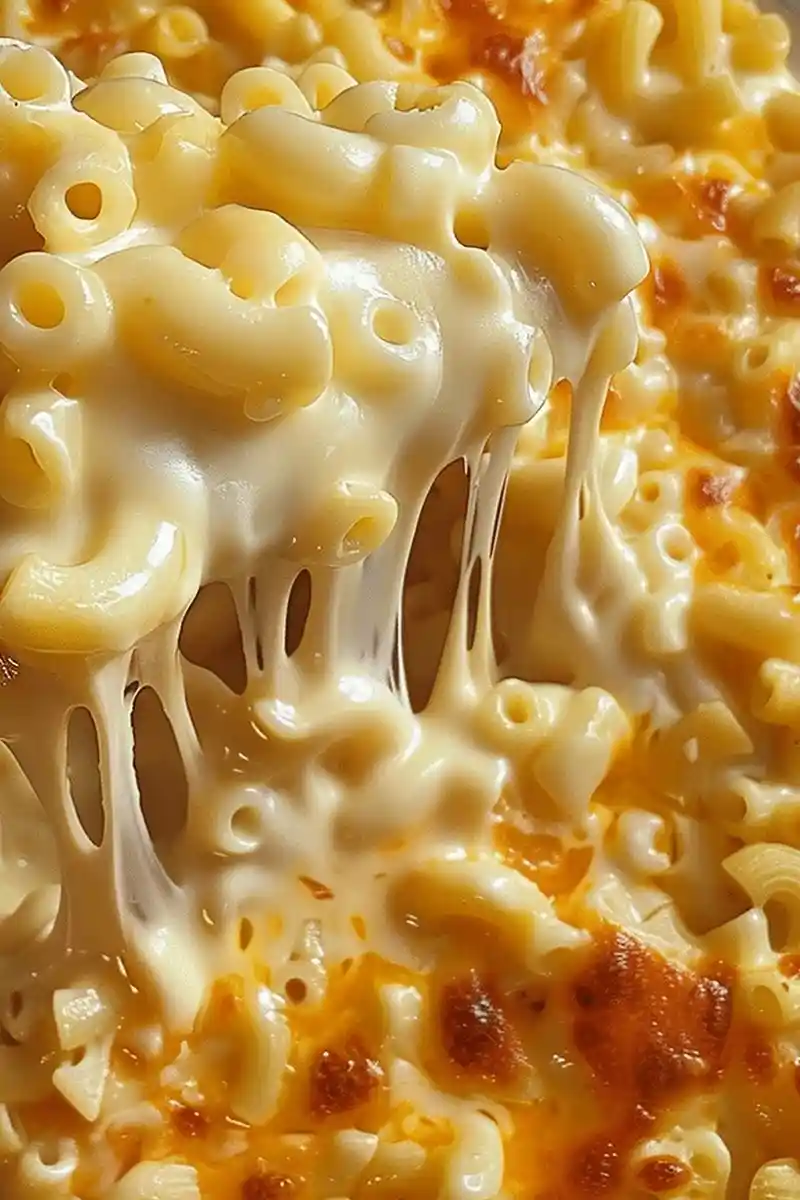
List of ingredients
- 3 cups (300g) shredded sharp cheddar cheese – provides a bold, tangy base.
- 1 cup (100g) shredded mozzarella cheese – adds a gooey, stretchy texture.
- 1 cup (100g) shredded Gruyere or Parmesan cheese – contributes a nutty and salty depth.
- 16 oz (450g) elbow macaroni, uncooked – the classic shape for holding sauce.
- 4 cups (960ml) whole milk – ensures a creamy and rich consistency.
- 1 can (12 oz) evaporated milk – helps stabilize the sauce and prevents separation.
- ½ cup (115g) unsalted butter, melted – adds silkiness and flavor.
- ½ teaspoon garlic powder – enhances the savory profile.
- ½ teaspoon onion powder – adds a subtle aromatic sweetness.
- ½ teaspoon ground mustard (optional) – provides a sharp tang to balance the richness.
- Salt and black pepper, to taste – essential for seasoning the sauce.
- Fresh parsley or chives for garnish (optional) – adds a pop of color and freshness.
step-by-step instructions
- Prep the Crockpot: Apply a thin layer of cooking spray or butter to the slow cooker surface to prevent ingredients from adhering to the sides and bottom.
- Add Pasta: Pour the uncooked macaroni directly into the slow cooker, creating an even base layer.
- Combine Liquids: Gently stir in the whole milk, evaporated milk, and melted butter, ensuring all liquid components are thoroughly blended.
- Layer the Cheese: Sprinkle the shredded cheddar, mozzarella, and Gruyere cheeses evenly across the surface and throughout the pasta.
- Season the Mixture: Add the garlic powder, onion powder, ground mustard, salt, and black pepper, then mix until all ingredients are uniformly combined.
- Slow Cook: Cover the slow cooker and set the temperature to low, allowing the dish to gently simmer.
- Prevent Clumping: Stir the mixture every 45 minutes to ensure the pasta does not clump and the cheese is distributed evenly.
- Check Tenderness: After approximately 2.5 hours of cooking, verify that the pasta is tender and the cheese has fully melted.
- Warm Setting: Once the desired consistency is reached, transition the slow cooker to the warm setting.
- Final Garnish: Optionally garnish with fresh chopped parsley or chives before serving the dish hot.
Master the Slow Cooking Process
Preventing Pasta Clumping with Regular Stirring
Stirring the macaroni and cheese every 30 to 45 minutes is critical. This movement prevents the starch from bonding the noodles together into a single mass. It also ensures that the cheese melts uniformly throughout the pot.
Managing the Low Heat Setting
Always use the low heat setting for this recipe to avoid scorching the milk. High heat can cause the dairy to curdle or the bottom of the pasta to burn. Low and slow cooking preserves the velvety texture of the cheese sauce.
Coating the Crockpot for Easy Cleanup
Greasing the interior of the slow cooker with butter or non-stick spray creates a barrier. This prevents the cheese from baking onto the ceramic walls during the long cook time. It significantly reduces the scrubbing required during cleanup.
Choosing the Best Cheese Blend
Selecting Sharp Cheddar for Depth
Sharp cheddar provides the primary flavor profile for this dish. Its high acidity cuts through the richness of the milk and butter. Using a high-quality aged cheddar results in a more complex taste.
Adding Mozzarella for a Gooey Stretch
Mozzarella is included primarily for its melting properties. While it has a milder flavor than cheddar, it provides the iconic cheese pull. This creates a luxurious mouthfeel that balances the sharper cheeses.
Using Gruyere or Parmesan for Nutty Notes
Gruyere or Parmesan adds a layer of saltiness and umami. These cheeses provide a professional, gourmet finish to the dish. They help the sauce taste more sophisticated than a standard single-cheese recipe.
Grating Your Own Cheese for Smoother Melting
Freshly grated cheese melts much more smoothly than pre-shredded varieties. Pre-shredded cheeses are coated in potato starch or cellulose to prevent clumping in the bag. This coating can make the final sauce feel slightly grainy.
Dairy and Liquid Optimization
The Role of Whole Milk in Creaminess
Whole milk provides the essential fat content needed for a thick sauce. Lower fat versions, such as skim or 1% milk, can result in a thinner, less satisfying consistency. The fat helps emulsify the cheese for a glossy finish.
Using Evaporated Milk to Prevent Separation
Evaporated milk is a concentrated dairy product that acts as a stabilizer. It prevents the cheese sauce from breaking or separating into oil and solids. This ensures the recipe remains creamy even after hours in the crockpot.
Substituting with Lactose-Free Milk
For those with dairy sensitivities, lactose-free whole milk is an excellent substitute. It maintains the same viscosity and flavor profile as regular milk. This allows the recipe to remain creamy without causing digestive discomfort.
Replacing Butter with Plant-Based Margarine
Unsalted butter is used for its rich flavor and fat content. If needed, a high-quality plant-based margarine can be used as a replacement. Ensure the substitute is melted before adding it to the slow cooker.
Flavor Enhancement Techniques
Boosting Savory Tones with Garlic and Onion Powder
Garlic and onion powders provide a foundational savoriness without adding chunks of fresh aromatics. These powders distribute evenly throughout the sauce. They enhance the natural flavors of the cheese without overpowering them.
The Tangy Influence of Ground Mustard
Ground mustard is a secret ingredient that adds a subtle sharp note. This acidity helps balance the heavy fats from the cheese and butter. It brightens the overall flavor profile of the dish.
Balancing Salt and Black Pepper
Always taste the sauce before the final warm setting to adjust seasoning. Since different cheeses have varying salt levels, adding salt gradually is important. Freshly cracked black pepper adds a slight heat and earthiness.
Incorporating Smoked Paprika for Depth
Adding a pinch of smoked paprika can introduce a woody, smoky flavor. This mimics the taste of traditional smoked cheeses or grilled elements. It is a great way to add complexity with a single ingredient.
Ingredient Variations and Substitutions
Using Gluten-Free Macaroni
Gluten-free pasta can be used to accommodate wheat sensitivities. Be mindful that gluten-free noodles often cook faster or slower than wheat pasta. Check the tenderness more frequently after the two-hour mark.
Adding Broccoli or Spinach for Nutrition
Diced broccoli or fresh spinach can be stirred in during the last 30 minutes of cooking. These vegetables add color and essential nutrients to the meal. They steam perfectly in the residual heat of the cheese sauce.
Mixing in Cooked Chicken for Protein
Adding shredded cooked chicken transforms this side dish into a full meal. Mix the protein in just before serving to ensure the meat stays tender. This increases the satiety of the dish for dinner.
Creating a Vegan-Friendly Version
Replace all dairy with plant-based alternatives like oat milk and vegan cheese shreds. Use coconut oil or vegan butter for the fat component. Ensure the vegan cheese is a high-melt variety for the best results.
Serving and Pairing Ideas
Pairing with Steamed Green Vegetables
Steamed broccoli or sautéed kale provides a fresh contrast to the rich cheese. The bitterness of green vegetables cuts through the creaminess. This creates a more balanced and healthy plate.
Serving Alongside Roasted Chicken
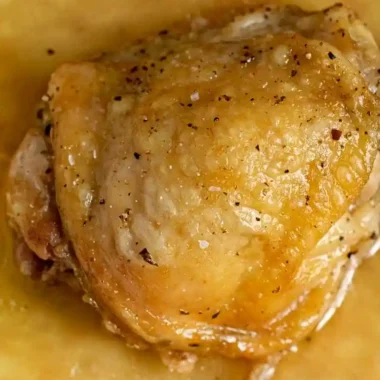
A simple roasted chicken breast or thigh complements the flavors of the macaroni. The savory juices from the meat pair well with the sharp cheddar. This is a classic comfort food combination.
Complementing with a Fresh Garden Salad
A crisp salad with a lemon-based vinaigrette is the perfect accompaniment. The acidity of the dressing cleanses the palate between bites of cheesy pasta. Use mixed greens, cucumbers, and cherry tomatoes.
Choosing Non-Alcoholic Beverage Pairings
Sparkling apple cider or a chilled iced tea provides a refreshing beverage option. The sweetness of cider or the tannins in tea balance the heavy richness of the cheese. Sparkling water with a twist of lime is also an excellent choice.
Proper Storage and Reheating
Refrigerating Leftovers Safely
Store leftover macaroni and cheese in an airtight container within two hours of cooking. Keep it in the coldest part of the refrigerator. It will remain fresh and safe to eat for 3 to 4 days.
Freezing Mac and Cheese for Later
Transfer cooled portions into freezer-safe bags or containers. Remove as much air as possible to prevent freezer burn. The dish can be stored in the freezer for up to two months.
Reheating on the Stovetop with Milk
For the best texture, reheat leftovers in a saucepan over medium-low heat. Add a splash of milk to restore the creamy consistency. Stir frequently to prevent the cheese from scorching on the bottom.
Microwave Reheating Tips for Creaminess
Heat individual portions in 30-second intervals. Stir the pasta between each heating cycle to ensure an even temperature. Add a teaspoon of milk or cream to prevent the sauce from drying out.
Troubleshooting Common Problems
Fixing a Grainy Cheese Sauce
Graininess usually occurs if the cheese was added to boiling liquid or if pre-shredded cheese was used. To fix this, stir in a tablespoon of warm milk and whisk vigorously. Maintaining a low temperature is key to preventing this.
Avoiding Overcooked Mushy Pasta
Overcooking happens when the pasta stays in the slow cooker too long. Start checking the noodles at the two-hour mark. Once they are al dente, switch the machine to the warm setting immediately.
Resolving Dry or Clumpy Noodles
Dryness is often a result of not using enough liquid or failing to stir. If the dish looks dry, stir in extra whole milk until the desired creaminess returns. Regular stirring prevents the noodles from clumping.
Adjusting a Sauce That Is Too Thick
If the sauce is too thick after cooking, gently stir in evaporated milk. This will thin the sauce while maintaining the rich flavor. Add the liquid one tablespoon at a time until the consistency is smooth.
Frequently Asked Questions
Can I use pre-shredded cheese?
Yes, you can use pre-shredded cheese for convenience. However, it may result in a slightly grainier sauce due to the anti-clumping agents used in the packaging. Freshly grating your own cheese is recommended for maximum smoothness.
Can I cook this on high heat?
It is not recommended to cook this recipe on high heat. High temperatures can cause the milk to curdle and the cheese to separate. The low setting ensures the pasta cooks evenly and the sauce stays creamy.
Which pasta shapes work best?
Elbow macaroni is the traditional choice because its shape captures the cheese sauce perfectly. Shells or fusilli are also great alternatives. Avoid very thin pastas like spaghetti, as they may overcook quickly in a slow cooker.
Can I add the cheese at the end?
While you can add cheese at the end, adding it at the start allows the flavors to meld. It creates a more integrated sauce that clings to the pasta. If you prefer a very gooey top, save a handful of cheese to sprinkle on at the end.
Print
Creamy Slow Cooker Macaroni and Cheese
- Total Time: 3 hours 10 minutes
- Yield: 8 servings 1x
- Diet: General
Description
Cheesy mac & cheese crockpot magic delivers pure comfort straight from slow-cooking heaven. Creamy, rich layers of pasta and melted cheese promise a delightful meal you’ll crave again and again.
Ingredients
- 3 cups (300g) shredded sharp cheddar cheese
- 1 cup (100g) shredded mozzarella cheese
- 1 cup (100g) shredded Gruyere or Parmesan cheese
- 16 oz (450g) elbow macaroni, uncooked
- 4 cups (960ml) whole milk
- 1 can (12 oz) evaporated milk
- ½ cup (115g) unsalted butter, melted
- ½ teaspoon garlic powder
- ½ teaspoon onion powder
- ½ teaspoon ground mustard
- Salt and black pepper, to taste
- Fresh parsley or chives for garnish
Instructions
- Step: Prepare the slow cooker surface by applying a thin layer of cooking spray or butter to prevent ingredients from adhering to the sides and bottom.
- Step: Pour uncooked macaroni directly into the slow cooker, creating an even base layer for the creamy mixture.
- Step: Gently incorporate whole milk, evaporated milk, and melted butter, ensuring thorough blending of liquid components.
- Step: Sprinkle shredded cheddar, mozzarella, and Gruyere cheeses evenly across the surface, distributing them throughout the pasta.
- Step: Enhance flavor profile by adding garlic powder, onion powder, ground mustard, salt, and black pepper, mixing all ingredients until uniformly combined.
- Step: Cover the slow cooker and set temperature to low, allowing the dish to gently simmer and develop rich, creamy textures.
- Step: Stir the mixture every 45 minutes to prevent pasta from clumping and ensure consistent cheese distribution.
- Step: Verify pasta tenderness and cheese melting after approximately 2.5 hours of cooking.
- Step: Transition slow cooker to warm setting once pasta reaches desired consistency and cheese becomes fully incorporated.
- Step: Optionally garnish with fresh chopped parsley or chives to add a bright, herbaceous finish before serving hot and creamy.
Notes
Stir every 30-45 minutes to prevent pasta from clumping. For a lactose-free adaptation, substitute whole milk with almond or oat milk and use dairy-free cheese alternatives. You can add breadcrumbs or crushed crackers during the last 30 minutes of cooking for a crunchy topping.
- Prep Time: 10 minutes
- Cook Time: 3 hours
- Category: Dinner
- Method: Slow Cooking
- Cuisine: American
Nutrition
- Serving Size: 1 serving
- Calories: 624 kcal
- Sugar: 6 g
- Sodium: 700 mg
- Fat: 34 g
- Saturated Fat: 21 g
- Unsaturated Fat: 10 g
- Trans Fat: 0 g
- Carbohydrates: 54 g
- Fiber: 2 g
- Protein: 25 g
- Cholesterol: 97 mg
Keywords: mac and cheese, crockpot, slow cooker, creamy pasta, comfort food, family dinner