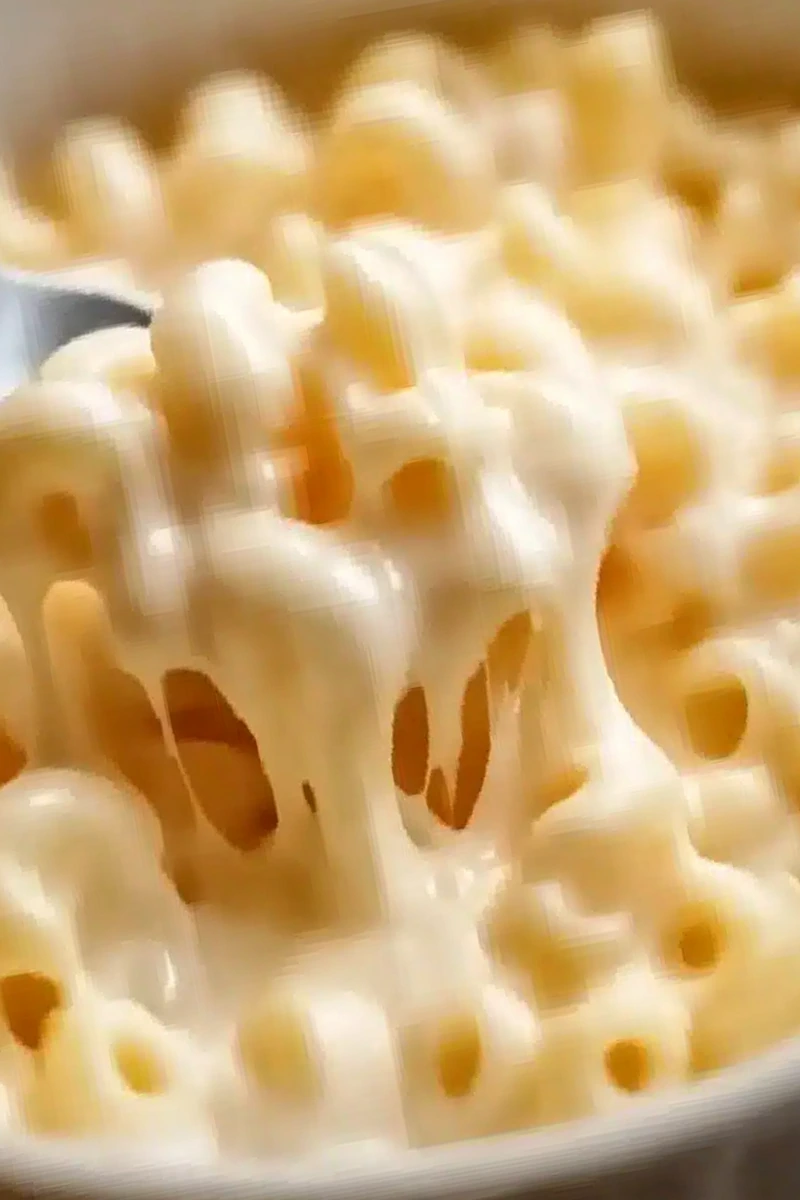
Experience the ultimate comfort food with this luxurious, velvety macaroni and cheese that features a secret twist. By incorporating cream cheese into a traditional white cheddar base, you achieve an unparalleled level of smoothness that elevates this dish far beyond the standard boxed versions. This recipe is designed to be the centerpiece of a cozy weeknight dinner, providing warmth and satisfaction in every single bite.
List of ingredients
- 8 oz Elbow Macaroni
- 4 tbsp Unsalted Butter
- 1/4 cup All-Purpose Flour
- 2 cups Whole Milk
- 8 oz Cream Cheese
- 2 cups Shredded White Cheddar
- Sea Salt, to taste
- Fresh Ground Black Pepper, to taste
- 1 cup Breadcrumbs
- 1/4 cup Chopped Parsley
- Paprika, to taste
step-by-step instructions
- Step: Cook the elbow macaroni in salted boiling water until al dente, then drain and set aside.
- Step: Melt unsalted butter in a medium saucepan, then whisk in flour to create a roux.
- Step: Gradually add warm milk to the roux, whisking until smooth and thickened.
- Step: Stir in cream cheese and gradually add shredded white cheddar until melted.
- Step: Season the cheese sauce with salt and pepper, then fold in the cooked macaroni.
- Step: Allow the dish to rest off the heat for 5 minutes to let flavors meld.
- Step: Serve warm, topped with optional ingredients like breadcrumbs, parsley, or paprika.
Refining the Preparation
Achieving a Consistent Roux
The key to a professional-grade cheese sauce is starting with a well-cooked roux. By cooking the butter and flour together for at least two minutes, you remove the raw flour taste and establish a stable foundation that prevents the sauce from thinning out later during the heating process.
Managing Temperature for Smooth Melting
Avoid high heat when incorporating your cheeses, as intense temperatures can cause the proteins to seize and lead to a grainy texture. Keep the heat at a steady, low-medium setting and whisk constantly, which helps maintain the emulsion of the fat and protein for that signature creamy finish.
Allowing for Proper Absorption
The resting period after combining the pasta and sauce is not just a wait time but an active step in the recipe. During these five minutes, the starches in the pasta interact with the liquid in the sauce, resulting in a cohesive dish where the sauce clings to the noodles rather than pooling at the bottom of the bowl.
Customization and Flavor Adjustments
Exploring Different Cheese Blends
While white cheddar offers a classic sharp profile, you can swap half of it for Gruyère or Havarti to introduce nuttier or buttery notes. Ensure all cheeses are shredded by hand from a block, as pre-shredded varieties contain anti-caking agents that can interfere with how smoothly the sauce melts.
Adding Nutritional Depth
For those looking to include more vegetables, steaming fresh broccoli florets or finely diced spinach can be folded in during the final step. These additions provide a pop of color and a lighter texture that helps offset the intensity of the cheese, making the meal feel slightly more balanced.
Texture Variations with Toppings
If you prefer a crusty top, transfer the combined mixture into a baking dish, sprinkle with a mixture of breadcrumbs and melted butter, and broil for 2 to 3 minutes. Watch it closely to ensure the breadcrumbs reach a golden brown color without burning, which adds a distinct crunch that makes the dish feel like a baked casserole.
Management of Leftovers
Storing and Cooling
Always allow the mac and cheese to cool to room temperature before placing it in the refrigerator to prevent condensation inside the container. Seal it in an airtight container to prevent the pasta from absorbing odors from other items in your fridge, keeping it fresh for up to three days.
Restoring Creaminess During Reheating
Because the starch in the pasta will continue to soak up the sauce as it sits, leftovers might appear slightly thicker the next day. When reheating on the stovetop, add a small splash of milk or a tiny knob of butter, stirring frequently until the sauce regains its original silky consistency without splitting.
Freezing Guidelines
This dish can be frozen successfully for up to two months when stored in heavy-duty, freezer-safe bags or containers. To protect the quality of the sauce, press a piece of plastic wrap directly onto the surface of the mac and cheese before sealing the container to minimize ice crystal formation.
Common Queries Addressed
How can I make this dish suitable for those with gluten sensitivities?
You can successfully replace the all-purpose flour in the roux with a high-quality gluten-free all-purpose flour blend. These blends typically act similarly to wheat flour when cooked with butter, providing the necessary thickening power while maintaining the flavor profile of the sauce.
Why did my cheese sauce become oily?
An oily sauce usually occurs if the heat was too high during the melting phase or if the cheese was of a low-fat variety. To correct this, remove the sauce from the heat immediately, whisk in a tablespoon of cold milk or a spoonful of heavy cream to help re-emulsify the sauce until the oil incorporates back into the liquid.
Is it possible to prepare this dish in a slow cooker?
While this recipe is optimized for stovetop preparation to ensure the roux is perfectly browned, you can adapt it by finishing the sauce on the stove and then transferring everything to a slow cooker on the lowest setting. Add a little extra milk to ensure it stays moist during the duration of your party or gathering.
Can I use low-fat milk instead of whole milk?
You can substitute lower-fat milk, but be aware that the sauce will be thinner and less luxurious. If you do use lower-fat milk, you may need to cook the roux for an extra minute and reduce the simmering time to account for the lower fat content which usually helps stabilize the sauce.
What is the benefit of grating my own cheese?
Grating your own cheese is highly recommended because it ensures the cheese melts evenly and creates a smoother sauce. Factory-shredded cheese is coated in cellulose or potato starch to keep the shreds separated, which creates a powdery texture when melted into a delicate sauce like this one.
Print
Creamy Joanna Gaines Mac And Cheese With Cream Cheese Delight
- Total Time: 40 minutes
- Yield: 4 servings 1x
- Diet: Vegetarian
Description
Indulge in this creamy mac and cheese with cream cheese, a nostalgic twist on a beloved classic comfort dish.
Ingredients
- 8 oz Elbow Macaroni
- 4 tbsp Unsalted Butter
- 1/4 cup All-Purpose Flour
- 2 cups Whole Milk
- 8 oz Cream Cheese
- 2 cups Shredded White Cheddar
- Sea Salt, to taste
- Fresh Ground Black Pepper, to taste
- 1 cup Breadcrumbs
- 1/4 cup Chopped Parsley
- Paprika, to taste
Instructions
- Step: Cook the elbow macaroni in salted boiling water until al dente, then drain and set aside.
- Step: Melt unsalted butter in a medium saucepan, then whisk in flour to create a roux.
- Step: Gradually add warm milk to the roux, whisking until smooth and thickened.
- Step: Stir in cream cheese and gradually add shredded white cheddar until melted.
- Step: Season the cheese sauce with salt and pepper, then fold in the cooked macaroni.
- Step: Allow the dish to rest off the heat for 5 minutes to let flavors meld.
- Step: Serve warm, topped with optional ingredients like breadcrumbs, parsley, or paprika.
Notes
Customize with roasted vegetables for added flavor.
- Prep Time: 15 minutes
- Cook Time: 20 minutes
- Category: Casserole
- Method: Stovetop
- Cuisine: American
Nutrition
- Serving Size: 1 serving
- Calories: 500 kcal
- Sugar: 4 g
- Sodium: 700 mg
- Fat: 30 g
- Saturated Fat: 15 g
- Unsaturated Fat: 13 g
- Trans Fat: 0 g
- Carbohydrates: 45 g
- Fiber: 2 g
- Protein: 20 g
- Cholesterol: 80 mg
Keywords: mac and cheese, cream cheese, comfort food, casserole, dinner