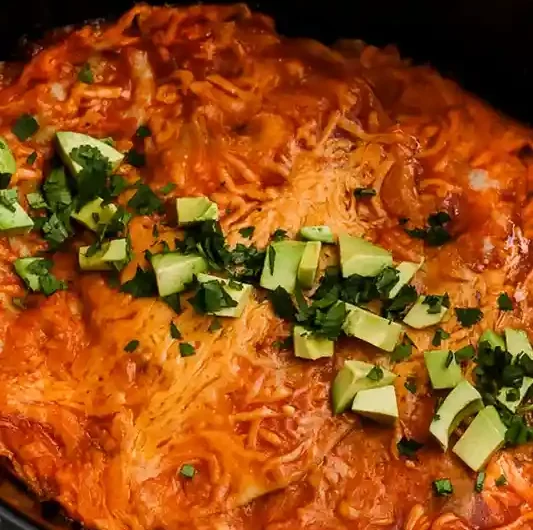
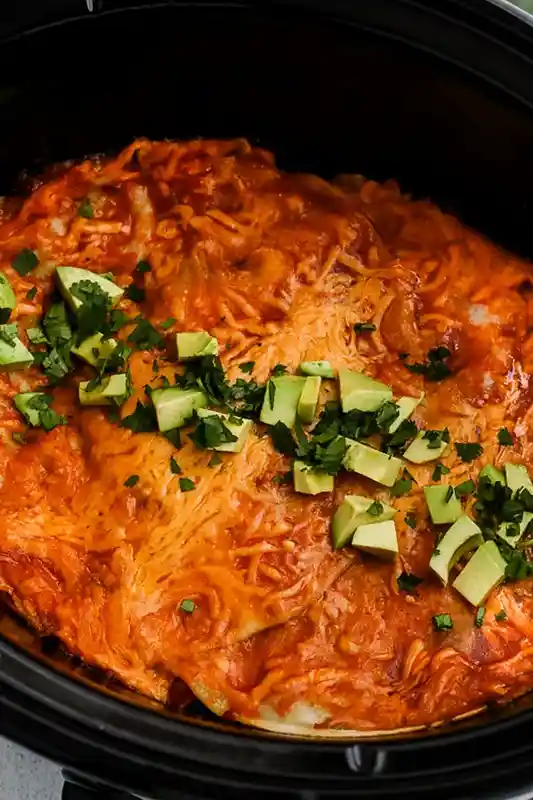
This slow cooker enchilada casserole is a hearty, vegetarian-friendly dinner option that relies on pantry staples like black beans and corn for texture and flavor. By layering tortillas with savory sauce and cheese, you create a satisfying meal that requires minimal active prep time and effort.
List of ingredients
- 6-9 corn tortillas
- 1 14oz can black beans, drained and rinsed
- 1 14oz can corn, drained
- 1 tablespoon taco seasoning
- 1 10oz can diced tomatoes with green chilies, drained
- 1 10oz can mild enchilada sauce, divided
- 2 cups shredded cheddar cheese, divided
step-by-step instructions
- Step: Spray the slow cooker with nonstick spray.
- Step: Mix the beans, corn, taco seasoning, diced tomatoes, and half of the enchilada sauce in a bowl.
- Step: Add two tortillas to the bottom of the slow cooker, tearing them if necessary to cover the surface.
- Step: Top with half of the black bean and corn mixture.
- Step: Add half of the cheese, then repeat the layers starting with tortillas, the remaining filling, and finally the remaining enchilada sauce and cheese.
- Step: Cook on high for 2 to 2 1/2 hours or until the cheese is melted.
Essential Preparation and Cooking Tips
Managing Moisture Levels
One common challenge with slow cooker casseroles is excess liquid accumulating at the bottom of the vessel. Since canned beans, corn, and tomatoes contain natural moisture, it is critical to drain these ingredients thoroughly using a colander before mixing them. If you prefer a firmer texture, you can even press down on the canned ingredients in the colander to ensure all residual water is removed. This small step prevents the tortillas from becoming overly mushy or soggy during the long cooking process.
Selecting the Right Tortillas
Corn tortillas are the superior choice for this specific recipe because they hold their integrity better when soaked in savory sauce. Unlike flour tortillas, which can become quite doughy or disintegrate into a paste under high-heat, moisture-heavy conditions, corn tortillas maintain a distinct bite. If you must use flour tortillas, try to lightly toast them in a dry skillet for thirty seconds per side before assembling the casserole to help them stay firm.
Achieving Even Heat Distribution
Depending on the shape and size of your slow cooker, heat can sometimes circulate unevenly. Using an oval-shaped cooker is ideal for spreading layers horizontally, whereas a small, tall circular cooker will result in a much deeper, thicker stack. If you notice the edges of your casserole are browning or bubbling faster than the center, consider rotating the inner ceramic insert halfway through the cooking time. Always ensure the lid remains tightly closed, as lifting it releases trapped steam and significantly extends the cooking time required to melt the cheese.
Customizing Your Casserole
Adding Fresh Vegetables
To increase the nutritional profile of this meal, feel free to incorporate extra vegetables such as diced bell peppers or zucchini. These should be sautéed in a pan for five minutes before being added to the black bean mixture to ensure they release their excess water before hitting the slow cooker. Incorporating finely diced red onions or roasted poblano peppers can also provide a deeper, more complex flavor profile that complements the mild enchilada sauce perfectly.
Protein Enhancements
While the base of this recipe is vegetarian, you can easily adapt it for those who prefer more density. Consider adding cooked quinoa or brown rice to the bean mixture to introduce a heartier texture. Another excellent addition is firm, pressed tofu cut into small cubes, which absorbs the enchilada sauce and mimics the mouthfeel of meat perfectly. If you choose to add grains, ensure they are pre-cooked, as the short 2.5-hour cook time in the slow cooker will not be sufficient to soften raw grains properly.
Experimenting with Cheese Varieties
While shredded cheddar is a reliable choice for its excellent melting properties, you can elevate the dish by mixing in a blend of Monterey Jack or Pepper Jack for a gentle heat. If you enjoy a more authentic flavor profile, consider adding a sprinkle of Queso Fresco after the casserole has finished cooking. The subtle tanginess and slightly crumbly texture of fresh cheese provide a wonderful contrast to the melted, gooey layer on top.
Serving and Presentation Strategies
Creative Topping Options
The final dish is a canvas for various fresh toppings that add a bright finish to the rich, savory layers. A dollop of cool sour cream or plain Greek yogurt is highly recommended to cut through the saltiness of the enchilada sauce. Freshly chopped cilantro and diced white onions provide a necessary herbal crispness, while sliced radishes or pickled jalapeños offer a crunch and a sharp heat that wakes up the palate. For those who enjoy extra creaminess, diced avocado or a generous spoonful of homemade guacamole served on the side adds a luxurious touch.
Pairing Suggestions
To build a complete, balanced meal, serve your enchilada casserole alongside a crisp, zesty salad. A simple combination of shredded romaine, lime juice, and a pinch of chili powder acts as a palate cleanser against the dense layers of the casserole. For a larger feast, consider a side of lime-scented cabbage slaw, which provides a refreshing contrast in both temperature and texture. If you are serving a crowd, a bowl of light, broth-based soup or a side of spiced roasted sweet potatoes can round out the dinner beautifully without overwhelming the main dish.
Maintenance and Storage Information
Safe Storage Techniques
If you have leftovers, allow the casserole to cool down to room temperature for no more than two hours before transferring it to an airtight container. Because the tortillas continue to absorb moisture as they sit, the leftovers are best consumed within three days. Always keep the container stored in the coldest part of your refrigerator to maintain food safety and flavor quality. If you notice a significant amount of excess liquid at the bottom of the container, you can drain this before reheating to keep the serving clean.
Best Practices for Reheating
The microwave is the fastest method for reheating individual portions, but the oven provides the best texture. If using the microwave, cover your plate with a damp paper towel to prevent the tortillas from drying out, heating in 60-second intervals. For a more professional result, place the desired portion in an oven-safe dish, cover it with foil, and heat at 350 degrees Fahrenheit for approximately 15 to 20 minutes. This method ensures that the cheese is re-melted and the center is heated through without the uneven spots often caused by microwave cooking.
Addressing Troubleshooting Issues
Why is my casserole too watery?
Watery results are almost always caused by failing to drain the canned ingredients, such as the black beans, corn, and tomatoes. Even when recipes do not explicitly warn you, liquid inside these cans is largely water and starch, which creates a thin, pooling base in the slow cooker. Always take the time to rinse and drain these items well. Additionally, avoid adding extra liquids like broth unless specifically called for in the recipe, as the moisture released by the vegetables is sufficient for steaming the tortillas.
What should I do if the tortillas are tough?
If the edges of the tortillas appear hard or tough, it means they have been exposed to too much direct heat or were not covered well by the sauce. To correct this, ensure that you are spreading the enchilada sauce all the way to the edges of the ceramic insert. Furthermore, ensure the lid fits securely, as a poor seal will allow steam to escape and cause the upper layers to dry out. If you anticipate a drier cook, you can brush a small amount of vegetable broth over the top layer of tortillas before adding the final round of cheese.
Can I assemble this ahead of time?
You can certainly assemble the layers in the ceramic insert of your slow cooker several hours in advance, but it is best to store the insert in the refrigerator until you are ready to cook. Avoid assembling it the night before, as the tortillas will break down and become mushy if they sit in the liquid for too long. When moving from the refrigerator to the slow cooker base, add an extra 30 minutes to the total cooking time to account for the chilled temperature of the ingredients.
Print
Slow Cooker Enchilada Casserole
- Total Time: 160 minutes
- Yield: 6 servings 1x
- Diet: Vegetarian
Description
This slow cooker enchilada casserole is made with black beans and corn for a hearty, vegetarian dinner. You can assemble this recipe in just a few minutes, so this tasty meal is incredibly easy!
Ingredients
- 6–9 corn tortillas
- 1 14oz can black beans, drained and rinsed
- 1 14oz can corn, drained
- 1 tablespoon taco seasoning
- 1 10oz can diced tomatoes with green chilies, drained
- 1 10oz can mild enchilada sauce, divided
- 2 cups shredded cheddar cheese, divided
Instructions
- Step: Spray the slow cooker with nonstick spray.
- Step: Mix the beans, corn, taco seasoning, diced tomatoes, and half of the enchilada sauce in a bowl.
- Step: Add two tortillas to the bottom of the slow cooker, tearing them if necessary to cover the surface.
- Step: Top with half of the black bean and corn mixture.
- Step: Add half of the cheese, then repeat the layers starting with tortillas, the remaining filling, and finally the remaining enchilada sauce and cheese.
- Step: Cook on high for 2 to 2 1/2 hours or until the cheese is melted.
Notes
To lower the sodium, use a salt-free taco seasoning. Leftovers can be stored in an airtight container in the fridge for up to 3 days.
- Prep Time: 10 minutes
- Cook Time: 150 minutes
- Category: Dinner
- Method: Slow Cooker
- Cuisine: Mexican
Nutrition
- Serving Size: 1 serving
- Calories: 320 kcal
- Sugar: 4 g
- Sodium: 750 mg
- Fat: 12 g
- Saturated Fat: 6 g
- Unsaturated Fat: 5 g
- Trans Fat: 0 g
- Carbohydrates: 40 g
- Fiber: 8 g
- Protein: 14 g
- Cholesterol: 30 mg
Keywords: enchilada casserole, vegetarian, slow cooker, mexican, dinner