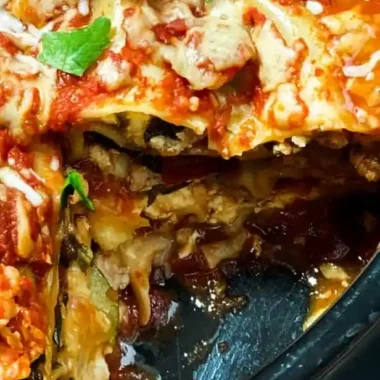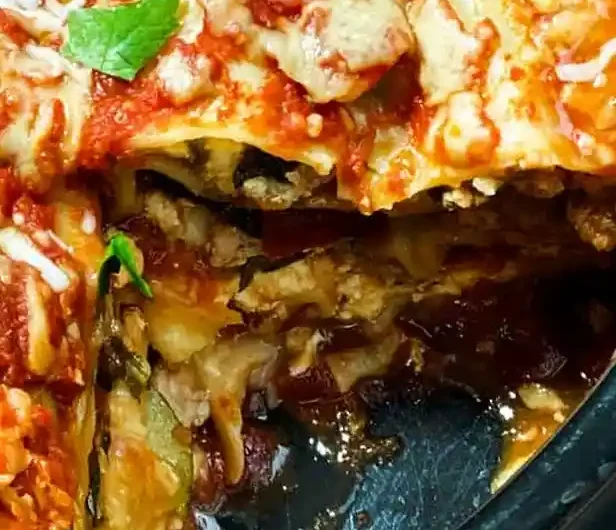
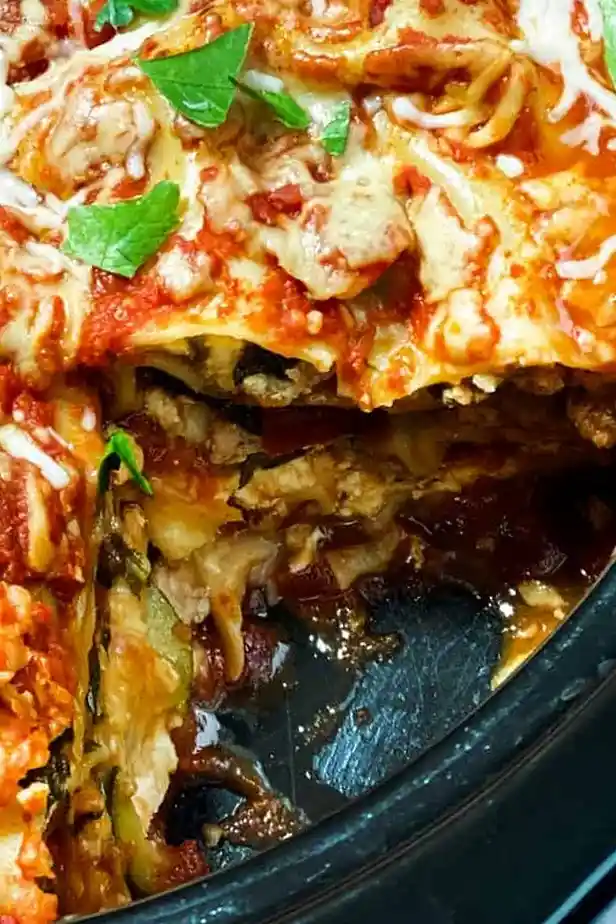
This slow cooker lasagna is a convenient way to prepare a hearty Italian meal without the hassle of boiling noodles. It combines layers of melted cheese, savory meat, and fresh vegetables for a satisfying family dinner. This method ensures the pasta remains tender while the flavors meld together over several hours.
List of ingredients
- 1 pound ground beef, ground turkey, or beef-based Italian sausage – provides the savory protein base.
- 1 onion, chopped – adds aromatic sweetness.
- 2 24-ounce jars of Italian pasta sauce – the primary flavor and moisture source.
- 16 uncooked no-boil lasagna noodles – eliminates the need for pre-boiling.
- 32 ounces part-skim ricotta cheese – creates a creamy, rich layer.
- 2 cloves garlic, minced – enhances the Italian flavor profile.
- 2 cups shredded Mozzarella cheese – for the gooey, melted top and layers.
- 1/2 cup grated Parmesan cheese – adds a salty, sharp finish.
- 2 cups chopped fresh baby spinach – adds color and nutrients.
- 1 zucchini, thinly sliced – introduces a light, garden-fresh taste.
- 1/4 cup finely-chopped fresh basil – provides a fragrant, herbal garnish.
step-by-step instructions
- Brown the aromatics: In a large skillet over medium heat, cook the ground meat, chopped onions, and minced garlic until the meat is fully browned. Set the mixture aside.
- Prepare the vegetables: While the meat is cooking, chop the baby spinach and thinly slice the zucchini into rounds.
- Prep the slow cooker: Spray the interior of the slow cooker insert with cooking spray to prevent sticking. Spread 1 1/2 cups of the pasta sauce evenly across the bottom.
- Build the first layer: Lay 4 lasagna noodles over the sauce, breaking them into smaller pieces if necessary to fit the insert perfectly. Spread 1/3 of the ricotta cheese in dollops and smooth it with a spatula. Sprinkle 1/3 of the Mozzarella and Parmesan cheese evenly over the ricotta.
- Add the fillings: Spread 1/3 of the browned meat mixture over the cheese. Follow this with 1/3 of the chopped spinach and 1/3 of the sliced zucchini. Top this layer with 1/3 of the remaining pasta sauce.
- Repeat the process: Repeat the previous steps of layering noodles, ricotta, Mozzarella, Parmesan, meat, spinach, zucchini, and sauce two more times for a total of three full layers.
- Create the final top: Place a final layer of noodles on top. Cover these noodles with the remaining pasta sauce and a final sprinkling of Mozzarella cheese.
- Cook: Place the lid on the slow cooker. Cook on high for 3 to 4 hours or on low for 6 to 8 hours, or until the noodles are tender.
- Garnish and rest: Turn off the slow cooker and sprinkle the top with additional Parmesan and chopped fresh basil. Let the lasagna sit for 5 to 10 minutes before slicing to allow the layers to set.
Protein Selection and Alternatives
Using Ground Turkey for Leaner Results
Ground turkey is an excellent substitute for beef if you prefer a leaner meal. It maintains a similar texture and absorbs the Italian seasonings from the sauce and garlic perfectly. Ensure you brown it thoroughly to develop a deep flavor.
Selecting Beef-Based Italian Sausage
For a more robust and spicy flavor, use a beef or turkey-based Italian sausage. This adds traditional fennel and pepper notes without using pork products. Brown the sausage as you would the ground beef to render the fat.
Substituting with Plant-Based Proteins
You can replace the meat with cooked brown lentils or a plant-based ground crumble. Lentils provide a hearty texture and additional fiber. If using a substitute, ensure it is seasoned well with salt and pepper before adding it to the layers.
Vegetable Customizations
Incorporating Sautéed Mushrooms
Sautéed mushrooms add an earthy, umami depth to the lasagna. Cook sliced mushrooms in a skillet until their moisture has evaporated before layering them. This prevents the final dish from becoming too watery.
Using Roasted Eggplant Layers
Thinly sliced eggplant can be used as a replacement for zucchini or as an addition. For the best results, lightly roast the eggplant slices in the oven first. This removes excess water and intensifies the flavor.
Adding Diced Bell Peppers
Finely diced red or yellow bell peppers add a subtle sweetness and vibrant color. Mix them directly into the meat sauce or layer them with the spinach. They provide a nice textural contrast to the soft noodles.
Adding Grated Carrots for Nutrients
Grated carrots are a great way to sneak extra vegetables into the meal. Stir them into the meat and onion mixture while browning. They melt into the sauce, providing natural sweetness and extra vitamins.
Cheese and Creamy Layer Tips
Substituting Ricotta with Cottage Cheese
If ricotta is unavailable, small-curd cottage cheese is a viable alternative. For a smoother consistency, pulse the cottage cheese in a blender or food processor until creamy. It offers a similar tang and higher protein content.
Using Provolone for Enhanced Melt
Mixing shredded provolone with the mozzarella creates a stretchier, more flavorful cheese pull. Provolone adds a slightly sharper taste that complements the acidity of the tomato sauce. Use a 50/50 ratio for the best balance.
Adding Gruyere for Nutty Notes
Gruyere is a sophisticated choice that pairs exceptionally well with the spinach and zucchini. Its nutty profile elevates the overall dish. Use it in the middle layers for a surprising burst of flavor.
Ensuring the Use of Microbial Rennet
When selecting cheeses like Parmesan or Mozzarella, check the labels for microbial rennet. This ensures the cheese is produced without animal-derived rennet. Most modern commercial cheeses use this plant-based or microbial alternative.
Mastering the Pasta Layers
Handling No-Boil Noodles Correctly
No-boil noodles are designed to cook in the moisture of the sauce. It is important to ensure they are completely covered by sauce or cheese. Any exposed edges may remain hard or become overly brittle during the slow cooking process.
Preventing Noodle Clumping
Avoid overcrowding the noodles in one spot. Break them strategically to fit the contours of your slow cooker insert. Distributing the sauce evenly over each layer prevents the noodles from sticking together in a dense block.
Managing Moisture Levels
The balance of sauce to pasta is critical in a slow cooker. If you use a very thick sauce, you may need to add a small amount of water or vegetable broth. This ensures the no-boil noodles have enough liquid to hydrate fully.
Slow Cooker Settings and Timing
High Heat versus Low Heat
The high setting is ideal for those who need dinner ready in 3 to 4 hours. However, the low setting (6 to 8 hours) often produces a more tender result. Slow cooking on low allows the flavors to penetrate the noodles more deeply.
Testing for Noodle Doneness
To check if the lasagna is ready, insert a knife or fork into the center of the pot. The noodles should offer little to no resistance. If they still feel firm, continue cooking for another 30 to 60 minutes.
The Importance of the Resting Period
Letting the lasagna rest for 10 minutes after cooking is essential. This allows the melted cheese and ricotta to firm up slightly. This step ensures that you can serve clean, square slices instead of a collapsed heap.
Storage and Preservation
Refrigeration Guidelines
Store leftover lasagna in an airtight container in the refrigerator. It will stay fresh and delicious for up to four days. Ensure the lasagna is cooled slightly before sealing it to prevent excessive condensation.
Freezing for Future Meals
This recipe freezes exceptionally well. Cut the lasagna into individual portions and wrap them tightly in foil and plastic wrap. Store them in a freezer-safe bag for up to three months.
Maintaining Moisture During Storage
Pasta tends to absorb sauce as it sits in the fridge. When storing, you can add a thin layer of extra sauce on top of the pieces. This prevents the noodles from drying out during the storage period.
Reheating Methods
Quick Microwave Reheating
For a fast meal, heat individual slices in the microwave. Cover the slice with a damp paper towel to trap steam. Heat in 1-minute intervals, stirring or checking until the center is hot.
Oven Reheating for Better Texture
To maintain the best texture, reheat slices in the oven at 350°F. Place the pieces in a baking dish and cover with foil to prevent the cheese from burning. Heat for 15 to 20 minutes until bubbling.
Adding Extra Sauce when Reheating
Always add a tablespoon of fresh marinara or water before reheating. This restores the moisture lost during refrigeration. It prevents the lasagna from tasting dry or rubbery.
Serving Suggestions
Pairing with Homemade Garlic Bread
Toasted garlic bread is the classic accompaniment to this dish. Brush a baguette with melted butter, minced garlic, and parsley. Toast until golden brown for a crunchy side that balances the soft lasagna.
Serving with a Fresh Garden Salad
A crisp side salad helps cut through the richness of the cheese and beef. Use mixed greens, cucumbers, and cherry tomatoes with a light balsamic vinaigrette. The acidity of the dressing cleanses the palate.
Adding Fresh Herbal Garnishes
Fresh herbs add a pop of color and a burst of freshness. Sprinkle chopped parsley or additional basil over each slice just before serving. A sprinkle of fresh oregano also works well for an authentic taste.
Troubleshooting Common Issues
Solving Watery Lasagna
If your lasagna is too watery, it is usually due to excess moisture from the vegetables. To prevent this, squeeze the chopped spinach in a kitchen towel to remove water. Always slice zucchini thinly and sauté it briefly if it seems very moist.
Fixing Undercooked Noodles
If you find the noodles are still hard after the cooking time, add a half-cup of water or sauce. Place the lid back on and cook on high for another hour. Ensure the lid is tight to keep the steam inside.
Preventing Burnt Bottoms
Burnt edges can occur if there isn’t enough sauce at the base. Always start with a generous layer of sauce (at least 1.5 cups). This creates a barrier between the heat source and the first layer of noodles.
Frequently Asked Questions
Can I use regular lasagna noodles instead of no-boil?
It is not recommended to use regular noodles in this slow cooker method. Regular noodles require more liquid than the recipe provides and may result in a watery sauce or uncooked pasta. Stick to no-boil noodles for the best consistency.
Do I really need to brown the meat first?
Yes, browning the meat is important for both flavor and safety. It creates a Maillard reaction that adds depth to the dish. It also ensures that the meat is fully cooked and not grey in the final product.
Can this recipe be made dairy-free?
Yes, you can substitute the cheeses with plant-based alternatives. Use a cashew-based ricotta and vegan mozzarella shreds. Ensure the vegan cheese is designed for melting to achieve a similar gooey texture.
Print
Simple Crockpot Vegetable and Beef Lasagna
- Total Time: 6 hours 10 minutes
- Yield: 12 servings 1x
- Diet: General
Description
This Slow Cooker Lasagna is an easy recipe, packed with Italian pasta flavors, layers of gooey cheese, and packed with vegetables. It makes plenty to enjoy today, and still enjoy leftovers tomorrow.
Ingredients
- 1 pound ground beef or ground turkey
- 1 onion, chopped
- 2 24-ounce jars of Italian pasta sauce
- 16 uncooked no-boil lasagna noodles
- 32 ounces part-skim ricotta cheese
- 2 cloves garlic, minced
- 2 cups shredded Mozzarella cheese
- 1/2 cup grated Parmesan cheese
- 2 cups chopped fresh baby spinach
- 1 zucchini, thinly sliced
- 1/4 cup finely-chopped fresh basil
Instructions
- Brown Meat: In a large skillet over medium heat, cook the ground meat, chopped onions, and garlic until brown; set aside.
- Prep Vegetables: Chop the spinach and thinly slice the zucchini.
- Base Layer: Spray the slow cooker insert with cooking spray and spread 1 1/2 cups of pasta sauce evenly along the bottom.
- Assemble Layers: Layer 4 lasagna noodles, 1/3 of the ricotta cheese, 1/3 of the Mozzarella and Parmesan, 1/3 of the meat mixture, 1/3 of the spinach, 1/3 of the zucchini, and 1/3 of the remaining sauce.
- Repeat: Repeat these layers two more times for a total of 3 layers.
- Final Layer: Top with one more layer of noodles, the remaining pasta sauce, and a sprinkling of Mozzarella.
- Cook: Place the lid on the slow cooker and cook on high for 3 to 4 hours or on low for 6 to 8 hours, or until the noodles are tender.
- Finish: Sprinkle the top with Parmesan and chopped fresh basil, then let sit 5 to 10 minutes before serving.
Notes
For extra flavor, mix 2 tablespoons of chopped fresh parsley into the ricotta cheese before layering.
- Prep Time: 10 minutes
- Cook Time: 6 hours
- Category: Slow Cooker
- Method: Slow Cooking
- Cuisine: Italian American
Nutrition
- Serving Size: 1 serving
- Calories: 329 kcal
- Sugar: 2 g
- Sodium: 388 mg
- Fat: 20 g
- Saturated Fat: 9 g
- Unsaturated Fat: 8 g
- Trans Fat: 0 g
- Carbohydrates: 10 g
- Fiber: 1 g
- Protein: 27 g
- Cholesterol: 81 mg
Keywords: slow cooker lasagna, crockpot lasagna, easy dinner, Italian American