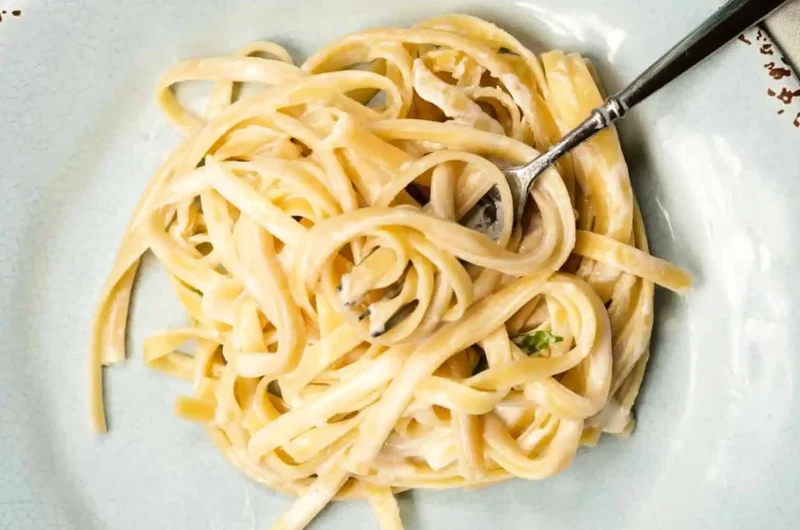
This quick and creamy pasta dish uses light cream to create a rich texture without being overly heavy. It is a perfect weeknight meal that comes together in under 15 minutes.
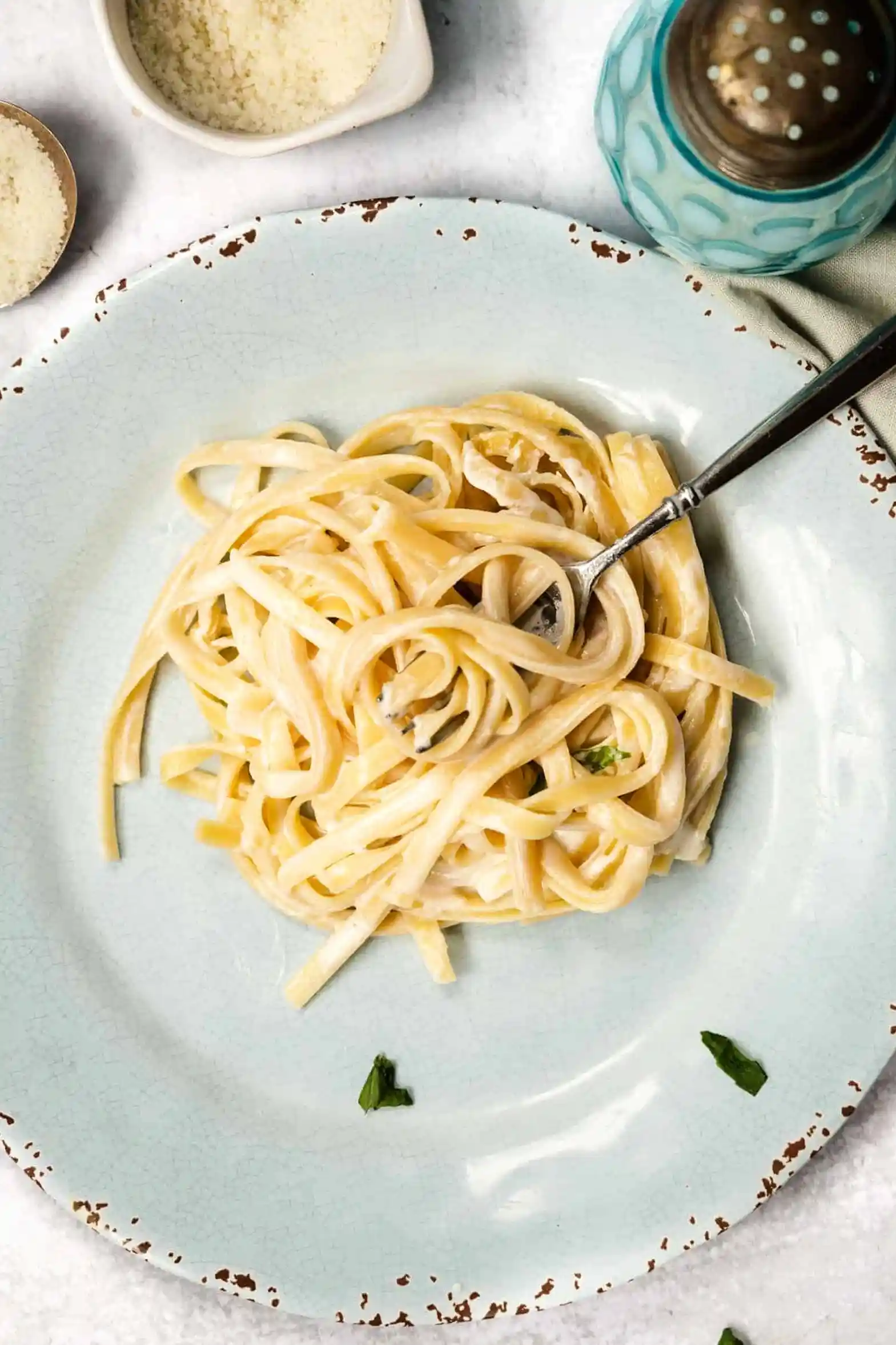
List of ingredients
- 1 lb fettuccine pasta – cavatappi is also a great alternative for holding sauce.
- 1 cup light cream – also known as table cream or 18% cream.
- 2 Tablespoons unsalted butter – provides a rich, smooth base.
- 1/4 tsp nutmeg – adds warmth; use a few grates if using a whole nut.
- 1/2 cup freshly grated Parmesan or Romano cheese – plus extra for garnish.
- salt and pepper – added to taste for seasoning.
step-by-step instructions
- Boil the pasta: Bring a large pot of at least 4 quarts of water to a boil. Cook the pasta for one minute less than the package directions to keep it just under al dente.
- Simmer the cream: While the pasta finishes, heat a large skillet over low heat. Add the light cream and butter, simmering for 3-4 minutes until the sauce thickens enough to coat the back of a spoon, then turn off the heat.
- Mix in flavors: Stir in the grated cheese, nutmeg, salt, and pepper until the mixture is fully incorporated and smooth.
- Prepare pasta water: Reserve about 1/2 cup of the starchy pasta water before draining the noodles.
- Combine: Use tongs to transfer the cooked pasta directly into the skillet with the sauce. Toss thoroughly to ensure every strand is coated.
- Adjust consistency: Gradually add the reserved pasta water if the sauce is too thick. Taste and add more seasoning if needed.
- Serve: Plate the pasta immediately and top with additional Parmesan cheese or fresh parsley.
Optimal Pasta Selection
Fettuccine for Classic Texture
Fettuccine is the traditional choice because its wide, flat surface area allows the cream sauce to cling effectively. This ensures a balanced ratio of sauce to pasta in every bite.
Cavatappi for Maximum Sauce Capture
Cavatappi, with its corkscrew shape, is excellent for trapping the thick cream sauce inside its spirals. This makes it a great choice if you prefer a more intense flavor profile.
Tortellini for Hearty Meals
Cheese-filled tortellini pairs perfectly with this butter and cream base. The richness of the filling complements the light cream, turning a simple sauce into a full meal.
Rigatoni for Robust Bites
Large tubes like rigatoni provide a sturdy structure that holds up well against a thick sauce. These are ideal if you plan to add heavier mix-ins like meatballs or chunks of chicken.
Understanding Dairy Components
Benefits of Using Light Cream
Light cream, typically around 18% fat, offers a lighter mouthfeel than heavy cream. It provides the necessary thickness for a cohesive sauce without feeling overly dense.
Substituting with Heavy Cream
If you only have heavy cream, you can use it, but the sauce will be significantly thicker and richer. You may need to add more pasta water to achieve a looser consistency.
Using Half and Half
Half and half can be used as a substitute, but it has a lower fat content and may not thicken as easily. You might need to simmer the sauce slightly longer to reach the desired coat-the-spoon thickness.
Choosing Unsalted Butter
Unsalted butter is recommended so you can control the overall saltiness of the dish. Since Parmesan cheese is naturally salty, using unsalted butter prevents the sauce from becoming over-seasoned.
Cheese Selection and Preparation
Freshly Grated Parmesan
Always grate your Parmesan fresh from a block for the smoothest melt. Pre-shredded cheeses often contain cornstarch or cellulose, which can lead to a grainy sauce texture.
Pecorino Romano Alternative
Pecorino Romano is a saltier, sharper alternative to Parmesan. Use it if you prefer a more pungent flavor, but reduce the additional salt you add to the sauce.
Preventing Cheese Clumps
Turn off the heat before stirring in the cheese to prevent the dairy from separating. Adding cheese to a boiling sauce can cause the proteins to clump or the oils to break.
Flavor Enhancement Tips
The Impact of Nutmeg
A small pinch of nutmeg adds a subtle earthy warmth that cuts through the richness of the cream. It is a classic Italian addition that elevates the sauce from simple to professional.
Fresh Parsley Garnish
Adding chopped fresh parsley at the end provides a bright, herbaceous contrast to the heavy dairy. It also adds a pop of color to the presentation of the dish.
Incorporating Fresh Garlic
For a more savory profile, sauté a minced garlic clove in the butter before adding the cream. This adds a depth of flavor that complements the Parmesan cheese.
Black Pepper Preferences
Freshly cracked black pepper provides a sharp bite that balances the sweetness of the cream. Add it at the very end to keep the pepper flavor vibrant.
Advanced Cooking Techniques
Timing the Pasta Perfectly
Cooking pasta one minute less than the package suggests prevents it from becoming mushy. The pasta continues to cook slightly when tossed in the hot sauce, reaching a perfect al dente state.
Managing Low Heat
Keep the skillet on low heat to prevent the cream from scorching or boiling over. A gentle simmer is all that is needed to thicken the cream without breaking the emulsion.
The Role of Starchy Pasta Water
Pasta water contains starch that acts as a binder between the fat in the butter and the liquid in the cream. Adding a splash at the end creates a silken, glossy finish.
Tossing with Tongs
Using tongs instead of a spoon allows you to lift and swirl the pasta. This ensures a comprehensive coating of sauce without breaking the delicate noodles.
Creative Dish Variations
Adding Grilled Chicken
Slice grilled chicken breast and stir it in during the final tossing step. This transforms the side dish into a high-protein main course.
Integrating Sautéed Shrimp
Sauté shrimp in a separate pan with butter and garlic, then add them to the plated pasta. The sweetness of the shrimp pairs exceptionally well with the light cream sauce.
Including Sautéed Mushrooms
Brown sliced cremini or button mushrooms in butter before adding the cream to the skillet. The earthy flavor of mushrooms adds a savory complexity to the dish.
Adding Fresh Spinach
Stir in a handful of baby spinach during the last minute of tossing. The residual heat will wilt the leaves perfectly without overcooking them.
Storage and Preservation
Refrigerating Leftovers
Store leftover pasta in an airtight glass container in the refrigerator for up to two days. The sauce will thicken significantly as it cools, which is normal.
Freezing Considerations
Cream-based sauces do not freeze well as the dairy tends to separate upon thawing. It is best to enjoy this dish fresh or store it only in the fridge.
Maintaining Sauce Integrity
If storing the sauce separately from the pasta, keep it in a sealed jar. This prevents the cream from absorbing odors from other foods in the refrigerator.
Effective Reheating Methods
Stovetop Reheating
Place the pasta in a saucepan over low heat. Add a tablespoon of milk or cream to loosen the sauce and stir gently until heated through.
Microwave Reheating
Heat in short 30-second bursts, stirring in between. Add a splash of water or milk before heating to prevent the pasta from drying out.
Adjusting Sauce Consistency
If the sauce looks oily after reheating, whisk in a teaspoon of warm water. This helps re-emulsify the butter and cream for a smooth texture.
Troubleshooting Common Issues
Dealing with a Too-Thick Sauce
If the sauce becomes too thick or pasty, add the reserved pasta water one tablespoon at a time. Stir constantly until the sauce reaches a fluid, creamy consistency.
Fixing a Separated Sauce
If the sauce breaks and looks oily, whisk in a small amount of cold cream or a teaspoon of cornstarch slurry. Keep the heat low to avoid further separation.
Preventing Overcooked Pasta
If your pasta is too soft, avoid tossing it too vigorously in the pan. Serve it immediately to prevent further softening from the heat of the sauce.
Frequently Asked Questions
Can I use a different pasta shape?
Yes, any pasta that holds sauce well will work. Cavatappi, rigatoni, and penne are all excellent alternatives to fettuccine.
Why use light cream instead of heavy cream?
Light cream provides a lighter, less heavy feel to the dish while still maintaining a creamy texture. It makes the meal feel less indulgent and more balanced.
How do I prevent the cheese from clumping?
Ensure the heat is turned off before adding the cheese. Stirring the cheese into a simmering sauce can cause it to clump or separate.
Print
Creamy Fettuccine with Butter and Light Cream Sauce
- Total Time: 15 minutes
- Yield: 4 servings 1x
- Diet: General
Description
A simple light cream sauce for pasta, this Butter & Cream Sauce uses table or light cream and can be made in under 10 minutes! This is the best cream sauce recipe for tortellini or classic fettuccine and makes a great quick weeknight meal for the whole family!
Ingredients
- 1 lb fettuccine pasta
- 1 cup light cream
- 2 Tablespoons unsalted butter
- 1/4 tsp nutmeg
- 1/2 cup freshly grated microbial-rennet Parmesan or Romano cheese
- salt and pepper (to taste)
Instructions
- Step 1: Bring a large pot of water (at least 4 qts) to boil. Cook chosen pasta 1 minute less than the package directions suggest.
- Step 2: Right before the pasta is finished cooking, heat a large skillet over low heat and add cream and butter. Bring to a low simmer until it thickens about 3-4 minutes. Turn off the heat.
- Step 3: Add the cheese and nutmeg along with the salt and pepper. Stir to incorporate.
- Step 4: Reserve ½ cup of pasta water and set aside. Drain the cooked pasta.
- Step 5: Using tongs, add the pasta to the sauce skillet and toss to coat with the sauce.
- Step 6: Add the pasta water as needed a little at a time to keep the sauce loose. Taste for seasoning.
- Step 7: Serve immediately and top with extra parmesan or fresh parsley.
Notes
The sauce can be made ahead the morning you expect to serve it and reheated gently over low heat with a little extra cream if needed. To store/reheat: Refrigerate in a glass container for up to two days. Reheat in a saucepan over low heat with a splash of extra cream or milk and stir until creamy and heated through.
- Prep Time: 5 minutes
- Cook Time: 10 minutes
- Category: Main Course
- Method: Stovetop
- Cuisine: Italian
Nutrition
- Serving Size: 1 serving
- Calories: 680 kcal
- Sugar: 7 g
- Sodium: 820 mg
- Fat: 34 g
- Saturated Fat: 19 g
- Unsaturated Fat: 13 g
- Trans Fat: 3 g
- Carbohydrates: 65 g
- Fiber: 3 g
- Protein: 24 g
- Cholesterol: 110 mg
Keywords: fettuccine alfredo, butter and cream sauce, light cream pasta, Italian pasta, quick weeknight meal