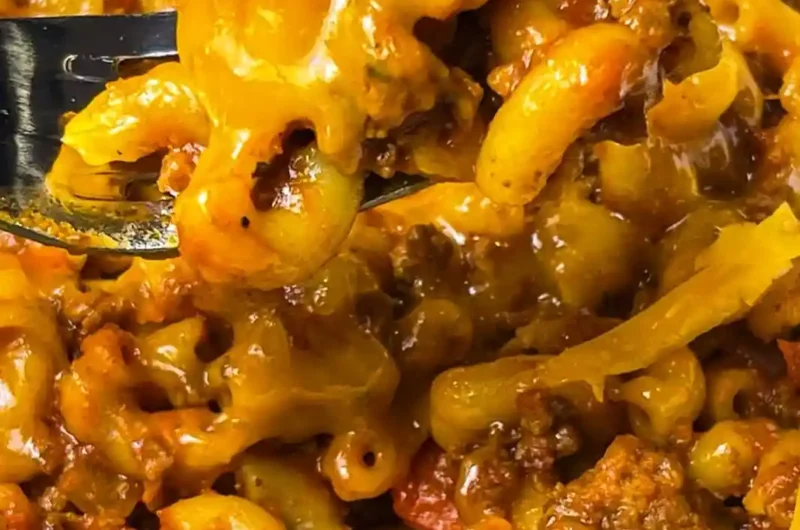
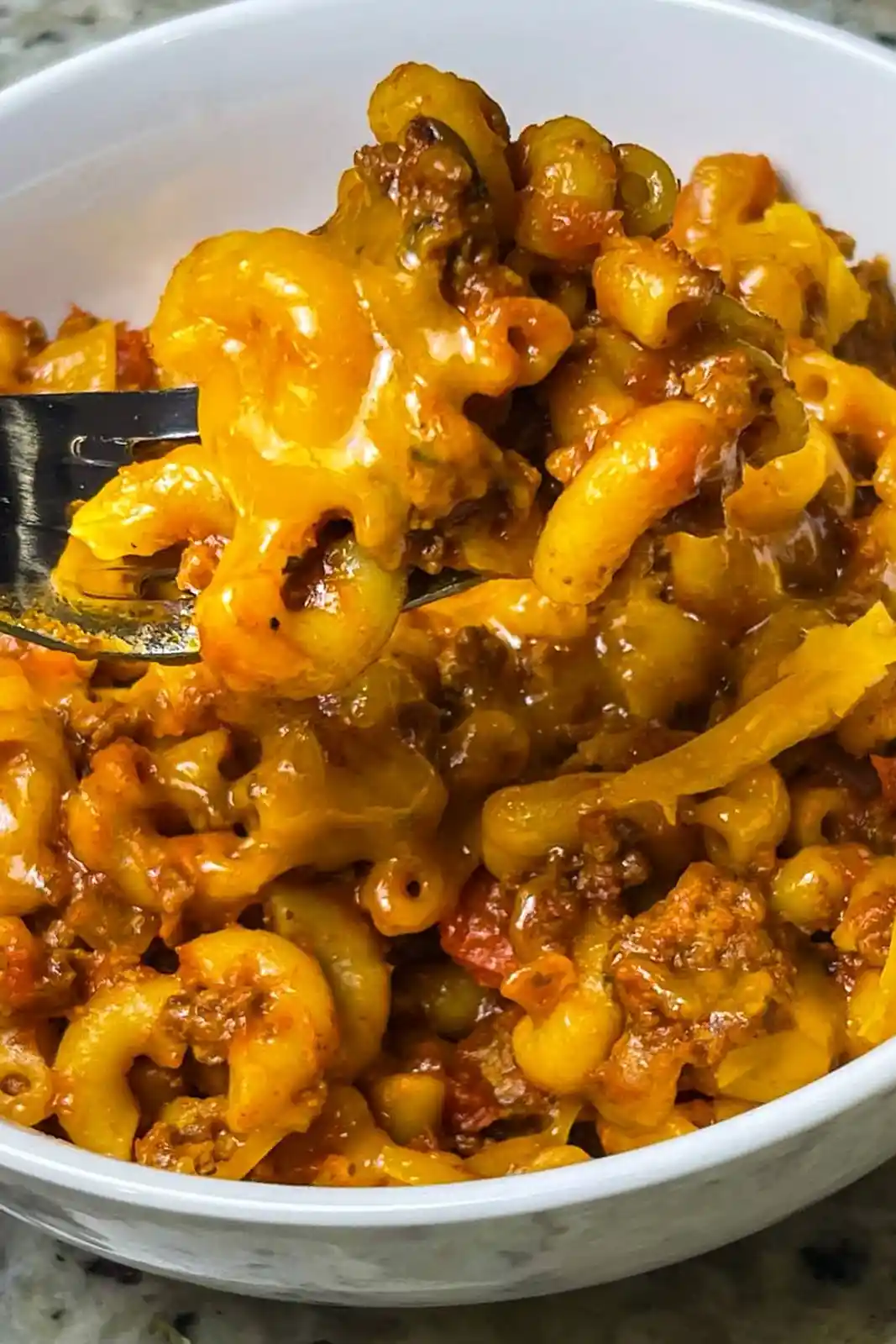
This one-pot meal combines hearty ground beef and macaroni in a savory tomato sauce. It is a practical weeknight dinner that requires minimal cleanup and provides a filling meal for the whole family.
List of ingredients
- 2 pounds lean ground beef – provides the main protein and hearty base.
- 16 ounces elbow macaroni – the classic pasta choice for this dish.
- 1 onion, diced – adds aromatic sweetness and texture.
- 1 bell pepper, diced – adds a mild vegetable flavor and color.
- 2 cloves garlic, minced – provides essential pungent depth.
- 1 tbsp tomato paste – concentrates the tomato flavor and thickens the sauce.
- 28 ounces can tomato sauce – creates the smooth, rich liquid base.
- 15 ounce can diced tomatoes with Italian seasonings – adds chunks of tomato and herbal notes.
- 1 tbsp worcestershire sauce – adds a salty, umami complexity.
- 1 1/2 cups beef broth – used to cook the pasta and deepen the beefy flavor.
- 1 tbsp paprika – provides a distinct warm, smoky color and taste.
- 1/2 tsp salt – enhances all other flavors in the pot.
- 1/2 tsp pepper – adds a subtle touch of heat.
- 1 tsp dried parsley – provides a fresh, herbal finish.
- 2 cups cheddar cheese, shredded – melts into the sauce for a creamy texture.
step-by-step instructions
- Brown the meat: Heat a large pot over medium-high heat and add the ground beef. When the beef is approximately half cooked, stir in the diced onion, garlic, and bell pepper. Continue cooking for about 10 minutes until the beef is no longer pink, then drain any excess grease if necessary.
- Build the sauce: Stir in the worcestershire sauce, paprika, salt, pepper, dried parsley, tomato paste, tomato sauce, beef broth, and diced tomatoes. Increase the heat to high and bring the mixture to a boil, stirring occasionally to ensure the tomato paste is fully integrated.
- Add the pasta: Once the sauce is boiling, pour in the elbow macaroni. Immediately lower the heat to medium to maintain a steady simmer. Use a spoon to push the macaroni down into the liquid so it is completely submerged.
- Simmer the mixture: Cover the pot with a lid and cook for 15 minutes. Stir the contents every 5 minutes to prevent the pasta from sticking to the bottom of the pot and to ensure even cooking.
- Finish with cheese: Once the macaroni is tender, remove the pot from the heat. Sprinkle the shredded cheddar cheese over the top and stir until the cheese is completely melted and incorporated.
Optimizing Your Protein Selection
Choosing the Right Lean Beef
Selecting ground beef with a lower fat percentage, such as 90% lean or 93% lean, is highly recommended for this recipe. Leaner meat reduces the amount of rendered fat that collects at the top of the sauce. This results in a cleaner flavor and eliminates the need for an intensive draining process after browning.
Substituting with Ground Turkey or Chicken
For those preferring a lighter meat, ground turkey or chicken serves as an excellent alternative. Because these meats are naturally leaner than beef, you may need to add a small amount of olive oil to the pot to prevent sticking. Be sure to season slightly more aggressively, as poultry has a milder natural flavor than beef.
Achieving a Better Sear
To maximize the depth of flavor, allow the beef to brown undisturbed for a few minutes before stirring. This creates a caramelized crust on the meat, known as the Maillard reaction, which adds a rich savory quality to the final goulash. Avoid overcrowding the pot if you are cooking in batches to ensure the meat sears rather than steams.
Pasta Texture and Selection Tips
Preventing Mushy Macaroni
The key to perfect pasta in a one-pot meal is monitoring the simmering time. Start checking the macaroni two minutes before the timer expires to ensure it reaches an al dente texture. Overcooking the pasta in the sauce can cause it to release too much starch, making the dish gummy.
Exploring Alternative Pasta Shapes
While elbow macaroni is traditional, other small shapes like rotini, fusilli, or penne work well. Spiral shapes like rotini are particularly effective at trapping the thick tomato sauce in their grooves. If using a larger pasta shape, you may need to add an extra quarter cup of beef broth to ensure there is enough liquid for hydration.
Using Whole Grain Pasta
Whole wheat or chickpea pasta can be used for added fiber and nutrients. These varieties typically absorb more liquid and take slightly longer to cook than white pasta. Increase the beef broth by about 1/2 cup and extend the simmering time by 3 to 5 minutes to ensure the noodles are tender.
Enhancing the Sauce and Flavor
The Role of Tomato Paste
Tomato paste is essential for providing a concentrated, rich base that balances the liquid from the broth and canned sauce. It acts as a thickening agent, giving the goulash a velvety consistency. If you do not have paste on hand, you can substitute it with a tablespoon of double-concentrated tomato puree.
Balancing Acidity in Tomatoes
Depending on the brand of canned tomatoes used, the sauce may sometimes taste overly acidic. To balance this, stir in a small pinch of granulated sugar or a teaspoon of honey. This neutralizes the sharp acidic notes without making the dish taste sweet, allowing the paprika and garlic to shine.
Using Different Cheese Varieties
Cheddar is the standard for American goulash due to its sharp flavor and melting properties. For a creamier result, try a blend of Monterey Jack and sharp cheddar. If you prefer a more pungent flavor, a small amount of grated Parmesan added at the end provides a salty, nutty finish.
One-Pot Cooking Techniques
Managing Temperature and Boil-Over
Bringing the sauce to a high boil before adding pasta is necessary to ensure the macaroni starts cooking immediately. However, once the lid is applied, keep the heat at a steady medium. This prevents the sauce from evaporating too quickly, which could lead to the pasta remaining hard while the sauce burns.
Ensuring Even Liquid Distribution
Because macaroni tends to float, it is important to push the pasta down into the liquid during the first few minutes of simmering. Stirring every five minutes is not just to prevent sticking, but to rotate the pasta. This ensures that every piece is evenly hydrated and cooked through.
Preventing Bottom Scorching
Using a heavy-bottomed pot, such as a Dutch oven, helps distribute heat more evenly across the base. In thin-bottomed pots, the thick tomato sauce can easily scorch. If you notice the sauce thickening too rapidly, add a small splash of water or broth to loosen the consistency.
Storage and Preservation Methods
Proper Refrigeration Guidelines
Store leftover goulash in an airtight glass or plastic container. To prevent bacterial growth and maintain quality, allow the dish to cool slightly before sealing the lid and placing it in the refrigerator. This dish typically remains fresh and safe to eat for up to three to four days.
Freezing the Base Mixture
For meal prep, you can freeze the goulash components before the pasta is added. Cook the beef and vegetables, then stir in the sauce, broth, and seasonings. Cool the mixture completely and freeze it in portions. This prevents the pasta from becoming mushy during the freezing and thawing process.
Thawing and Final Cooking
To prepare the frozen base, thaw the mixture overnight in the refrigerator. Heat the sauce in a pot until it reaches a simmer, then add the uncooked macaroni. Follow the standard simmering instructions to cook the pasta directly in the thawed sauce for a fresh-tasting meal.
Reheating for Best Quality
Stovetop Reheating Method
Reheating goulash on the stove is the best way to maintain the texture of the pasta. Add the leftovers to a pan over medium-low heat and stir in a tablespoon of water or beef broth. The extra liquid compensates for the moisture absorbed by the pasta during storage.
Microwave Reheating Tips
When using a microwave, place the goulash in a microwave-safe bowl and cover it with a damp paper towel. Heat in 60-second intervals, stirring between each session. This prevents the edges from drying out and ensures the cheese is remelted evenly throughout the dish.
Preventing Pasta Dryness
Pasta naturally continues to absorb liquid even after the cooking process is complete. If your refrigerated goulash looks too thick or dry, stir in a small amount of milk or broth before heating. This restores the creamy consistency and prevents the macaroni from feeling gummy.
Troubleshooting Common Issues
Fixing a Sauce That is Too Thin
If the sauce is too watery after the pasta is cooked, simmer the mixture without the lid for an additional 5 minutes. This allows excess moisture to evaporate and concentrates the flavor. Alternatively, stirring in an extra handful of shredded cheese will help bind the liquid and thicken the sauce.
Correcting Over-Salted Sauce
If the dish tastes too salty, it is often due to the combination of beef broth and canned tomatoes. You can mitigate this by stirring in a small amount of unsalted beef broth or a splash of heavy cream. The fat in the cream helps coat the palate and reduces the perception of saltiness.
Handling Undercooked Pasta
If the macaroni is still too firm after the initial 15 minutes, simply replace the lid and simmer for another 2 to 3 minutes. Check the texture frequently, as pasta can go from undercooked to overcooked very quickly in a thick sauce.
Frequently Asked Questions
Can this be made in a slow cooker?
Yes, but the pasta should not be added at the beginning. Cook the beef and sauce in the slow cooker on low for 4-6 hours, then stir in the macaroni and simmer on high for about 30-45 minutes until the noodles are tender.
What is the best type of tomato sauce?
Plain canned tomato sauce is preferred over pre-made spaghetti sauce. This allows you to control the seasoning and ensures the dish tastes like a traditional goulash rather than a standard pasta sauce.
Can I use a different type of broth?
While beef broth is traditional for a deep flavor, chicken or vegetable broth can be used. Vegetable broth is a great option for a lighter taste, while chicken broth provides a neutral savory base that complements the beef.
Do I need to drain the beef every time?
Whether you need to drain depends on the fat content of your meat. If using 80% lean beef, draining is necessary to prevent the sauce from becoming greasy. If using 95% lean beef, you can typically leave the juices in the pot for extra flavor.
Print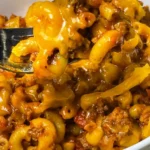
Old Fashioned American Goulash
- Total Time: 35 minutes
- Yield: 8 servings 1x
- Diet: General
Description
Old Fashioned American Goulash is an easy 30 minute meal, cooked in one pot with macaroni, tomato sauce, cheddar cheese, and ground beef. It’s hearty and delicious and a quick weeknight dinner.
Ingredients
- 2 pounds lean ground beef
- 16 ounces elbow macaroni
- 1 onion, diced
- 1 bell pepper, diced
- 2 cloves garlic, minced
- 1 tbsp tomato paste
- 28 ounces can tomato sauce
- 15 ounce can diced tomatoes with Italian seasonings
- 1 tbsp worcestershire sauce
- 1 1/2 cups beef broth
- 1 tbsp paprika
- 1/2 tsp salt
- 1/2 tsp pepper
- 1 tsp dried parsley
- 2 cups shredded cheddar cheese
Instructions
- Step: Cook the ground beef in a large pot over medium high heat. When the beef is half cooked add in the diced onion, garlic and pepper. Continue cooking until the beef is no longer pink, about 10 minutes. (Drain if necessary)
- Step: Add in the Worcestershire sauce, all seasonings, tomato paste, tomato sauce, beef broth and diced tomatoes. Turn the heat to high, bring to a boil and stir.
- Step: When boiling, pour in the macaroni and lower to medium heat while continuing to simmer. Push the macaroni into the liquid.
- Step: Cover and cook 15 minutes, or until the macaroni is tender. Stir every 5 minutes.
- Step: Sprinkle in the cheddar cheese and stir until the cheese is melted and serve.
Notes
Refrigerate leftovers up to 3 days. To freeze: Prepare the goulash up until the step for adding the macaroni. Completely cool and then freeze the meat tomato mixture. When ready to cook, thaw, heat to simmering and add the macaroni. Ground chicken or turkey can be used instead of beef. Cheese is optional.
- Prep Time: 5 minutes
- Cook Time: 30 minutes
- Category: Dinner
- Method: Stovetop
- Cuisine: American
Nutrition
- Serving Size: 1 serving
- Calories: 533 kcal
- Sugar: 8 g
- Sodium: 1167 mg
- Fat: 17 g
- Saturated Fat: 8 g
- Unsaturated Fat: 6 g
- Trans Fat: 0.4 g
- Carbohydrates: 54 g
- Fiber: 5 g
- Protein: 41 g
- Cholesterol: 99 mg
Keywords: goulash, one pot meal, quick dinner, weeknight dinner