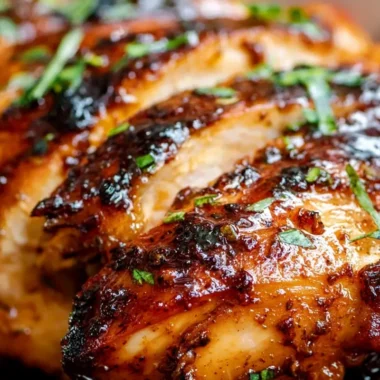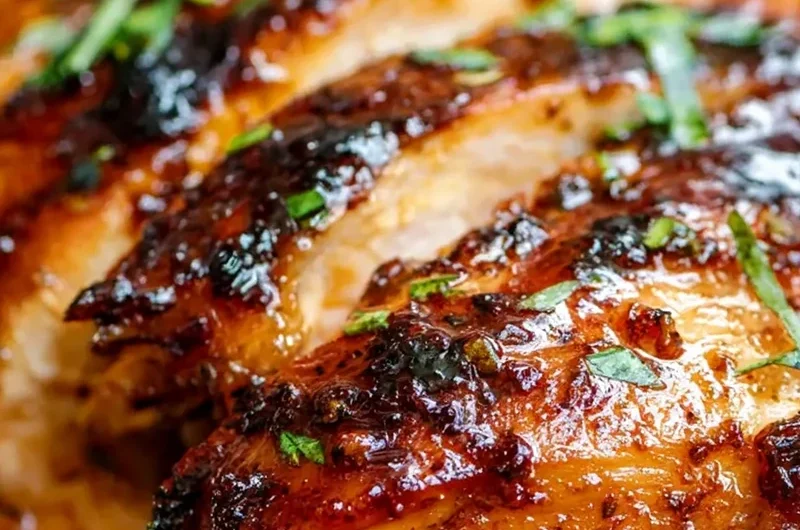
This versatile marinade infuses chicken breasts with a perfect balance of sweet, tangy, and savory notes. It ensures your meat remains juicy and tender regardless of the cooking method you choose.
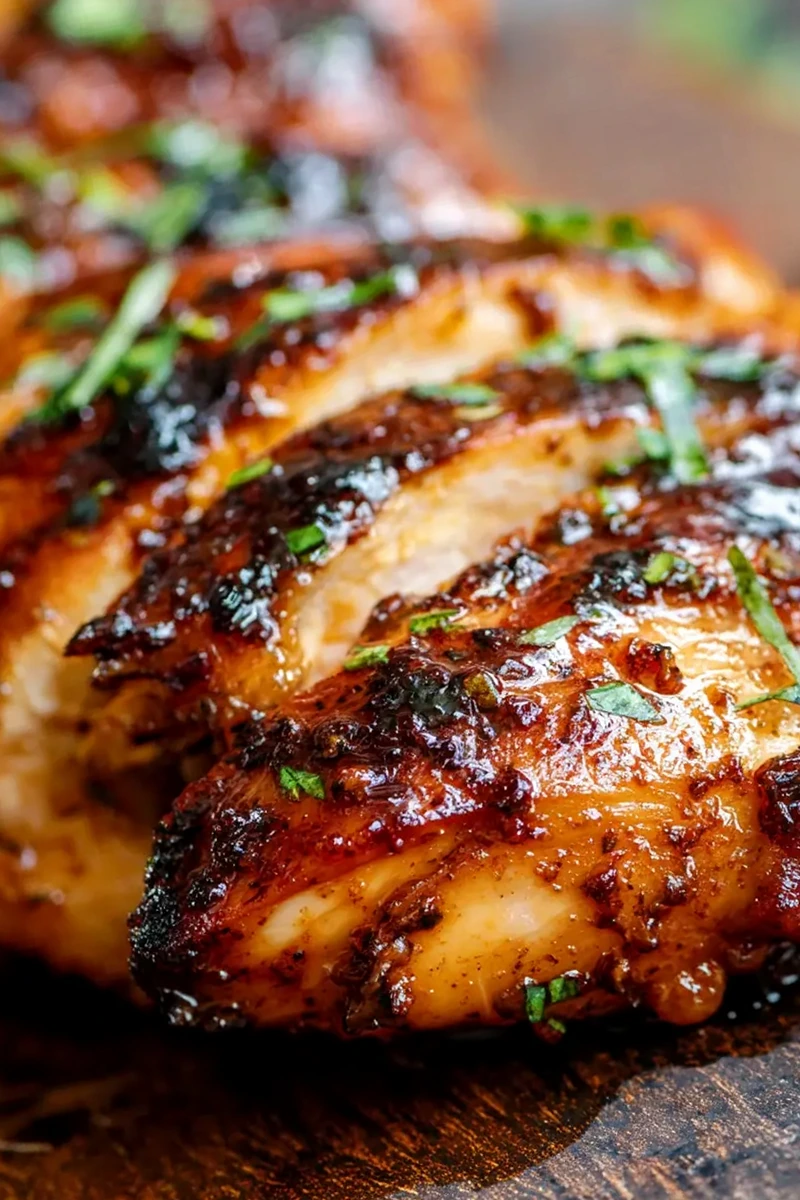
List of ingredients
- 0.5 cup extra virgin olive oil – provides a rich base and keeps the meat moist.
- 0.5 cup balsamic vinegar – adds a distinct tangy acidity.
- 0.25 cup soy sauce – use low sodium to control the salt levels.
- 0.25 cup Worcestershire sauce – contributes a complex, savory depth.
- 0.125 cup lemon juice – adds a bright, citrusy freshness.
- 0.75 cup brown sugar – creates a sweet glaze and helps with caramelization.
- 2 teaspoon dried rosemary – imparts a subtle, aromatic woody flavor.
- 2 tablespoon Dijon mustard – adds a zesty kick and helps emulsify the sauce.
- 1.5 teaspoon salt – enhances all the other flavors in the mix.
- 1 teaspoon ground black pepper – provides a mild, earthy heat.
- 2 teaspoon garlic powder – adds a consistent, savory garlic punch.
- 6 chicken breasts or 3.5 lb chicken – the primary protein for marinating.
step-by-step instructions
- Blend the marinade: Combine the olive oil, balsamic vinegar, soy sauce, Worcestershire sauce, lemon juice, brown sugar, rosemary, mustard, salt, pepper, and garlic powder in a large bowl. Whisk thoroughly until the sugar is dissolved and the mixture is smooth.
- Reserve the glaze: Pour out a half cup of the prepared marinade and set it aside in a separate container. This will be used for basting the chicken during the cooking process.
- Prepare the chicken: Place the chicken breasts into a large resealable plastic bag. Pour the remaining marinade over the meat, ensuring every piece is fully submerged.
- Massage and seal: Gently massage the bag to distribute the marinade evenly across all surfaces of the chicken. Seal the bag tightly, removing as much air as possible to ensure maximum contact.
- Chill and marinate: Place the bag in the refrigerator. Let it marinate for at least 30 minutes, though 4 to 6 hours is ideal for deep flavor penetration. Do not exceed 24 hours.
- Prepare for heat: Preheat your grill to medium-high heat or your oven to 400°F. If using a grill, lightly oil the grates to prevent sticking.
- Cook the meat: Remove the chicken from the bag, letting the excess marinade drip off. Grill for 5-6 minutes per side, bake for 18-22 minutes, or sauté for 8-10 minutes per side.
- Baste for flavor: Periodically brush the reserved marinade onto the chicken while it cooks. This creates a thick, caramelized exterior.
- Verify temperature: Use a meat thermometer to ensure the chicken reaches an internal temperature of 165°F. Remove from heat immediately once this temperature is hit.
- Rest and serve: Transfer the chicken to a plate and tent it loosely with foil. Allow it to rest for at least 5 minutes before slicing to lock in the juices.
- Create a reduction: For an optional sauce, bring the remaining reserved marinade to a boil in a small pan. Simmer until the liquid reduces slightly into a thick syrup to drizzle over the finished dish.
Marinade Customization and Flavor Variations
Incorporating Fresh Garden Herbs
While dried rosemary is the standard, you can add chopped fresh parsley, thyme, or basil. Adding these during the marinating phase provides a brighter, more garden-fresh flavor profile. Fresh oregano is also a great addition for a Mediterranean twist.
Adjusting the Heat Level
For those who prefer a spicier dish, add a teaspoon of crushed red pepper flakes to the mix. You can also swap the Dijon mustard for a spicy brown mustard or a touch of sriracha. These additions balance the sweetness of the brown sugar with a sharp kick.
Using Alternative Vinegar Types
If you lack balsamic vinegar, apple cider vinegar is a suitable substitute for a fruitier taste. Red wine vinegar offers a sharper, more acidic profile that works well with grilled meats. A mixture of both can create a complex acidity that complements the soy sauce.
Enhancing the Garlic Profile
If you love garlic, replace the garlic powder with four cloves of minced fresh garlic. Fresh garlic provides a more pungent and aromatic flavor than the powdered version. Ensure the garlic is finely minced so it adheres well to the meat.
Sweetness Modifications
If you prefer a less sweet glaze, reduce the brown sugar to 0.5 cup. For a different kind of sweetness, you can use honey or maple syrup instead of brown sugar. These liquid sweeteners incorporate more easily into the oil and vinegar base.
Optimal Cooking Methods for Marinated Chicken
Achieving Perfect Grill Marks
To get professional sear marks, ensure your grill is preheated to medium-high. Place the chicken on the hottest part of the grate and avoid moving it for the first 5 minutes. This allows the sugars to caramelize and create a dark, flavorful crust.
Baking for Juicy Results
When baking at 400°F, use a roasting pan or a baking sheet with a wire rack. The rack allows hot air to circulate under the chicken, preventing the bottom from becoming soggy. This method is ideal for cooking larger batches of chicken simultaneously.
Searing on the Stovetop
Use a cast-iron skillet or a heavy-bottomed pan over medium-high heat. Lightly grease the pan with oil to prevent the chicken from sticking. Sear for about 8-10 minutes per side, flipping only once to maintain a good crust.
Using an Air Fryer
Air frying is a quick alternative; set the appliance to 375°F. Cook the marinated breasts for 12-15 minutes, flipping halfway through. The circulating air helps the marinade thicken into a concentrated glaze quickly.
Broiling for a Charred Finish
If you want a charred look without a grill, place the chicken under the oven broiler for the last 2-3 minutes of cooking. Keep a close eye on the meat, as the sugar in the marinade can burn rapidly. This adds a smoky, fire-roasted quality to the dish.
Pro Tips for Maximum Tenderness
The Science of Marinating Time
Marinating for 30 minutes provides a surface-level flavor boost. For deep penetration into the muscle fibers, 4 to 6 hours is the sweet spot. Avoid marinating beyond 24 hours, as the acid in the vinegar can break down the proteins too much, leading to a mushy texture.
Preparing the Meat for Faster Absorption
For thick chicken breasts, use a fork to poke several small holes into the meat before marinating. This creates channels for the soy sauce and vinegar to enter the center of the breast. This technique is especially helpful when you have a limited marinating window.
The Importance of the Resting Phase
Resting the chicken for 5 minutes allows the muscle fibers to relax and reabsorb the juices. If you slice the meat immediately, the juices will run out onto the plate, leaving the meat dry. Tenting with foil keeps the meat warm while it rests.
Using a Digital Meat Thermometer
Avoid relying on the color of the meat or the clarity of the juices. A digital thermometer is the only way to guarantee the chicken is safe at 165°F without overcooking it. Pull the meat off the heat at 160°F, as carry-over cooking will bring it to the final temperature.
Tempering the Meat
Take the marinated chicken out of the fridge about 15-20 minutes before cooking. Bringing the meat closer to room temperature ensures it cooks more evenly throughout. Cold meat often sears on the outside while remaining raw in the center.
Serving and Pairing Suggestions
Complementary Vegetable Sides
Grilled asparagus or sautéed green beans are excellent pairings. Their natural bitterness and earthiness cut through the richness of the balsamic glaze. Roasted carrots or Brussels sprouts also complement the sweetness of the brown sugar.
Grain-Based Accompaniments
Serve the chicken over a bed of wild rice or quinoa to soak up the extra sauce. A creamy polenta or mashed cauliflower provides a smooth contrast to the charred exterior of the meat. These options make the meal more filling and balanced.
Fresh Toppings and Garnishes
Garnish the final platter with freshly chopped parsley or a sprig of rosemary. A sprinkle of fresh lemon zest adds a pop of color and a hit of acidity that brightens the whole dish. These small additions make the presentation look professional.
Light Salad Pairings
A crisp arugula salad with a simple lemon vinaigrette pairs perfectly with this savory chicken. The peppery taste of arugula balances the sweetness of the balsamic reduction. Add sliced cucumbers and cherry tomatoes for extra freshness.
Sauce and Dip Ideas
While the reduced marinade is great, you can also serve the chicken with a side of tzatziki. The cool cucumber and yogurt contrast well with the warm, savory glaze. A mango salsa is another option for those who want a tropical twist.
Proper Storage and Food Safety
Storing Raw Marinated Chicken
Always keep marinated chicken in an airtight container or a sealed bag in the coldest part of your refrigerator. Ensure the meat is fully submerged in the liquid to prevent oxidation. Use the marinated meat within 24 hours for the best texture.
Freezing Marinated Meat
You can freeze chicken in the marinade for up to three months. Place the meat and marinade in a heavy-duty freezer bag and squeeze out all the air. The chicken will marinate as it thaws in the refrigerator before cooking.
Saving Leftover Cooked Chicken
Store cooked chicken in a sealed airtight container for up to 3 to 4 days in the fridge. To keep it moist, store it with a little bit of the extra reduced sauce. This prevents the meat from drying out during storage.
Reheating Tips for Moisture
Avoid the microwave if possible, as it can toughen the meat. Instead, reheat the chicken in a skillet over low heat with a splash of water or vegetable broth. Cover the pan to create a steam effect that restores the juiciness.
Handling the Marinade Safely
Never use marinade that has touched raw chicken as a dipping sauce unless it has been boiled. The reserved half-cup of marinade is safe because it never contacted the raw meat. Boiling the used marinade for several minutes also makes it safe for consumption.
Troubleshooting Common Issues
Fixing a Too-Sweet Marinade
If the brown sugar overpowers the other flavors, add an extra tablespoon of lemon juice or a splash of apple cider vinegar. This increases the acidity and balances the sugar. A pinch of extra salt can also help neutralize excessive sweetness.
Preventing the Chicken from Sticking
Ensure your pan or grill is properly heated and oiled before adding the meat. If the chicken sticks, avoid forcing it off; wait a few seconds for the sear to complete. The meat will naturally release once a proper crust has formed.
Addressing Mushy Meat Texture
If your chicken feels mushy, you likely marinated it for too long in the acidic vinegar. To prevent this in the future, strictly adhere to the 24-hour limit. Using a lower-acid vinegar can also help if you prefer longer marination times.
Solving Uneven Cooking
Uneven cooking usually happens when chicken breasts are of different thicknesses. Use a meat mallet to pound the thicker end of the breast to an even thickness. This ensures the entire piece reaches 165°F at the same time.
Preventing Burnt Glaze
Because of the high sugar content, the marinade can burn if the heat is too high. If you see the chicken darkening too quickly, move it to a cooler part of the grill. Lower the heat and use more frequent basting instead of one heavy layer.
Frequently Asked Questions
Can I marinate chicken overnight?
Yes, marinating overnight is highly recommended for the best flavor and tenderness. However, do not exceed 24 hours, as the acid in the balsamic vinegar can break down the meat’s structure too much.
What can I use instead of balsamic vinegar?
You can substitute balsamic vinegar with apple cider vinegar for a milder taste or red wine vinegar for a sharper flavor. In a pinch, a combination of white vinegar and a teaspoon of honey can mimic the profile.
How do I make the marinade thicker?
To thicken the marinade into a glaze, simmer the reserved portion in a small saucepan over medium heat. Let it boil and reduce until it reaches a syrupy consistency that clings to the meat.
Can this marinade be used for other meats?
Yes, this flavor profile works excellently with pork chops or steak. For beef, you may want to increase the amount of black pepper and rosemary to complement the stronger meat flavor.
Is this marinade suitable for the oven?
Absolutely, this marinade works perfectly for baking. Use a temperature of 400°F to ensure the outside caramelizes while the inside stays juicy.
Print
Savory Balsamic Garlic Chicken Marinade
- Total Time: 4 hours 30 minutes
- Yield: 6 servings 1x
- Diet: General
Description
The BEST Chicken Marinade enhances the flavor and tenderness of chicken, making it the perfect dish for any occasion.
Ingredients
- 0.5 cup extra virgin olive oil
- 0.5 cup balsamic vinegar
- 0.25 cup low sodium soy sauce
- 0.25 cup Worcestershire sauce
- 0.125 cup lemon juice
- 0.75 cup brown sugar
- 2 teaspoon dried rosemary
- 2 tablespoon Dijon mustard
- 1.5 teaspoon salt
- 1 teaspoon ground black pepper
- 2 teaspoon garlic powder
- 6 chicken breasts (3.5 lb)
Instructions
- Mix: Combine all marinade ingredients in a large mixing bowl and whisk together, reserving a half cup for basting later.
- Marinate: Place chicken in a large resealable bag, pour the marinade over it, massage the bag to coat the chicken, and refrigerate for at least 30 minutes (ideally 4 to 6 hours).
- Prepare: Preheat the grill to medium high heat and lightly oil the grates.
- Grill: Remove chicken from the marinade, letting excess drip off, and grill for 5 to 6 minutes per side, basting occasionally with reserved marinade.
- Rest: Once the chicken reaches an internal temperature of 165°F, remove from heat, tent with foil, and let rest for at least 5 minutes.
- Optional Sauce: Bring the reserved marinade to a boil and simmer until slightly reduced to use as a sauce.
Notes
Marinating the chicken for at least 30 minutes enhances flavor greatly, but it’s even better with longer marination times.
- Prep Time: 15 minutes
- Cook Time: 15 minutes
- Category: Main Course
- Method: Grilling
- Cuisine: American
Nutrition
- Serving Size: 1 serving
- Calories: 115 kcal
- Sugar: 10 g
- Sodium: 1041 mg
- Fat: 7 g
- Saturated Fat: 1 g
- Unsaturated Fat: 6 g
- Trans Fat: 0 g
- Carbohydrates: 12 g
- Fiber: 1 g
- Protein: 35 g
- Cholesterol: 85 mg
Keywords: BBQ, chicken marinade, easy marinade, flavorful chicken, grilling, marinade recipe