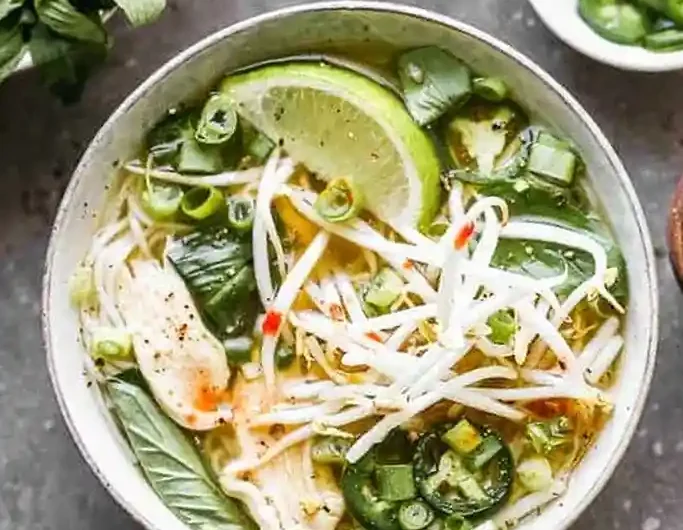
Create a comforting bowl of Vietnamese-inspired Pho at home without spending all day in the kitchen. This quick adaptation uses aromatic spices and high-quality broth to achieve a rich flavor profile in just one hour.
List of ingredients
- 8 oz dried rice vermicelli noodles – thin rice noodles work best.
- Desired meat: chicken, steak or raw shrimp – sliced thinly against the grain.
- 1 large yellow onion – quartered for broth infusion.
- 2 (2-inch pieces) fresh ginger – unpeeled and halved length-wise.
- 6 cups broth – chicken, beef or vegetable, depending on your protein choice.
- 2 cups water – to balance the broth concentration.
- 1/4 tsp ground coriander – adds a warm, citrusy note.
- 1 whole clove – optional for added depth.
- 1 1/2 Tablespoons fish sauce – adjust according to taste preference.
- 1/4 teaspoon hoisin sauce – for a hint of sweetness and salt.
- 1/4 teaspoon soy sauce – adds savory umami.
- 1/4 teaspoon red chili paste – sambal oelek for a mild kick.
- 1 stick cinnamon – provides a classic aromatic scent.
- salt and freshly ground black pepper – to taste.
- 4 green onions – chopped for garnish.
- 2 fresh jalapeño peppers or red thai chili peppers – thinly sliced and seeds removed.
- 1 bunch fresh cilantro – chopped for a fresh finish.
- 1 bunch Thai basil leaves – essential for authentic aroma.
- 1 cup fresh bean sprouts – adds a fresh, crunchy texture.
- 2 limes – cut into wedges for acidity.
- Sriracha hot sauce, or additional red chili paste – optional for extra heat.
step-by-step instructions
- Sauté Aromatics: Place a large dry pot over medium heat and add the onion halves and ginger pieces. Cook for 4 minutes, stirring occasionally to lightly toast them.
- Simmer the Broth: Add the broth, water, coriander, clove, fish sauce, hoisin sauce, soy sauce, chili garlic paste, cinnamon stick and a pinch of fresh cracked salt and pepper to the pot. Bring to a slow boil, then reduce heat and simmer for 30 minutes.
- Cook the Noodles: While the broth simmers, prepare the rice noodles according to the package instructions. Once they are soft, drain them and rinse with cold water to set aside.
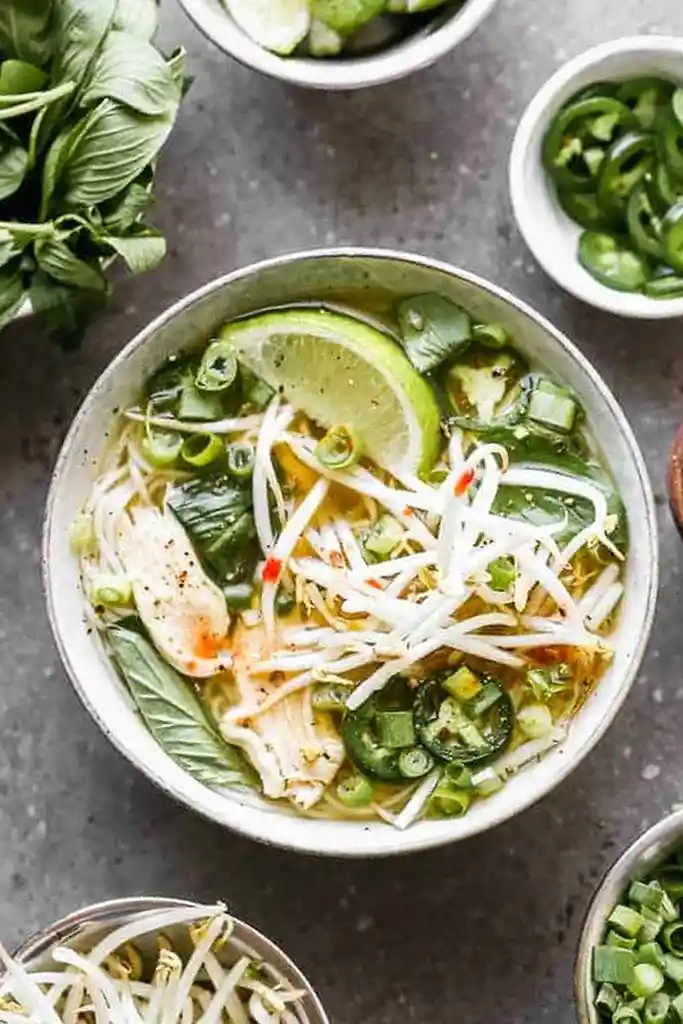
- Prepare Garnishes: Place the cilantro, basil, green onions, bean sprouts, lime wedges and sliced chilies into individual small bowls for easy serving.
- Cook the Meat: About 1 to 5 minutes before the broth is finished, add your desired meat to the pot. Cook just until done: 2-3 minutes for raw, thinly sliced chicken, or 1-2 minutes for shrimp or thinly sliced steak.
- Clean the Broth: Remove and discard the ginger, clove, cinnamon stick and onion pieces from the pot before serving.
- Assemble the Bowls: Divide the cooked noodles among bowls and ladle the hot broth and meat over them. Top with desired garnishes.
Protein Selection and Preparation
Slicing Beef Against the Grain for Tenderness
To ensure the beef remains tender and not chewy, always slice it against the muscle fibers. This process breaks up the long protein strands, making the meat easier to eat.
For the cleanest cuts, place your steak in the freezer for about one hour before slicing. This firms up the meat, allowing you to achieve paper-thin slices that cook almost instantly in the hot broth.
Preparing Chicken Breast for Quick Cooking
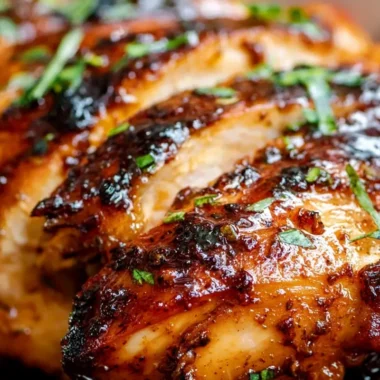
When using chicken, slice boneless, skinless breasts into very thin pieces across the grain. Season them lightly with salt and pepper before adding them to the soup.
Because the slices are thin, they only need a few minutes in the simmering broth to cook through. Avoid overcooking them to prevent the meat from becoming dry or rubbery.
Handling Raw Shrimp for Fast Results
Ensure your shrimp are raw, peeled, and deveined before adding them to the pot. Shrimp cook much faster than beef or chicken and only require 1-2 minutes of poaching.
Add the shrimp during the final minutes of the broth’s simmer. They are done as soon as they turn opaque and curl into a “C” shape.
Using Leftover Cooked Meats
This recipe is an excellent way to utilize leftover rotisserie chicken, shredded beef, or other pre-cooked proteins. Since the meat is already cooked, do not simmer it in the pot.
Instead, place the cooked meat directly into the serving bowls on top of the noodles. Ladle the boiling hot broth over the meat to warm it through quickly.
Alternative Cooking Methods
Using a Pressure Cooker for Faster Infusion
To use an Instant Pot, turn the device to the sauté setting to cook the onion and ginger for a few minutes. Turn the pot off and add the broth, water, and all the spices and sauces.
Seal the lid and cook on manual high pressure for 10 to 15 minutes. Use a controlled quick release after the timer beeps, then use the sauté function to cook your meats before assembling.
Slow Cooker Method for Deep Flavor
For a slow cooker version, first sauté the onion and ginger in a hot skillet to develop flavor before adding them to the crockpot. Combine with the broth, water, and all aromatic spices.
Cook on low for 6-8 hours or on high for 3-4 hours. If making chicken pho, you can add skinless chicken thighs directly to the slow cooker to cook throughout the process.
Customizing Your Broth
Creating a Vegetarian or Vegan Version
To make this soup plant-based, substitute the chicken or beef broth with a high-quality vegetable or mushroom stock. Omit the fish sauce entirely to keep the recipe vegan.
Replace the meat with sautéed mushrooms and baby bok choy. Add these to the bowl just before ladling in the hot vegetable broth for a nutrient-dense alternative.
Adjusting the Heat Levels
The level of spice in Pho is largely customizable. The red chili paste in the broth provides a base warmth, but the real heat comes from the fresh jalapeños or Thai chilies.
For those who prefer a bolder spice, add a generous swirl of Sriracha directly into the bowl. This allows each person to control their own heat level during the meal.
Balancing Salt and Umami
The balance of saltiness is key to a great broth. If the soup tastes too salty, add a small amount of extra water or a squeeze of fresh lime juice to cut through the sodium.
If the broth lacks depth, add a small teaspoon of additional fish sauce or soy sauce. These ingredients provide the essential umami that mimics a long-simmered traditional bone broth.
Garnishing and Serving
The Importance of Fresh Herbs
Thai basil and cilantro are not just for decoration; they provide the distinct aromatic profile of Pho. Thai basil adds a slight anise flavor that complements the cinnamon and clove.
Always add the herbs fresh at the end. Stirring them into the hot soup just before eating releases their essential oils without wilting them too much.
Adding Texture with Bean Sprouts
Fresh bean sprouts provide a necessary textural contrast to the soft rice noodles. They add a crisp, watery crunch that refreshes the palate between sips of rich broth.
For maximum crunch, keep the sprouts raw. Some prefer to blanch them quickly in the broth, but adding them raw is the traditional way to maintain their structure.
Brightening the Dish with Lime
A fresh squeeze of lime juice is critical for balancing the savory and sweet notes of the broth. The acidity brightens the overall flavor and makes the spices pop.
Squeeze the lime wedge directly into the bowl after assembling. This final touch cuts through the richness of the protein and the saltiness of the fish sauce.
Storage and Preparation
Preparing the Broth in Advance
You can make the broth several days before you plan to serve the meal. This allows the spices to meld and can actually improve the flavor profile over time.
Let the broth cool completely before covering it with a lid and storing it in the refrigerator. When ready to eat, simply reheat it on the stove to a simmer.
Freezing the Broth for Long Term Use
The broth can be frozen for 4-5 months to save time on future meals. Ensure the soup has cooled completely to prevent ice crystals from forming.
Store the broth in freezer-safe Ziploc bags or airtight containers. Leave a little room at the top of the container to allow for expansion as the liquid freezes.
Best Practices for Reheating
Reheat the frozen or refrigerated broth on the stovetop over medium heat. Avoid microwaving the entire pot to ensure the broth heats evenly without boiling over.
If the broth has thickened during storage, add a small splash of water or extra broth. Bring it back to a gentle simmer before adding your fresh noodles and meat.
Troubleshooting Your Pho
Fixing a Bland Tasting Broth
If your broth tastes thin or bland, it likely needs more salt or acidity. Start by adding another teaspoon of fish sauce or a pinch of salt.
If it still feels flat, a tiny pinch of sugar or a squeeze of lime can often awaken the other flavors. Always taste the broth after each addition to avoid over-seasoning.
Preventing Mushy Rice Noodles
Rice noodles can become mushy if they are overcooked or left in the broth too long. Always follow the package timing strictly and do not over-boil them.
The most important step is rinsing the noodles under cold water immediately after draining. This removes excess starch and prevents the noodles from clumping together in the bowl.
Correcting Tough Meat
If your beef or chicken feels tough, it is usually a result of the slicing direction or overcooking. Ensure you are cutting across the grain, not parallel to it.
If you are using tougher cuts of beef like brisket, consider simmering them in the broth for a longer period. For quick-cooking cuts like sirloin, keep the cooking time to under two minutes.
Frequently Asked Questions
What are the best rice noodles to use for Pho?
Dried rice vermicelli noodles are the best choice for a quick version of this soup. They are thin and absorb the flavor of the broth quickly while maintaining a pleasant chew.
Can I use a different type of onion if yellow onions are unavailable?
White onions are a suitable substitute for yellow onions. They provide a similar sharp, aromatic base that mellows out during the simmering process.
How do I stop the noodles from sticking together in the bowl?
Rinse the noodles thoroughly in cold water after cooking and before adding them to the bowl. You can also toss them with a tiny drop of neutral oil to keep them separated.
Print
Fast and Flavorful Homemade Pho
- Total Time: 60 minutes
- Yield: 6 servings 1x
- Diet: General
Description
This easy Vietnamese inspired Pho is a quick and flavorful adaptation perfect for tight schedules, featuring rice noodles, a spiced broth, and your choice of chicken, beef, or shrimp.
Ingredients
- 8 oz dried rice vermicelli noodles
- Desired meat: chicken, beef, or raw shrimp
- 1 large yellow onion, quartered
- 2 (2-inch pieces) fresh ginger, unpeeled and halved length-wise
- 6 cups broth (chicken, beef or vegetable)
- 2 cups water
- 1/4 tsp ground coriander
- 1 whole clove (optional)
- 1 1/2 Tablespoons fish sauce
- 1/4 teaspoon hoisin sauce
- 1/4 teaspoon soy sauce
- 1/4 teaspoon red chili paste (sambal oelek)
- 1 stick cinnamon
- salt and freshly ground black pepper
- 4 green onions, chopped
- 2 fresh jalapeño peppers or red thai chili peppers, thinly sliced and seeds removed
- 1 bunch fresh cilantro, chopped
- 1 bunch Thai basil leaves
- 1 cup fresh bean sprouts
- 2 limes, cut into wedges
- Sriracha hot sauce or additional red chili paste (optional)
Instructions
- Sauté Aromatics: Place a large dry pot over medium heat, add the onion halves and ginger pieces, and cook for 4 minutes, stirring occasionally.
- Simmer Broth: Add the broth, water, coriander, clove, fish sauce, hoisin sauce, soy sauce, chili garlic paste, cinnamon stick, and a pinch of salt and pepper. Bring to a slow boil, then reduce heat and simmer for 30 minutes.
- Prepare Noodles: Prepare rice noodles according to package instructions. Once soft, drain, rinse, and set aside.
- Prepare Garnishes: Ready the cilantro, basil, green onions, bean sprouts, lime wedges, and sliced chilies in individual small bowls.
- Cook Meat: 1-5 minutes before the broth is done, add desired meat to the broth and cook until done (2-3 minutes for thinly sliced chicken or beef, 1-2 minutes for shrimp).
- Clean Broth: Discard the ginger, clove, cinnamon stick, and onion pieces from the pot.
- Assemble: Divide noodles among bowls, ladle broth and meat on top, and add desired toppings.
Notes
Protein Tip: Slice meat as thinly as possible against the grain for tenderness. For beef, use sirloin, flank, or brisket. For chicken, use boneless skinless breasts. Make Ahead: Broth can be made several days in advance, cooled, and stored in the refrigerator. To freeze, store only the broth in a freezer-safe container for 4-5 months.
- Prep Time: 20 minutes
- Cook Time: 40 minutes
- Category: Soup
- Method: Simmering
- Cuisine: Vietnamese
Nutrition
- Serving Size: 1 bowl
- Calories: 178 kcal
- Sugar: 5 g
- Sodium: 1387 mg
- Fat: 0.4 g
- Saturated Fat: 0.1 g
- Unsaturated Fat: 0.3 g
- Trans Fat: 0 g
- Carbohydrates: 42 g
- Fiber: 3 g
- Protein: 3 g
- Cholesterol: 0 mg
Keywords: pho, vietnamese soup, rice noodles, quick dinner, easy pho