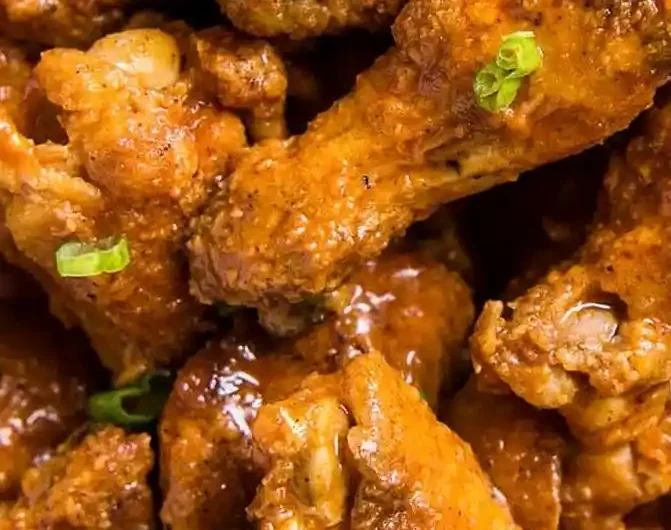
Achieving perfectly crispy chicken wings at home does not require a deep fryer or liters of hot oil. By utilizing a high-heat baking technique and a precise dry-coating method, you can create professional-grade, golden-brown wings with a signature crunch that rivals any restaurant pub food. This recipe streamlines the process, ensuring the skin renders effectively while the meat remains juicy, all without the overwhelming cleanup associated with traditional frying methods.
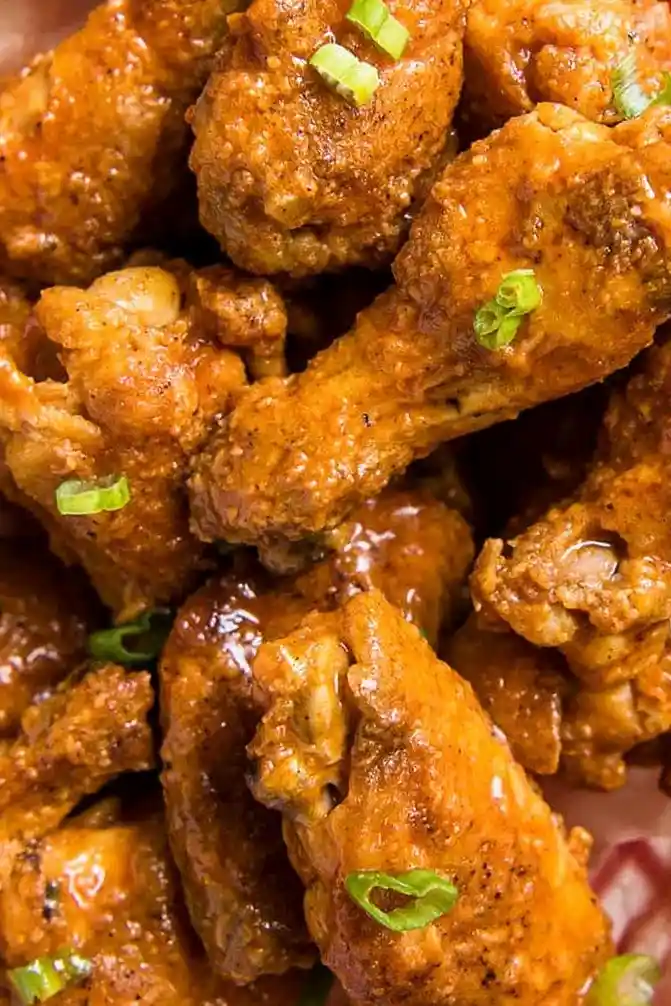
List of ingredients
- 3 pounds chicken wings or drumettes
- 1/2 cup flour
- 1 teaspoon salt
- 2 teaspoon chili powder
- 1 teaspoon garlic powder
- 1/2 teaspoon pepper
- 2 tablespoon baking powder
- 1/2 cup bottled cayenne hot sauce
- 1/2 cup butter
step-by-step instructions
- Step: Preheat oven to 450 degrees.
- Step: Rinse chicken wings and trim any excess skin. Do not remove the skin or you will lose the crispiness. Pat chicken dry.
- Step: In a large bowl, whisk together flour, baking powder and seasonings. Add chicken and coat with the flour mixture. Shake off excess.
- Step: Prepare a large cookie sheet by covering with foil and spraying with cooking spray.
- Step: Arrange chicken on the cookie sheet, at least an inch apart.
- Step: Bake for 30-35 minutes, turning once after about 20 minutes.
- Step: While the chicken is cooking, make the sauce. Add about a 1/2 cup of the bottled cayenne hot sauce and a stick of butter to a small saucepan. Heat on low and stir until butter is melted and sauce begins to bubble.
- Step: Transfer wings into a large bowl. Pour the sauce over the wings and toss to coat.
- Step: Serve with celery and carrot sticks and a side of ranch or blue cheese dressing for dipping.
Practical Preparation Techniques
The secret to successful oven-baked wings lies in the management of the skin. If you are preparing large batches, ensure you are not crowding the pan, as moisture released by the chicken needs space to evaporate rather than pool around the wings. If your oven has a convection setting, you may find that using it for the first 20 minutes significantly speeds up the crisping of the fat, though you should monitor the color closely to prevent burning the spices in the breading. Always ensure your baking sheet is lined with non-stick foil or parchment paper to minimize the mess, as the rendered chicken fat can harden into a sticky, difficult-to-clean glaze on standard baking pans. When handling the raw poultry, avoid using wooden cutting boards if possible, as they are porous and more difficult to sanitize properly after contact with raw juices. Stick to plastic or glass surfaces, and always wash your hands and tools with hot, soapy water immediately after the coating step is finished.
Achieving Uniform Crunch
To get the most uniform crunch, prioritize the drying process above all else. If you find the wings are still damp after initial patting, let them sit in the refrigerator on a wire rack for 30 minutes before coating them. The cold, dry air of the fridge helps tighten the skin, which sets the stage for a significantly improved final texture once the heat hits the baking powder.
Managing Sauce Consistency
If you prefer a thicker sauce that clings firmly to the wings, try whisking in a very small amount of cornstarch while heating the butter and hot sauce. Heat this mixture until it reaches a simmer, and you will notice the sauce transform from a thin glaze into a velvety, thick coating that stays on the meat better than a standard thin butter-sauce mixture. This is particularly useful if you are planning to serve the wings buffet-style where they might sit for a short time before being consumed by guests.
Customizing Flavor Profiles
While the classic cayenne-butter combination is the gold standard for wings, this baked technique acts as a perfect blank canvas for a variety of seasonings. If you want to move away from the traditional spicy buffalo profile, you can easily adapt the flour mixture to include dried herbs like oregano, rosemary, or even a tablespoon of brown sugar for a sweet, caramelized finish. For a savory, dry-rub style, simply omit the final saucing step and toss the finished, crispy wings in a bowl with a mix of dried lemon zest, cracked pepper, and parmesan cheese while they are still steaming hot from the oven.
Adjusting the Spice Level
If your audience includes individuals who enjoy a variety of heat preferences, divide the wings into two batches before the final tossing step. You can use a mild, butter-forward sauce for one batch and then kick up the other batch by adding extra drops of concentrated hot sauce or ground cayenne pepper. This flexibility is one of the main advantages of making wings in the oven, as you avoid committing the entire batch to one specific flavor profile before you even plate the food.
Incorporating Fresh Herbs
For a sophisticated touch, sprinkle the finished wings with finely chopped fresh chives, parsley, or cilantro just before serving. These fresh elements cut through the richness of the butter and provide a bright, aromatic contrast that makes the dish feel more complete. The moisture from the fresh herbs can slightly soften the skin if left on too long, so add these garnishes immediately before the wings hit the table for maximum effect.
Serving Suggestions for a Complete Meal
Wings are historically a finger-food delight, but they can easily serve as the protein anchor for a larger feast. When serving as a main course, pair the wings with cooling sides to balance the heat of the sauce. Traditional sticks of celery and carrots are classic for a reason; their crunch provides a refreshing break from the fatty, salty nature of the chicken. Consider also serving a side of thick-cut sweet potato fries or a cabbage-based slaw tossed in a tangy vinegar dressing, as the acidity in the slaw helps cleanse the palate between every spicy wing.
Dipping Sauce Pairings
While ranch and blue cheese are the industry standard, you can elevate your serving platter by offering a variety of house-made dips. A Greek yogurt-based dip seasoned with dill and lemon provides a lighter, protein-packed alternative to classic mayo-based dressings. Alternatively, a honey-mustard or even a garlic-infused tahini dip can offer unique flavor profiles that pair exceptionally well with the crispy exterior of the oven-roasted skin.
Appetizer Buffet Arrangement
If you are hosting a larger gathering, arrange the wings on a platter with the dipping sauces placed in small individual bowls at the center. Surround the wings with an array of sliced raw vegetables arranged in a colorful pattern. By keeping the sauces in separate bowls rather than tossing all the wings in sauce, you ensure the skin stays crispy for longer, allowing guests to choose their own levels of sauciness as they eat.
Handling Storage and Reheating
Leftover wings can be surprisingly good the next day if you handle them with care, though they will lose their initial crispiness in the refrigerator. To store them correctly, place the cooled wings in an airtight glass or plastic container, keeping them in the coldest part of your refrigerator. Avoid stacking them too deeply, as the weight can cause the bottom wings to become soggy from the residual sauce or juices.
Reviving the Texture
Never rely on a microwave to reheat wings, as the high moisture levels will turn the crispy coating into a rubbery texture. Instead, preheat your oven to 400 degrees and place the cold wings on a wire rack over a baking sheet for about 8 to 10 minutes. This process allows the fat to render again and the skin to crisp back up, resulting in a reheated wing that is almost as enjoyable as the freshly baked original version.
Freezing Recommendations
While it is generally best to enjoy wings fresh, you can freeze pre-baked wings for up to one month. To do this, let them cool completely after the initial bake, then spread them in a single layer on a parchment-lined tray to freeze solid. Once frozen, transfer the wings to a freezer-safe bag, removing as much air as possible. When you are ready to eat, simply bake them frozen in a 400-degree oven for 15-20 minutes, then toss with fresh sauce.
Common Questions Addressed
Can I use boneless chicken thighs instead of wings?
Yes, you can certainly use boneless, skinless chicken thighs or breasts for this recipe. However, note that they will cook significantly faster than bone-in wings, usually requiring only 18 to 22 minutes. You will still achieve a crunchy exterior thanks to the baking powder and flour coating, but the texture will be quite different from the traditional wing experience.
Does the baking powder affect the taste?
If used in the correct proportion, the baking powder is completely tasteless once fully cooked. The key is to avoid using too much, as an excess can leave a slight metallic aftertaste. Following the specific measurements provided ensures that the chemical reaction happens without compromising the flavor of the seasoning blend.
What if my wings are not getting crispy?
The most common culprit for soft wings is excess moisture on the skin before baking. If you skip the thorough drying step or fail to give the wings enough space on the tray, the steam will prevent the skin from crisping. Also, ensure your oven is truly at 450 degrees; if your oven runs cool, you may need to use an external oven thermometer to verify the heat, as that high temperature is vital for the fat rendering process.
Is it necessary to use a wire rack?
While a wire rack is highly recommended because it promotes air circulation on all sides of the wing, it is not strictly mandatory. If you do not have a rack, you can still achieve excellent results by carefully flipping the wings halfway through and ensuring they are spaced far apart on the foil-lined pan. The foil helps reflect the heat upward, assisting in the crisping process on the bottom of the chicken.
Why should I avoid margarine?
Margarine contains a higher water content and different fat structures than real butter. When making a wing sauce, you want the emulsion of the butter and the hot sauce to remain stable and flavorful. Butter provides a richer mouthfeel and a cleaner taste that complements the vinegar and spices found in standard cayenne hot sauces, whereas margarine can sometimes lead to a greasy or artificially flavored sauce.
Print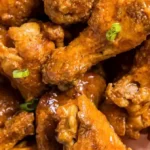
Crispy Baked Chicken Wings
- Total Time: PT40M
- Yield: 6 servings 1x
- Diet: Non-Vegetarian
Description
Crispy Baked Chicken Wings have a crispy texture without messy frying! Customizable flavors and simple prep for crowd-pleasing baked wings!
Ingredients
- 3 pounds chicken wings or drumettes
- 1/2 cup flour
- 1 teaspoon salt
- 2 teaspoon chili powder
- 1 teaspoon garlic powder
- 1/2 teaspoon pepper
- 2 tablespoon baking powder
- 1/2 cup bottled cayenne hot sauce
- 1/2 cup butter
Instructions
- Step: Preheat oven to 450 degrees.
- Step: Rinse chicken wings and trim any excess skin. Do not remove the skin or you will lose the crispiness. Pat chicken dry.
- Step: In a large bowl, whisk together flour, baking powder and seasonings. Add chicken and coat with the flour mixture. Shake off excess.
- Step: Prepare a large cookie sheet by covering with foil and spraying with cooking spray.
- Step: Arrange chicken on the cookie sheet, at least an inch apart.
- Step: Bake for 30-35 minutes, turning once after about 20 minutes.
- Step: While the chicken is cooking, make the sauce. Add about a 1/2 cup of the bottled cayenne hot sauce and a stick of butter to a small saucepan. Heat on low and stir until butter is melted and sauce begins to bubble.
- Step: Transfer wings into a large bowl. Pour the sauce over the wings and toss to coat.
- Step: Serve with celery and carrot sticks and a side of ranch or blue cheese dressing for dipping.
Notes
I typically do a 1/1 ratio of butter to hot sauce. If you want more heat, add less butter. For less heat, add less hot sauce.
- Prep Time: PT10M
- Cook Time: PT30M
- Category: Appetizer
- Method: Baking
- Cuisine: American
Nutrition
- Serving Size: 1 serving
- Calories: 318 kcal
- Sugar: 1 g
- Sodium: 492 mg
- Fat: 20 g
- Saturated Fat: 6 g
- Unsaturated Fat: 14 g
- Trans Fat: 0 g
- Carbohydrates: 11 g
- Fiber: 1 g
- Protein: 24 g
- Cholesterol: 94 mg
Keywords: baked chicken wings, appetizer, game day