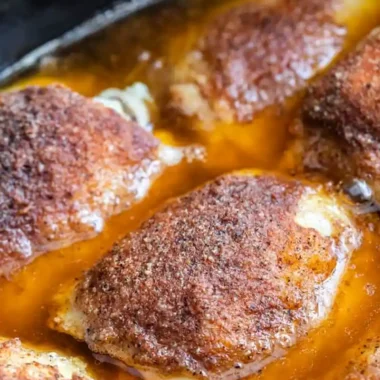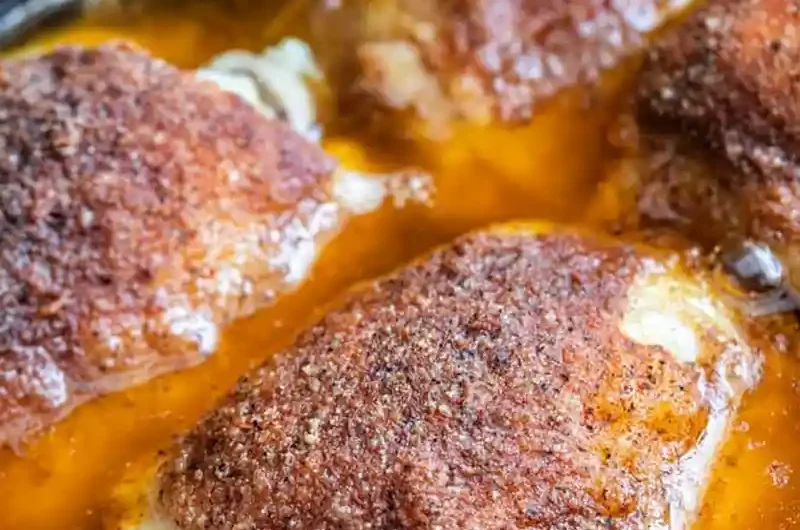
This easy dinner recipe utilizes a slow cooker to create tender, flavorful chicken with minimal effort. It requires less than five minutes of preparation and uses common pantry ingredients.
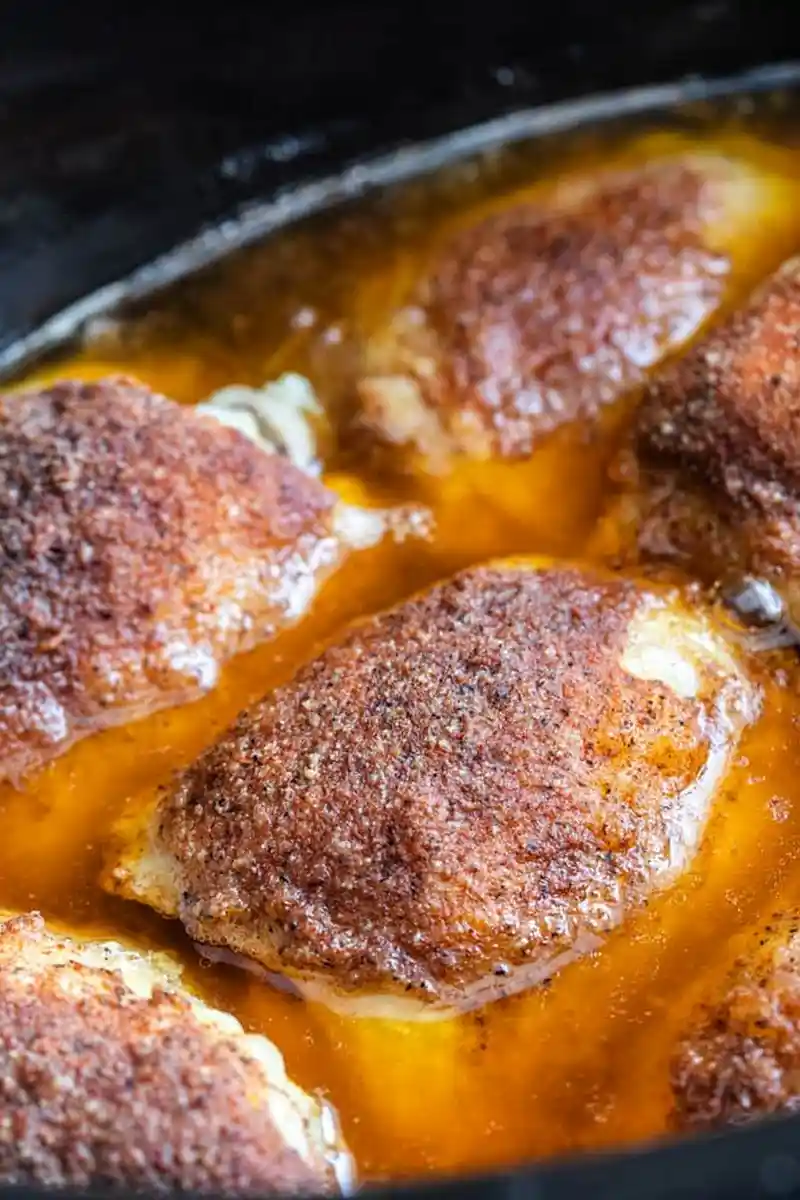
List of ingredients
- 8 bone-in chicken thighs – provides maximum juiciness and flavor.
- 6 ounces chicken broth – keeps the meat moist during the slow cooking process.
- 1 teaspoon garlic powder – adds a concentrated savory base.
- 1 teaspoon onion powder – provides a subtle sweetness and depth.
- 1 teaspoon paprika – gives the chicken a rich color and mild earthiness.
- 1 teaspoon salt – enhances all other spice flavors.
- 1/2 teaspoon pepper – adds a light touch of heat.
step-by-step instructions
- Arrange Chicken: Place the bone-in chicken thighs in the bottom of the crockpot in a single layer.
- Add Liquid: Pour the six ounces of chicken broth over the chicken pieces to provide steam and moisture.
- Apply Seasoning: Combine the garlic powder, onion powder, paprika, salt, and pepper, then sprinkle the mixture evenly over each thigh.
- Cook Thawed Meat: Set the slow cooker to low for 4 to 6 hours, or use the high setting for 2 to 4 hours.
- Cook Frozen Meat: If starting with frozen thighs, cook on low for 8 to 10 hours or on high for 4 to 6 hours.
- Optional Finishing: For a crispy exterior, place cooked thighs on a baking sheet and broil for 3 to 5 minutes until golden brown.
Achieving a Crispy Finish
Broiling for Golden-Brown Skin
Slow cookers create tender meat but leave the skin soft. To fix this, transfer the cooked chicken to a broiler-safe pan. Set your oven to broil and cook for 3 to 5 minutes, watching closely to avoid burning.
Using a Baking Sheet for Oven Finishing
Using a wide baking sheet ensures the skin is exposed to direct heat. Avoid overcrowding the pan so the hot air can circulate. This step transforms the texture from steamed to roasted.
Flavor Modifications and Ingredient Swaps
Substituting Boneless Chicken Thighs
If you prefer boneless meat, you can use boneless, skinless chicken thighs. The cooking time remains the same, though boneless meat may cook slightly faster. Be careful not to overcook them to avoid dryness.
Adding Honey Garlic Glaze
For a sweeter profile, stir in a premade honey garlic sauce during the last hour of cooking. The sugar in the honey caramelizes slightly if you choose to broil the chicken afterward. This is a great option for those who prefer a sticky coating.
Using Tamari for a Savory Umami Twist
Replace a portion of the chicken broth with tamari or soy sauce. This adds a salty, umami depth to the dish. It pairs exceptionally well with the garlic and onion powders already in the recipe.
Applying Italian Seasoning and Brown Sugar
Swap the paprika and onion powder for a blend of Italian herbs. Adding a tablespoon of brown sugar creates a sweet and savory glaze. This version works well when served alongside pasta or polenta.
Incorporating Red Pepper Flakes for Heat
Add a pinch of red pepper flakes to the dry rub if you prefer a spicy kick. The slow cooking process mellows the heat slightly, making it palatable for most adults. Adjust the amount based on your tolerance for spice.
Serving Suggestions
Pairing with Low-Carb Cauliflower Rice
Serve the chicken over steamed cauliflower rice for a healthy, low-carb meal. The rice absorbs the leftover juices from the crockpot. Season the cauliflower with a bit of lemon juice for contrast.
Serving Over Creamy Mashed Potatoes
For a comforting classic, pair this dish with buttery mashed potatoes. The richness of the potatoes complements the savory chicken broth. Spoon extra cooking liquid over the potatoes for added flavor.
Adding Roasted Root Vegetables
Roast carrots, sweet potatoes, and Brussels sprouts in the oven while the chicken finishes. These vegetables provide a nutritional balance and a variety of textures. The sweetness of roasted carrots pairs well with paprika.
Fresh Green Salad Accompaniments
A crisp salad with cherry tomatoes, cucumbers, and a vinaigrette cuts through the richness of the chicken thighs. Use mixed greens for a variety of nutrients. This adds a refreshing element to the heavy meal.
Using Egg Noodles or White Rice
Buttered egg noodles or steamed white rice are excellent bases for this recipe. Add a drizzle of olive oil or a squeeze of fresh lemon to the grains. These options are filling and kid-friendly.
Creating a Savory Pan Gravy
The Proper Ratio for Cornstarch Slurries
Mix one tablespoon of cornstarch with two tablespoons of cold water in a small bowl. Whisk until the mixture is completely smooth with no lumps. This slurry acts as the thickening agent for the pan juices.
Incorporating the Slurry into Hot Liquid
Whisk the cornstarch mixture into the hot liquid remaining in the crockpot. Continue stirring on the high setting until the sauce thickens. The heat activates the starch, creating a glossy gravy.
Microwave-Based Thickening Methods
If the slow cooker liquid is not hot enough, pour it into a microwave-safe bowl. Heat for 1 to 2 minutes, then whisk in the slurry. Continue heating in short bursts until the desired consistency is reached.
Proper Storage and Preservation
Safe Cooling Procedures Before Refrigeration
Allow the chicken to cool to room temperature before sealing it in a container. This prevents excessive condensation from forming inside the lid. Do not leave the chicken at room temperature for more than two hours.
Refrigerator Storage Limits
Store cooked chicken thighs in an airtight container in the refrigerator. They remain safe and tasty for 3 to 4 days. Ensure the container is sealed tightly to prevent the meat from drying out.
Freezing Guidelines for Long-Term Storage
For longer storage, place cooled chicken in freezer-safe bags or airtight containers. Remove as much air as possible to prevent freezer burn. Frozen cooked chicken is best consumed within 2 to 6 months.
Properly Thawing Frozen Cooked Chicken
Thaw the chicken in the refrigerator overnight for maximum safety. If you are in a hurry, use the defrost setting on your microwave. Avoid thawing meat on the counter at room temperature.
Reheating Guidelines
Maintaining Moisture During Microwave Reheating
Place chicken in a microwave-safe dish and add a tablespoon of broth or water. Cover the dish with a damp paper towel or a lid. This creates steam that prevents the meat from becoming rubbery.
Using the Oven for Batch Reheating
Preheat the oven to 325°F and place the chicken in a covered baking dish. Add a small amount of liquid to keep the meat moist. Heat until the chicken is warmed through, usually about 15 to 20 minutes.
Ensuring a Safe Internal Temperature
Always reheat cooked chicken until it reaches an internal temperature of 165°F. Use a meat thermometer to verify the temperature in the thickest part of the thigh. This ensures all bacteria are eliminated.
Troubleshooting and Common Questions
Why is my chicken tough?
Toughness usually results from overcooking on a high temperature setting, which can tighten the proteins. It can also happen if there is not enough liquid to create steam. Always follow the suggested time and temperature guidelines.
Do I need to add extra water?
Water is not strictly necessary because chicken thighs release their own juices. However, adding broth ensures there is enough liquid to prevent scorching. A small amount of liquid helps maintain a consistent cooking environment.
Should I brown the meat first?
Browning is not required for this recipe as the slow cooker develops flavor over time. Skipping this step saves time and reduces the number of dirty pans. The broiling step at the end provides the same visual and textural appeal.
Is it safe to cook from frozen?
While some guidelines suggest thawing first, many home cooks successfully use frozen thighs. To do this safely, ensure the meat is in a single layer. Increase the cooking time significantly to ensure the center reaches 165°F.
Why use bone-in meat for flavor?
Bones release marrow and collagen during the slow cooking process. This results in a richer sauce and more succulent meat. Bone-in thighs are also generally more affordable than boneless options.
How do I prevent the skin from being soggy?
Since the chicken is steamed in the crockpot, soggy skin is inevitable unless you use an oven. The only way to achieve a crisp texture is through broiling or searing after the slow cooking is complete. Avoid covering the chicken with too much liquid if you plan to broil.
What if I don’t have a slow cooker?
You can simulate a slow cooker by using a Dutch oven in the oven at 300°F. Cover the pot tightly with a lid to trap moisture. Cook for several hours until the meat is tender and falls off the bone.
Print
Slow Cooker Savory Chicken Thighs
- Total Time: 6 hours 10 minutes
- Yield: 6 servings 1x
- Diet: Gluten-Free
Description
Our crock pot chicken thighs recipe can be put together in less than 5 minutes using ingredients from your pantry.
Ingredients
- 8 bone-in chicken thighs
- 6 ounces chicken broth
- 1 teaspoon garlic powder
- 1 teaspoon onion powder
- 1 teaspoon paprika
- 1 teaspoon salt
- 1/2 teaspoon pepper
Instructions
- Step 1: Place the chicken thighs into the crockpot.
- Step 2: Pour in the chicken broth.
- Step 3: Combine garlic powder, onion powder, paprika, salt, and pepper, then sprinkle the mixture over the chicken.
- Step 4: Cook on low for 4-6 hours or on high for 2-4 hours.
Notes
To get crispy skin, place the cooked chicken thighs onto a baking pan and broil for 2-5 minutes.
- Prep Time: 5 minutes
- Cook Time: 6 hours 5 minutes
- Category: Main Course
- Method: Slow Cooker
- Cuisine: American
Nutrition
- Serving Size: 1 serving
- Calories: 232 kcal
- Sugar: 1 g
- Sodium: 395 mg
- Fat: 16 g
- Saturated Fat: 4 g
- Unsaturated Fat: 12 g
- Trans Fat: 0 g
- Carbohydrates: 3 g
- Fiber: 1 g
- Protein: 16 g
- Cholesterol: 94 mg
Keywords: slow cooker, chicken thighs, easy dinner, crock pot, American