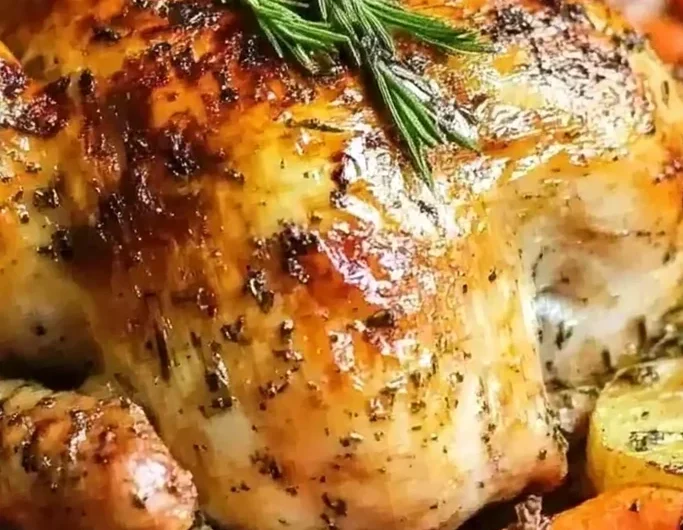
This one-pan meal combines a juicy whole roasted chicken with tender potatoes and carrots for a hearty dinner. It is an efficient way to prepare a complete protein and vegetable dish using a single roasting pan.
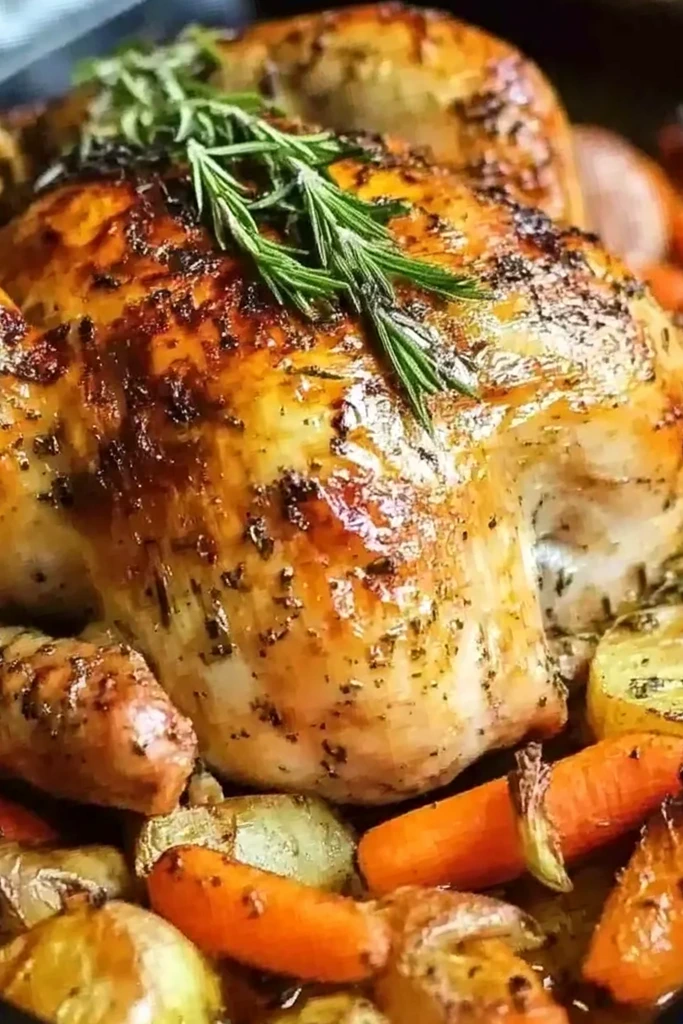
List of ingredients
- 1 whole chicken (3-4 pounds) – patted dry for better skin crisping.
- 4 medium potatoes, peeled and cubed – cut into uniform pieces for even cooking.
- 4 carrots, peeled and cut into chunks – sized similarly to the potatoes.
- 1 onion, quartered – adds aromatic depth to the pan juices.
- 4 cloves garlic, minced – used in the herb rub.
- 3 tablespoons olive oil – for coating the chicken and vegetables.
- 1 tablespoon fresh rosemary, chopped (or 1 teaspoon dried) – provides a woody aroma.
- 1 tablespoon fresh thyme, chopped (or 1 teaspoon dried) – adds an earthy flavor.
- Salt and black pepper, to taste – essential for seasoning the meat and veg.
- 1 lemon, halved – used for stuffing the cavity.
step-by-step instructions
- Preheat the Oven: Set your oven to 425°F (220°C) to ensure it is hot enough for roasting.
- Prepare the Chicken: Rinse the chicken under cold water and pat it thoroughly dry with paper towels to ensure the skin browns.
- Season the Chicken: Mix olive oil, minced garlic, rosemary, thyme, salt, and pepper in a small bowl. Rub this herb mixture over the entire chicken, including the inside of the cavity.
- Stuff the Chicken: Squeeze the juice of one lemon half into the cavity, then place both lemon halves inside for infused citrus flavor.
- Prepare the Vegetables: Toss the cubed potatoes, carrot chunks, and quartered onion in a large bowl with olive oil, salt, and pepper until well coated.
- Arrange the Ingredients: Spread the vegetables in a single layer at the bottom of a large roasting pan. Place the seasoned chicken directly on top of the vegetables.
- Roast: Roast in the preheated oven for approximately 1 hour. The chicken is done when the skin is golden brown and the internal juices run clear.
- Rest the Chicken: Remove the pan from the oven and let the chicken rest for 10-15 minutes. This allows juices to redistribute for maximum tenderness.
- Serve the Dish: Carve the chicken and arrange it on a platter with the roasted vegetables, drizzling the remaining pan juices over the meat.
Optimal Roasting Techniques
Achieve Crispy Skin by Removing Surface Moisture
The most critical step for achieving a golden-brown skin is ensuring the chicken is completely dry. Moisture on the surface of the skin creates steam, which prevents the skin from crisping and leads to a rubbery texture. Use heavy-duty paper towels to pat the chicken dry both inside and outside before applying the oil rub.
Use a Meat Thermometer for Precise Doneness
Relying solely on visual cues or time can lead to overcooked or undercooked meat. Use a digital meat thermometer to check the thickest part of the thigh, ensuring it reaches 165°F (74°C). This guarantees the chicken is safe to eat while remaining juicy and tender.
Ensure Even Heat Distribution with a Heavy Pan
A heavy-bottomed roasting pan or a cast-iron skillet is ideal for this recipe because they distribute heat more evenly. Thin pans can create hot spots that may burn the vegetables underneath the chicken. A sturdy pan helps in caramelizing the potatoes and carrots consistently throughout the cooking process.
Cut Vegetables to Uniform Sizes
Consistency in the size of the potato and carrot chunks is vital for synchronized cooking. If some pieces are much smaller than others, they will overcook and mush before the chicken is finished. Aim for cubes of roughly one inch to ensure everything reaches the same level of tenderness.
Ingredient Substitutions
Replace Fresh Herbs with Dried Equivalents
If fresh rosemary and thyme are unavailable, dried herbs are a practical substitute. However, dried herbs are more concentrated in flavor, so use a ratio of one teaspoon dried for every tablespoon of fresh. Mix them into the olive oil first to help them rehydrate and distribute evenly across the skin.
Use Yukon Gold Potatoes for a Creamier Texture
While any medium potato works, Yukon Gold potatoes are highly recommended for their buttery texture and ability to hold their shape. Russet potatoes can be used, but they tend to break down more, which can lead to a softer, more mashed consistency in the roasting pan. Red potatoes are also a great option for a firmer bite.
Incorporate Parsnips or Turnips for Variety
You can easily swap out carrots or add additional root vegetables like parsnips or turnips. These vegetables have similar roasting times and flavor profiles, adding an earthy sweetness to the dish. Simply toss them in the olive oil and seasoning along with the potatoes.
Swap Lemon for Apple Cider Vinegar
If you lack a fresh lemon, a small amount of apple cider vinegar can provide the necessary acidity to balance the richness of the chicken. Use about one tablespoon mixed with a bit of water or oil inside the cavity. This provides a bright, tangy contrast to the savory herbs.
Flavor Enhancements and Variations
Add Smoked Paprika for a Wood-Fired Taste
For a deeper, smokier flavor profile, add one teaspoon of smoked paprika to the garlic and herb rub. This gives the chicken a reddish hue and a taste reminiscent of outdoor grilling. It pairs particularly well with the sweetness of the roasted carrots.
Incorporate Sage and Parsley for Earthy Notes
While rosemary and thyme are classic, adding chopped sage can provide a more traditional autumn flavor. Fresh parsley added at the end of the roasting process or as a garnish adds a bright, peppery note that cuts through the fat of the chicken skin.
Use Garlic Butter for a Richer Finish
Instead of using only olive oil for the rub, you can use softened unsalted butter mixed with minced garlic. Butter contains milk solids that brown more quickly, resulting in a deeper color and a richer, more decadent flavor on the skin. Use a 50/50 blend of butter and oil to prevent the butter from burning at 425°F.
Add Red Pepper Flakes for Mild Heat
If you prefer a bit of spice, incorporate a pinch of red pepper flakes into the vegetable toss. The heat infuses into the potatoes as they roast in the chicken drippings. This provides a subtle kick that complements the citrus notes of the lemon.
Serving and Presentation Ideas
Platter Arrangement for Visual Appeal
To present this dish professionally, use a large oval platter. Place the carved chicken pieces in the center and surround them with the roasted carrots and potatoes. This keeps the meat in contact with the vegetables, allowing the flavors to continue blending as you serve.
Finishing with Fresh Parsley Garnish
A sprinkle of finely chopped fresh parsley over the entire platter adds a vivid green color that contrasts beautifully with the golden-brown chicken. Beyond aesthetics, the raw parsley provides a fresh, clean taste that balances the heavy roasting flavors.
Pairing with Crusty Sourdough Bread
Serving this meal with warm, sliced sourdough or a baguette is highly recommended. The bread is perfect for soaking up the concentrated pan juices, which are packed with the essence of lemon, garlic, and chicken fat. This ensures none of the flavor goes to waste.
Serving with a Crisp Green Salad
Since this is a rich, hearty meal, a side of fresh greens with a light vinaigrette is an ideal accompaniment. A salad of arugula or spinach with a lemon-olive oil dressing mirrors the flavors in the chicken and provides a refreshing contrast to the roasted root vegetables.
Proper Storage and Reheating
Store Leftovers in Airtight Containers
Place cooled chicken and vegetables in separate airtight containers to maintain their textures. Store them in the refrigerator for up to 3-4 days. Ensure the containers are completely sealed to prevent the chicken from absorbing other odors in the fridge.
Freeze Portions for Long-Term Use
For storage beyond four days, the cooked chicken and vegetables can be frozen for up to 2-3 months. Wrap them tightly in foil or use freezer-safe bags to prevent freezer burn. It is best to freeze them in portion-sized amounts for easier thawing.
Reheat in the Oven to Maintain Texture
To keep the chicken skin from becoming soggy, reheat leftovers in the oven at 350°F (175°C). Place the meat and vegetables on a baking sheet and heat until warmed through, usually about 10-15 minutes. This method helps preserve the roasted texture better than a microwave.
Use a Microwave for Quick Reheating
If you are short on time, the microwave is an option, though it will soften the skin. Cover the dish with a damp paper towel to trap steam, which prevents the chicken breast from drying out. Heat in short 30-second bursts, stirring the vegetables in between.
Troubleshooting and Common Fixes
Prevent the Chicken from Drying Out
The most common issue with roasted chicken is dry breast meat. To prevent this, always allow the chicken to rest for at least 10 minutes before carving. This allows the juices to move back into the muscle fibers rather than spilling out onto the cutting board.
Stop Vegetables from Burning
If you find that your vegetables are burning before the chicken is done, try adding a splash of chicken broth or water to the bottom of the pan halfway through. This creates a bit of steam and prevents the bottom layer of vegetables from scorching against the metal.
Fix Pale Chicken Skin
If the skin is not browning, you may be overcrowding the pan or using a temperature that is too low. Ensure there is space around the chicken for air to circulate. You can also briefly turn on the broiler for the last 2-3 minutes of cooking to achieve a deep golden color.
Avoid Soggy Vegetables
Soggy vegetables often occur when too many are crowded into the pan, causing them to steam rather than roast. Use a large enough roasting pan so that the vegetables are in a single layer. Avoid adding too much liquid to the pan, as the chicken will release its own juices.
Frequently Asked Questions
How can I tell if the chicken is done?
The most reliable method is using a meat thermometer to check that the internal temperature has reached 165°F (74°C) in the thickest part of the thigh. Alternatively, pierce the thigh with a knife; the juices should run clear, not pink.
Can I use chicken parts instead of a whole chicken?
Yes, you can use thighs or breasts. If using parts, reduce the cooking time to 30-45 minutes depending on the size. Thighs are generally more forgiving and remain juicier than breasts during the roasting process.
Can I make this dish ahead of time?
You can prepare the chicken and vegetables and store them in the pan in the fridge overnight. When ready to eat, simply roast the pan as directed. Be aware that the chicken may take a few extra minutes to reach temperature if it starts from cold.
What sides complement this dish?
This meal is quite complete, but it pairs well with a light soup, such as a clear vegetable broth, or a steamed side of broccoli. A simple fruit salad can also provide a sweet contrast to the savory roasted flavors.
Print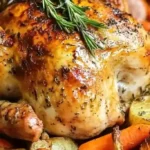
Oven Roasted Chicken with Root Vegetables
- Total Time: 1 hour 15 minutes
- Yield: 4–6 servings 1x
- Diet: General
Description
A classic comfort dish featuring tender, juicy roasted chicken paired with flavorful potatoes and sweet carrots, all enhanced by aromatic fresh herbs.
Ingredients
- 1 whole chicken (3–4 pounds)
- 4 medium potatoes, peeled and cubed
- 4 carrots, peeled and cut into chunks
- 1 onion, quartered
- 4 cloves garlic, minced
- 3 tablespoons olive oil
- 1 tablespoon fresh rosemary, chopped (or 1 teaspoon dried)
- 1 tablespoon fresh thyme, chopped (or 1 teaspoon dried)
- Salt and black pepper, to taste
- 1 lemon, halved
Instructions
- Preheat the Oven: Preheat your oven to 425°F (220°C).
- Prepare the Chicken: Rinse the chicken under cold water and pat it dry with paper towels.
- Season the Chicken: In a small bowl, mix olive oil, garlic, rosemary, thyme, salt, and pepper. Rub this mixture all over the chicken, both inside and out.
- Stuff the Chicken: Squeeze the juice of one lemon half inside the chicken cavity. Place the squeezed lemon halves inside the cavity for extra flavor.
- Prepare the Vegetables: In a large bowl, toss the cubed potatoes, carrot chunks, and onion with olive oil, salt, and pepper until evenly coated.
- Arrange the Ingredients: Spread the vegetables in a single layer in a large roasting pan. Place the seasoned chicken on top of the vegetables.
- Roast: Place the roasting pan in the preheated oven. Roast for about 1 hour, or until the chicken is golden brown and the juices run clear when pierced.
- Rest the Chicken: Once fully cooked, remove the chicken from the oven and let it rest for 10-15 minutes before carving.
- Serve the Dish: Carve the chicken and serve it alongside the roasted vegetables, drizzling the pan juices over everything for added flavor.
Notes
Patting the chicken dry before seasoning ensures a crispier golden skin. Use a meat thermometer to verify the internal temperature reaches 165°F.
- Prep Time: 15 minutes
- Cook Time: 1 hour
- Category: Main Course
- Method: Roasting
- Cuisine: American
Nutrition
- Serving Size: 1 serving
- Calories: 450 kcal
- Sugar: 6 g
- Sodium: 620 mg
- Fat: 20 g
- Saturated Fat: 5 g
- Unsaturated Fat: 15 g
- Trans Fat: 0 g
- Carbohydrates: 25 g
- Fiber: 5 g
- Protein: 40 g
- Cholesterol: 110 mg
Keywords: roasted chicken, one pan meal, roasted potatoes and carrots, family dinner, comfort food